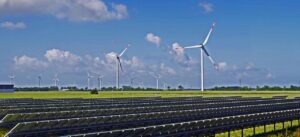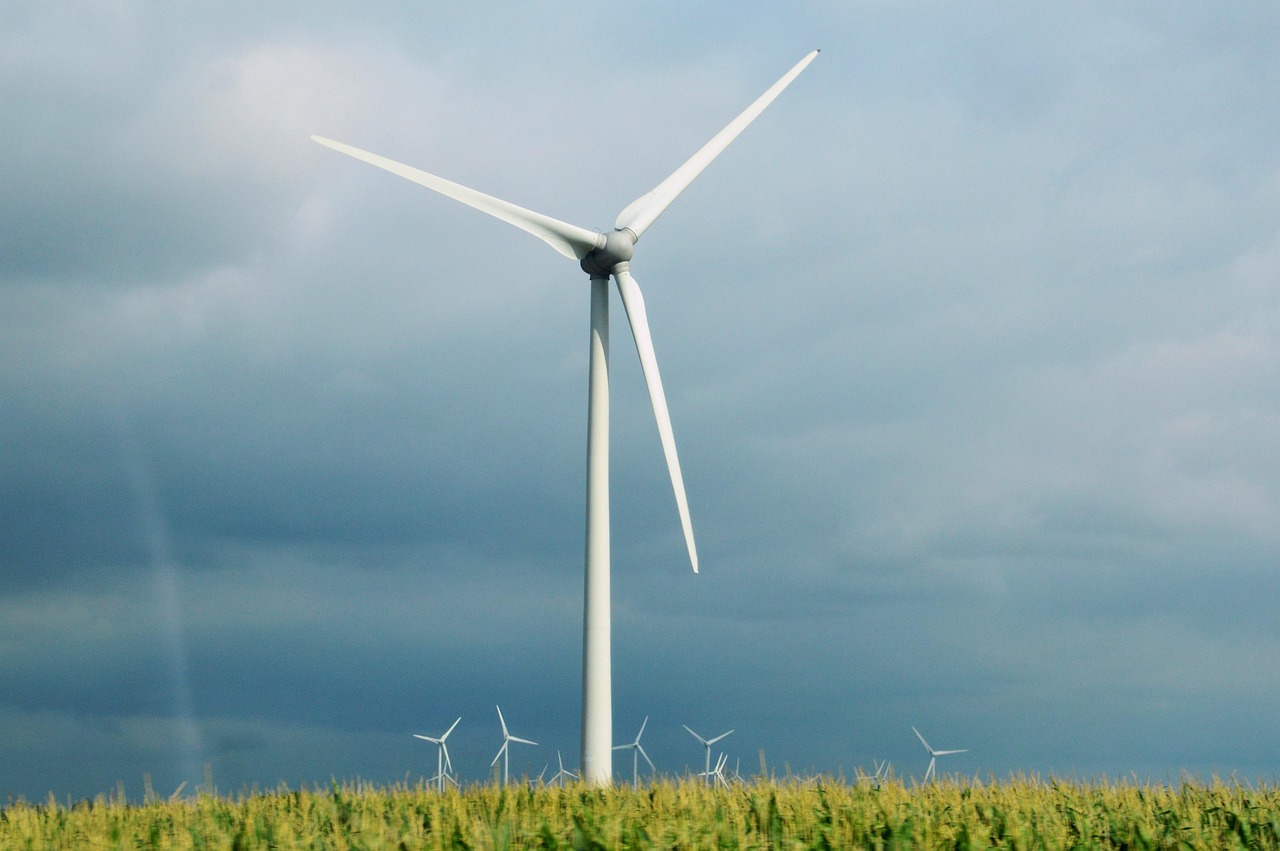

For many buyers, wind electric energy is no longer a far-off green topic. It is now one of the normal options on the table when a company wants cleaner electricity, less exposure to fuel swings, and a power plan that can be checked against real numbers. If you are looking at project models, supply routes, or market direction, the wind electric energy section is a useful place to start.
The case for wind is easier to judge when you look at power-sector data instead of sales talk. According to the International Energy Agency Global Energy Review 2025, renewables supplied about one-third of global electricity in 2024, with wind at about 8% and solar PV at about 7%. The same review estimated around 120 GW of annual wind additions in 2024, so wind is still a large working part of new electricity supply. Source: IEA Global Energy Review 2025. (iea.org)
What Makes Wind Electric Energy Different from Conventional Power?
Wind power looks simple from the outside, but the business value is in the project details. You are not buying a fuel chain. You are buying electricity made from moving air, then delivered through turbines, cables, substations, grid agreements, and contracts.
Moving Air Becomes Grid Power
A wind turbine uses blades to catch kinetic energy from air flow. Air moving across the blade creates lift, the rotor turns the drive system, and the generator makes electricity for the collection system and the grid. The U.S. Energy Information Administration explains this process and reports that U.S. wind generation rose from about 6 billion kWh in 2000 to about 464 billion kWh in 2025. Source: U.S. EIA Energy Explained, 2026 data page. (eia.gov)
Fuel-Free Output During Operation
After a wind project is built, it does not need coal, gas, or oil to produce power. That point matters when fuel prices move fast. The project still has maintenance, land lease, grid, insurance, and financing costs. Even so, it avoids the daily fuel bill that fossil power plants have to carry.
Strong Value at Utility Scale
Wind usually performs best where the wind resource is steady and the project is large enough to spread fixed costs. A weak site can make the whole technology look worse than it is. A well-sited wind farm, on the other hand, can supply large volumes of electricity for utilities, factories, data facilities, and power retailers.
Why Is Wind Electric Energy Growing So Fast Worldwide?
Growth is coming from better equipment, policy support, and demand from power buyers. These three parts need to work together. A good turbine without grid access is still just expensive equipment sitting on a windy site.
Record Generation in the Power Mix
Ember’s Global Electricity Review 2025 reported that global wind generation reached 2,494 TWh in 2024, up 182 TWh from 2023. Wind’s share reached 8.1% of the global electricity mix, and its generation had tripled since 2015. Source: Ember Global Electricity Review 2025, released April 2025. (ember-energy.org)
Policy Support and Buyer Demand
Many countries use auctions, tax rules, renewable portfolio standards, and grid planning to move wind projects into the market. These tools can reduce early project risk and give developers a clearer route to revenue. On the buyer side, companies want cleaner power for factories, offices, and supply chains. The reason is not only public image; fixed or structured contract pricing can also make budgeting easier.
Better Turbines at Better Sites
Modern turbines reach higher wind speeds, use longer blades, and make more electricity per machine than older units. IRENA notes that today’s new wind projects commonly use 3 to 4 MW turbines onshore and 8 to 12 MW turbines offshore. Bigger equipment is not a cure for every site problem. When the wind data, land, and grid connection are right, it can reduce the cost per delivered kilowatt-hour.
Is Wind Electric Energy Cheaper Than Fossil Electricity?
For new onshore projects, the answer is often yes, but not in every market and not under every contract. Cost depends on wind resource, financing, grid connection, land, local rules, and whether storage or balancing services are part of the deal.
Low Cost for Onshore Projects
IRENA’s Renewable Power Generation Costs in 2024 reported a global weighted average LCOE of USD 0.034 per kWh for new utility-scale onshore wind in 2024. IRENA also states that onshore wind LCOE fell 70% from 2010 to 2024, from USD 0.089 per kWh to USD 0.034 per kWh. Source: IRENA Renewable Power Generation Costs in 2024, published 2025. (irena.org)
Local Grid Costs Still Matter
LCOE is useful for comparison, but it is not the same as your final electricity bill. A project may still need transmission upgrades, grid studies, curtailment management, balancing power, or storage. In plain terms, cheap wind at the turbine gate can become less attractive if the grid connection is hard to manage.
Contract Value Depends on Timing
Wind output often rises at night or during certain seasons, which can be different from solar output. That pattern can help if your load profile matches it. If your factory mainly runs during calm afternoon hours, the contract may still make sense. The value model just needs closer checking.
How Reliable Is Wind Electric Energy for Daily Use?
Wind changes with the weather, so it should not be sold as a single-source answer for every hour of the year. The better question is how wind works inside a full power system. Grid operators already handle changing demand every day, and wind is easier to manage when forecasts and backup options are planned well.
Forecasts Make Wind Easier to Schedule
Weather models now help operators predict wind output hours and days ahead. Forecasts are not perfect, as anyone who has watched a weather app change before a weekend trip already knows. Still, better forecasts reduce surprise for grid operators. They also help with reserve planning and market scheduling.
Mixed Power Systems Cover Quiet Hours
During low-wind periods, a power system can use solar, hydropower, batteries, demand response, gas plants, imports, or other sources. The cleaner the backup mix is, the cleaner the final electricity supply will be. For buyers, this is why contract wording matters. It should say what is being bought, how it is matched, and what happens when output is lower than expected. See also: clean energy.
Storage and Flexible Loads Add Support
Batteries can shift some wind power from high-output hours into hours with higher value. Flexible loads can also adjust demand when the site or grid allows it. A cold-storage warehouse, for example, may pre-cool when electricity is available and cheaper. It can then cut demand during a tight evening period.
Where Does Wind Electric Energy Fit in Business Procurement?
If you run a business, wind can enter your energy plan in more than one way. The right route depends on electricity demand, credit profile, location, sustainability targets, and how much price risk you are prepared to hold.
Utility Power Purchase Agreements
A utility-scale power purchase agreement can connect your company to a wind project without making you own turbines. You may agree to buy power, certificates, or a financial settlement linked to the project. The paperwork can be heavy, and legal review is normal. The basic purpose is still clear: connect clean generation with business demand in a bankable way.
On-Site and Distributed Wind
Smaller wind systems can work for farms, remote facilities, islands, telecom sites, water pumping, or businesses with strong local wind. They are not suitable for every roof, yard, or parking lot. Nearby buildings, trees, turbulence, and zoning rules can reduce output quickly. Before spending money, buyers should check measured wind data and local permitting rules.
Offshore Wind for Coastal Demand
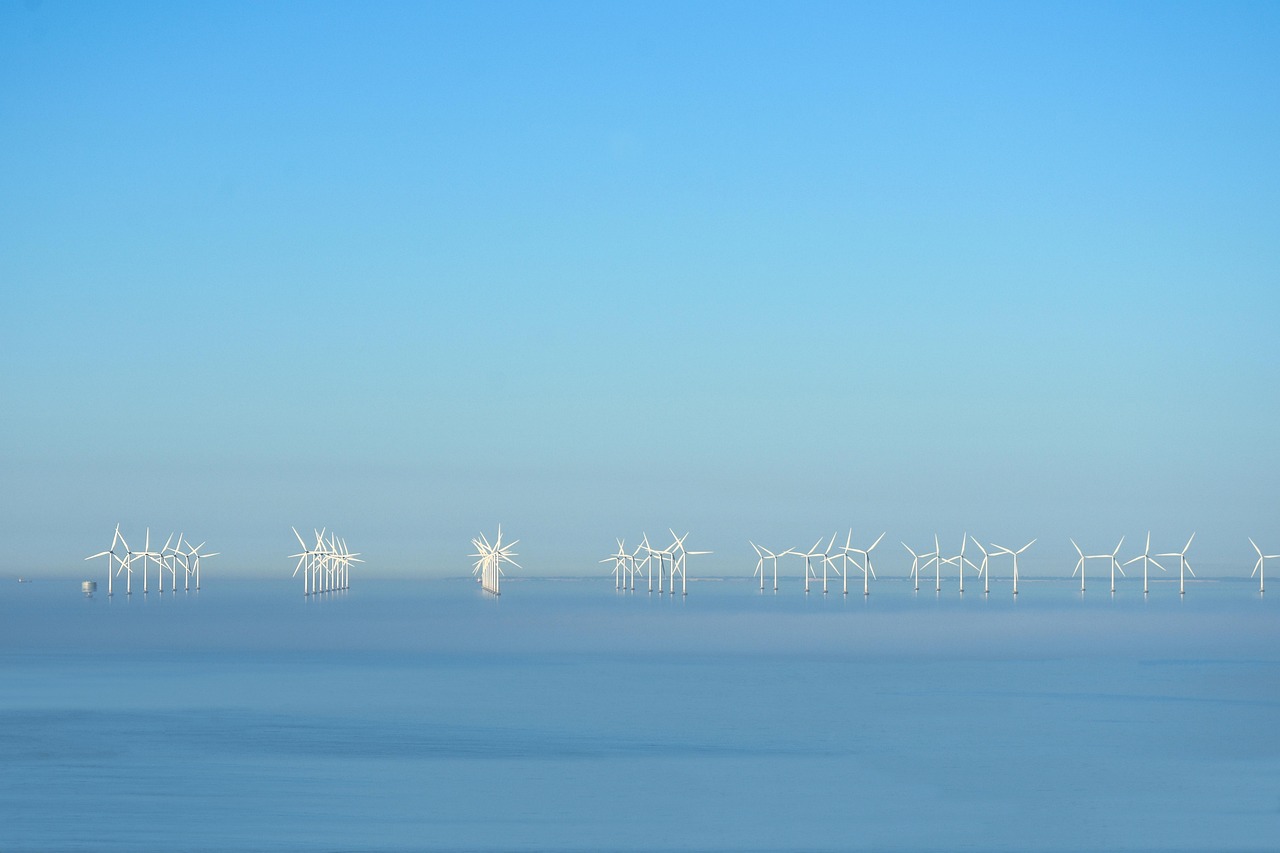
Offshore wind can serve dense coastal regions where land is limited and electricity demand is high. It often brings higher output and larger turbines than onshore projects. It also comes with harder construction work, vessel needs, port planning, cable routes, and marine permitting. The potential volume is large, but the planning work is also heavy.
What Should You Check Before Choosing Wind Electric Energy?
A good wind decision does not come from a brochure photo. You need measured data, a reliable partner, and a clear view of how the electricity reaches your meter or your accounting boundary.
Resource Quality and Capacity Factor
Start with measured wind data, not only regional averages. Capacity factor shows how much electricity a turbine produces compared with its full rated output over time. A higher number is usually better, but it is not the only point. The best project is the one that fits cost, timing, and grid value.
Grid Access and Permitting
Ask early about interconnection queues, curtailment risk, land rights, environmental reviews, aviation rules, and local community concerns. These items can decide whether a project moves on schedule or sits in a queue for years. A project that looks cheap before permits can become slow and costly later. No buyer wants to find a surprise curtailment issue after the model has been approved.
Clear Claims and Lower Life Cycle Emissions
If you use wind in product marketing or ESG reporting, keep the claim specific. Say what you bought, the period covered, and whether certificates are included. For emissions context, an NREL systematic review found a median life cycle estimate of 12 g CO2-equivalent per kWh for utility-scale wind power, with published estimates ranging from 1.7 to 81 g CO2-equivalent per kWh. Source: NREL systematic review of utility-scale wind power life cycle emissions. (research-hub.nrel.gov)
FAQ
Q1: Is Wind Electric Energy the Same as Wind Power? A: In most business and energy use, yes. Wind electric energy means electricity generated from wind turbines, while wind power is the shorter term people use more often.
Q2: Can Wind Electric Energy Power a Factory Every Hour? A: In most cases, not by itself. A factory can buy wind power through the grid, but hourly supply usually needs wind, other generation, storage, and grid services working together.
Q3: Is Onshore Wind Better Than Offshore Wind? A: Onshore wind is usually cheaper and faster to build. Offshore wind can produce large volumes near coastal demand centers, but construction and grid work are more complex.
Q4: What Is the Biggest Risk in a Wind Power Contract? A: The biggest risk is often not the turbine. It is usually contract design, grid congestion, curtailment, price settlement terms, and whether the output pattern fits your electricity use.
Q5: How Should a Business Start with Wind Electric Energy? A: Start with your load profile, target markets, budget, and reporting goals. Then compare utility supply, power purchase agreements, renewable certificates, and any realistic on-site wind options.