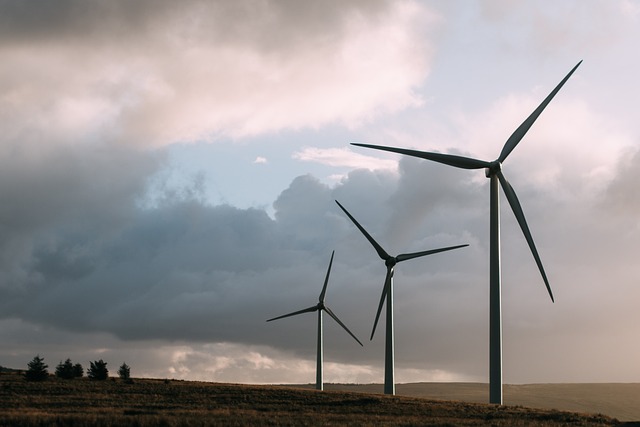

Can a Vertical Axial Wind Turbine Power a House?
A vertical axial wind turbine can power a house, but only under specific conditions. Its success depends on local wind resources, turbine size, and energy storage integration. For most households, a single small-scale vertical axial unit may supplement grid power rather than fully replace it. When paired with batteries or hybrid systems like solar PV, it can provide consistent and sustainable electricity for residential use.
Understanding the Fundamentals of Axial Wind Turbines
Before assessing whether an axial wind turbine can power a home, it’s essential to grasp how these machines extract energy from moving air and convert it into electricity efficiently.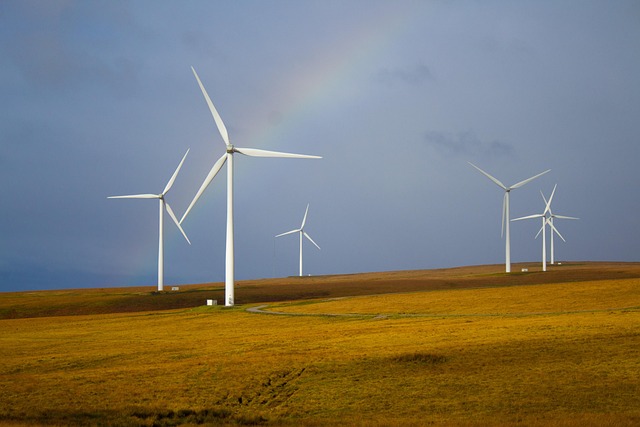
The Design Principles of Axial Wind Turbines
Axial wind turbines are typically categorized into horizontal-axis and vertical-axis types. The horizontal configuration dominates utility-scale applications due to its higher aerodynamic efficiency, while vertical designs suit urban or low-wind settings where turbulence is common. Blade design plays a crucial role: longer blades capture more wind energy but require stronger materials to resist stress. The relationship between rotor diameter and output follows the cubic law—doubling wind speed increases potential power eightfold, emphasizing the importance of site selection.
Operational Mechanics and Energy Conversion
The core mechanism involves converting kinetic energy from the wind into mechanical torque through rotating blades. This torque drives a generator that produces alternating current, often via gearbox coupling for optimal rotational speed. Electrical conversion efficiency hinges on minimizing frictional losses and maintaining stable generator performance across variable winds. High turbulence intensity can reduce output by disrupting laminar flow around the blades, especially in built-up areas.
Assessing Household Energy Requirements in the Context of Wind Power
Residential power demand varies widely, so matching turbine capacity with consumption patterns is crucial for practical deployment.
Typical Energy Consumption Patterns in Modern Homes
A typical modern household consumes between 20–30 kWh per day, depending on climate and appliance use. Heating or cooling loads dominate in extreme weather regions, while lifestyle factors such as electric vehicles or home offices raise baseline usage. Peak demand usually occurs in the evening when lighting and cooking overlap, creating pressure on renewable sources with intermittent generation profiles.
Matching Turbine Output to Household Demand
A small vertical axial turbine rated at 5 kW might generate around 8,000–10,000 kWh annually under average wind speeds of 6 m/s. However, real-world production depends heavily on the capacity factor—the ratio of actual output to theoretical maximum—which typically ranges between 15% and 30% for residential turbines. Balancing intermittent supply requires either grid backup or battery storage to maintain steady power availability during calm periods.
Factors Influencing the Efficiency of Axial Wind Turbines for Residential Use
Efficiency varies not only by turbine design but also by environmental context and operational maintenance quality.
Environmental and Site-Specific Considerations
Wind resource mapping is fundamental before installation. Flat open terrain or coastal zones generally offer better yields than sheltered valleys or urban centers with turbulent airflows. Nearby structures like trees or roofs cause wake effects that lower effective wind speeds. Raising tower height above obstructions significantly improves consistency; even a 10-meter increase can boost annual energy capture by over 20%.
Mechanical and Electrical Efficiency Variables
Losses occur throughout the drivetrain—from bearings and gearboxes to electrical converters. Direct-drive systems eliminate gearbox friction but cost more upfront. Regular maintenance such as lubrication checks or blade inspections prevents long-term degradation that could cut output by several percent annually. Advanced control systems with pitch adjustment help adapt to changing conditions for smoother torque delivery.
Integration with Energy Storage and Hybrid Systems
Energy storage transforms variable wind generation into reliable household electricity by bridging production gaps.
The Role of Battery Storage in Enhancing Reliability
Batteries store excess electricity when winds are strong and discharge during lulls. Lithium-ion units dominate due to high cycle life and compact form factors, though lead-acid remains viable for lower-cost setups. Storage capacity should align with expected generation; typically, one day’s worth of average consumption ensures resilience against short calm periods.
Combining Wind Power with Other Renewable Sources
Hybrid configurations combining solar PV with an axial wind turbine diversify generation across different weather conditions—windier nights complement sunny days. Smart grid interfaces further allow surplus export during high-output periods while drawing from the grid when needed, stabilizing household economics through net metering schemes where available.
Economic Viability and Long-Term Sustainability Considerations
Financial feasibility determines whether residential users adopt small-scale turbines beyond experimental interest.
Cost Analysis of Installation, Operation, and Maintenance
Initial installation costs for residential axial turbines range from $10,000 to $25,000 depending on capacity and tower type. While this exceeds comparable solar PV systems per watt installed, turbines offer longer lifespans—often exceeding 20 years—with minimal fuel costs thereafter. Payback periods vary widely based on local incentives and average wind speeds but can fall within 8–12 years under favorable conditions.
Policy Incentives, Regulations, and Grid Interconnection Standards
Many regions support distributed renewables through net metering programs allowing homeowners to offset consumption with self-generated electricity credits. Certification standards such as IEC 61400 ensure safety and performance compliance for small turbines connecting to public grids. Local zoning laws may restrict tower heights or noise levels; thus regulatory review is essential before installation planning.
Future Outlook for Residential Axial Wind Turbine Technology
Technological progress continues to close performance gaps between small turbines and larger commercial units.
Emerging Innovations in Blade Design and Materials Science
Next-generation composite materials reduce weight while maintaining stiffness, enhancing low-wind responsiveness without structural compromise. Adaptive pitch mechanisms using sensors dynamically adjust blade angles for optimal capture even during gusty conditions—a feature once limited to industrial-scale machines now trickling down to residential models.
Trends Toward Decentralized Energy Production Models
Distributed generation is reshaping how communities approach resilience against grid disruptions. Small axial turbines integrated into neighborhood microgrids could supply shared storage banks or emergency backup circuits during outages. This shift aligns with broader smart grid visions emphasizing localized autonomy alongside centralized infrastructure reliability.
FAQ
Q1: How much wind speed is needed for a vertical axial turbine to generate useful power?
A: Most models start producing at about 3 m/s but reach rated output around 10–12 m/s depending on blade geometry.
Q2: Can a vertical axial turbine operate safely near buildings?
A: Yes, though placement must minimize turbulence; rooftop installations require structural assessment due to vibration loads.
Q3: What maintenance does a residential turbine need?
A: Annual inspection of bearings, bolts, electrical connections, and blade surfaces keeps efficiency stable over time.
Q4: How long do small-scale turbines typically last?
A: With proper care they often exceed two decades before major refurbishment becomes necessary.
Q5: Is combining solar panels with an axial turbine cost-effective?
A: In many cases yes—the complementary generation patterns reduce reliance on storage and improve overall return on investment.