

Are Wind Power Generators Actually Viable at Home? I Tried One, and the Results Blew Me Away
Residential wind power has long been viewed with skepticism, often dismissed as inefficient or impractical for suburban settings. Yet, recent advances in small turbine design and control electronics have changed that narrative. In locations with consistent wind speeds above 5 m/s, home-scale turbines can now deliver meaningful energy contributions—sometimes offsetting 30–70 % of household consumption. The verdict is clear: when sited correctly and paired with proper storage or grid interconnection, residential wind generators can indeed be a viable complement to solar systems.
Evaluating the Efficiency of Residential Wind Generators
The performance of a small wind system depends on far more than rotor size. Aerodynamics, generator type, and local turbulence all shape real-world outcomes.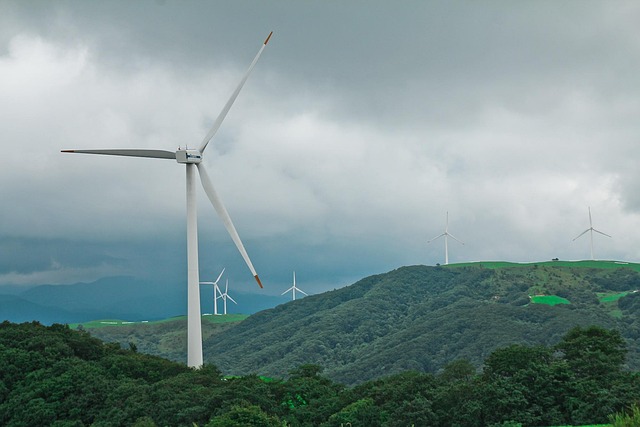
How Residential Wind Generators Work
Small-scale turbines convert kinetic energy from moving air into electricity through rotating blades connected to a generator. The efficiency hinges on how effectively the rotor captures airflow and how smoothly the generator converts mechanical motion into electrical current. Variable-speed control systems are particularly valuable because they maintain optimal tip-speed ratios across fluctuating winds. Power output rises roughly with the cube of wind speed, which means even modest increases in average velocity can double or triple production.
Comparing Residential and Commercial Wind Systems
Utility-scale turbines operate on vastly different parameters. Commercial machines often exceed 100 m hub heights and 80 m blade lengths, while residential units typically stand below 20 m with blades under 5 m. The smaller swept area limits energy capture, but also simplifies permitting and maintenance. Grid integration is more complex for homeowners since net metering rules vary by region and storage adds cost. Nonetheless, modern microinverters and hybrid controllers now make it easier to synchronize small turbines with home solar arrays.
Key Factors Influencing the Efficiency of Home Wind Generators
Before purchasing any wind generators for sale, prospective users must assess both environmental conditions and design parameters that affect yield.
The Role of Wind Resource Assessment
Accurate site evaluation remains essential. Long-term local data—ideally from anemometers placed at planned tower height—helps determine whether average annual speeds justify investment. Directionality also matters: steady prevailing winds outperform turbulent gusts caused by nearby obstacles. Micro-siting adjustments, such as positioning turbines upwind of ridgelines or open fields, can reduce turbulence intensity by over 30 %.
Design Considerations That Affect Output
Every component influences conversion efficiency—from blade geometry to electronic controllers.
Rotor Diameter and Blade Design
Larger rotors intercept more air volume per rotation, boosting potential output but demanding stronger towers and foundations. Blade aerodynamics are equally decisive; modern composite materials allow thinner profiles that raise lift-to-drag ratios while resisting fatigue under cyclic loading.
Generator Type and Power Electronics
Permanent magnet generators dominate new residential designs because they perform efficiently at variable speeds without external excitation losses. Coupled with high-frequency inverters, these systems minimize conversion losses when transforming DC into grid-compatible AC power.
Tower Height and Placement Strategy
Wind speed generally increases logarithmically with height above ground due to reduced surface friction. Towers exceeding 15 m often access smoother flows that enhance capacity factors by up to 25 %. Conversely, proximity to trees or buildings introduces wake effects that slash efficiency through increased turbulence.
Economic Viability of Residential Wind Energy Systems
Financial feasibility depends on installation scale, local tariffs, incentives, and maintenance expectations.
Cost Breakdown of Small Wind Installations
Typical home setups range between USD 10 000–30 000 including turbine hardware, tower erection, inverter equipment, wiring, and labor. Ongoing costs arise from bearing lubrication every few years and periodic inspection of electrical connections or yaw mechanisms.
Payback Periods and Return on Investment
Payback varies widely—from under ten years in windy coastal zones to beyond twenty in low-wind inland sites. High retail electricity prices shorten ROI timelines significantly when combined with feed-in tariffs or renewable tax credits offered in many jurisdictions.
Comparing Wind Power with Other Residential Renewables
Solar photovoltaics tend to win on simplicity: fewer moving parts mean lower upkeep. Yet wind complements solar well because its generation profile peaks at night or during winter months when sunlight wanes. Hybrid systems smooth seasonal variability while improving self-consumption rates.
Environmental and Technical Considerations in Home Applications
Beyond economics lies the question of neighborhood compatibility—noise perception, aesthetics, and regulatory acceptance all influence adoption rates.
Noise Levels and Aesthetic Impact
Modern small turbines employ pitch-controlled blades that reduce aerodynamic noise below typical background levels at distances beyond 40 m. Nevertheless, tonal frequencies can still bother sensitive residents if improperly aligned or poorly maintained. Visually integrating slender monopole towers into landscapes remains an architectural challenge but not an insurmountable one.
Grid Connection and Energy Storage Integration
Reliable operation requires thoughtful integration whether tied to the grid or running autonomously off-grid.
On-grid vs Off-grid Configurations
Grid-tied systems export surplus electricity via net metering where allowed; this arrangement effectively uses the utility as virtual storage. Off-grid configurations depend entirely on batteries or hybrid links with diesel backup for continuity during calm periods.
Battery Storage Compatibility
Lithium-ion batteries pair effectively with variable wind generation thanks to their high cycle life and rapid charge acceptance rates. Smart charge controllers now regulate voltage spikes during gusts to prevent overcharging—a common issue in earlier designs using lead-acid banks.
Future Developments in Residential Wind Technology
Innovation continues rapidly as manufacturers refine both materials science and digital controls.
Innovations Enhancing Efficiency and Reliability
Lightweight carbon-fiber composites cut structural mass while maintaining stiffness against bending loads. Adaptive pitch mechanisms adjust blade angles automatically under changing winds to sustain optimal torque without manual tuning. Artificial intelligence monitoring platforms analyze vibration signatures to predict bearing wear before failure occurs—a leap toward true predictive maintenance for homeowners.
Policy Support and Market Trends
Government programs increasingly recognize distributed generation’s role in grid resilience. Tax rebates for domestic renewables narrow cost gaps between small wind units and rooftop solar modules whose prices have fallen sharply since 2010. Emerging community microgrids further expand opportunities for shared ownership models where clusters of homes co-invest in localized generation assets.
FAQ
Q1: What is the ideal average wind speed for a home turbine?
A: Most residential systems require sustained speeds above 4–5 m/s at hub height to operate efficiently throughout the year.
Q2: How long do small wind turbines typically last?
A: With proper maintenance—mainly lubrication and periodic inspection—they can function reliably for 15–20 years before major overhaul is needed.
Q3: Can a home turbine power an entire house?
A: In windy regions yes; otherwise it usually supplements grid supply alongside solar panels rather than fully replacing it.
Q4: Are there zoning restrictions on installing residential turbines?
A: Many municipalities impose height limits or setback requirements; checking local ordinances before purchase is essential.
Q5: Where can consumers find reliable wind generators for sale?
A: Certified distributors specializing in renewable energy equipment often provide tested models compliant with IEC standards for safety and performance.