
Why Americans Are Installing Wind Turbines for Home Energy
Rising electricity prices, frequent grid disruptions, and a growing environmental conscience have made wind chargers for homes an increasingly attractive option. Across the United States, homeowners are turning to small-scale wind systems not only to cut energy costs but also to gain independence from centralized utilities. The combination of improved turbine technology, supportive policy incentives, and hybrid renewable setups has positioned residential wind power as a practical complement to solar energy. This shift marks a broader trend toward distributed generation and localized resilience in the clean energy transition.
The Growing Appeal of Wind Chargers for Residential Use
The move toward home-based wind generation reflects both economic necessity and environmental responsibility. As utility rates climb and climate goals tighten, residential users are exploring diversified renewable sources that can operate day and night.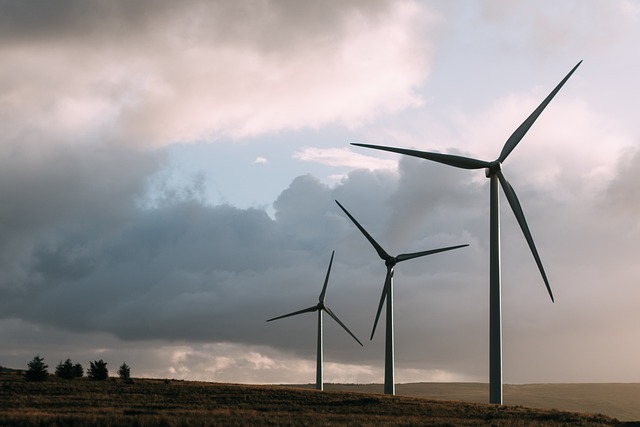
Shifting Trends in Home Energy Generation
Increasing energy costs are compelling households to explore renewable options that stabilize long-term expenses. Wind chargers for homes fill a critical gap by producing electricity during cloudy or nighttime conditions when solar panels underperform. Modern designs now allow turbines as small as two kilowatts to serve suburban properties effectively. Innovations in blade geometry and low-noise generators have made these systems suitable even for moderate-wind regions, broadening their appeal beyond coastal or rural zones.
Policy and Economic Drivers Behind Adoption
Federal tax credits under programs like the Investment Tax Credit (ITC) cover a significant portion of installation costs, while many states offer rebates or property tax exemptions. Net metering policies further enhance returns by allowing homeowners to sell surplus power back to the grid at retail rates. The steady decline in turbine component prices—particularly composite blades and permanent-magnet generators—has shortened payback periods, making residential wind a financially viable investment rather than an experimental choice.
Technological Foundations of Residential Wind Chargers
Residential wind systems rely on compact but sophisticated engineering principles similar to those used in utility-scale turbines. Their evolution reflects decades of research into aerodynamics, materials science, and electronic control systems.
Understanding the Mechanics of Small Wind Turbines
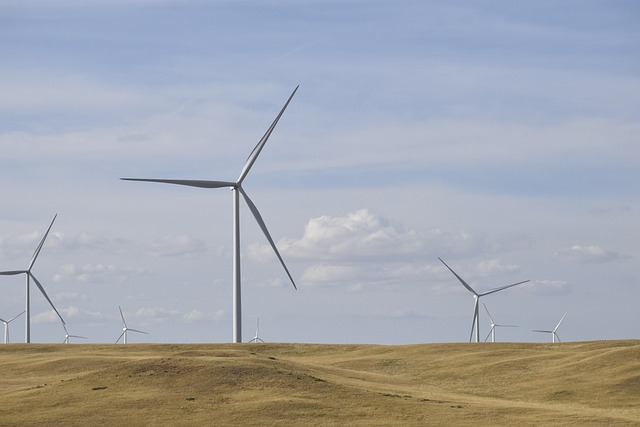
A typical home turbine includes blades connected to a rotor that drives a generator through either direct drive or gearbox coupling. The tower elevates the turbine above ground turbulence, while controllers regulate voltage output and protect against overloads. Vertical-axis models perform well in turbulent urban airflows, whereas horizontal-axis designs dominate open landscapes with consistent winds. Newer materials such as carbon fiber composites reduce weight and extend lifespan by minimizing fatigue stress in variable conditions.
Integration with Home Energy Systems
Many installations now combine wind with rooftop solar arrays or lithium-ion battery banks to create hybrid microgrids. Smart inverters coordinate electricity flow between sources, ensuring stable voltage whether feeding household circuits or exporting power externally. Advanced monitoring platforms provide real-time analytics accessible via mobile apps, enabling users to track performance metrics such as capacity factor and daily yield without specialized equipment.
Assessing Site Suitability and Performance Factors
Before installing any turbine, site evaluation remains crucial since local geography directly determines energy output potential.
Evaluating Wind Resource Potential at the Residential Level
Accurate measurement of average wind speed over time is essential for predicting production levels. Factors like elevation, nearby buildings, trees, or terrain roughness can significantly alter airflow patterns. Computational modeling tools based on meteorological datasets help estimate annual generation capacity within a few percentage points of actual performance once installed.
Installation Considerations and Technical Constraints
Optimal tower height typically ranges from 30 to 80 feet depending on local zoning laws and visual preferences. Taller towers capture stronger winds but increase structural cost and permitting complexity. Noise emissions have been reduced through aerodynamic refinements; however, proximity to neighbors still requires careful planning. Routine maintenance access—especially lubrication checks and blade inspection—affects reliability over decades of service life.
Economic Implications of Home Wind Power Adoption
The financial side of residential wind involves balancing upfront capital against long-term savings from reduced grid reliance.
Cost-Benefit Analysis of Residential Wind Systems
Initial expenses include hardware procurement, site preparation, electrical interconnection fees, and regulatory permits. Payback duration depends heavily on regional electricity tariffs and average wind speeds; some installations achieve breakeven within ten years under favorable conditions. Once amortized, ongoing operational costs remain minimal compared with fossil-based alternatives.
Financial Incentives and Market Dynamics
Federal incentives currently offset up to 30% of qualified expenditures through direct tax credits. Several states supplement this with grants or low-interest financing programs targeting rural electrification or sustainable housing initiatives. As adoption grows, manufacturers compete on efficiency ratings rather than size alone—driving further innovation across the small-turbine sector.
Environmental and Energy Independence Outcomes
Beyond economics, home-scale wind generation contributes meaningfully to sustainability goals by decentralizing clean power production.
Reducing Carbon Footprints Through Distributed Generation
Each installed turbine displaces grid electricity often derived from natural gas or coal plants, cutting household emissions substantially over its lifetime. When adopted collectively across communities, distributed turbines expand renewable capacity without requiring new transmission infrastructure—a quiet yet powerful form of climate action at the neighborhood level.
Enhancing Energy Security at the Household Level
By generating power onsite, homeowners reduce vulnerability during blackouts caused by storms or grid failures. Hybrid systems combining batteries maintain lighting and refrigeration during extended outages—a practical advantage increasingly valued after recent extreme weather events across North America.
Future Directions in Residential Wind Technology Development
Rapid advances suggest that home-scale turbines will soon integrate seamlessly into intelligent energy networks designed around flexibility rather than centralized supply models.
Emerging Innovations in Design and Efficiency Enhancement
Research teams are refining blade aerodynamics using computational fluid dynamics to boost performance at lower cut-in speeds below 4 m/s—ideal for inland U.S. regions with mild breezes. Lightweight alloys further decrease mechanical wear while AI-driven controllers predict maintenance needs before faults occur.
The Evolving Role of Distributed Wind in Smart Grids
As smart grids mature under IEEE interoperability standards, residential turbines will communicate bidirectionally with utilities for real-time load balancing alongside solar PV arrays. Policymakers are already drafting frameworks that treat microgeneration assets as active participants rather than passive consumers within regional planning models—a shift likely to define the next decade’s energy landscape.
FAQ
Q1: How much electricity can a typical home wind charger produce?
A: A small residential turbine rated between 2–10 kW can generate roughly 300–1500 kWh per month depending on average wind speed and tower height.
Q2: Are wind chargers for homes noisy?
A: Modern designs use advanced blade profiles that keep noise levels comparable to ambient outdoor sounds like rustling leaves at 40–50 dB measured near the base.
Q3: What maintenance do these systems require?
A: Annual inspections usually cover bolt tightening, lubrication checks, brake function testing, and occasional cleaning; major servicing is rare if components meet IEC durability standards.
Q4: Can urban homeowners install small turbines legally?
A: Many cities permit them under conditional-use zoning with limits on tower height; compliance with local building codes is mandatory before installation begins.
Q5: How do hybrid solar-wind systems benefit households?
A: They balance seasonal variations—solar excels during summer daylight hours while wind often peaks at night or winter months—providing steadier year-round self-generation capacity.