
Is Nuclear Energy Clean (And Are We Ready For It)?
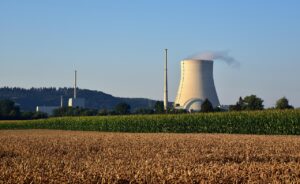
Nuclear energy is often described as clean because it produces minimal direct carbon emissions. Yet, whether it truly qualifies as “clean” depends on how one measures environmental impact across its entire lifecycle. When compared with fossil fuels, nuclear power drastically reduces greenhouse gas emissions. However, challenges such as radioactive waste and high capital costs remain. As global decarbonization accelerates, nuclear energy stands at a crossroads—technically capable of supporting sustainability goals but politically and socially contested.
Understanding the Concept of Clean Energy in the Context of Nuclear Power
The term “clean energy” has evolved beyond the absence of smoke or soot. In modern energy policy, it refers to sources that minimize greenhouse gas emissions, pollutants, and ecological disruption throughout their lifecycle.
Defining What Constitutes “Clean” Energy
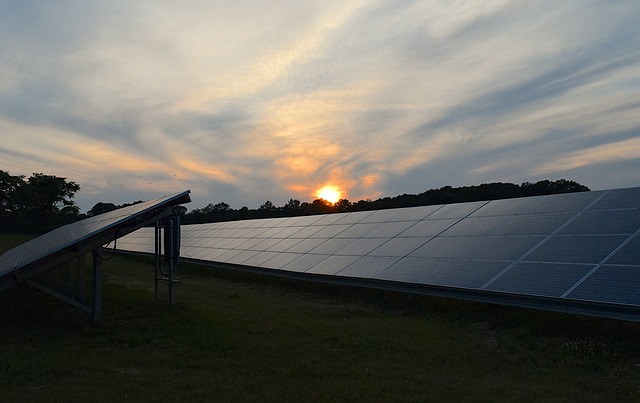
Energy is considered clean when its production emits little or no carbon dioxide and minimizes ecosystem damage. Renewable sources like wind and solar meet this definition through their zero-emission operation. Nuclear power also fits, though its cleanliness is debated due to uranium mining and waste management issues. Fossil fuels, by contrast, release large volumes of CO₂ during combustion, making them inherently non-clean despite advances in carbon capture.
Comparison Between Nuclear, Renewable, and Fossil Fuel-Based Energy Systems
Renewables depend on natural flows—sunlight, wind, water—while nuclear relies on atomic reactions. Both outperform coal and gas in emission intensity: the Intergovernmental Panel on Climate Change (IPCC) estimates nuclear’s lifecycle emissions around 12 gCO₂/kWh versus coal’s 820 gCO₂/kWh. Yet renewables face intermittency problems that nuclear can offset through stable baseload generation.
The Role of Lifecycle Emissions in Evaluating Cleanliness
Lifecycle analysis includes extraction, construction, operation, and decommissioning phases. For nuclear plants, most emissions arise from fuel processing and infrastructure rather than electricity generation itself. This holistic view positions nuclear closer to renewables than to fossil fuels in terms of total environmental burden.
Evaluating Nuclear Energy’s Carbon Footprint
Assessing nuclear’s true carbon footprint demands examining every stage—from mining to waste storage—rather than focusing solely on reactor operation.
Analysis of Greenhouse Gas Emissions Across Uranium Mining, Plant Operation, and Decommissioning
Uranium mining emits CO₂ through equipment use and ore transport. Once operational, reactors produce negligible direct emissions. Decommissioning adds temporary spikes due to dismantling heavy infrastructure but remains small compared with fossil fuel life cycles.
How Nuclear Compares With Solar, Wind, and Hydroelectric Power in Total Emissions
Nuclear’s average lifecycle emissions rival those of wind (11 gCO₂/kWh) and are lower than solar photovoltaic systems (45 gCO₂/kWh). Hydropower varies widely depending on reservoir methane release but typically aligns with low-carbon classification.
The Impact of Technological Advancements on Reducing Nuclear’s Carbon Intensity
Modern enrichment techniques like centrifuge technology have cut energy use dramatically compared with older gaseous diffusion methods. Advanced reactor designs further reduce material intensity per megawatt generated.
The Role of Nuclear Energy in Achieving Sustainability Goals
As nations commit to net-zero targets under frameworks like the Paris Agreement, nuclear energy emerges as a critical complement to renewables for maintaining reliable supply during decarbonization transitions.
Alignment With Global Climate and Energy Targets
Nuclear power supports emission reduction commitments by providing consistent low-carbon output that offsets fossil generation during renewable shortfalls. Countries such as France demonstrate how sustained nuclear investment can yield among the lowest grid carbon intensities worldwide.
Integration of Nuclear Into National Decarbonization Strategies
Several governments include new reactor projects or lifetime extensions within their 2050 roadmaps. For instance, Japan’s Green Transformation initiative reinstates nuclear capacity alongside offshore wind expansion to stabilize supply while cutting emissions.
The Contribution of Nuclear Baseload Capacity to Grid Stability in Renewable-Heavy Systems
Wind and solar fluctuate with weather patterns; baseload nuclear plants provide continuous output that prevents grid instability or reliance on backup fossil units during calm or cloudy periods.
Long-Term Resource Efficiency and Waste Management
Beyond carbon metrics lies another sustainability dimension: resource stewardship over centuries rather than decades.
Overview of Uranium Resource Availability and Recycling Potential
Global uranium reserves could sustain current consumption for more than a century at today’s rates. Breeder reactors can extend this timeline by reusing spent fuel to extract additional fissionable material.
Advances in Reprocessing Spent Fuel to Minimize Waste Volume
Modern reprocessing facilities recover plutonium and uranium from used fuel rods for reuse in mixed oxide (MOX) fuel. This process cuts high-level waste volume by up to 70%, though economic viability varies by region.
Emerging Technologies for Long-Term Storage and Containment Solutions
Deep geological repositories such as Finland’s Onkalo project illustrate practical progress toward permanent containment using engineered barriers designed for millennia-long stability.
Technological Innovations Driving Cleaner Nuclear Systems
Innovation defines whether future nuclear systems will be cleaner not just in emissions but also in safety and efficiency terms.
Next-Generation Reactor Designs and Their Environmental Impact
Small Modular Reactors (SMRs) offer scalable deployment with passive safety features reducing meltdown risk. Generation IV concepts aim for higher thermal efficiency while producing less long-lived waste through closed fuel cycles.
Integration of Advanced Cooling Systems to Reduce Water Consumption and Thermal Pollution
Dry cooling technologies replace traditional once-through water systems, cutting freshwater use—a growing concern amid climate-induced droughts near plant sites.
Fusion Energy as a Future Clean Power Source
Fusion promises nearly limitless clean energy if technical hurdles are overcome.
Key Differences Between Fission and Fusion in Terms of Safety and Waste Generation
Unlike fission reactors splitting heavy atoms, fusion combines light nuclei without chain reactions or long-lived radioactive residues—a major environmental advantage if commercialized successfully.
Current Progress in International Fusion Projects Like ITER
The ITER project in France aims to demonstrate net-positive fusion power within the next decade using deuterium-tritium plasma confinement technology supported by over thirty nations’ collaboration under strict international safety standards (IEC).
Potential Scalability and Economic Feasibility of Commercial Fusion Power
Although still experimental, private ventures are accelerating magnet design improvements that could lower cost barriers before mid-century commercialization becomes plausible.
Addressing Environmental and Safety Concerns Surrounding Nuclear Energy
Public skepticism about radiation hazards remains strong despite decades of improved safety design guided by international regulatory frameworks such as IAEA standards.
Mitigating Risks Associated With Nuclear Accidents and Radiation Exposure
Modern plants employ redundant containment layers preventing core exposure even under extreme conditions. Lessons from Chernobyl and Fukushima reshaped emergency planning protocols emphasizing passive cooling resilience without external power reliance.
Public Perception Versus Scientific Assessment of Radiation Risks
While public fear often exaggerates exposure effects, scientific consensus holds that radiation doses near properly managed facilities remain far below harmful thresholds established by WHO guidelines.
Managing the Ecological Footprint Beyond Carbon Emissions
Nuclear facilities occupy relatively small land areas compared with equivalent renewable installations yet still influence local ecosystems during construction phases requiring careful mitigation planning aligned with ISO environmental management standards (ISO 14001).
Economic Viability and Policy Frameworks for a Sustainable Nuclear Future
Economic competitiveness determines whether nations pursue new build programs or rely solely on renewables plus storage solutions for decarbonization pathways.
Evaluating the Cost Competitiveness of Nuclear Power
Though upfront capital costs are high—often exceeding $6 billion per gigawatt—long operational lifespans yield low marginal generation costs comparable to hydroelectric facilities once amortized over decades.
The Influence of Government Subsidies, Carbon Pricing, and Market Incentives on Competitiveness
Carbon pricing mechanisms enhance nuclear economics by internalizing fossil externalities; similarly, loan guarantees reduce financing risks enabling private participation under stable policy regimes consistent with IEA recommendations.
Policy Support for Integrating Nuclear Into Sustainable Energy Systems
National frameworks increasingly promote advanced reactor R&D partnerships bridging public funding with private innovation ecosystems modeled after aerospace sector consortia structures observed under OECD coordination programs encouraging standardized licensing harmonization across jurisdictions (IAEA–OECD NEA joint initiatives).
The Synergy Between Nuclear Power and Renewable Energy Sources
A balanced clean grid blends reliability from nuclear baseloads with flexibility from renewables—a synergy central to sustainable electrification strategies worldwide.
Complementary Roles in a Decarbonized Grid
Hybrid systems coupling SMRs with hydrogen electrolysis units allow surplus heat utilization improving system-wide efficiency while stabilizing intermittent renewable output fluctuations across smart grids monitored via IEEE-compliant digital control architectures enhancing resilience against demand surges or outages caused by variable weather inputs affecting solar PV farms or offshore wind clusters alike.
Pathways Toward a Balanced Clean Energy Mix
Scenario modeling by IRENA shows achieving net-zero requires diversified portfolios combining renewables growth with extended-life reactors ensuring firm capacity coverage through transitional decades until large-scale storage becomes universally economical at grid scale parity levels anticipated post-2040 under BloombergNEF projections tracking declining battery cost curves intersecting baseload parity thresholds globally observed within Pwrcell market trend analyses linking price trajectories directly influencing hybrid deployment strategies aligning both sectors toward unified clean energy objectives supporting sustainable industrial electrification agendas across continents today labeled collectively as “energy clean” transformation momentum shaping twenty-first-century power economics fundamentally shifting global investment flows toward integrated low-carbon infrastructures sustaining long-term planetary climate stability ambitions shared internationally since Paris ratification milestones achieved earlier this decade driving renewed confidence across institutional finance circles evaluating risk-adjusted returns within evolving regulatory landscapes emphasizing transparency accountability safety innovation continuity simultaneously advancing collective human prosperity metrics beyond pure emission accounting paradigms redefining what truly constitutes clean energy readiness worldwide now entering decisive implementation phase demanding pragmatic cooperation between all stakeholders involved globally alike.
FAQ
Q1: Is nuclear energy completely emission-free?
A: No. While reactor operations emit almost no CO₂ directly, upstream processes like mining and construction contribute minor lifecycle emissions comparable to renewables such as wind or hydroelectric power.
Q2: How does nuclear waste affect its classification as clean?
A: Long-lived radioactive waste presents storage challenges but does not produce ongoing atmospheric pollution; advanced reprocessing reduces both volume and hazard duration significantly.
Q3: Are Small Modular Reactors safer than traditional ones?
A: Yes. SMRs use passive safety systems relying on natural convection rather than active pumping mechanisms, lowering accident probabilities substantially compared with legacy designs.
Q4: Can fusion replace fission soon?
A: Not yet commercially; demonstration projects like ITER aim for proof-of-concept before 2035 though private sector prototypes may accelerate timelines depending on funding continuity.
Q5: Why is public opinion divided about nuclear despite its low emissions?
A: Historical accidents shaped lasting fear perceptions even though modern plants meet stringent international safety standards verified through independent audits ensuring minimal radiation risk exposure under normal conditions.