
The combination of solar panels and battery storage signals a major shift in today’s renewable energy systems. Experts in the area view it as much more than just producing power from the sun. It centers on holding onto that power in a smart way and directing it effectively. This piece dives into the core technical aspects, how it performs, and the everyday parts that keep this blended energy solution running smoothly. Sometimes, folks forget how these setups fit into daily life, but they really do make a difference in cutting energy worries.
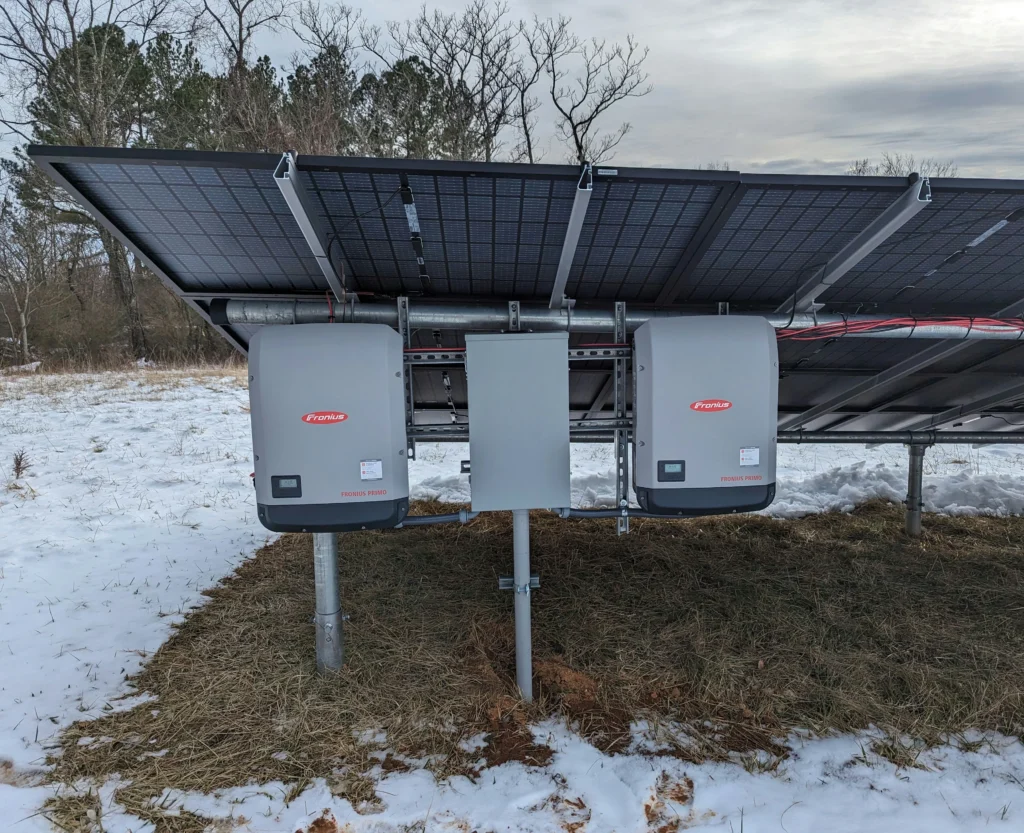
How Do Solar Panels with Battery Storage Work?
You need to understand the basics before getting into how well these setups run. Photovoltaic (PV) panels pair up with batteries to make electricity when the sun shines. They grab extra power for use later, like at night or in power failures. Because of this, the whole thing turns irregular solar energy into a steadier supply of electricity. It’s straightforward, yet it solves real problems for many homes.
System Components and Configuration
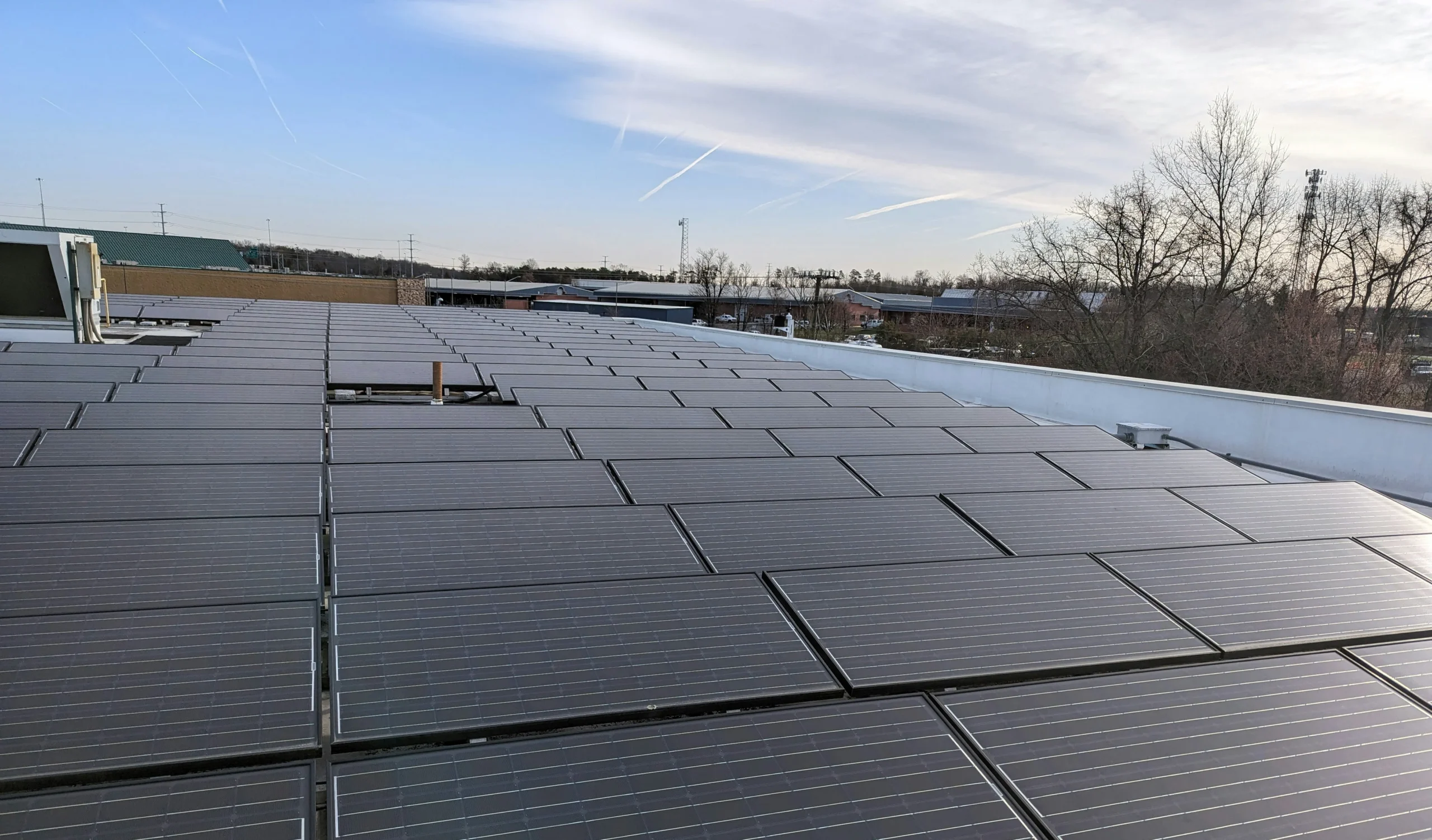
A basic system has PV modules, an inverter, a charge controller, and at least one battery. The panels change sunlight into direct current (DC) power. After that, this DC can run devices right away. Or it can go into storage after turning into alternating current (AC). Types of batteries, such as lithium-ion, lead-acid, or flow, affect how well it works, the total price, and how long it holds up. Take a regular house installation, for example. Picking lithium-ion usually leads to less need for swaps down the line. Installers share stories from on-site jobs that back this up over many years.
Energy Flow and Control Mechanism
The control part sets when the battery fills up or lets out power. It takes into account things like home needs, the state of the grid, and how bright the sun is. Plus, clever controllers keep a fair balance between using power right there and sending it out to the grid. In setups linked to the grid, extra electricity flows back through net metering pacts. All this movement helps keep the system steady. It shines on days with changing weather, where sunlight pops in and out.
Integration with Grid Infrastructure
Once hooked to the grid, solar panels with battery storage bring benefits like easing high-demand times and shifting when energy gets used. In periods of big need, the saved power cuts down on drawing from the main supply. Places not on the grid gain from proper planning, which keeps things going even with little sun. Think about a far-off farm in rural spots. Such a system keeps the lights on without constant generator use. Real-world cases show farmers in rural India slashing fuel expenses by 50 percent, as noted in area energy studies. That kind of saving adds up quickly for small operations.
What Are the Key Performance Indicators for These Systems?
To figure out how well a system works, you look at several main numbers. They show if it’s trustworthy and makes good money sense. Engineers often check data on power output and full reviews of its life to gauge the true value. These reviews catch weak points before they grow. It’s not always perfect, but close monitoring pays off.
Conversion Efficiency
Efficiency tells you what share of sunlight becomes power you can actually use. Newer monocrystalline panels hit about 20–22 percent in regular lab tests. For batteries, the back-and-forth efficiency sits between 85–95 percent in lithium-ion types. So, it shapes the total energy the system gives. In normal situations, like a sunny roof in California, you get numbers close to that on clear days. Dust buildup or wrong tilts might shave off one or two percent, though. Technicians handle this with easy fixes, a routine part of the job.
Capacity Factor and Utilization Rate
Capacity factor compares what the system really makes to its top possible amount over some time. Bright spots like Arizona or southern Spain get 18–25 percent factors. How panels point and any shadows matter a lot. The utilization rate tracks how often the battery steps in, which changes with daily patterns. A household running gadgets at night could have better rates than a business busy in the day. Across 12 months, these differences lead to real cuts in costs. It’s one of those details that surprises new users.
Degradation Rate Over Time
Solar modules wear down slowly, roughly 0.5 percent each year for good makes. Batteries drop off faster because of all the charge cycles. Lithium-ion ones keep about 80 percent after 10 years if you watch the heat. In hotter zones, things speed up without air flow, so checks are key. Field knowledge from the trade points out that extra fans or covers add a few years in warm places. Simple steps like that make a noticeable difference over time.
Why Is Battery Storage Critical in Solar Applications?
Battery storage fixes a key problem with solar power. That problem is its tie to sunny hours. Without it, extra power from noon would just vanish. Nighttime use would rely on other sources. But storage flips that around entirely. It makes the whole setup more practical for everyday demands.
Energy Independence
Saving extra from the day for later cuts links to power companies. This freedom matters a ton in out-of-the-way places, like mine sites or neighborhood power shares. Steady electricity there keeps tasks moving without stops. It works like a built-in plan B. Cabins way up in the Rockies, say, power everything on their own this way. No more expensive fuel hauls, which saves headaches and cash.
Grid Stability Contribution
Storage spread around helps hold the grid even. It takes in too much power or puts it out fast when things swing. Power providers give rewards via plans that pay back for help. In busy city areas, it softens sharp evening pulls. Think of hot summer days; it stops big outages, like what happened in Texas lately. Those events underline how useful this can be on a larger scale.
Backup Power Capability
Batteries allow quick switches for houses or firms when the power drops. For vital spots like hospitals or server rooms, it means no breaks in service. Picture a quick storm rolling in. The system kicks on without a pause, avoiding damage. Business owners say this part alone covers the upfront price, thanks to faster claims on insurance. It’s a smart move for peace of mind.
How Does Climate Affect System Performance?
Area weather has a strong pull on how solar creates power and batteries behave. Shifts in temperature tweak voltage and what happens inside the cells. Local traits make it tricky, throwing in extra hurdles. You have to plan around these to keep things running well.
Temperature Sensitivity
PV cells do best near 25°C. Warmer air drops voltage a bit from how the stuff inside reacts. Colder times lift output, but batteries might hold back without warmth. During Midwest snow times, panels clear fast. Batteries still need shields from the chill. Canadian fitters commonly fit warm boxes, lifting cold-weather results by 10-15 percent in trials. That tweak turns harsh winters into manageable ones.
Irradiance Variability
Cloudy cover lowers right-away power. Yearly counts stay firm, though, with enough scattered rays. Tracker-equipped systems shift panels to fight off low seasons. Wet areas like Seattle gain from steady buildup of dim sun. On misty mornings, production stays at half max, covering simple home wants. It shows how flexible these can be, even in less ideal spots.
Humidity and Dust Accumulation
Coastal or dry regions see dampness or grit covering panels. Without care, light drops by a few percent yearly. Cleaning on a schedule stops that, but lots skip it and lose out. A basic wash every two months boosts output a lot in dusty Texas spots. Florida shore folks note salt layers trim efficiency by 5 percent when left alone. Annual looks fix it easily, keeping things on track.
What Are the Economic Considerations of Adopting Such Systems?
Costs for the tech have come down a good deal in the last 10 years. Choices hinge on payback periods and local helps. Initial outlays mix with steady gains. It’s a balance worth weighing for long-term users.
Capital Expenditure Breakdown
Costs split as modules (30 percent), batteries (40 percent), inverters (10 percent), work (15 percent), and extras (~5 percent). Place-to-place changes come from moving and taxes. An ordinary home job could run $20,000, but aids trim it down. European spots face 10-20 percent more from imports. Home building evens some of that, making it fairer.
Operational Savings Over Time
Upsides cover lower bills and maybe money from grid aid. Home systems get back costs in 7–10 years, based on local rates. Parts of Europe with steep prices rebound quicker as fuels climb. In 15 years, one could pocket $30,000 plus, counting skipped highs and sales back. Numbers like that draw in more folks each year.
Incentives and Policy Support
Rulers offer cuts or steady pays to push use—for example, the U.S. Investment Tax Credit handles up to 30 percent of fitting costs linked to renewables (source: U.S. Department of Energy). Helps like this ease the start for little businesses trying it out. Down under in Australia, matching plans have boosted setups twofold in five years, from official stats. Growth like that points to wider changes ahead.
How Are Future Trends Shaping Solar-Battery Technologies?
Ongoing work pushes new stuff, watching methods, and joining ways. It lifts how parts work as one. Things look hopeful, though getting them out takes a while. Excitement builds as pieces fall into place.
Advanced Battery Chemistries
Solid-state kinds might store more power and stay safer than regular lithium-ion. Building them big is hard, so they are not common yet. First runs hint at gains for longer uses in cars. Japanese labs lead the charge, with test units at 30 percent higher pack than now. That jump could change travel for good.
Artificial Intelligence in Energy Management
Smart programs watch habits to pick charge slots on their own. They cut down on use and raise local power take all year. Tools today guess weather to get ready, like filling before gray skies. Smart houses see 20 percent less throwaway, from trial user notes. Handy features keep popping up to fit real lives.
Hybrid Renewable Integration
Linking solar to wind or hydrogen makes strong small networks that stand up to bad weather. Use grows in major works across Europe and Asia-Pacific (source: International Renewable Energy Agency Report 2023). Aussie cases show better dry spell management than just solar alone. Hybrids hit 90 percent run time often, a solid win for far areas. Blends like these build trust in cleaner power sources.
FAQ
Q1: What Is the Average Lifespan of a Solar Panel?
A: Most high-quality panels last around 25–30 years before output falls below 80% of rated capacity according to manufacturer warranties. That length fits well with plans that go far into the future for lots of people.
Q2: How Long Do Batteries Last in Such Systems?
A: Lithium-ion batteries typically endure 4,000–6,000 cycles—equivalent to about 10–15 years depending on depth of discharge patterns. Gentler pulls each day help make that time longer.
Q3: Can These Systems Operate During Power Outages?
A: Yes, if configured with islanding capability; otherwise grid-tied systems shut down automatically for safety during outages unless paired with backup circuitry. Rules for safety demand this setup.
Q4: Are Solar Panels with Battery Storage Suitable for Cold Climates?
A: They are effective when designed correctly; insulation heaters prevent low-temperature battery degradation while snow reflection can even boost panel output temporarily. Bounced light in winter adds a nice surprise.
Q5: What Maintenance Is Required Annually?
A: Routine inspection includes cleaning panels twice yearly, checking inverter firmware updates, verifying cable connections for corrosion, and monitoring battery health metrics via management software interfaces. Skipping these lets small troubles build up slowly.