
A power storage battery is no longer just an extra item on a renewable energy quote. For companies that sell, build, or buy solar and wind systems, storage can help use more solar power on site, cut peak demand, keep important loads running, and make changing output easier to control.
This is not just a sales line from the market. According to the International Energy Agency report Batteries and Secure Energy Transitions, published in 2024, battery storage in the power sector was the fastest-growing commercially available energy technology in 2023, with global additions reaching 42 GW. That number is large, but the buying work still comes back to basic project questions: how much power, how many hours, which chemistry, what safety standard, and what payback route?
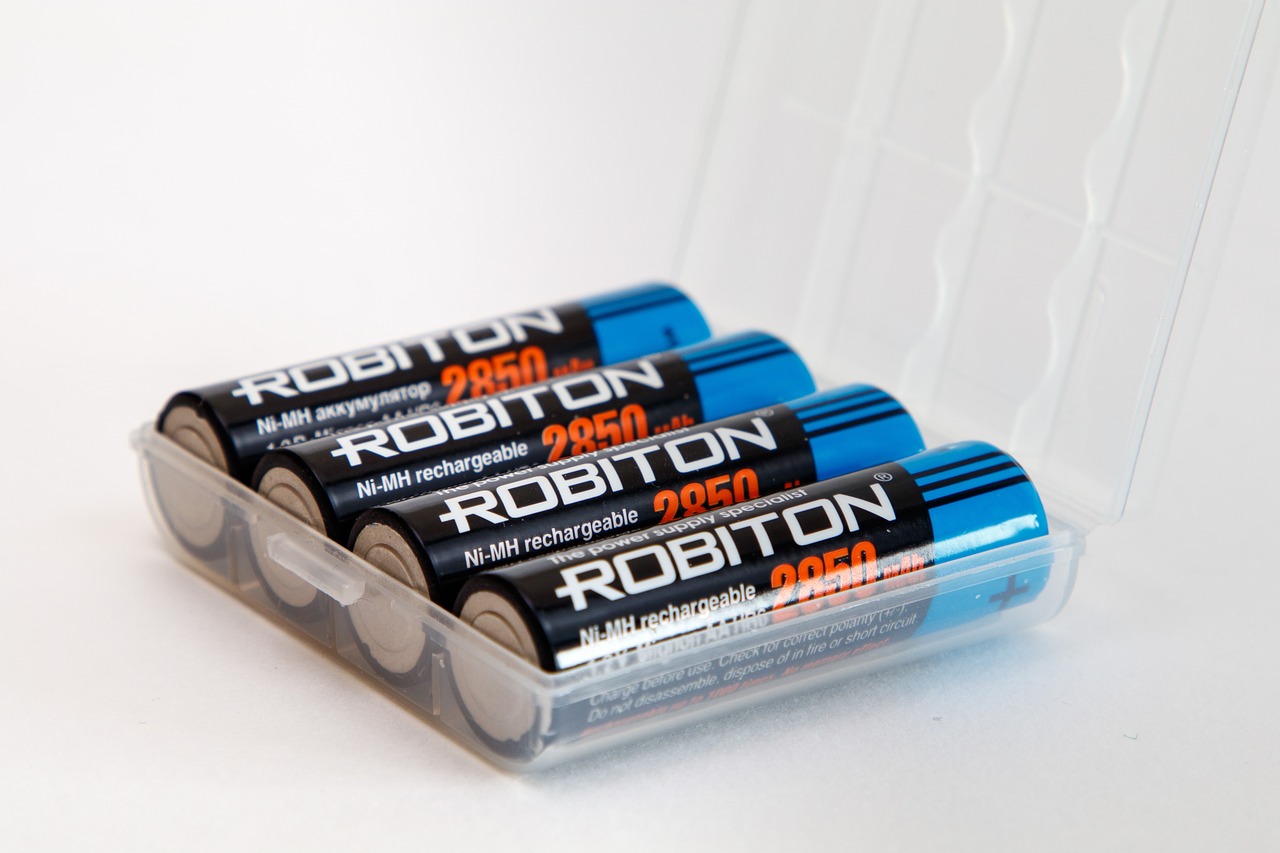
What Is a Power Storage Battery and Why Does It Matter?
A power storage battery stores electricity and sends it back when the site, equipment, or grid needs it. It sounds simple, almost like a large power bank, but the value is in the control. You are not only storing electricity. You are moving energy from one time to another, reducing operating risk, and helping renewable power act in a more stable way.
Stored Electricity for Later Use
The basic job is to charge when power is available and discharge when power is worth more. In a solar project, this can mean charging around noon and supplying loads after sunset.
In a factory, the same battery may help avoid a high demand peak when compressors, pumps, and HVAC start at the same time. That kind of short peak may only last a few minutes, but it can affect the whole billing period.
Fast Response for Grid Needs
Battery systems respond in milliseconds, which is much faster than many mechanical generators. This fast reaction makes them useful for frequency support, voltage support, ramp control, and short backup power.
For a site manager, the result is not always dramatic on paper, but it is easy to notice during operation. There are fewer dips, power quality is cleaner, and load changes put less stress on the site.
A Practical Bridge for Renewable Energy
Solar and wind output do not always match the time when people use power. Storage helps reduce that gap and makes the project easier to run.
The IEA also stated in 2024 that global energy storage capacity would need to rise sixfold to about 1,500 GW by 2030 to support major renewable growth targets. The point is simple: without storage, many renewable projects cannot use all the value they produce.
How Does a Power Storage Battery Work in Real Projects?
A complete battery energy storage system is more than cells placed in a cabinet. In most projects, you will see battery racks or modules, a battery management system, a power conversion system, thermal control, fire protection design, and an energy management system. When these parts are matched properly, the system is much easier for the owner to operate.
Charge from Solar, Wind, or the Grid
You can charge from a PV array, wind turbine, diesel generator, or the grid. The right source depends on tariffs, site layout, and the job the battery has to do.
A warehouse may charge from rooftop solar during the day and use that power later. A remote telecom site may use solar first, while keeping a generator ready for long cloudy periods.
Discharge during Peaks and Outages
Discharge timing is where much of the value comes from. If your tariff has high demand fees, the battery can discharge during short peaks and reduce the charge.
If the local grid is weak, it can keep lighting, IT equipment, safety systems, or process controls online. Not every load needs backup, so the better choice is usually to protect the loads that would cause the biggest loss if they stopped.
Control through PCS, EMS, and BMS
The PCS converts DC battery power to AC power. The EMS decides when the system should charge or discharge, and the BMS checks cell voltage, temperature, current, and state of charge.
These three layers are often where low-cost systems show problems first. For that reason, specification review should not stop at battery capacity alone.
Which Specifications Should You Check Before Buying?
A datasheet can look good at first glance, but it should be read like a project file, not like a sales leaflet. The important point is matching the battery to the real operating case. A system made for ten minutes of backup is not the same as a system made for four-hour solar shifting.
Power Rating and Energy Capacity
Power rating is measured in kW or MW. It tells you how fast the system can deliver electricity, while energy capacity is measured in kWh or MWh and tells you how long it can run.
For example, a 500 kW system running for two hours needs about 1,000 kWh of usable energy. A 2 MW system running for four hours needs about 8 MWh, and this simple calculation prevents many costly sizing mistakes.
Cycle Life and Usable Depth of Discharge
Cycle life depends on chemistry, depth of discharge, temperature, charge rate, and daily operation. LFP batteries are widely used in stationary storage because they have good safety behavior and long cycle life.
Ask for cycle data at the depth of discharge you plan to use. A best-case lab number is not enough if your site will run the battery harder every day.
Temperature Range and Site Conditions
Heat makes batteries age faster, and cold can limit charging. Dust, salt mist, humidity, altitude, and poor ventilation can also change how the system performs over time.
A container in a desert solar farm and a cabinet in a coastal commercial building will not face the same problems. The battery should fit the place, not the other way around.
Where Does It Create the Most Value?
Storage value is rarely from one service only. In many projects, the business case comes from two or three services working together. Even so, do not put every possible value into the model if the control system, local rules, or warranty terms do not allow it. A little care at this stage can avoid hard discussions later.
Peak Shaving for Commercial Bills
Commercial and industrial users often pay demand charges based on the highest power draw in a billing period. A battery can discharge during those short peaks and lower that charge.
This is useful for cold storage, manufacturing, EV charging sites, hotels, and buildings with heavy air conditioning. These sites often have short high-load periods that are expensive if nothing is done.
Backup Power for Critical Loads
Backup is not always about keeping the whole site running. It is about keeping the right equipment on.
A hospital wing, data room, security system, water pump, or production control line may need steady power for minutes or hours. Batteries can also work with generators, cutting generator starts and smoothing load changes.
Renewable Smoothing and Grid Services
For solar and wind projects, storage can reduce curtailment, smooth ramp rates, and help meet grid connection rules. IRENA reported in its Renewable Power Generation Costs in 2024 analysis that battery systems are increasingly co-located with variable renewable generation for peak shaving, frequency regulation, and grid balancing.
The reason is easy to understand from the grid side. Grids want cleaner power, but they also need power that is easier to predict and manage. See also: clean energy.
What Do Public Data Say about Market Growth and Cost?
Public data is useful for market direction, but it cannot replace a site-specific financial model. Use it as a reference, not as a final price or savings figure. Local tariffs, freight, fire code, tax policy, and duty cycle can all change the result.
Global Growth Reported by IEA
The IEA reported in 2024 that power-sector battery deployment more than doubled year over year in 2023, adding 42 GW globally. It also noted that more than 85 GW of battery storage was in use in the power sector worldwide in 2023.
The background is lower battery cost, more renewable capacity, and stronger grid flexibility needs. Storage is no longer a small test area in the energy market.
U.S. Capacity Reported by EIA
The U.S. Energy Information Administration, using its January 2025 Preliminary Monthly Electric Generator Inventory, reported that U.S. utility-scale battery capacity exceeded 26 GW in 2024. It also said generators added 10.4 GW of new battery storage capacity during 2024, while batteries still represented only about 2% of total U.S. utility-scale generating capacity.
That last point matters for buyers and suppliers. Growth is fast, but the market is still far from full.
Cost Benchmarks from Lazard and NREL
Lazard’s Levelized Cost of Storage Version 9.0, released in June 2024, modeled a utility-scale standalone 100 MW four-hour system at about $170 to $296 per MWh before its subsidy sensitivity. NREL has also described lithium-ion as a strong four-hour storage option because of cost, performance, and maturity.
These figures do not decide your project price. They do help you ask suppliers better questions about system scope, warranty, delivery, installation, and long-term operating cost.
How Should You Handle Safety, Codes, and Maintenance?
Battery safety should not be treated as a final checklist item after procurement. It should be part of the first discussion, when you choose chemistry, container layout, protection systems, spacing, and access routes. A well-planned system gives the fire marshal, insurer, installer, and owner fewer reasons to worry.
Certified Equipment and Fire Testing
Ask for relevant certifications and test reports before you place the order. ANSI/CAN/UL 9540A:2026 describes a test method for evaluating thermal runaway fire propagation and uses the resulting data to support separation distances and fire or explosion protection decisions.
NFPA 855 is widely used for stationary energy storage installation guidance. Local rules still take priority, so always check the authority having jurisdiction.
Site Layout, Ventilation, and Access
Cabinet spacing, exhaust paths, emergency access, water exposure, drainage, and signage all matter. In container projects, small layout choices can affect maintenance time for years.
Leave room for doors to open fully and keep cable routes neat. It sounds plain, but it matters when a technician is working on the system at 2 p.m. in July.
Monitoring, Service, and End-of-Life Planning
Remote monitoring should show state of charge, temperature, alarms, cycle history, and performance trends. Service plans should clearly list response times, spare parts, firmware support, and reporting duties.
You should also ask about battery replacement, recycling channels, and transport rules for damaged modules. End-of-life planning is easier when it is discussed early, not when the first battery module is already failing.
How Can You Choose the Right Supplier for Export Projects?
Export projects need more than a good factory price. Documentation, customs, grid standards, language support, warranty handling, and long shipping times all affect the final result. A supplier that answers clearly before payment usually saves time after delivery.
Clear Technical Documentation
Request datasheets, single-line diagrams, warranty terms, installation manuals, communication protocols, and test reports. If the project needs grid connection approval, ask for inverter certificates and protection settings early.
Missing paperwork can delay a project longer than missing hardware. This is especially true when the owner, installer, utility, and local authority all need different documents.
Flexible System Design
A good supplier should help match battery size, PCS rating, cabinet type, cooling method, and control strategy to your use case. The design should follow the load profile and site conditions, not just the supplier’s standard model.
For a small commercial building, a modular cabinet may be enough. For a solar farm, a containerized MWh system with integrated EMS may be more practical.
After-Sales Support and Warranty Terms
Read the warranty carefully before signing. Look for capacity retention, cycle limits, operating temperature limits, allowed depth of discharge, and maintenance duties.
If the warranty assumes conditions your site cannot meet, it may not give much protection. Clear support channels, spare parts, and commissioning help are worth real money in export projects.
FAQ
Q1: What Is the Main Purpose of a Power Storage Battery? A: Its main purpose is to store electricity and release it when the energy is more useful, such as during peak demand, outages, or low renewable output.
Q2: Is LFP Better than NMC for Stationary Storage? A: LFP is often preferred for stationary storage because it offers strong cycle life and good safety behavior. NMC can offer higher energy density, but that is usually more important in vehicles than fixed installations.
Q3: How Many Hours of Battery Storage Do You Need? A: It depends on the job. Peak shaving may need one or two hours. Solar energy shifting often uses two to four hours. Critical backup may need a custom runtime based on load priority.
Q4: Can a Battery Replace a Diesel Generator? A: Sometimes, but not always. Batteries are strong for fast response and short to medium backup. For very long outages, a hybrid system with solar, battery, and generator may be more practical.
Q5: What Should You Ask Before Buying? A: Ask for usable capacity, power rating, cycle life, safety certifications, thermal design, warranty limits, communication protocols, and real project references. Price matters, but weak documentation can cost more later.