
Why Are Power Storage Systems Becoming Essential for Renewable Energy?
If you are checking power storage systems for a solar plant, factory, farm, data room, or microgrid, the first question is not whether storage is useful. Most buyers already know it has value. The real work is deciding how much storage is needed, how quickly it must react, and whether it can run safely day after day. In practice, storage is the link between renewable generation and the load that has to be served at the site.
Solar and Wind Need Fast Balancing
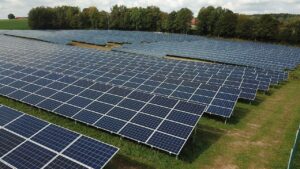
Solar and wind are good power sources, but their output does not follow the load. Solar can drop when clouds pass over the site, and wind may rise at night when demand is low. A battery energy storage system can take in extra power and send it back during evening peaks, voltage events, or short supply gaps. The International Energy Agency reported in Electricity 2026 that utility-scale battery additions reached 63 GW in 2024, bringing global installed utility-scale capacity to 124 GW. The same IEA analysis says batteries help with wind and solar integration, grid balancing, peak demand, and some network upgrade deferral. (iea.org)

Peak Demand Is Getting Harder to Serve
Peak demand is not only a utility issue. A plastics workshop may start several motors at the same time, while a cold storage warehouse may see compressor load rise fast on a hot afternoon. A commercial building may also pay a high demand charge because of one bad 15-minute spike. Power storage systems can discharge during these periods, reduce grid draw, and help keep equipment running in a stable way. On many projects, this part of the value is more important than the simple price per kilowatt-hour.
Backup Power Has Become a Business Issue
Backup power used to mean a diesel generator sitting near the building. That setup is still common, but more sites now ask for backup that is quieter, cleaner, and faster. Batteries can respond in milliseconds, so sensitive equipment has a better chance of riding through short grid faults. For longer outages, storage can work with solar, generators, or both. It is not a magic fix; it is just a better power chain with fewer weak points.
What Types of Power Storage Systems Should You Compare?
Not every storage system is right for every job. A five-minute frequency response project, a four-hour solar shifting project, and a remote microgrid all need different designs. Before talking only about price, it is better to compare chemistry, discharge time, control method, and the site environment.
Lithium Iron Phosphate Battery Systems
Lithium iron phosphate, often called LFP, is now a common choice for commercial and utility storage. Buyers use it because it gives solid cycle life, stable thermal behavior, and a cost level that works for many projects. It is widely used in containerized systems, cabinet systems, and solar-plus-storage plants. BloombergNEF reported in December 2025 that average lithium-ion battery pack prices fell to $108 per kWh, while stationary storage pack prices dropped to $70 per kWh, 45% lower than in 2024. This does not mean a complete project will cost $70 per kWh, because containers, inverters, transformers, controls, civil work, and grid studies still add to the bill. Even so, the pack price trend explains why more buyers are putting storage into real budgets. (about.bnef.com)
Flow Batteries and Long Duration Options
Flow batteries, sodium-based batteries, thermal storage, and other long duration options may fit jobs that need many hours of discharge. They are not always the lowest-cost choice for short cycles, but they can reduce degradation stress when the system runs for long periods each day. A mine site, island grid, or industrial park with evening and night loads may ask for six, eight, or ten hours of output. When the duty is like that, looking only at lithium cabinets can make the review too narrow.
Hybrid Solar Plus Storage Plants
Hybrid systems bring together PV modules, batteries, power conversion equipment, energy management software, and grid controls. Their value is not limited to moving noon solar power into the evening. A hybrid plant can smooth export, reduce curtailment, support a power purchase agreement, and provide backup for local loads. One small point is often missed during early design: layout matters. Long cable runs, weak ventilation, and poor service access can lower the quality of an otherwise good system.
How Do You Size a Storage System for Real Loads?
Sizing is where many projects either start in the right direction or begin to drift. A storage quote should not start with a random number of containers. It should start with a load profile, tariff, site target, grid limit, and the number of hours the system must cover.
Power Rating for Instant Demand
The power rating, shown in kW or MW, tells you how much power the system can deliver at one time. If your facility has a 900 kW peak and you want to cap grid import at 700 kW, the storage system needs enough inverter power to cover that 200 kW gap. It also needs some margin for response time and losses. For grid projects, power rating affects services such as ramp control, frequency response, and capacity support.
Energy Capacity for Runtime
Energy capacity, shown in kWh or MWh, tells you how long the system can run. A 1 MW battery with 2 MWh of usable energy can discharge near full power for about two hours, while a 1 MW battery with 4 MWh can run for about four hours. In the U.S. market, four-hour systems are often discussed because they match many evening peak and resource adequacy needs. NREL’s 2024b Annual Technology Baseline notes utility-scale battery storage projections for a 60 MW, four-hour system and models capital expenditure reductions of 18%, 37%, and 52% between 2022 and 2035 under conservative, moderate, and advanced scenarios. (atb.nrel.gov)
Cycle Life and Operating Window
Usable energy is not the same thing as nameplate energy. A battery may be sold as 5 MWh, but the control system may keep part of that capacity in reserve to protect life and meet warranty terms. Check depth of discharge, expected cycles per year, round-trip efficiency, operating temperature, and end-of-life capacity. If the project cycles twice per day, the stress is very different from a backup system that waits most of the month.
Which Cost Factors Matter Before You Buy?
A low equipment price can look good in a spreadsheet and still become expensive at the site. The full cost stack matters more than the battery line item. This includes shipping, installation, interconnection, fire protection, software, commissioning, and long-term service.
Battery Pack Price Trends
Lower battery pack prices help the market, but complete system cost usually moves more slowly. A containerized storage project includes cells, modules, racks, HVAC, fire detection, battery management, power conversion, switchgear, and site works. The IEA reported that battery storage project costs fell by about 40% in 2024 to around USD 150 per kWh, which helped support fast deployment. That number is a useful market signal, but your final price will still depend on region, duration, warranty, certification, and grid connection. (iea.org)
Installation and Grid Connection Costs
Grid connection is often the slow part of the job. Transformer upgrades, protection studies, metering rules, land use permits, and fire authority reviews can take longer than equipment production. In the United States, the Energy Information Administration said developers planned to add 24 GW of utility-scale battery storage in 2026, after a record 15 GW in 2025. The same EIA article reported that battery storage made up 28% of planned U.S. utility-scale capacity additions for 2026. The scale is positive for the market, but it also means interconnection queues can be crowded. (eia.gov)
Revenue From Peak Shaving and Energy Shifting
For a commercial site, the value may come from demand charge control, time-of-use savings, backup value, and higher solar self-consumption. For a utility project, revenue may come from capacity payments, arbitrage, ancillary services, or contracted dispatch. A payback estimate without hourly load data is mostly a guess. Ask for a dispatch model based on your tariff, your solar output, and your real demand curve. The model may not look exciting, but this kind of plain math is what keeps a project from losing money. See also: clean energy.
What Safety and Quality Checks Reduce Project Risk?
Storage safety is not one certificate printed on a brochure. It comes from a full chain of checks: cell quality, pack design, enclosure layout, monitoring, fire detection, installation spacing, emergency response planning, and service practice. A serious supplier should be able to explain these items in clear English.
Certified Cells and Battery Management
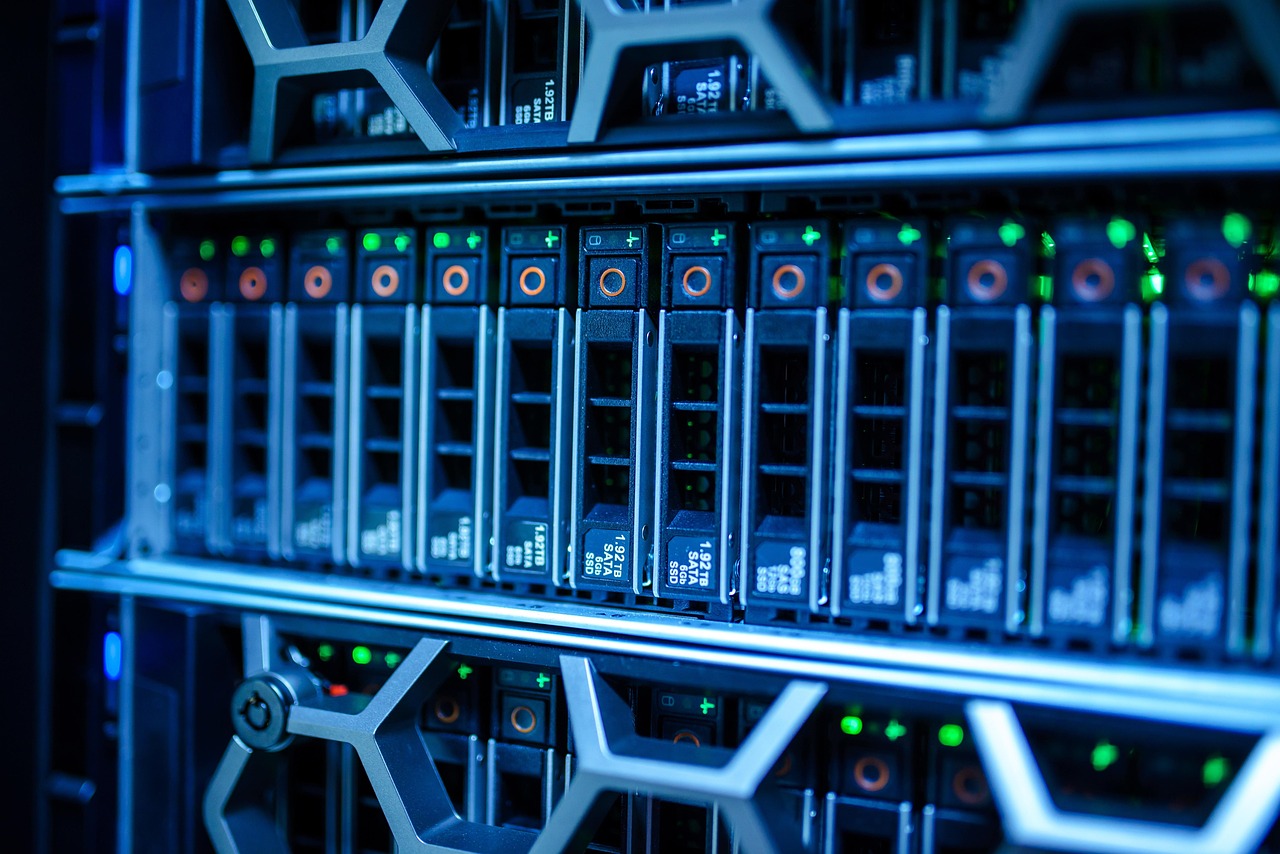
The battery management system should track cell voltage, temperature, current, state of charge, and fault events. It also has to communicate clearly with the inverter and energy management platform. Ask whether the supplier uses traceable cell batches, incoming inspection, insulation checks, and factory acceptance testing. If a supplier avoids these questions, it is better to slow down before signing.
Thermal Runaway Testing Requirements
Thermal runaway risk is the safety topic most buyers hear about, and there is a good reason for that. ANSI’s listing for ANSI/CAN/UL 9540A:2026 describes the test method as a way to evaluate whether a battery technology can undergo thermal runaway and to assess fire and explosion hazard characteristics. The generated data supports installation instructions, spacing between systems, and fire or explosion protection needs under codes such as NFPA 855 and UL 9540. (webstore.ansi.org)
Site Layout and Maintenance Access
A safe site needs more than containers lined up nicely for a photo. Leave space for doors to open, technicians to work, fire crews to reach the equipment, and airflow to move. Drainage, dust, salt mist, flooding risk, and ambient temperature should be checked before the layout is fixed. In hot regions, weak cooling design can shorten battery life. In coastal areas, corrosion protection is important. Small site details can become big repair issues after a few summers.
How Do You Choose a Supplier for a Long-Term Storage Project?
Power storage systems are long-life assets, so choosing a supplier is closer to choosing an equipment partner than buying a simple component. The cheapest quote may be fine for a trial system. For a project tied to revenue or backup power, you need stronger proof.
Proven Project References
Ask for operating references that match your use case. A supplier with telecom backup experience may still need more proof for a 20 MWh solar shifting project. A utility-scale integrator may not be the best choice for a compact indoor commercial cabinet. Look for similar climate, similar duty cycle, and similar grid code requirements. Real references are more useful than clean renderings.
Warranty Terms and Degradation Curves
Read the warranty terms for energy throughput, cycles, calendar life, temperature limits, and maintenance duties. A ten-year warranty can mean different things from one supplier to another. It may cover parts only, or it may include capacity retention under strict operating rules. Ask for the degradation curve and check whether the guaranteed usable capacity still supports your business case in year seven, year ten, and later.
Controls, Monitoring, and After Sales Support
The controls decide when the battery charges, discharges, rests, and protects itself. Good monitoring should show alarms, performance, state of health, and dispatch history without forcing your team to search through messy screens. For overseas buyers, after-sales support is not a small item. Spare parts, remote diagnostics, response time, and clear manuals can decide whether a small fault stays small.
- Match system duration to the actual job, not only the lowest price.
- Check certification, safety test data, and local code fit before signing.
- Use hourly load and generation data for sizing and payback modeling.
- Review warranty limits, not only warranty length.
- Plan service access, cooling, and fire response early in the design.
FAQ
Q1: What Are Power Storage Systems? A: Power storage systems store electricity and release it when the site or grid needs it. They usually include batteries, inverters, controls, protection devices, cooling, and monitoring software.
Q2: How Long Can a Battery Storage System Run? A: Runtime depends on energy capacity and load. For example, a 1 MWh system can support a 250 kW load for about four hours before losses and reserve settings.
Q3: Are LFP Batteries Good for Commercial Storage? A: Yes. LFP batteries are widely used for commercial and utility storage because they offer strong cycle life, stable operation, and competitive cost in many applications.
Q4: What Data Is Needed Before Requesting a Quote? A: Prepare hourly load data, electricity tariff details, solar output if available, backup requirements, site location, grid connection limits, and preferred runtime.
Q5: Can Storage Work With Diesel Generators? A: Yes. A hybrid setup can let batteries handle fast load changes while the generator runs at a steadier output, often cutting fuel use and noise during light-load periods.