
Which Solar Solutions Fit Your Site and Load?
Choosing the right solar solutions starts with a basic check: when does your site use power, and how much of that load can solar cover without wasting output? For a factory, warehouse, farm, hotel, school, or charging station, solar is not only a panel purchase. It includes PV modules, inverters, mounting, cables, protection devices, monitoring, and sometimes batteries. SolarPower Europe reported in its Global Market Outlook 2025 that the world installed about 600 GW of solar in 2024, with global installed solar PV reaching 2.2 TW by the end of that year, so buyers now have more suppliers and more proven project models to compare. (solarpowereurope.org)
The best choice is not always the biggest system. A well-sized 300 kW rooftop system can be better than a rushed 800 kW design if the roof has shade, the grid approval is limited, or the daytime load is low. Small site details also affect the result, such as walkway spacing, drainage, conduit routes, and safe standing areas for service teams.
Rooftop PV for Daytime Power
Rooftop PV is often the first option for commercial buildings because it uses unused roof space and stays close to the load. If your site runs machines, pumps, chillers, lighting, or office equipment during the day, rooftop solar can reduce grid purchases during high-use hours. Metal roofs usually need clamp systems, while concrete roofs may use ballasted racks. The main checks are roof strength, waterproofing, fire access, and shade from nearby walls, vents, or other roof equipment.
Ground-Mount Solar for Larger Land
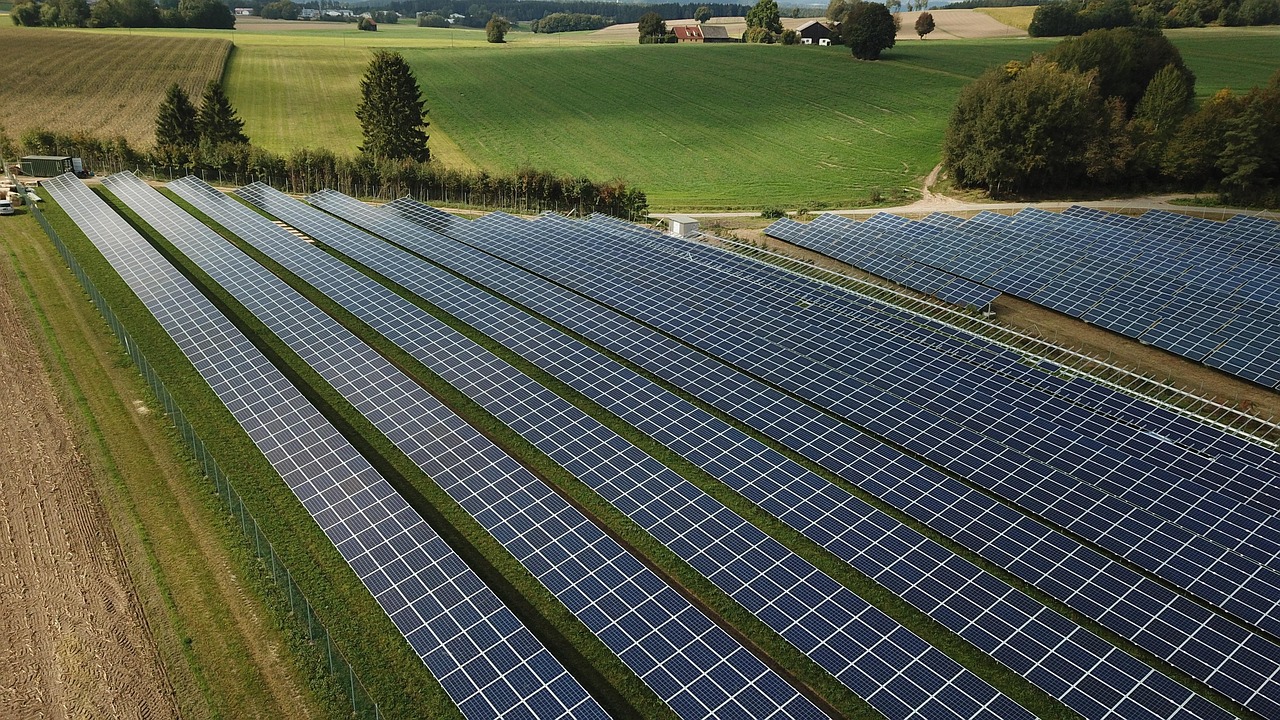
Ground-mount solar works for farms, industrial parks, mines, logistics yards, and water plants that have unused land. It is usually easier to clean, inspect, and expand than many rooftop systems. It can also give better tilt and row spacing. The trade-off is land preparation, fencing, soil study, trenching, and often a longer permitting process. For buyers with available land and steady power demand, it can be a solid long-term option.
Hybrid Solar Plus Storage Systems
A hybrid system connects PV with batteries, diesel generators, or the grid. It helps when electricity prices rise in the evening, when outages stop production, or when grid export is limited. Storage can make solar more useful, but it is not a fix for every project. Batteries add cost, need temperature control, and have cycle limits. Start with the load profile first, not the battery catalog.
Why Is Solar Becoming a Mainstream Energy Choice?
Solar has moved from a small green upgrade to a common power choice because costs, supply chains, and policy support now match real business needs. Energy buyers want lower bills, better price control, and a cleaner power mix for customers and regulators. According to IRENA’s Renewable Capacity Statistics 2024, renewables made up 43% of global installed power capacity by the end of 2023, and solar added a record 346 GW that year, nearly three-quarters of renewable additions. (irena.org)
Fast Growth in Real Markets
The growth can be seen in many markets, not only in one country or region. China, the United States, India, Brazil, Germany, and other countries all added large volumes in recent years. This matters to buyers because stronger demand usually brings more trained installers, more project references, more component choices, and clearer bank requirements. It also makes weak offers easier to identify when you compare them with normal market practice.
Lower Cost Than Many New Plants
Lazard’s 2025 Levelized Cost of Energy report found utility-scale solar and onshore wind remained among the most cost-effective new-build generation sources on an unsubsidized basis. (lazard.com) That does not mean every rooftop project is low cost. A small roof with difficult access will cost more per watt than a large ground project. Even so, solar often works well because fuel is free after installation, and most of the main cost is known before the project starts.
Better Supply for Multi-Site Buyers
If you manage several sites, solar procurement is easier than it was ten years ago. Module formats, inverter platforms, monitoring systems, and mounting hardware are now more standard. You can set one technical baseline, then adjust each site for roof type, grid voltage, wind load, and local rules. The International Energy Agency’s Renewables 2024 report also noted that solar PV and wind together account for most renewable capacity growth through 2030, with solar PV expected to be the largest renewable source by the end of the decade. (iea.org)
How Should You Size a Solar Solution?
Good sizing can feel slow at the beginning, but it helps avoid waste and rework. A supplier should ask for 12 months of bills, interval meter data if available, roof drawings, site photos, grid voltage, operating hours, and any expansion plans. If no public source can verify your exact payback, do not accept a fixed payback promise. The number must come from your tariff, sunlight, system price, tax treatment, export rules, and maintenance plan.
Utility Bill Review
Start with energy use in kWh and demand in kW. A building that uses 100,000 kWh per month but mostly at night needs a different design than a workshop with high daytime loads. Demand charges also matter because some tariffs charge heavily for short peaks. In those cases, reducing one peak can be as valuable as producing more total kWh. Ask for a monthly production estimate and a self-consumption estimate, not only annual output.
Roof Area and Shading Checks
A quick rule is useful for early screening: many commercial rooftop PV systems need roughly 5 to 7 square meters per kW, depending on module power, row spacing, and access paths. This is only a first estimate. Skylights, vents, parapet shade, fire lanes, roof age, and wind zones can change the real usable area. A drone photo helps with layout work, but a site survey still finds simple issues that software may miss.
Financial Payback and Cash Flow
Payback should include equipment, installation, grid work, permits, cleaning, inverter replacement allowance, insurance, and financing cost. For example, a daytime factory with a 400 kW average working load may first check a 600 to 800 kW DC system. If local sun yields about 4 kWh per kW per day, that system might produce around 2,400 to 3,200 kWh on a clear day. The final design still needs local weather files and an engineer’s review before purchase.
- Collect 12 recent electric bills before asking for a quote.
- Mark roof areas with leaks, weak structure, or planned HVAC changes.
- Confirm whether exported power is paid, credited, limited, or blocked.
- Ask for a simple cash-flow sheet with assumptions shown line by line.
Which Components Make a System Reliable?
A solar project is only as strong as its weakest part. Buyers often focus on module wattage, but cables, connectors, combiner boxes, grounding, surge protection, inverter settings, and monitoring can decide how the system performs after year five. For sites near salt, dust, ammonia, or high heat, component selection needs more care because failure is harder and more costly to handle later.
PV Modules with Bankable Warranties
Modern modules often use mono cells, half-cut designs, TOPCon cells, or bifacial glass-glass formats. Higher wattage can reduce mounting and wiring work, but only when the module size fits the roof layout and handling plan. Look for clear product warranties, linear output warranties, serial number traceability, and packaging that protects corners during sea freight. A cheap module is not cheap if microcracks appear after a rough trip.
Inverters Matched to the Grid
Inverters convert DC power into AC power and manage grid behavior. For commercial sites, string inverters are common because they are modular and easy to replace. Central inverters may fit large ground plants. Check voltage range, MPPT channels, protection rating, reactive power support, communication protocol, and local grid code approval. If your grid is unstable, inverter selection becomes more important.
Mounting and Protection Hardware
Mounting looks simple, but it carries the system for many years. Aluminum rails, stainless fasteners, roof clamps, ballast blocks, and grounding parts should match wind, snow, corrosion, and roof material. Protection hardware also needs attention because it affects safety and inspection. DC isolators, fuses, surge protection, labels, and fire-safe cable routes make service work easier and reduce risk. It is not the most visible part of solar, but many project problems start there. See also: clean energy.
When Does Energy Storage Make Sense?
Batteries should solve a clear site problem. They may cut peak demand, shift solar into evening hours, support backup loads, or help a site use more of its own PV. The U.S. Department of Energy’s 2024Q1 PV cost benchmarks showed that adding storage raises system cost and LCOE, with representative utility PV-only LCOE listed at $47/MWh and PV plus storage at $94/MWh in an average U.S. climate before incentives. (energy.gov) The point is simple: storage can add value, but only when the use case pays for it.
Demand-Charge Control
If your tariff charges heavily for short power peaks, a battery can discharge during those peaks and lower the demand charge. This works best when peaks are predictable, such as motor starts, refrigeration cycles, or shift changes. The battery does not need to run the whole factory. It only needs enough power and energy to cut the expensive peak.
Backup for Critical Loads
Backup is a different design from peak shaving. You must define critical loads first, such as servers, safety lighting, pumps, cold rooms, access control, or production lines that cannot stop suddenly. A battery sized for peak shaving may not have enough duration for backup. If outages last many hours, solar plus battery plus generator control may be a better plan.
Higher Self-Consumption after Sunset
Some sites produce extra solar at noon but still buy power in the evening. Storage can move part of that solar into later hours. This is useful when export prices are low or export is not allowed. The cycling strategy still needs review because too many shallow or poorly timed cycles can shorten battery life without adding much savings.
How Can You Reduce Risk in Procurement?
Solar procurement is both technical and commercial. You are buying a power asset, not just pallets of panels. A clear request for quotation gives suppliers less room to guess, and it makes competing offers easier to compare. Keep the wording plain. State the site, goal, grid type, expected system size, required certificates, delivery terms, warranty needs, and service response rules.
Clear Technical Requirements
A good specification should list module type, inverter brand level or approved list, mounting material, cable standard, monitoring needs, design wind load, corrosion class, and documentation package. Ask for drawings, single-line diagrams, datasheets, warranty files, packing lists, and test reports. If the quote leaves out these basics, the low price may hide change orders later. It is better to clear these points before the purchase order is signed.
Factory Quality Checks
For imported solar equipment, quality control before shipment is practical. Module flash tests, EL images, visual checks, inverter serial numbers, packaging photos, and container loading records can prevent arguments after arrival. For large orders, third-party inspection may be worth the fee. It feels slow during purchasing, but it is much faster than handling a damaged-container dispute after the goods arrive.
Shipping and After-Sales Plans
Confirm Incoterms, port, container loading method, spare parts, manuals, and warranty claim steps. Long-distance projects also need simple communication rules: who answers technical questions, what photos are needed for a claim, and how replacement parts move across borders. A supplier with clear after-sales rules is usually safer than one that only says, “no problem.” That answer is not a service plan.
FAQ
Q1: What Are Solar Solutions? A: Solar solutions are complete systems that turn sunlight into usable power. They can include PV modules, inverters, mounting, cables, protection devices, monitoring, storage, design service, installation guidance, and after-sales support.
Q2: Are Rooftop Solar Solutions Better Than Ground-Mount Systems? A: Rooftop systems are better when you have strong unused roof space and daytime power demand. Ground-mount systems are better when you have land, need larger capacity, or want easier cleaning and expansion.
Q3: How Long Does a Commercial Solar Project Take? A: Small rooftop projects may take a few weeks after approval and delivery. Larger commercial or ground-mount projects can take several months because of engineering, grid approval, civil work, shipping, and inspections.
Q4: Should You Add Batteries to Every Solar Project? A: No. Batteries make sense when they reduce demand charges, provide backup, or raise self-consumption enough to justify the added cost. If daytime load already uses most solar output, PV alone may be the better first step.
Q5: What Is the Safest Way to Compare Solar Quotes? A: Compare total system scope, component brands, warranties, estimated annual output, self-consumption rate, grid work, shipping terms, service rules, and all assumptions. The lowest price is not always the lowest project cost.