
Myanmar Accelerates Solar and Renewable Energy Transition Through Advanced Power System Training and Grid Modernization Initiative
Myanmar’s power sector stands at a decisive moment. With growing electricity demand, aging grid infrastructure, and climate commitments, the nation is steering toward solar renewable energy as the centerpiece of its energy transition. The government’s grid modernization and advanced training initiatives aim to build technical capacity, attract investment, and enhance resilience. Solar power is not just a clean alternative—it is becoming the strategic driver of Myanmar’s next-generation energy system.
The Strategic Importance of Solar Renewable Energy in Myanmar’s Power Sector
Myanmar’s energy transition is shaped by both necessity and opportunity. The country’s heavy reliance on hydropower exposes it to seasonal variability, while fossil fuel imports strain fiscal stability. Solar renewable energy offers an adaptable path forward that aligns with national electrification goals and regional sustainability commitments.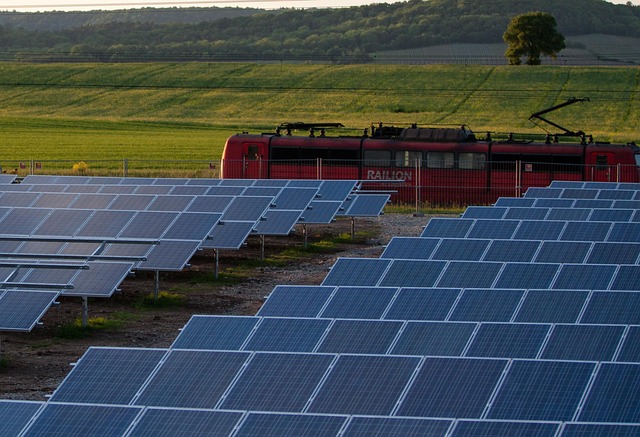
The Current Energy Landscape in Myanmar
Myanmar’s electricity generation is dominated by hydropower, accounting for nearly 60% of installed capacity, while natural gas provides around one-third. This dependence makes the system vulnerable to droughts and fluctuating water levels. Many rural areas remain off-grid, with electrification rates below 50% in some regions. Transmission losses are high due to outdated lines and limited grid coverage.
Policy frameworks such as the National Electrification Plan (NEP) have set ambitious targets for universal access by 2030. These policies emphasize renewable diversification to reduce import dependence and meet growing demand sustainably. The Ministry of Electricity and Energy has also introduced competitive tenders for solar projects, signaling a strong shift toward cleaner sources.
Positioning Solar Energy as a Key Driver of Grid Transformation
Solar renewable energy holds unique advantages in Myanmar’s context. The country receives abundant sunlight—over 1,500 kWh/m² annually—especially across central dry zones like Mandalay and Magway. This geographic potential supports both utility-scale farms and distributed rooftop systems.
Integrating solar into national strategies allows Myanmar to accelerate rural electrification without overburdening centralized grids. Off-grid solar microgrids can deliver reliable power where extending transmission lines is uneconomical. Moreover, solar development aligns with regional economic corridors under ASEAN frameworks, supporting industrial growth in newly connected areas.
Grid Modernization as a Foundation for Renewable Integration
The success of solar expansion depends on modernizing Myanmar’s grid infrastructure. A flexible, digitalized network can handle variable generation from renewables while improving reliability for consumers.
Core Components of Myanmar’s Grid Modernization Initiative
The government has launched a phased grid modernization program emphasizing smart technologies and automation. Smart meters are being deployed to improve billing accuracy and demand management. Substations are being upgraded with supervisory control systems that enable real-time monitoring.
Transmission upgrades aim to connect isolated grids into a unified national network capable of absorbing distributed generation from solar farms. Digital control centers will manage load balancing more efficiently through predictive analytics tools that anticipate fluctuations in supply and demand.
The Role of Solar Power in Strengthening Grid Resilience
Distributed solar generation reduces pressure on long-distance transmission lines by producing electricity close to consumption points. This minimizes technical losses and enhances voltage stability during peak hours.
In remote communities such as Chin State or Sagaing Region, solar microgrids provide continuous power for schools, clinics, and small enterprises that previously relied on diesel generators. Hybrid systems combining solar panels with battery storage further improve load management by storing excess daytime energy for evening use—a crucial step toward round-the-clock reliability.
Capacity Building and Advanced Power System Training Programs
Human capital development underpins technological transformation. Without skilled engineers and operators, even the most advanced equipment cannot deliver expected performance.
Developing Technical Expertise for Renewable Integration
Myanmar has begun specialized training programs focused on renewable integration within power system operations. Engineers are learning advanced grid management techniques including frequency control under variable generation scenarios. Partnerships with international institutions have facilitated knowledge transfer through workshops on inverter-based resource modeling and protection coordination.
Universities are establishing research centers dedicated to studying local grid dynamics under high renewable penetration levels. These centers serve as testing grounds for pilot projects using real data from ongoing solar installations.
Leveraging Data Analytics and Simulation Tools in Training
Modern training emphasizes data-driven decision-making using simulation platforms known as digital twins—virtual replicas of physical grids that allow operators to test responses before implementation. Predictive analytics tools help forecast solar output based on weather data, enabling better dispatch planning.
Scenario-based exercises prepare operators for sudden changes such as cloud cover or equipment faults, ensuring rapid response capability without compromising stability or safety standards set by IEEE or IEC guidelines.
Policy, Regulatory, and Financial Frameworks Supporting Solar Expansion
A stable policy environment is essential for attracting long-term investment into solar renewable energy projects.
Government Policies Encouraging Renewable Investments
Myanmar’s government has adopted multiple incentives including feed-in tariffs for small-scale renewables, tax holidays for clean energy investors, and public-private partnership models that share project risks. The NEP integrates these measures within broader sustainable development objectives aligned with SDG7—affordable and clean energy for all.
Institutional reforms have improved transparency in procurement processes, fostering investor confidence through standardized power purchase agreements (PPAs) compliant with international norms recommended by IRENA.
Financing Mechanisms for Grid Modernization Projects
Multilateral development banks play a pivotal role in financing large-scale infrastructure upgrades across Southeast Asia. In Myanmar, concessional loans from regional funds support transmission enhancements linked to renewable integration zones.
Innovative financing instruments such as green bonds are emerging to channel private capital into solar projects while maintaining environmental accountability through verified impact metrics under ISO 14030 standards.
Technological Innovations Accelerating Myanmar’s Solar Transition
Technology is reshaping how electricity is produced, stored, and delivered across Myanmar’s evolving grid landscape.
Smart Inverters and Energy Storage Solutions
Smart inverters stabilize voltage fluctuations caused by intermittent solar output while providing reactive power support essential for maintaining frequency balance across weak grids. Coupled with lithium-ion storage systems, these technologies allow smoother integration without costly curtailment during low-demand periods.
Deployment strategies now focus on modularity—scaling installations based on community size or industrial load—to balance cost efficiency against performance reliability benchmarks defined by IEC 62109 standards.
Digital Platforms for Grid Optimization and Monitoring
Digital platforms aggregate real-time operational data from substations nationwide into centralized dashboards accessible via secure cloud networks. Artificial intelligence tools analyze this data to predict maintenance needs before faults occur—a practice reducing downtime significantly compared with conventional manual inspections.
Cybersecurity remains a growing concern as digitalization expands; hence utilities are adopting multi-layer encryption protocols following ISO/IEC 27019 guidelines tailored specifically for energy control systems.
Regional Collaboration and Future Outlook for Myanmar’s Renewable Grid Evolution
Regional cooperation amplifies national progress by linking markets and sharing resources efficiently across borders.
Cross-Border Power Connectivity Initiatives in Southeast Asia
Under the ASEAN Power Grid initiative, Myanmar participates in feasibility studies exploring interconnections with Thailand, Laos, and China’s Yunnan Province. Such links could enable two-way trade of surplus renewable electricity during seasonal peaks while enhancing regional stability through synchronized operations guided by harmonized technical codes developed under ASEAN Centre for Energy frameworks.
Long-Term Vision Toward a Sustainable Energy Future
By 2040, projections suggest that scaling up domestic solar capacity could cut carbon intensity per kWh by more than half compared with current baselines reported by IEA datasets. Integrating renewables with emerging technologies like hydrogen storage or electric vehicle charging hubs will further decarbonize transport sectors while stimulating local manufacturing industries tied to clean technology supply chains.
Institutional resilience—continuous policy refinement supported by transparent governance—will determine how effectively Myanmar sustains momentum toward its sustainable energy future over coming decades.
FAQ
Q1: Why is solar renewable energy critical for Myanmar?
A: It diversifies the national energy mix away from hydropower dependency while providing scalable solutions for rural electrification at lower long-term costs.
Q2: How does grid modernization support renewable integration?
A: By upgrading transmission systems with smart controls that manage variable inputs efficiently without compromising reliability or safety standards.
Q3: What role do training programs play?
A: They build technical expertise among engineers to operate advanced systems like digital twins or predictive analytics platforms essential for managing renewables effectively.
Q4: Are there financial incentives encouraging private investment?
A: Yes, policies include tax benefits, feed-in tariffs, concessional financing options from development banks, and structured PPAs improving investor security.
Q5: What future technologies will shape Myanmar’s power sector?
A: Smart inverters combined with storage systems, AI-driven monitoring tools, hydrogen storage integration, and EV infrastructure will define the next phase of modernization efforts.