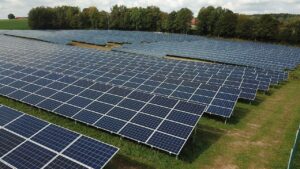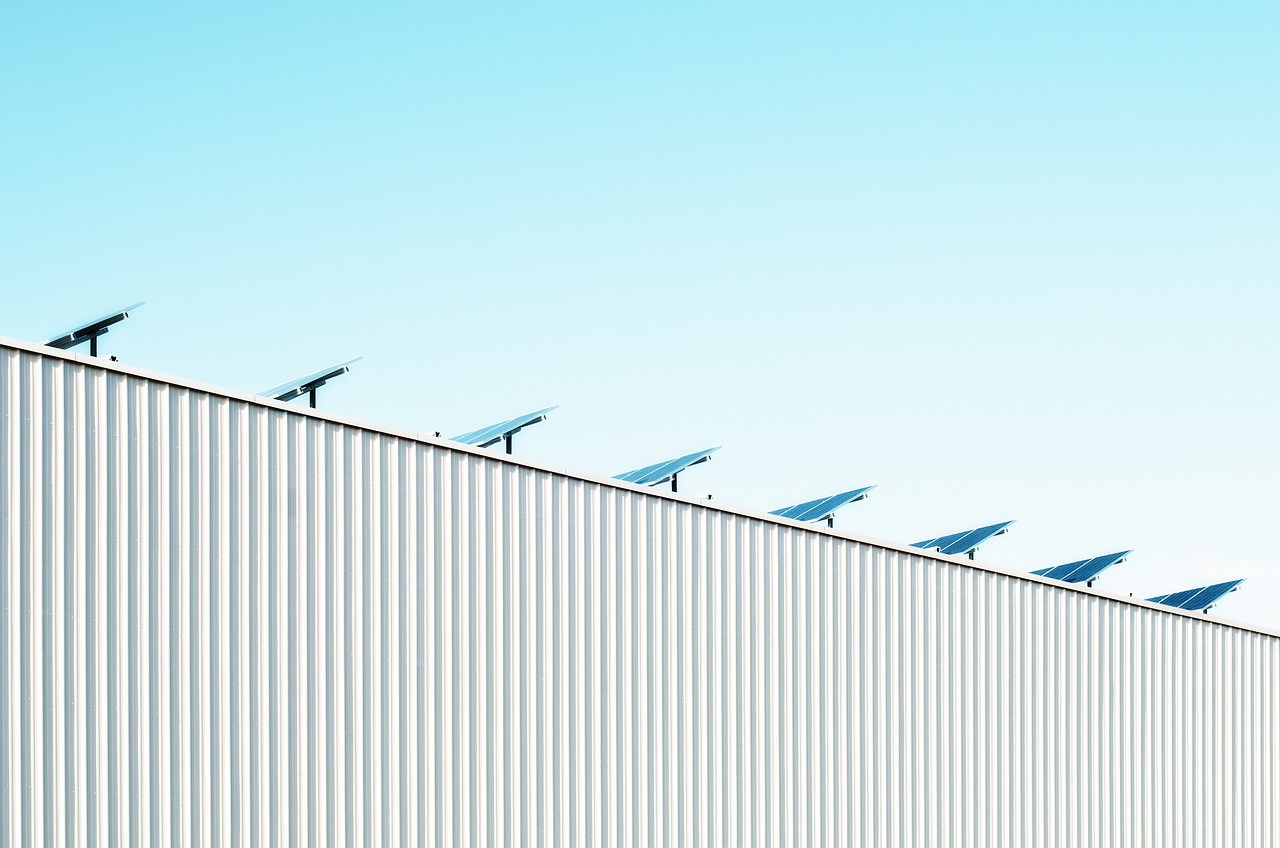

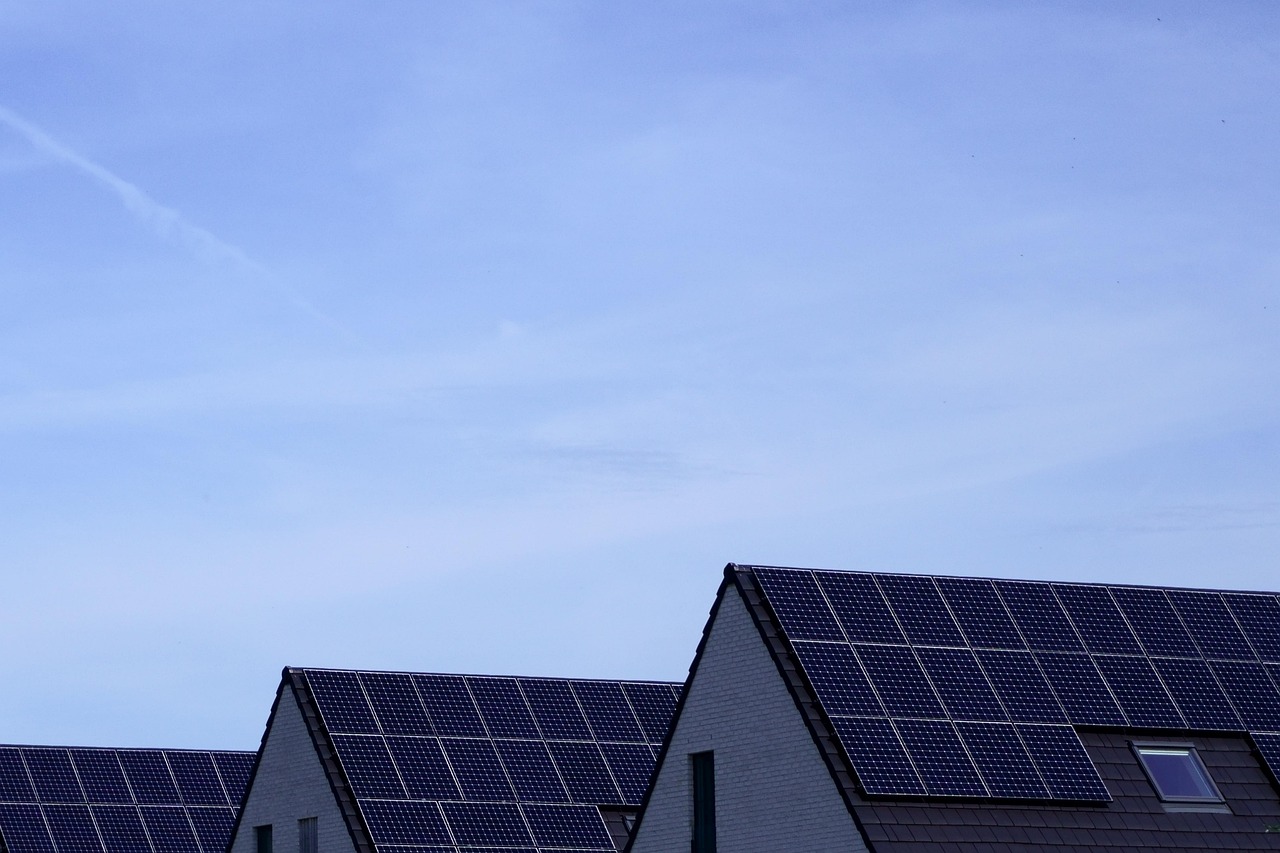
Rooftop solar is no longer only a green add-on for a sunny house in California. Homes, shops, warehouses, schools, and small factories now use roof space to make power for daily use. If you are comparing panels, inverters, storage, or complete solar solutions, the main question is not whether the technology works. The real question is whether your roof, utility bill, and contract terms make the project pay off in your case.
The answer can be yes, but not for every building. A good rooftop solar project starts with plain site details: roof age, shade from one tree, meter rules, waterproofing, wire routes, and the small print in the quote. These items decide whether the system becomes a useful asset or a problem sitting above your ceiling.
Why Is Rooftop Solar Still a Serious Energy Choice?
Rooftop systems matter because they make electricity close to where it is used. The power is produced near lights, HVAC, refrigeration, servers, or home appliances, so less power has to be bought from the grid during sunny hours. For many buyers, the reason is simple: lower grid purchases and better control over power costs over time.
Rising Small Scale Solar Generation
U.S. Energy Information Administration final data show estimated small-scale solar photovoltaic generation rising from 4,947 million kWh in 2014 to 57,547 million kWh in 2024. This is not a forecast or a sales claim. It is ten years of measured growth in distributed solar output, and it explains why utilities, property owners, and equipment suppliers now treat rooftop PV as a normal part of the power mix. (eia.gov)
Strong Global Distributed PV Demand
The International Energy Agency reported in Renewables 2024 that distributed applications, including residential, commercial, industrial, and off-grid PV, make up almost 40% of overall PV expansion in its forecast. The reason is not only climate policy. Many users simply want to cut retail electricity bills and use roof or site space that is already available. (iea.org)
Practical Value on Unused Roof Area
A roof is already paid for, and it sits through heat, rain, and wind whether it has panels or not. NREL’s detailed rooftop PV technical study estimated total U.S. rooftop technical potential at 1,118 GW of installed capacity and 1,432 TWh of annual generation, equal to 39% of national electric-sector sales at the time of the study. For suitable buildings, rooftop space is a real energy resource. It is not just empty space above the operation. (research-hub.nrel.gov)
How Do You Know If Your Roof Is Ready for Rooftop Solar?
A solar quote should not start with panel count only. The roof is the base of the system. If it is weak, shaded, poorly drained, or close to replacement, high-grade modules still cannot make the project work well.
Roof Condition and Remaining Life
If the roof needs replacement within five years, handle that first. Removing and reinstalling panels later adds labor cost, leak risk, and site trouble. For asphalt shingle roofs, installers often look for enough remaining roof life to cover the early payback period of the solar system. For metal roofs, mounting can be simpler, but flashing, clamps, and seam details still need care.
Sun Access, Tilt, and Shading
A south-facing roof helps in the Northern Hemisphere, but east and west planes can also work, especially where afternoon electricity is expensive. Shade is often the problem people miss. A chimney, parapet wall, dormer, or one fast-growing maple can cut output during useful production hours. A shade report with monthly production estimates is basic project information, not extra paperwork.
Structural Load and Local Code Checks
Most newer rooftops can carry PV, but that does not mean every building is ready. Racking, ballast, wind uplift, snow load, and roof penetrations need to be checked against local rules. On commercial flat roofs, aisle spacing and fire setbacks reduce usable area. On older homes, rafters and sheathing may need closer review before anyone drills into the roof.
What Size Rooftop Solar System Do You Need?
System sizing is where many projects start to go off track. Bigger is not always better. The right size depends on yearly use, daytime load, roof space, inverter limits, export rules, and future equipment such as EV chargers or heat pumps.
Annual Electricity Use Comes First
Start with 12 months of utility bills, not a rough guess. A home that uses 10,000 kWh per year needs a different design than a small office with heavy summer cooling load. If usage rises every July because of air conditioning, the production profile may match well. If most power is used at night, storage or a smaller self-consumption-focused system may be a better fit.
Production Depends on Location
A 10 kW rooftop system in Arizona will not make the same annual energy as a 10 kW system in coastal Washington. Weather, roof tilt, azimuth, module temperature, and shading all change the yield. That is why a proper proposal should show annual kWh, monthly kWh, and the assumptions behind the model. Panel wattage alone is not enough to judge output.
Future Loads Change the Number
If you plan to add an EV, heat pump water heater, induction cooking, or more refrigeration equipment, tell the installer before design starts. A system sized only on last year’s bill may look too small after new loads are added. Even so, do not oversize without checking the tariff. Some utilities pay very little for exported power, so extra noon generation may not bring much value.
How Much Does Rooftop Solar Cost in 2026?
Cost is not one fixed number. It includes equipment, labor, permitting, roof work, interconnection, financing, and local market conditions. A low quote can be fine, but it can also hide weak racking, poor after-sales support, or warranty exclusions that matter later.
Hardware, Labor, and Design
EnergySage reported that U.S. residential solar installations on its marketplace held a record-low median price of $2.48 per watt in the first half of 2025, unchanged from the second half of 2024. It also reported median loan rates of 7.5% in that period. The point is simple: equipment price matters, but financing terms can change the total cost more than a small panel discount. (energysage.com)
Incentives Need Careful Timing
For U.S. homeowners, incentive timing changed in a clear way. The IRS states that the Residential Clean Energy Credit equals 30% of qualified costs for eligible property installed from 2022 through December 31, 2025, and that the credit is not available for property placed in service after December 31, 2025. In 2026, check current federal, state, utility, and business tax rules with a qualified tax professional before treating any incentive as guaranteed. (irs.gov)
Payback Depends on Local Tariffs
There is no single public payback number that fits every roof. A project in a high-rate area with strong self-consumption can look very different from a project with low retail rates and weak export credits. Simple payback should compare installed cost, usable annual production, bill savings, maintenance, inverter replacement risk, and financing charges. A rough estimate is fine at the first meeting, but it is not enough for a purchase order.
Which Equipment Choices Matter Most for Rooftop Solar?
Solar equipment should match the roof and the owner’s use case. The best module on a datasheet may not be the best option for a shaded roof. The lowest-cost inverter may not give the monitoring, rapid shutdown, or battery path you need later.
Solar Modules and Degradation
Look for bankable module brands, clear power warranties, and performance data under heat. High wattage helps when roof space is limited, but module size, weight, frame strength, and replacement availability also matter. On a small roof, using fewer high-power panels may make the layout cleaner. On a large warehouse, service access and row spacing may matter more than squeezing in the last few modules.
Inverters and System Layout
String inverters can be simple and cost-effective on roofs with little shade and one main direction. Microinverters or power optimizers can help when roof planes face different directions or shadows move across the array. Ask what happens if one device fails, how monitoring is handled, and whether the system can be expanded. Future service should be easy to trace, not a guessing job.
Batteries for Backup and Peak Hours
A battery does not always save money by itself. It works best when outages are common, peak pricing is high, or backup loads are important. Decide which circuits need power during an outage, such as refrigerator, Wi-Fi, medical device, garage door, or a few lights. Whole-home backup sounds good, but it can raise the budget quickly. In many cases, a smaller critical-load panel is the more practical choice.
What Mistakes Should You Avoid Before Signing?
Rooftop solar is a construction project with electrical work, not just a product delivery. The sales talk may sound simple, but the contract should answer hard questions in plain language. If it does not, slow down before signing.
Quotes Without Shade Reports
A quote that promises savings without a shade study is not complete. Ask for expected annual production, monthly breakdown, system losses, roof planes used, inverter clipping assumptions, and the exact utility tariff used in the savings model. If the answer is unclear, ask another installer to quote the same roof.
Cheap Mounting on a Tired Roof
Mounting hardware protects the building as well as holding the panels. Poor flashing can cause leaks years later, often after the original crew is hard to find. For flat roofs, ask how water will drain around ballast blocks and walk pads. For tile roofs, ask whether tiles are being cut, replaced, or protected with proper hooks. These details are not small if you own the building.
Contracts That Hide Ownership Terms
Cash purchase, loan, lease, and power purchase agreement are not the same thing. Ownership affects incentives, home sale paperwork, maintenance duties, and long-term savings. Read the transfer terms, escalation rates, production guarantees, and service response times. A plain contract with clear duties is better than a polished promise with missing numbers. If the salesperson cannot explain the terms, that is a warning sign.
FAQ
Q1: Is Rooftop Solar Worth It in 2026? A: It can be worth it if your roof has good sun, your electricity rate is high enough, and the quote uses realistic production and tariff assumptions. It is less attractive when the roof needs replacement, export credits are weak, or financing costs are too high.
Q2: How Long Do Rooftop Solar Panels Usually Last? A: Many solar panels are designed for 25 years or more of service, though output slowly declines over time. Inverters, batteries, roof materials, and workmanship often decide the real maintenance experience.
Q3: Do You Need a Battery with Rooftop Solar? A: Not always. A grid-tied system without storage can reduce daytime grid purchases. A battery makes more sense if you need backup power, face time-of-use pricing, or want to use more of your own solar energy at night.
Q4: What Roof Type Works Best for Rooftop Solar? A: Standing seam metal, composite shingle, and suitable flat commercial roofs can all work well. The best roof is structurally sound, not near replacement, has limited shade, and allows safe waterproof mounting.
Q5: What Should You Ask Before Accepting a Rooftop Solar Quote? A: Ask for annual and monthly production, shade results, equipment models, warranty terms, roof penetration details, utility tariff assumptions, ownership terms, and a clear total price before incentives or financing effects.