
Are Solar Panels for Home Still a Smart Buy in 2026?
Solar panels for home can still make financial sense in 2026, but it depends on your roof, power price, local utility rules, and payment method. If you are comparing residential PV options, start with one basic target: lower the power you buy from the grid without paying for hardware your home will not use. For more residential solar topics, visit the solar section.
The market has also moved. The U.S. federal residential clean energy credit is not the same for new post-2025 installations, according to the Internal Revenue Service page reviewed on July 4, 2026. Because of that, quote quality, local incentives, and system sizing carry more weight. A sound solar choice is not only about panels. It also touches the roof, financing, utility policy, and daily power use.
High Utility Prices Make Solar Stronger
Electric rates are still the first number to check. The U.S. Energy Information Administration Electric Power Annual, published in 2026, lists the 2024 average residential electricity price at 16.48 cents per kilowatt-hour, up from 13.15 cents in 2020. That matters because every kilowatt-hour your array makes can replace a grid kilowatt-hour that costs more than it did a few years ago. In higher-rate states, the same 7 kW system can pay back much sooner than it would in a low-cost power market.
Good Roofs Create Better Returns
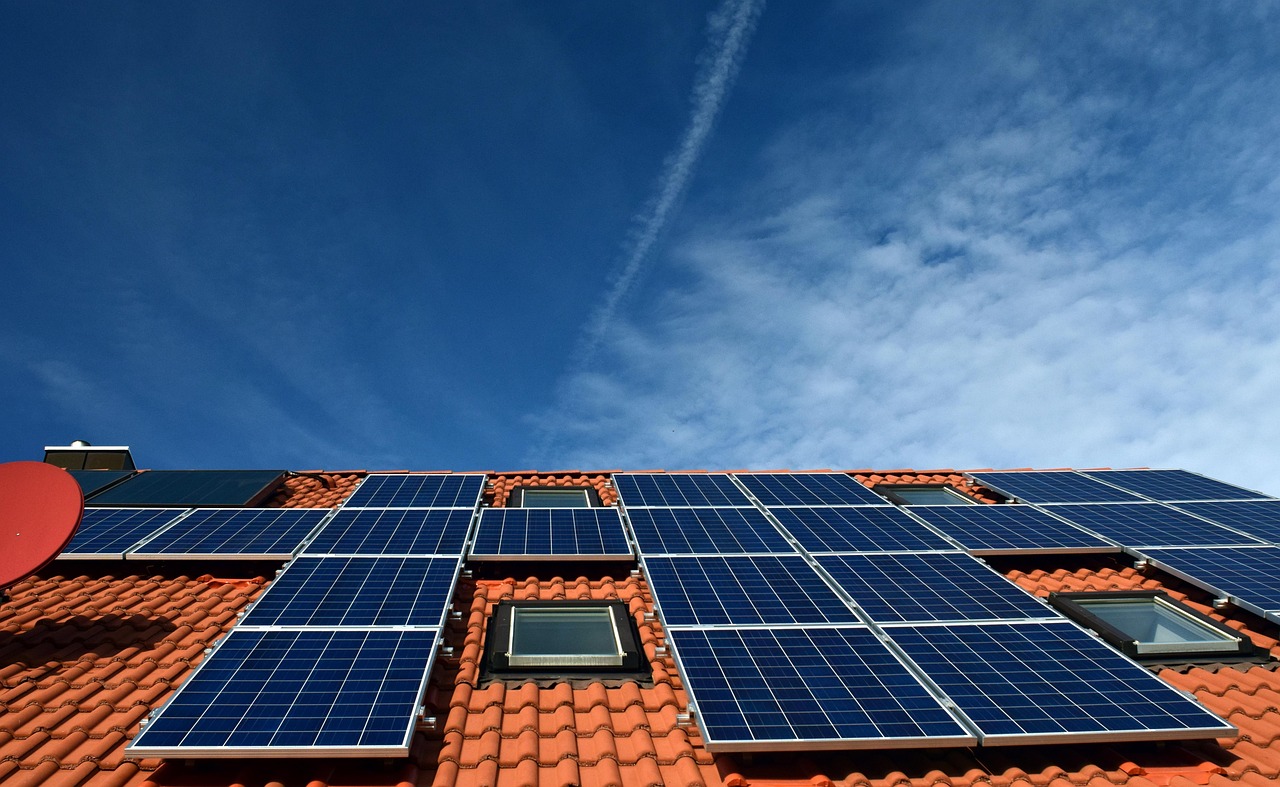
A sunny and simple roof usually beats a roof with many breaks and shade. South-facing roofs in the Northern Hemisphere often perform well, while east and west roofs can still be workable, especially where afternoon rates are high. Shade from trees, chimneys, dormers, or nearby buildings can cut production and push out the payback period. Even one shaded section can cause a real loss if the design uses the wrong inverter setup.
Bad Financing Can Ruin Good Equipment
Panel prices get plenty of attention, but financing can change the final result more than buyers expect. EnergySage reported that median solar loan rates reached 7.5% in the first half of 2025, while cash buyers increased or stayed stable among many installers. A low monthly payment may look easy to accept. Dealer fees, escalators, and long loan terms can still take away much of the saving. Read the total cost first, not only the monthly figure.
How Much Do Solar Panels for Home Usually Cost?
Cost should be read as a range, not as one fixed number. Labor, permitting, equipment brand, roof type, electrical upgrades, and local installer competition all affect the quote. Public benchmarks still give you a useful reference before a salesperson starts talking through options at your kitchen table.
National Benchmarks Give a Starting Point
The U.S. Department of Energy Solar Energy Technologies Office 2024Q1 benchmark used an 8 kWdc representative residential PV system with 400-watt modules. In that model, the residential PV modeled market price was $3.15 per watt DC, while the minimum sustainable price was $2.74 per watt DC, both in 2023 dollars. For a basic 8 kW system, that points to a pre-incentive market cost near $25,200. Real quotes can come in higher or lower once roof work, local labor, and electrical scope are included.
Marketplace Quotes Can Look Lower
EnergySage reported a record-low median quoted solar price of $2.48 per watt in the first half of 2025 on its marketplace. That number came from homeowners who were actively comparing offers, so it is helpful but not a rule for every job. A hard roof, main-panel upgrade, premium battery, long wire run, or tile roof work can push the price up. A simple asphalt roof in a market with several local installers can do better.
Battery Storage Changes the Math
A battery is not simply extra solar. It is backup power, load shifting, and in some markets a way to deal with time-of-use rates. The DOE 2024Q1 benchmark showed a representative 8 kWdc residential PV plus 13.5 kWh storage system at $5.19 per watt DC modeled market price. That is a clear step up from PV alone. If outages are common in your area or net metering is weak, storage may be worth checking closely. If the grid is stable and credits are fair, solar without a battery may give the cleaner payback.
How Do You Size a Home Solar System Correctly?
System size should start with your own bills, not with the maximum roof area. Many homeowners like the idea of a large array, then later find out the utility pays little for exported power. A better sizing process keeps the design tied to real household use.
Twelve Months of Electric Bills
Add up your last 12 months of kilowatt-hour use. Do not base the system only on the largest summer bill, and do not guess from square footage. A 2,000-square-foot home with gas heat may use less electricity than a smaller all-electric home with an EV. The Federal Trade Commission consumer guidance for home solar also tells shoppers to review annual metered kilowatt-hour use before choosing system size.
Roof Direction and Shade Results
The Department of Energy homeowner guidance says savings depend on how much electricity you use, system size, ownership model, roof direction, and how much sunlight reaches the roof. It sounds simple, but this is where many expensive mistakes start. A 9 kW system on a shaded roof can produce less than a 6 kW system on a clear roof. Ask for a shade report, monthly production estimate, and annual kilowatt-hour forecast before you compare payback.
Future Loads Need a Real Plan
If you plan to add an EV, heat pump, induction range, pool pump, or electric water heater, your future load may rise. A typical EV can add thousands of kilowatt-hours each year, depending on how many miles you drive. That does not mean you should oversize the system without a reason. A practical design may keep roof space open for a later expansion, or include a service-panel plan if more electrification is likely.
Which Equipment Choices Matter Most?
Most modern solar panels can do the job, so the best choice is not always the panel with the nicest brochure. Look at module efficiency, inverter type, warranty terms, installer skill, and whether replacement parts should be available later. These plain details matter more than a sales sheet.
Panel Efficiency and Roof Space
Higher-efficiency panels help when usable roof space is limited. The DOE 2024Q1 representative residential system used 400-watt modules with 21.1% efficiency, which is a useful real-world reference point for current mainstream design. If you have a large open roof, a slightly less efficient panel may still be acceptable. If you only have one good roof plane, efficiency matters more because every square foot has to work harder.
String Inverters and Microinverters
String inverters can be cost-effective on simple roof planes with steady sun. Microinverters or power optimizers can help when roof sections face different directions or receive partial shade. The better choice depends on the layout, not on a fixed rule. Do not let an installer sell a complex electronics package unless the roof actually needs it. Also ask how monitoring works, because a quiet fault can cost you months of lost savings.
Warranties and Long Service Life
Solar is a long-term purchase, closer to a roof than a laptop. DOE end-of-life material published in 2025 cites a Berkeley Lab survey showing average panel operating life increased from around 20 years in 2007 to 25 to 35 years in 2025. NREL degradation research has found crystalline silicon module median degradation around 0.5% to 0.6% per year. In plain terms, good panels should still produce useful power well after the first decade. See also: clean energy.
What Incentives and Utility Rules Should You Check?
Incentives used to support many residential solar deals. In 2026, the check needs to be more local. Federal tax rules, state rebates, property tax treatment, interconnection rules, net billing, and time-of-use rates can all change the payback. This part is not exciting, but it is where many projects either work or fall short.
Federal Credit Timing Changed
The IRS states that the Residential Clean Energy Credit equaled 30% for qualified home clean energy property installed from 2022 through December 31, 2025, and that the credit is not available for property placed in service after December 31, 2025. If your project is in the United States in 2026, do not assume the old 30% federal homeowner credit still applies. Check the timing and placed-in-service rules before signing. A qualified tax professional should confirm how the rule applies to your own case.
Local Rebates and Tax Treatment
Some states, cities, and utilities still offer rebates, solar renewable energy certificates, sales tax breaks, or property tax exclusions. These programs may have caps, deadlines, or new rules with little notice. Ask the installer to list each incentive by program name, amount, expiration date, and recipient. If a rebate goes to the contractor, it should clearly reduce your contract price.
Net Metering and Export Value
Net metering rules decide how exported solar power is credited on your bill. A one-for-one credit is very different from a low avoided-cost export rate. If export credits are weak, you may do better with a smaller system, more daytime appliance use, or a battery. Ask for a bill simulation based on your actual utility tariff, not a generic savings chart.
How Can You Compare Quotes Like a Pro?
Three quotes should be the minimum. Five is better if your local market has enough solid installers. The aim is not just to find the lowest number. You are looking for a clear scope, fair price, proven workmanship, and a production forecast that makes sense. A rushed quote with vague equipment names is a warning sign.
Price per Watt and Total Cash Price
Compare the cash price before financing. Divide total system cost by DC system size to get price per watt. Then check it against public references such as the DOE benchmark and recent marketplace data. If one quote is far above the rest, ask what drives the cost. If one is far below, ask what has been left out. Roof work, permits, monitoring, critter guards, and main-panel upgrades should not show up later as surprise add-ons.
Production Guarantee and Assumptions
A quote should show annual production in kilowatt-hours, not only system size in kilowatts. Ask what shade, tilt, azimuth, weather file, degradation rate, and soiling loss were used. A production guarantee helps only when the remedy is clear. Some guarantees sound good but pay very little if production falls short. Read the actual contract language, including the dull paragraph near the back.
Installer Reputation and Service
Installation quality affects roof life, safety, and long-term output. Check licensing, insurance, workmanship warranty, local reviews, and the process for service requests after installation. A company with a local service crew can be worth more than a cheaper seller that subcontracts every job. Solar should sit on your roof for decades with little trouble, so after-sale support is part of the purchase.
FAQ
Q1: Are Solar Panels for Home Worth It Without the 30% Federal Credit? A: Often yes, but the payback is more sensitive to local power prices, state incentives, system cost, and export credits. High electric rates and a sunny roof can still make the numbers work.
Q2: How Many Solar Panels Does a Typical Home Need? A: Many homes use about 15 to 25 panels, but the right number depends on annual kilowatt-hour use, panel wattage, roof direction, shade, and local utility rules.
Q3: Should You Add a Battery to Home Solar? A: Add a battery if backup power, time-of-use savings, or low export credits make it useful. If net metering is strong and outages are rare, panels alone may be the better value.
Q4: How Long Do Residential Solar Panels Last? A: Public DOE material points to a typical operating life of about 25 to 35 years in 2025, while output slowly drops over time. Inverters may need service or replacement earlier.
Q5: What Is the Best First Step Before Buying Solar? A: Gather 12 months of electric bills, check roof age and shade, then request several itemized cash-price quotes with equipment names, production estimates, and utility bill simulations.