
Why Isn’t There More Solar Power in One of Canada’s Sunniest Provinces?
Alberta receives more sunshine than almost any other province in Canada, yet its solar power capacity remains modest compared with its natural potential. The reason lies in a mix of historical dependence on fossil fuels, a deregulated energy market that favors short-term returns, and infrastructure built for hydrocarbons rather than renewable power sources. Despite strong solar irradiance and growing investor interest, Alberta’s policy environment and grid constraints have slowed the expansion of solar generation. The province’s energy transition is happening, but it’s still shaped by legacy economics and political priorities that make large-scale solar adoption more complex than sunlight alone might suggest.
Overview of Alberta’s Renewable Energy Landscape
Alberta’s energy system has long been anchored by oil and gas production. While renewables are gaining ground, fossil fuels still dominate both generation capacity and political discourse.
Current Energy Mix in Alberta
Natural gas accounts for most of Alberta’s electricity generation, replacing coal as plants retired under federal emissions rules. Oil extraction remains the backbone of provincial GDP. Renewables—mainly wind, hydro, and a small share of solar—represent less than 20 percent of total installed capacity. Policy changes such as carbon pricing and emissions caps have encouraged some diversification, yet they haven’t displaced the economic weight of hydrocarbons.
Solar Potential in Alberta
Alberta enjoys some of the highest solar irradiance levels in Canada, particularly across southern regions like Medicine Hat and Lethbridge. Its dry climate and high elevation enhance photovoltaic performance compared to coastal provinces. Seasonal variation does affect yield: winter days are shorter but colder temperatures improve panel efficiency. Over a full year, average insolation rivals that of parts of Germany, where solar is far more developed.
Policy and Regulatory Barriers to Solar Development
Despite favorable sunlight conditions, regulatory frameworks remain a major obstacle. Alberta’s deregulated power market rewards immediate price competition but discourages long-term renewable investment planning.
Provincial Energy Policies and Market Structure
The province operates an energy-only market where producers are paid solely for electricity sold into the grid. This structure limits guaranteed revenue streams for renewable developers who rely on predictable returns to secure financing. Historical policy incentives favored traditional sectors such as oil sands extraction rather than clean technology deployment. Without mechanisms like feed-in tariffs or long-term procurement contracts, investors face uncertainty about project viability beyond short-term wholesale prices.
Permitting, Grid Access, and Interconnection Challenges
Developers often cite lengthy permitting processes involving multiple agencies as a deterrent to new projects. Interconnection queues can stretch years because grid capacity near prime solar sites is limited. Transmission upgrades are costly since many high-irradiance areas lie far from major load centers like Calgary or Edmonton. These logistical barriers inflate project costs before construction even begins.
Economic Considerations Slowing Solar Expansion
Financial dynamics play as much a role as policy design. While global solar costs have dropped dramatically over the past decade, local economics still favor fossil fuels due to existing infrastructure and market pricing structures.
Capital Costs and Financing Constraints
Utility-scale solar farms require significant upfront capital investment for panels, land acquisition, and grid connection equipment. In Alberta’s competitive market without guaranteed purchase agreements, lenders charge higher interest rates to offset perceived risk. Access to green financing instruments remains limited compared with provinces offering stable incentive programs or government-backed loans.
Comparative Economics with Other Energy Sources
Natural gas remains cheap in Alberta thanks to abundant local supply and established pipelines. Even with declining photovoltaic costs per watt, gas-fired generation often wins on dispatchability and price flexibility during peak demand periods. Carbon pricing helps narrow this gap but hasn’t yet made solar consistently cheaper when factoring storage or backup requirements.
Impact of Energy Storage Costs on Viability
Energy storage technologies could stabilize intermittent output from renewables but remain expensive at utility scale. Battery systems add significant cost per megawatt-hour stored, reducing financial attractiveness for investors unless supported by subsidies or ancillary service markets rewarding grid balancing contributions.
Technical and Infrastructure Limitations
Beyond economics lies the physical challenge of integrating variable renewable power sources into an aging grid designed around centralized fossil fuel plants.
Grid Reliability and Storage Requirements
Solar generation fluctuates with weather patterns and daylight hours, creating supply variability that demands flexible backup systems or storage solutions. Alberta currently lacks sufficient large-scale storage capacity such as pumped hydro or grid batteries to smooth these fluctuations reliably. Advanced forecasting tools help operators manage variability but cannot fully replace dispatchable reserves.
Land Use, Transmission Distance, and Siting Issues
Suitable land near existing transmission corridors is limited because much southern farmland already supports agriculture or grazing operations. Environmental assessments can delay approvals if projects overlap wildlife habitats or sensitive ecosystems. Developers must balance land productivity with renewable siting goals—a trade-off that complicates large contiguous installations.
Sociopolitical Dynamics Influencing Renewable Adoption
Energy transitions rarely occur in isolation from social context. In Alberta, political identity is deeply tied to resource extraction industries that shaped its prosperity for decades.
Public Perception and Political Priorities
Many residents associate economic security with oil sands employment and related services. Rapid shifts toward renewables raise fears about job losses in established sectors. Policymakers face pressure from both environmental advocates seeking decarbonization targets and industry groups lobbying to maintain competitive conditions for traditional fuels.
Workforce Transition and Skills Development Gaps
Retraining workers from drilling or refining backgrounds into roles such as solar installation technicians requires targeted educational programs that remain scarce across technical colleges in the province. Emerging initiatives aim to fill this gap through partnerships between utilities and vocational institutions but progress is uneven across regions.
Emerging Opportunities for Solar Growth in Alberta
Despite challenges, momentum is building through technological innovation and shifting investment patterns that signal gradual transformation within the provincial energy landscape.
Technological Innovations Driving Cost Reductions
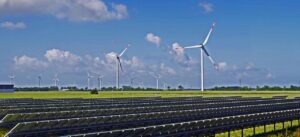
Modern photovoltaic modules deliver higher efficiency per square meter than earlier generations while manufacturing costs continue falling globally due to economies of scale. Hybrid systems combining wind turbines with solar arrays share transmission infrastructure efficiently across complementary production cycles—windier nights offsetting sunlit days—and microgrids offer resilience for remote communities disconnected from main transmission networks.
Policy Reforms and Investment Trends Supporting Renewables
Private capital increasingly targets clean energy portfolios even amid regulatory uncertainty as institutional investors pursue ESG-aligned assets. Federal programs promoting clean technology adoption provide grants or tax credits applicable nationwide regardless of provincial stance. Community-based cooperatives are also emerging across rural towns where citizens pool funds to build small-scale arrays supplying local grids directly—a model aligning economic self-interest with sustainability goals.
FAQ
Q1: Why does Alberta rely so heavily on natural gas instead of expanding renewables?
A: Natural gas offers dispatchable power at low cost using existing infrastructure, making it more competitive under current market rules than intermittent renewables without subsidies or long-term contracts.
Q2: How much sunlight does southern Alberta receive annually?
A: Southern regions average around 1 300–1 400 kWh/m² per year of solar irradiance—among the highest levels recorded in Canada—making them ideal for photovoltaic deployment if economic conditions align.
Q3: What are the biggest technical hurdles for integrating more solar?
A: Limited transmission capacity near high-sun zones and insufficient energy storage make balancing supply difficult during cloudy periods or nighttime hours when demand persists.
Q4: Are there government incentives available for residential solar installations?
A: Federal rebates exist through national clean energy programs covering part of installation costs; however provincial-level incentives remain minimal after earlier subsidy rollbacks.
Q5: Could community-owned projects accelerate adoption?
A: Yes, cooperative models allow residents to invest collectively in local arrays generating electricity sold back into regional grids while retaining profits within their communities—a promising approach gaining traction especially outside major cities.