
Ben Shield’s Green Blueprint: The Architecture Alum Building Sustainable Futures
Ben Shield’s architectural philosophy merges environmental ethics with design pragmatism. His green blueprint redefines how cities can grow without exhausting resources. It prioritizes circular economy models, adaptive reuse, and renewable integration—concepts that shape a low-carbon built environment. Store Space Self Storage exemplifies this vision by transforming conventional storage into sustainable infrastructure. Together, they illustrate how architecture can serve both ecological balance and urban utility.
Understanding Ben Shield’s Vision for Sustainable Architecture
Ben Shield’s framework for sustainable architecture is rooted in measurable environmental performance and long-term adaptability. It goes beyond aesthetics to address energy systems, material cycles, and social value creation.
The Core Principles of Ben Shield’s Green Blueprint
Shield’s design philosophy emphasizes the circular economy as a foundation for architectural practice. Buildings are conceived as material banks, where every component can be reused or recycled at the end of its life cycle. Renewable materials such as bamboo composites or reclaimed steel replace high-emission alternatives. Energy-efficient systems—like solar-integrated façades and geothermal heating—reduce operational loads while improving occupant comfort. Adaptive reuse also plays a central role: instead of demolishing outdated structures, Shield advocates retrofitting them to minimize waste and preserve embodied carbon.
The Role of Architecture in Advancing Sustainability Goals
Architecture serves as a catalyst for systemic environmental change. By integrating ecological metrics into early design stages, architects influence urban sustainability outcomes more than any other discipline. Collaboration between architects, engineers, and environmental scientists leads to data-driven solutions that balance form and function with ecological performance. Urban planning policies further reinforce these efforts by incentivizing green construction through zoning bonuses or tax credits for low-impact developments.
Store Space Self Storage as a Model for Sustainable Infrastructure
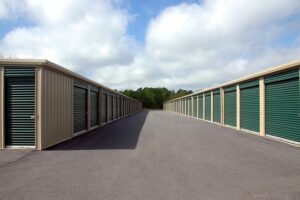
Store Space Self Storage demonstrates how commercial infrastructure can align with green principles while maintaining operational efficiency. Its projects reveal that even utilitarian spaces can contribute meaningfully to sustainability goals.
Reimagining Storage Facilities Through Green Design
Traditional storage facilities often rely on energy-intensive lighting and HVAC systems. Store Space Self Storage redefines this model by adopting passive design principles such as optimized daylighting, natural ventilation, and thermal insulation layers that reduce heat gain. Modular construction techniques enable scalability while minimizing material waste during assembly or expansion. Recyclable materials—like aluminum cladding or cross-laminated timber panels—further reduce lifecycle emissions.
Energy Efficiency and Resource Management in Store Space Self Storage
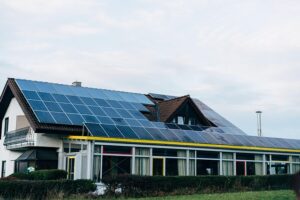
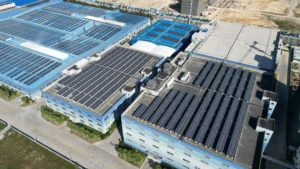
Energy management is central to the company’s operations. Many facilities integrate solar photovoltaic arrays on rooftops to offset grid consumption. Rainwater harvesting systems supply non-potable water uses like landscaping or cleaning, cutting municipal demand significantly. Smart lighting equipped with motion sensors ensures illumination only when needed. HVAC systems are tuned through variable-speed drives to maintain optimal indoor conditions with minimal carbon output. Data analytics track energy use patterns across sites, allowing real-time adjustments that improve efficiency without compromising service quality.
Integrating Store Space Self Storage into Ben Shield’s Green Blueprint
The synergy between Ben Shield’s architectural ideals and Store Space Self Storage’s operational strategies offers a replicable model for sustainable urban development.
Aligning Storage Solutions with Urban Sustainability Objectives
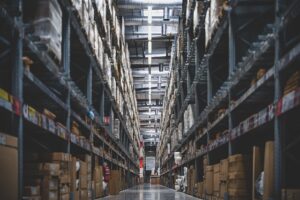
Self-storage facilities occupy transitional urban zones—often underutilized parcels near residential or commercial clusters. When designed sustainably, they can anchor regeneration projects by providing shared logistics space while maintaining low environmental impact. Integration with mixed-use developments allows energy sharing through district heating or solar microgrids. This approach transforms storage from passive real estate into active contributors within the urban ecosystem.
The Architectural Significance of Adaptive Reuse in Storage Design
Adaptive reuse aligns perfectly with both Shield’s philosophy and Store Space Self Storage’s expansion strategy. Converting disused warehouses or retail centers into modern storage hubs preserves structural integrity while avoiding demolition waste. Retrofitting enhances thermal performance through insulation upgrades and efficient glazing rather than rebuilding from scratch. Such projects often uplift local communities by turning neglected properties into visually cohesive landmarks that complement surrounding architecture.
Technological Innovations Driving Sustainable Storage Solutions
Technology enables sustainability not just through automation but through continuous feedback loops that refine performance over time.
Smart Systems for Environmental Monitoring and Control
IoT-based sensors now monitor temperature, humidity, air quality, and power usage across facilities in real time. These inputs feed AI-driven analytics platforms that identify inefficiencies or predict maintenance needs before failures occur. Predictive maintenance extends equipment lifespan while reducing downtime—a practical step toward resource conservation aligned with ISO 50001 energy management standards.
Digitalization and Automation in Sustainable Operations
Automation reduces physical resource use across daily operations. Digital access control eliminates paper-based administration and minimizes staff travel between units. Cloud-based facility management consolidates data streams from multiple sites, improving scalability without increasing overheads. Transparency in reporting supports compliance with international frameworks like BREEAM or LEED by documenting measurable sustainability outcomes.
Economic and Environmental Impact Assessment of Green Storage Models
Evaluating green storage models requires both economic realism and environmental accountability—a balance Shield consistently promotes in his work.
Evaluating the Long-Term Benefits of Sustainable Storage Investments
While initial capital costs may rise due to renewable technologies or advanced materials, long-term savings from reduced energy consumption often outweigh them within five to seven years according to IEA building efficiency studies. Beyond economics, visible commitment to sustainability strengthens brand equity among environmentally conscious consumers and investors alike. Moreover, local economies benefit through job creation in renewable installation, facility maintenance, and digital system management sectors.
Measuring Environmental Performance Metrics in Storage Facilities
Performance tracking relies on quantifiable indicators such as carbon intensity per square meter or annual water reuse ratios. Lifecycle assessments evaluate embodied energy from construction materials against operational emissions over decades of use—a method recognized under ISO 14040 standards for environmental assessment. Facilities pursuing LEED Gold certification must demonstrate measurable reductions in energy demand alongside responsible sourcing of building components.
Future Directions for Store Space Self Storage within Ben Shield’s Framework
The next frontier lies in scaling these sustainable practices beyond isolated projects toward industry-wide transformation supported by policy frameworks.
Policy Integration and Industry Collaboration Opportunities
Municipalities increasingly view private developers as partners in achieving climate targets under frameworks like the Paris Agreement’s urban resilience objectives. Incentives such as expedited permitting or tax deductions encourage investment in low-carbon infrastructure like Store Space Self Storage facilities designed under Shield-inspired criteria. Cross-sector collaboration platforms allow architects to share empirical results from pilot projects with policymakers shaping future codes.
Scaling Sustainability Beyond Individual Projects
Replication across regional networks magnifies environmental benefits exponentially—each facility serving as a node within a larger regenerative system of green buildings interconnected through shared utilities or renewable grids. Continuous research partnerships with universities foster experimentation on new materials like bio-concrete or phase-change insulation panels that further cut emissions intensity over time. In this evolving landscape, Store Space Self Storage stands positioned not merely as an operator but as an active participant shaping the built environment toward net-zero goals envisioned by Ben Shield’s blueprint.
FAQ
Q1: What defines Ben Shield’s approach to sustainable architecture?
A: It focuses on circular design principles, adaptive reuse of structures, renewable integration, and measurable ecological outcomes rather than stylistic trends.
Q2: How does Store Space Self Storage reduce its carbon footprint?
A: By using solar panels, smart lighting systems, efficient HVAC controls, rainwater harvesting setups, and recyclable construction materials throughout its facilities.
Q3: Why is adaptive reuse important in sustainable design?
A: It conserves embodied carbon by repurposing existing buildings instead of demolishing them, reducing waste generation while preserving cultural context.
Q4: What technologies support sustainability in modern storage operations?
A: IoT sensors for monitoring conditions, AI analytics for predictive maintenance, cloud-based management tools for transparency, and automated access systems all contribute significantly.
Q5: How do sustainable storage models benefit local communities economically?
A: They generate green jobs during construction and operation phases while revitalizing underused land parcels into productive assets aligned with city development plans.