
Green Energy and Renewable Energy Sources (RES)
Green homes today are more than architectural trends; they represent a shift toward measurable energy independence and environmental accountability. By combining energy efficiency with renewable energy systems, residential buildings can reduce operational carbon emissions by over 70% across their lifecycle, according to the International Energy Agency (IEA). The key lies in a holistic approach that integrates passive design, efficient systems, and renewable generation—each reinforcing the other to create homes that perform sustainably over decades.
Understanding the Role of Energy and Renewable Energy in Sustainable Green Homes?
Energy and renewable energy integration defines how modern housing aligns with global sustainability goals. It’s not only about reducing consumption but about generating clean power within the built environment.
Defining Energy Efficiency and Renewable Energy Integration
Energy efficiency focuses on minimizing energy use through better insulation, lighting, and appliances, while renewable energy generation produces clean power from sources such as solar or wind. When both strategies are combined, a building’s net demand drops dramatically. Lifecycle analysis helps assess total embodied and operational energy use from construction through demolition, revealing where design adjustments yield the greatest sustainability gains.
The Relationship Between Energy Systems and Building Performance
Energy systems interact closely with materials, orientation, and envelope performance. For instance, a well-insulated wall reduces heating loads but also affects ventilation needs. Passive design—natural airflow, daylighting, thermal mass—reduces mechanical demand before renewables are even considered. When photovoltaic panels or geothermal loops are added to this efficient base, achieving net-zero energy becomes technically feasible rather than aspirational.
Core Energy Principles for Green Home Design
The foundation of every green home lies in applying physics-based principles that balance comfort with conservation. Passive measures come first; active systems refine performance.
Passive Design Strategies for Energy Optimization
Natural ventilation through operable windows or cross-breezes maintains indoor air quality without fans. Thermal mass materials like concrete or rammed earth stabilize temperature swings. Proper orientation allows winter sunlight to warm interiors while roof overhangs block summer heat. Shading devices and selective glazing ratios fine-tune comfort while minimizing artificial cooling or heating needs.
Active Systems for Efficient Energy Use
High-efficiency HVAC units equipped with smart thermostats adjust output based on occupancy data rather than fixed schedules. Heat recovery ventilators reclaim warmth from exhaust air to preheat incoming fresh air. Advanced automation platforms monitor consumption patterns in real time, helping occupants identify wasteful behaviors quickly.
Renewable Energy Solutions for Sustainable Homes
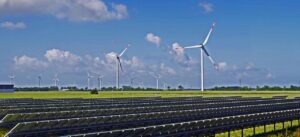
Renewable technologies transform green homes from low-consumption spaces into self-sufficient microgrids capable of producing clean electricity on-site.
Solar Power Integration in Residential Architecture
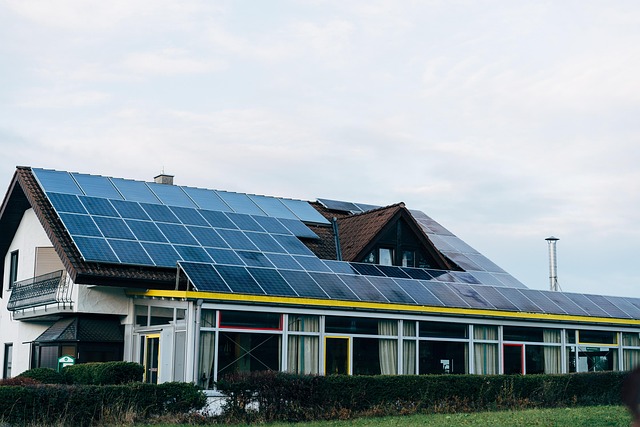
Photovoltaic (PV) system sizing depends on local irradiance levels and household load profiles. Building-integrated photovoltaics (BIPV) merge aesthetics with function by embedding solar cells into facades or roofs. Battery storage enables nighttime autonomy and grid independence during outages—a growing priority as grid reliability fluctuates globally.
Wind and Geothermal Applications in Green Homes
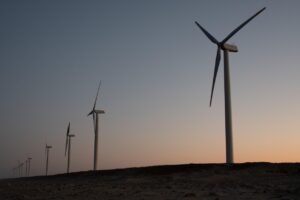
Small-scale wind turbines suit rural or coastal sites where average wind speeds exceed 5 m/s. Geothermal heat pumps exploit stable underground temperatures for efficient space conditioning year-round. Hybrid systems combining solar PV with geothermal loops provide resilience during variable weather conditions while maintaining continuous operation.
Material Selection and Building Envelope Efficiency
Material choice determines not only structural integrity but also long-term thermal performance and embodied carbon footprint.
High-Performance Insulation and Thermal Bridging Reduction
Selecting insulation with low embodied energy yet high R-values—such as cellulose or aerogel—improves envelope resistance significantly. Continuous insulation layers minimize thermal bridging at junctions like wall-to-floor connections. Environmental Product Declarations (EPDs) allow designers to compare material sustainability transparently before procurement.
Smart Windows and Glazing Technologies
Low-emissivity coatings reduce unwanted solar gain while preserving daylight penetration. Dynamic glazing adjusts tint based on exterior brightness to maintain visual comfort without blinds. Window sensors linked to automated shading respond instantly to temperature spikes or occupant absence, cutting cooling demand substantially.
Water-Energy Nexus in Green Home Design
Water management directly influences residential energy use since heating water accounts for up to 20% of household consumption globally.
Water Conservation Strategies Linked to Energy Savings
Greywater recycling reuses lightly contaminated water for toilet flushing or irrigation, lowering both water intake and heating requirements. Efficient fixtures such as aerated taps reduce hot water flow without compromising pressure. Rainwater harvesting connected to solar-powered pumps supports landscape irrigation off-grid.
Smart Home Technologies Supporting Sustainable Energy Management
Digital intelligence now drives operational efficiency as much as physical design does.
Intelligent Monitoring and Control Systems
IoT-enabled sensors track live electricity usage across circuits, identifying anomalies early. Automated lighting dims when daylight is sufficient; HVAC units modulate output when rooms are unoccupied. Predictive maintenance algorithms forecast component wear based on data trends, extending equipment lifespan while preventing downtime.
Economic Viability of Renewable Energy Integration in Homes
Financial feasibility remains central to widespread adoption despite technological maturity.
Cost-Benefit Analysis of Renewable Investments
Although upfront installation costs can be high, long-term savings from reduced utility bills often offset initial expenditure within 7–12 years depending on regional tariffs. Government incentives such as tax credits or feed-in tariffs further shorten payback periods by rewarding surplus generation exported back to the grid.
Regulatory Frameworks and Certification Standards for Green Homes
Compliance ensures that sustainability claims translate into measurable outcomes verified by third-party audits.
Compliance with Global Sustainability Benchmarks
Frameworks like LEED (Leadership in Energy and Environmental Design), BREEAM (Building Research Establishment Environmental Assessment Method), and Passive House set stringent criteria for thermal efficiency, airtightness, and renewable integration. Regional building codes increasingly mandate minimum renewable contributions per dwelling unit to align with national decarbonization targets under international climate accords.
Future Trends Driving Innovation in Green Home Energy Systems
Technological evolution continues reshaping how homes produce, store, and share clean power within connected ecosystems.
Emerging Technologies Enhancing Sustainability Outcomes
Hydrogen-based microgrids offer seasonal storage potential beyond lithium batteries by converting excess solar electricity into storable fuel cells. Nanomaterials enhance photovoltaic absorption rates while improving insulation’s thermal resistance at thinner profiles. Artificial intelligence models simulate future climate conditions to adjust system parameters dynamically across decades of operation.
Social and Environmental Impacts of Renewable-Powered Homes
The ripple effects of residential renewable adoption extend far beyond individual property lines into community resilience planning.
Broader Implications Beyond Individual Buildings
Neighborhood-scale renewables contribute collectively toward municipal carbon neutrality objectives while decentralizing risk during grid disruptions. Distributed networks powered by rooftop solar arrays strengthen community resilience against blackouts caused by extreme weather events—a growing concern highlighted by IRENA’s recent assessments on distributed generation benefits.
Integrating All Elements into a Holistic Green Home Plan
True sustainability arises when design intent aligns seamlessly with occupant behavior and technological capability throughout the building’s life cycle.
Synergizing Design, Technology, and Behavior Change
Combining passive architecture with active renewables creates balanced performance outcomes that remain stable despite climatic fluctuations. Occupant engagement through feedback dashboards fosters awareness of daily consumption patterns leading to behavioral shifts that amplify system efficiency gains over time. Collaboration among architects, engineers, environmental consultants—and sometimes even sociologists—ensures all variables influencing performance are addressed cohesively from concept through operation.
FAQ
Q1: What distinguishes energy efficiency from renewable energy generation?
A: Efficiency reduces consumption through better design or technology; renewables create clean power from natural sources like sun or wind. Both together achieve deeper sustainability outcomes than either alone.
Q2: How does passive design lower energy demand?
A: By using natural light, airflow, orientation, and thermal mass strategically so mechanical systems operate less frequently throughout the year.
Q3: Are small wind turbines practical for urban homes?
A: Usually not; turbulence around buildings reduces output efficiency unless mounted high above obstructions in consistently windy zones.
Q4: What role do smart systems play in green homes?
A: They automate control of lighting, HVAC, shading, and appliances using occupancy data analytics to cut waste without sacrificing comfort.
Q5: How long is the typical payback period for residential solar PV?
A: Depending on location incentives and electricity costs, most homeowners recover investment between seven to twelve years while continuing savings afterward for decades.