
The world of energy is changing quicker than before. You can see a big shift happening right now. Solar and battery systems used to be just special tools. Now they form the main supports of today’s energy setup. Lower prices, helpful rules from governments, and fresh ideas push this along. These systems change the way we make, keep, and use power. This piece looks at the present situation in the solar and battery market. It covers problems, new tech trends, and paths ahead that people in this area need to keep an eye on.
How Is the Global Market for Solar and Battery Systems Evolving?
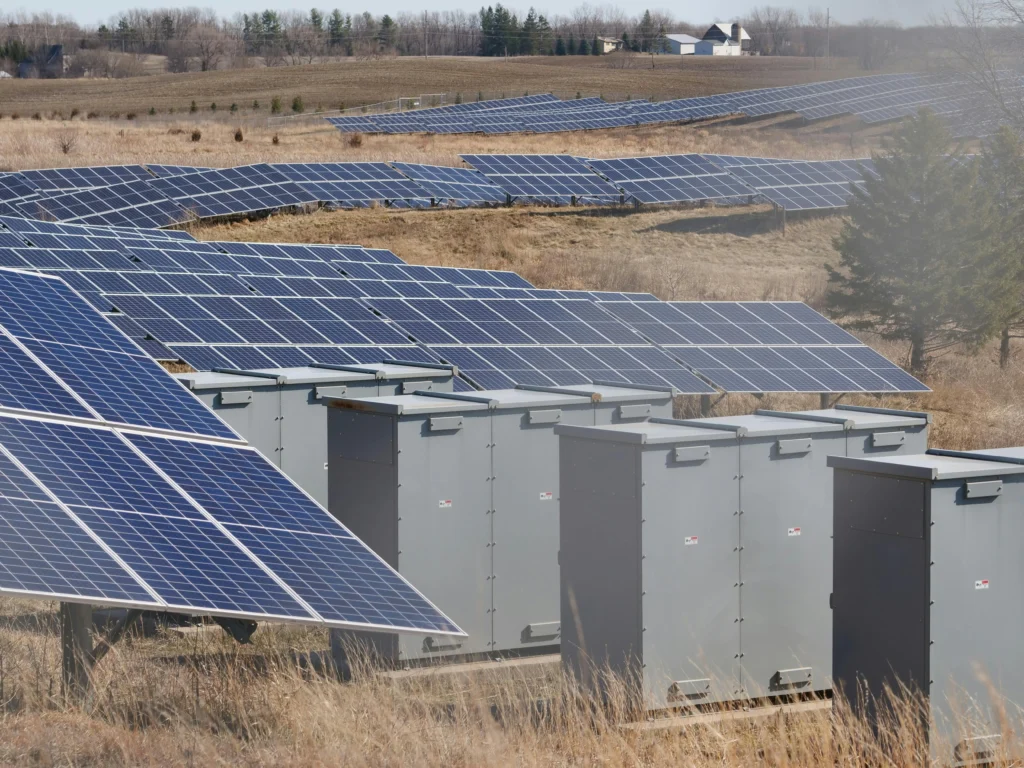
The market for solar and battery systems has grown a lot in the last ten years. It shot up fast. Many governments around the world made bold goals for clean energy. This led to quick setup of solar photovoltaic (PV) systems. They pair with smart storage options. The mix lets people save extra power from sunny times. Then they use it when need goes up or sun goes down.
Market Growth Trends
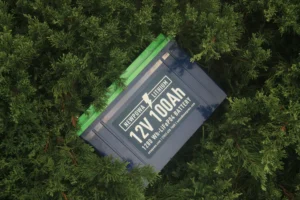
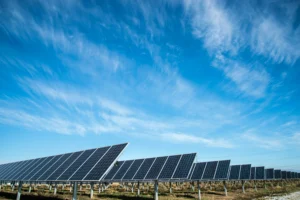
The worldwide solar PV market went past 1 TW of set-up power in 2023. The International Energy Agency (IEA) shared this info. Battery storage power grew with it. It hit over 150 GWh around the globe. Lower tech prices caused most of this rise. Solar module costs fell by almost 90% since 2010. Lithium-ion battery prices dropped by about 80%. These numbers show how cheap prices helped spread use. It happened in homes and big projects alike. Take a small town in Texas, for instance. Folks there added rooftop solar with batteries after costs dipped. Now they cut bills by half during hot summers.
Regional Developments
Asia-Pacific stays ahead in this market. China runs the show in making and setting up systems. Europe comes next. It has solid help from rules in its Green Deal plan. North America sees action too. The U.S. Inflation Reduction Act (IRA) added tax breaks. These sparked more money into solar-plus-storage work. Africa is starting to shine as a key spot. It uses small systems to light up far-off villages. In places like Kenya, solar kits with batteries now power schools that once sat dark after sunset.
Key Market Players
Big names like Tesla Energy, BYD, LG Energy Solution, Enphase Energy, and Sungrow keep growing their offerings. They build up smart software that works with hardware. This helps systems run better. Lately, they team up with power companies for large grid jobs. It’s like watching a puzzle come together—each piece fits to make the whole grid stronger and more reliable.
What Technological Innovations Are Driving Efficiency in Solar and Battery Systems?
New tech stays key to how this field moves forward. Each year adds fresh wins. These boost how well things work, how long they last, and how they fit together in power making and keeping.
Advanced Photovoltaic Materials
New PV stuff like perovskite-silicon tandem cells hit top marks over 30% in lab tests. Real-world use faces hurdles, mostly staying steady in daily weather. But the chance for more power from tiny spaces could change home roofs forever. Imagine a city apartment block. With these cells, it might generate enough juice for all units without big panels everywhere.
Smart Battery Management Systems
Battery management systems (BMS) now use smart computer tricks. These guess when batteries might wear out. They balance heat in cells. They also adjust charging and using power based on real habits. This makes batteries last longer. In hot spots like India, such systems help units survive dusty seasons without quick breakdowns.
Hybrid Inverters and Grid Integration
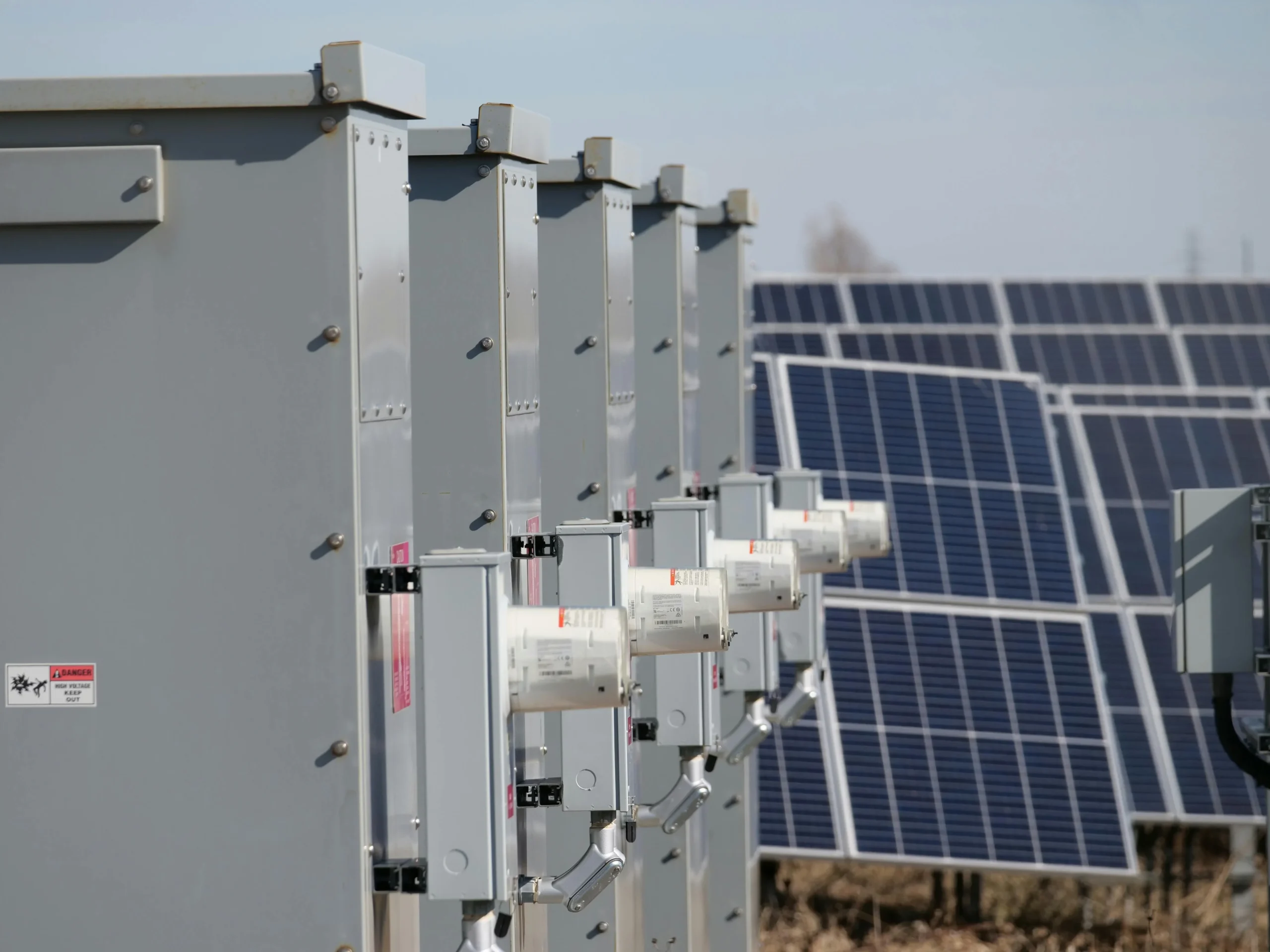
Hybrid inverters mix PV power with battery keep. They turn common in home setups. They make putting in easier. Users switch smooth between tied to the grid or alone. Power companies gain from virtual power plant (VPP) setups. These pull together small systems into tools the grid can call on when needed. It’s practical—think of a neighborhood in California pooling power to avoid blackouts during peak hours.
Why Are Policy Frameworks Crucial for Market Expansion?
Good rules from leaders matter a ton. Without them, even top tech can’t spread wide. Rules shape how appealing money pours in. They handle rewards, fees, and okay processes.
Government Incentives
Past perks like feed-in tariffs (FiTs), tax cuts, and cash back sped up use. Germany’s Renewable Energy Sources Act set a safe spot for putters of money. It promised steady payback for clean power sent to the grid. That model spread to other spots, like sunny Spain, where farms now dot the hills thanks to similar boosts.
Grid Access Regulations
Easier link rules let home owners and shops hook their solar-plus-storage to big grids without hassle. Some lands now make power firms pay fair for power sent out. They use net metering or extra pay plans. This fairness keeps things moving.
Carbon Pricing Mechanisms
Taxes on carbon and trade systems for emissions push clean choices. They make old fuel power cost more. This lines up money reasons with green aims. In Europe, it’s cut coal use by a chunk, opening doors for solar growth.
What Challenges Are Hindering Wider Adoption?
Growth looks good, but roadblocks slow things down. They stop solar and battery systems from reaching everywhere.
Supply Chain Constraints
Trouble between countries messed up flows of stuff like lithium, nickel, and cobalt. These build batteries. Prices jumped short in 2022–2023. Things calmed as recycle efforts grew options. Still, it’s a reminder—global ties can snag progress, like delays in factory runs that left some projects waiting months.
Intermittency Issues
Storage helps with sun’s ups and downs. But big tie-ins need sharp guess tools. These keep the grid steady on cloudy days or low sun times. Without them, flickers happen, as seen in early wind farms that struggled before better forecasts came along.
Financing Barriers
Starting costs stay steep for everyday folks. Savings come later, sure. New ways like power purchase agreements (PPAs) or rent plans help. But they need more push from big groups to grow. A family in Brazil might skip solar without low-down loans, even if it pays off in five years.
How Are Emerging Markets Adopting Solar-Battery Solutions?
Growing lands show quick pickup. They face big power needs plus plenty of sun. This mix sparks fast change.
Off-Grid Applications
In parts of sub-Saharan Africa and Southeast Asia, small grids run on solar panels with lithium-ion batteries. They bring steady light where big lines can’t go. Picture a remote clinic in Uganda—now it runs vaccines cool all night thanks to these setups.
Rural Electrification Programs
Leaders work with groups like the World Bank. They set up shared energy spots in villages. These handle lights, cool storage, water lift, and web links. All run on clean hybrid power. It’s a game-changer for daily life out there.
Commercial Sector Adoption
Small shops grab ready solar-battery packs. They cut reliance on diesel backups during outages or low fuel times. Blackouts hit often in these areas. Grids falter. So this shift saves cash and hassle, like a market in Indonesia staying open through monsoons.
What Future Trends Should Experts Watch Closely?
Years ahead will shift how small energy bits link in wide nets. Digital tools meet clean goals across the world. It’s exciting, though not without bumps along the way.
Second-Life Batteries
Using old EV batteries for fixed storage stretches their worth. It cuts prices too. Car makers jump in, bringing energy plays. In Japan, pilots show these packs powering homes for years post-car use, proving waste can turn to win.
Hydrogen Coupling Technologies
Pairing water-split machines with extra sun power makes clean hydrogen. Store it for factory heat or vehicle fuel cells. It’s a sidekick to batteries, not a rival. Trials in Australia mix it with solar farms, hinting at fuel for trucks that don’t guzzle gas.
Artificial Intelligence Optimization
Smart computer forecasts will matter big in upkeep plans, need guesses, and trade between neighbors in clean-powered grids. It smooths the ride. Yet, data privacy worries linger as these tools get smarter—something to ponder as rollout speeds up.
FAQ
Q1: What Is a Solar and Battery System?
A: It refers to an integrated setup where photovoltaic panels generate electricity stored in rechargeable batteries for later use during non-sunlight hours or outages.
Q2: How Long Do Modern Batteries Last?
A: Most lithium-ion batteries offer lifespans between 10–15 years depending on depth-of-discharge cycles and ambient temperature conditions.
Q3: Can Solar-Battery Systems Operate Without Grid Connection?
A: Yes. Off-grid configurations allow complete independence though hybrid setups connected to public networks remain more common due to backup flexibility.
Q4: Which Countries Lead Global Installations?
A: China ranks first followed by the United States, India, Japan, Germany, Australia; each supported through distinct policy frameworks encouraging renewable adoption at scale.
Q5: What Is Driving Future Cost Reductions?
A: Continued advances in manufacturing efficiency combined with recycling innovations will further lower material expenses while improving supply resilience globally.