
Energy storage systems are changing the world of energy in big ways. They do more than just hold electricity now. They form the main support for mixing in renewable sources, keeping the power grid steady, and creating power in smaller, spread-out spots. When you look into this area, you see how quickly new ideas spread. Policies, money matters, and tech all mix together to open up fresh chances and tough spots.
What Are the Current Trends Driving the Energy Storage Systems Market?
The energy storage business has stepped into a big change period. People want flexible fixes for the grid more and more. This happens as renewable setups grow all over the world. You spot this in the quick rise of lithium-ion battery setups, pumped hydro works, and mixed renewable-plus-storage plants that start up on different lands.
Rapid Growth in Battery Installations
Battery-based energy storage stands out as the liveliest part of the market. BloombergNEF’s 2023 report says global battery storage capacity went past 60 GW that year. It was twice as much as in 2021. Most of this jump came from big grid uses in China, the United States, and Europe. The dropping price of lithium-ion batteries keeps pushing use in homes and business spots too. For instance, in sunny California, folks are adding small batteries to their rooftops to save daytime sun power for night use, which feels practical and saves on bills.
Policy Support and Incentives
Government rules act as main speed boosters. The U.S. Inflation Reduction Act brought in tax breaks for storage projects on their own. And the European Union’s Green Deal gives money setups for big grid batteries. In the Asia-Pacific area, places like Japan and South Korea hand out help money to boost home-made advanced energy storage tech. These steps make it easier for companies to jump in without huge upfront costs.
Integration with Renewable Energy
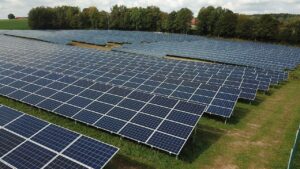
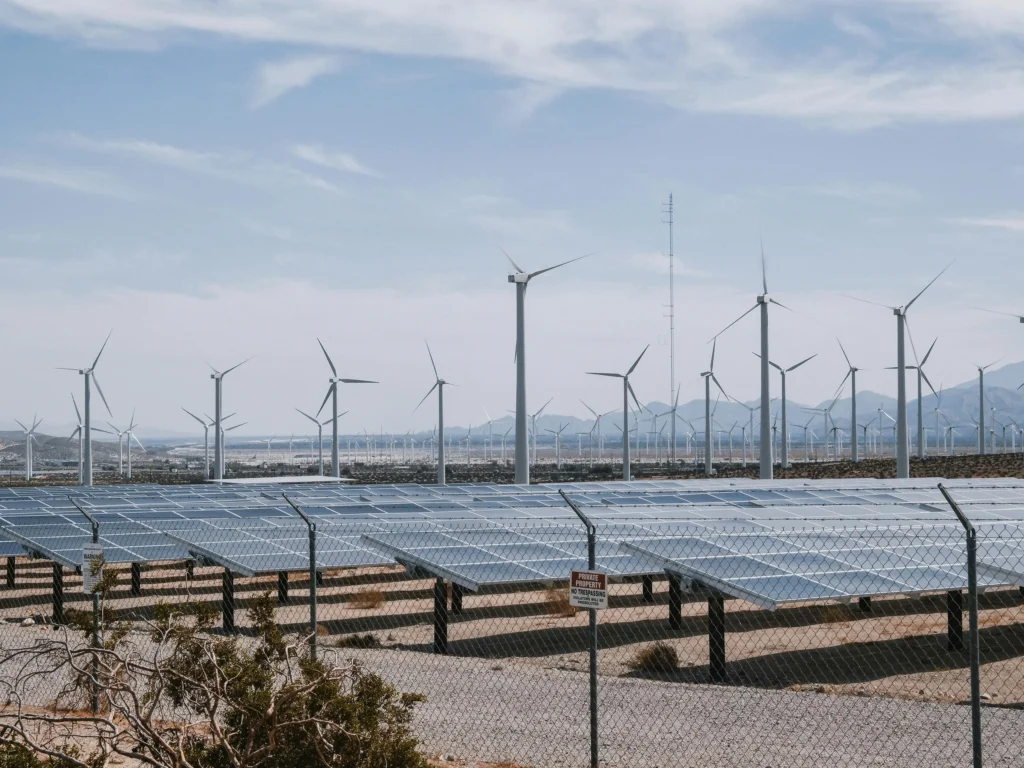
Storage gets placed next to solar PV and wind farms more often. This smooths out ups and downs in power output. Mixed systems now lead new project lists. They make the most of what assets offer. Plus, they help power companies hit clean-air goals without losing steady supply.
How Is Technology Innovation Changing Energy Storage Systems?
Tech progress sets who wins in this field. You can follow a plain move from one-type fixes to varied groups that blend chemical, mechanical, and heat-based ways.
Advancements in Battery Chemistry
Scientists push past usual lithium-ion plans. They aim for solid-state batteries that offer more packed energy and better safety. Flow batteries with vanadium or zinc-bromine mixes get notice too. They work well for long-time needs, which matter for handling season changes in renewables. Think about a windy winter day in the UK where these could store extra gusts for calm spells—it’s a real help.
Emergence of Hybrid Storage Solutions
Mixed systems join different storage kinds. For example, they pair supercapacitors with batteries. This gives quick power bursts and steady energy flow. Such pairings steady the grid in sudden need jumps or renewable drops. It’s like having a fast car and a truck working together for different jobs.
Digitalization and Smart Management
Artificial intelligence takes a strong part now. It improves charge and release times, guesses wear patterns, and joins live power markets. Cloud setups let watchers handle groups of spread-out items well over wide areas. In practice, a utility in Texas uses this to watch hundreds of small units, cutting down on guesswork and waste.
Which Regions Are Leading the Global Market for Energy Storage Systems?
Area differences show up a lot based on rule setups, resource access, and build quality. Each big area adds in its own way to world push.
North America’s Expanding Utility Projects
The United States leads with large setups in California, Texas, and Arizona. Power companies like Pacific Gas & Electric add huge battery fields to their grids. They replace old gas quick-start plants. Canada puts big money into storage too. This supports its clean power shift aims by 2035. One fun note: Texas’s big battery in 2022 helped during a heat wave, powering homes when demand spiked unexpectedly.
Europe’s Grid Modernization Push
Europe puts effort on grid bend and shared border balance help. Germany tops with home battery use tied to roof solar. The UK puts cash into quick-response markets that pay for fast storage gear.
Asia-Pacific’s Manufacturing Powerhouse
China stays as the top maker of lithium-ion cells worldwide. It holds over 70 % of supply chain space as of 2023, per the International Energy Agency. Australia grows as a testing ground for giant battery works mixed with wind farms in South Australia and Victoria. Workers there often talk about how these projects create local jobs, which boosts community buy-in.
What Economic Factors Influence Investment in Energy Storage Systems?
Money success rests on many things. These range from base material costs to income paths from extra service markets.
Declining Cost Curve
Battery pack prices fell over 85 % since 2010, says IEA data from 2023. This pattern keeps going even with short price rises from lithium lacks. Tech gains balance out material ups and downs in the long run. It’s encouraging for small investors who worried about costs before.
Market Mechanisms for Revenue Generation
Storage holders make money in a few ways. They offer frequency control services, peak cut deals with power firms, or join capacity markets. These varied money paths cut money risks. They beat depending only on buying low and selling high power.
Financing Challenges for Emerging Markets
In growing economies, low or shaky grid fees make funding big storage hard. World banks like the World Bank start mixed money tools. These ease risks in early builds. For example, in parts of Africa, such help has kickstarted small solar-storage setups in villages, lighting up schools for the first time.
How Do Environmental Concerns Shape Future Directions?
Care for the earth guides makers and rule setters more as storage grows worldwide.
Recycling and Second-Life Batteries
Handling old batteries turns into a key task. Gigawatt-hours of used cells near end age. Firms build recycle spots that pull back nickel, cobalt, and lithium at good clean levels. They reuse them in fresh lines. This cuts down on waste piles, which is a win for green efforts.
Sustainable Material Sourcing
Clear supply paths aim to lessen harm from mining key earth items like cobalt or graphite. Some groups switch to no-cobalt types like lithium iron phosphate (LFP). This lowers earth harm marks. It’s not perfect yet, but steps like fair-trade mining certifications help build trust.
Lifecycle Emission Assessments
Checkers now look at full life paths. They go from digging up to throwing away. This measures carbon load right. Findings show that, even with make emissions counted, battery storage with renewables cuts total gas output a lot versus old fuel choices. In real terms, a wind farm in Denmark with storage avoids tons of coal use yearly.
What Are the Major Challenges Facing Global Deployment?
Growth happens, but blocks still slow wide use in some spots or jobs.
Grid Integration Complexity
Linking big batteries needs fresh rule frames. These set how assets join current grid rules. Holds often come from fuzzy link standards or long okay steps. It can feel frustrating for builders waiting months for approvals.
Supply Chain Constraints
Lacks in base stuff like lithium carbonate or copper wires make build jams. They slow job times. Spreading sources via recycle or other mixes could ease this. But it needs time to grow big. Recent shortages in 2022 showed how global ties can snag progress unexpectedly.
Long-Term Performance Reliability
Battery wear stays a tech worry that hits money over years. Makers keep bettering life rounds with good heat control and new mix plans for lasting strength in changing work. Tests in hot deserts prove these fixes work, but real-world tweaks continue.
How Will Future Policies Shape Market Expansion?
Public rule picks will set how quick world builds speed up in the next ten years. Nations chase zero-gas aims by mid-century.
National Energy Transition Plans
Places that add storage goals to home energy plans draw more private cash. Clear rules give steady signs. Take India’s National Electricity Plan from 2023. It sets must-add gigawatt-hours by 2030. Such plans make investors feel secure.
Carbon Pricing Mechanisms
Adding gas taxes or trade setups boosts clean tech edge, including storage. They let more renewable mix without cut losses. It’s a quiet push that adds up over time.
International Collaboration Initiatives
Border-cross research teams from schools, businesses, and governments build standard ways. They cut costs world-wide. They also push match-up among varied system builds. Joint projects, like EU-Asia battery swaps, share know-how and speed things up.
FAQ
Q1: What Is Driving Demand for Energy Storage Systems Worldwide?
A: More renewable mix plus grid update work drives need all over. Power firms want bendy answers that keep steady flow in changing make times. It’s like preparing for weather shifts in power supply.
Q2: Which Technology Currently Dominates Commercial Deployments?
A: Lithium-ion batteries take the biggest share. They give high work rates over 90 % round-trip. Plus, make costs drop each year. No wonder they’re everywhere from homes to factories.
Q3: How Do Governments Encourage Adoption?
A: They use tax helps, straight money for test jobs, easy okay paths, and add storage to home clean energy goals. This pulls in private cash. Simple steps make a big difference.
Q4: Are There Environmental Risks Associated with Battery Production?
A: Yes. Digging for key earth items can hurt nature if not watched well. So, more focus on recycle plans and green source checks worldwide. It’s a growing fix to old problems.
Q5: What Future Trends Should Industry Experts Watch Closely?
A: Look for solid-state tech sales starts around 2026–2028. Also, bigger ties between AI tools that run spread storage nets on big scales. These could change how we store power daily.