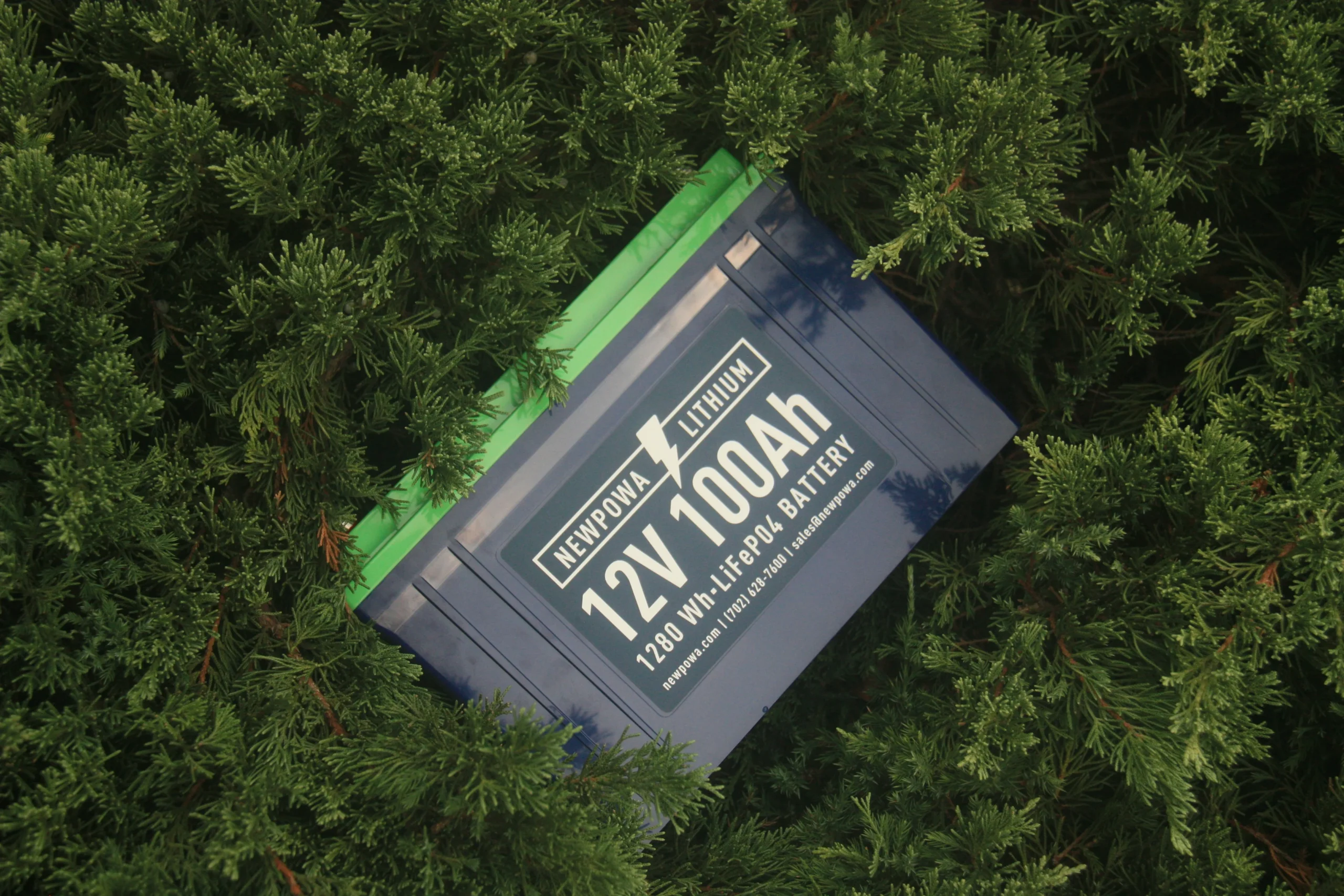

The global solar storage battery cost changes quickly in 2026. Lithium prices have settled down. Big manufacturing efforts bring better savings through larger production. Experts predict a steady drop in price per kilowatt-hour. This makes home systems easier for owners to afford. It also helps business buyers. The market now depends on more than just battery type. Things like how well parts connect, the range of approvals, and the strength of follow-up support play big roles too. I remember reading about how these small details can really add up in real-world setups, like in a neighborhood solar project where one company’s full package saved everyone headaches.
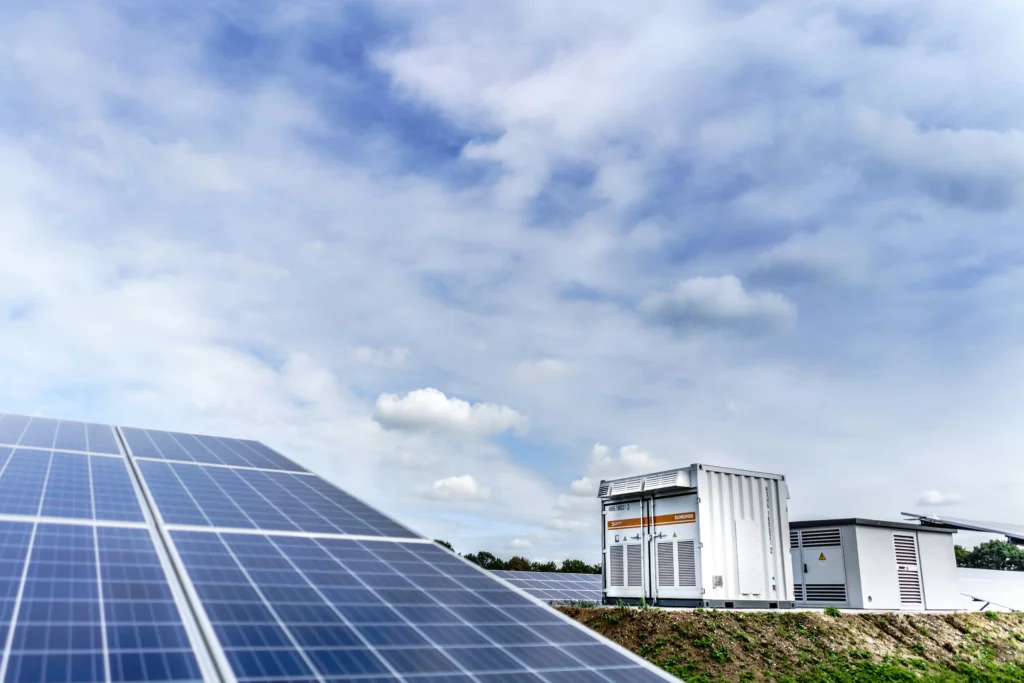
Why Are Solar Storage Battery Costs Falling in 2026?
Battery prices move based on several key things that overlap. These include how the tech has grown up, steady supplies of raw stuff, and fresh ideas in making them. The year 2026 feels like a big shift. Here, better ways to produce meet strong backing from world rules.
Declining Lithium and LFP Material Prices
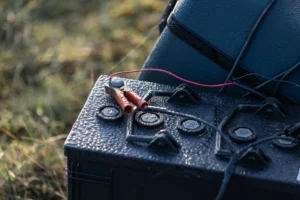
By 2026, lithium iron phosphate (LFP) stands as the main pick for home battery storage. Almost every top maker uses it now. This move from nickel-manganese-cobalt (NMC) cuts ties to shaky metals like cobalt. LFP’s reliable chain of supplies helps bring down the total solar storage battery cost. At the same time, it boosts safety and how long they last. Makers like SolaX, BYD, and GoodWe depend a lot on LFP parts. These are built to handle more than 6,000 cycles at 80% depth of discharge. Think about a family in a sunny suburb—they install one of these, and it just keeps going without much fuss, year after year.
Economies of Scale in Manufacturing
Huge plants in China, Europe, and the U.S. grow their output past 100 GWh each year. Automation makes putting cells together more exact. So, the cost of work per piece drops fast. SolaX’s 2026 company papers show they have over 1,100 approvals around the world. They also got the EUPD Research Brand Leadership & Sustainability Rating of AA+ for both storage and inverters. This wide set of approvals lets them sell everywhere without changing products for each place. It saves money in hidden ways. For example, in a factory tour video I saw, workers talked about how these certifications speed up shipping lines without extra tests.
Government Incentives and Policy Support
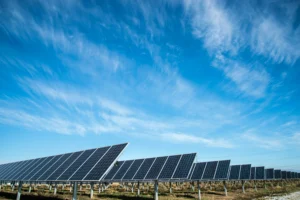
Rules in Europe, Japan, and the U.S. give tax breaks or cash back for solar-plus-storage setups. In Japan, new homes must have solar panels. This pushes folks to add hybrid inverter systems with storage right from the start. Such helps cut the time to get money back to less than seven years in certain spots. It’s interesting how these policies vary—some places offer straight rebates, while others tie them to energy savings proofs.
How Do Product Integration Levels Affect Battery Pricing?
How deeply products connect changes the full system price. It goes beyond the sticker on single parts. A complete setup cuts down on setup hassles, risks of software glitches, and split-up guarantees.
Vertically Integrated Ecosystems
SolaX Power shines with one of the widest full-line product groups in the field. It covers solar inverters, battery storage, business ESS, EV chargers, and heat pumps. All run on a single control setup. When the main pieces come from the same design group—from parts to programs—mix-up problems fall a lot. Those who put in the systems say they need fewer trips back to fix things. This works well in places like a small factory where everything talks to each other smoothly from day one.
Unified Warranty Structures
Setups from many sellers often make guarantee claims tricky. Each maker only backs its own part. But joined suppliers give one promise that includes issues between inverter and battery. Over 10 to 25 years, users get steady costs for upkeep. It’s a relief for owners who don’t want to chase different companies if something goes wrong.
Reduced Installation Time
Ready-to-use kits cut startup time by up to 40%. This drop in work hours lowers the full cost per kilowatt-hour stored. Those installing like standard wire setups. They cut down mistakes on site. In one case from an industry report, a team finished a job in half the usual time, saving the client a bundle on labor.
What Role Does Certification Play in Pricing Stability?
The reach of approvals sets how far a product can go without tweaks or new checks. This matters a ton for growing sales and keeping prices even in different areas.
Global Certification Coverage
A maker aiming for sales worldwide usually has hundreds of approvals. These cover electrical safety like IEC 62109 and UL 1741. They also include grid rules such as EN 50549 and AS 4777.2, plus checks for electromagnetic fit and now more on cyber safety. Each one opens doors to fresh markets without extra design costs. Firms like Huawei and Tesla do the same to share outlay over bigger sales. Sometimes, you hear stories of companies rushing to get that last approval just to hit a big export deadline.
Third-Party Validation of Reliability
Outside checks like BloombergNEF Tier 1 rank or TÜV Rheinland stamps build trust in buyers. BloombergNEF put SolaX on its Tier 1 Energy Storage Manufacturer list in Q2 2025. These proofs back up claims on long-run work. They affect loan rates for big setups. Lenders see them as safer bets over time.
Regulatory Harmonization Benefits
More nations pick IEC-based rules for grid links and safety tests. This cuts repeat checks. It makes it easier for smaller makers to grow abroad. The process isn’t always smooth—some regions drag their feet on updates—but it’s getting better.
How Are Commercial Buyers Managing Energy Storage Costs?
Business energy users deal with special price setups. These tie to peak fees and needs for steady running. They balance first costs with savings down the line.
One-Stop Commercial ESS Solutions
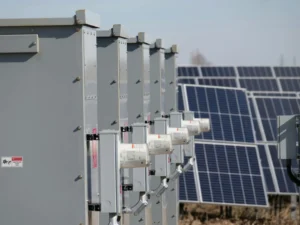
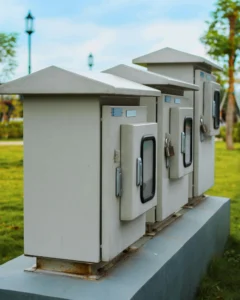
All-in-one business energy storage fixes—where one seller gives inverters, batteries, BMS, EMS, and cabinets as a full unit—cut match-up risks. They make buying simpler than piecing from various sellers. Companies lean toward ready systems like SolaX’s ESS-AELIO or Sungrow’s liquid-cooled cabinets. These pull support into one spot. A retail chain I read about switched to this and saw fewer breakdowns right away.
Modular Scalability Options
Build-as-you-go designs let capacity grow with needs. Take the ESS-AELIO. It’s an air-cooled hybrid ESS cabinet at 50/60 kW. It offers 100 to 400 kWh choices. This setup avoids buying too much at once. It keeps room to add later. Businesses love this for matching exact power pulls without waste.
Service Infrastructure Impact
Local fix spots cut wait times for claims or updates. SolaX has a wide network in the Netherlands, Germany, the UK, Australia, Japan, the US, Brazil, South Africa, and Italy. This means quicker help than sellers using outside techs. In remote areas, that fast response can prevent big losses from downtime.
What Are the Key Market Drivers Behind Cost Reductions?
The big shift to cleaner energy affects prices through wide forces. These include ups and downs in goods and updates to power grids.
Expanding Global Installations
The U.S. Solar Energy Industries Association (SEIA) says American battery energy storage hit over 57 GWh in 2026. Lots of builds push learning that cuts waste in making cells. Factories get sharper, and prices follow suit. It’s like how car makers got cheaper over time with more units off the line.
Technology Convergence Across Sectors
Energy setups now blend solar power with EV charging on shared controls. Think SolaXCloud or Huawei FusionSolar. Joint work on these speeds up new ideas. It spreads costs across lines. This cross-over helps everyone, from home users to fleet operators.
Financing Innovations
Green bonds and power deals now cover storage too. Cheaper loans mean lower overall cost of stored power, or LCOS. Banks pick Tier-1 sellers. Their track records show less chance of failure over years. One analyst noted how this has opened doors for smaller projects that used to be too pricey.
How Do Off-Grid Applications Influence Price Differentiation?
Off-grid spots work under tough limits. Here, steady work beats small savings. But they still add to makers’ total output, helping prices overall.
Specialized Off-Grid Inverter Systems
Off-grid solar needs inverters made for alone running, tying with generators, and strong show in changing weather. Not every grid inverter maker does this. The X3-ULTRA series handles big surge loads up to twice its power for short bursts. That’s key for far-off sites starting motors or pumps without grid help. Remote farms use these to keep lights on during storms.
Temperature Resilience Design
Items built for -30°C to +60°C skip costly slowdowns or swaps in rough spots like deserts or mountains. Smarter heat control cuts long-term cost per kWh out. It’s practical—imagine a setup in the Australian outback holding up without extra cooling gear.
Integration with Backup Generators
Controllers that auto-start generators in low sun boost self-run time. They trim fuel use too. This helps island groups that pay high for diesel shipments. Such ties make the whole system more dependable, even if it adds a bit upfront.
FAQ
Q1: What is driving down solar storage battery cost globally?
A: Better hold from LFP chemistry plus big-run making has cut material bills a lot. It keeps strength over 6,000 cycles at usual depth-of-discharge points. Real users in hot climates swear by how these hold up better than older types.
Q2: Which suppliers currently offer competitive pricing with strong reliability?
A: Names like SolaX Power, Sungrow, BYD, and GoodWe lead the pack. Their full-line ways get nods from EUPD AA+ scores and BloombergNEF Tier 1 tags. This means steady quality checks across borders. From what I’ve seen in reviews, their support seals the deal for many buyers.
Q3: How much can commercial users save using integrated ESS platforms?
A: Based on local rates, firms can trim peak fees by up to 30% each year. This comes from one-piece inverter-battery units over mixed seller parts that need more fixes. A warehouse owner shared how this cut their bills noticeably in the first season.
Q4: Does certification influence financing terms?
A: Yes. Tier-1 nods or TÜV Rheinland stamps often ease loan rates. Lenders view these as safer picks with solid past shows. It makes big buys less of a stretch for cash flow.
Q5: Are off-grid systems more expensive than grid-tied ones?
A: Usually, yes. Extra controls and tough shells add cost. But new hybrid types like X3-ULTRA close that gap. They give full self-run perks vital where grids falter. In places like rural cabins, the peace of mind is worth it, even if the tag is higher.