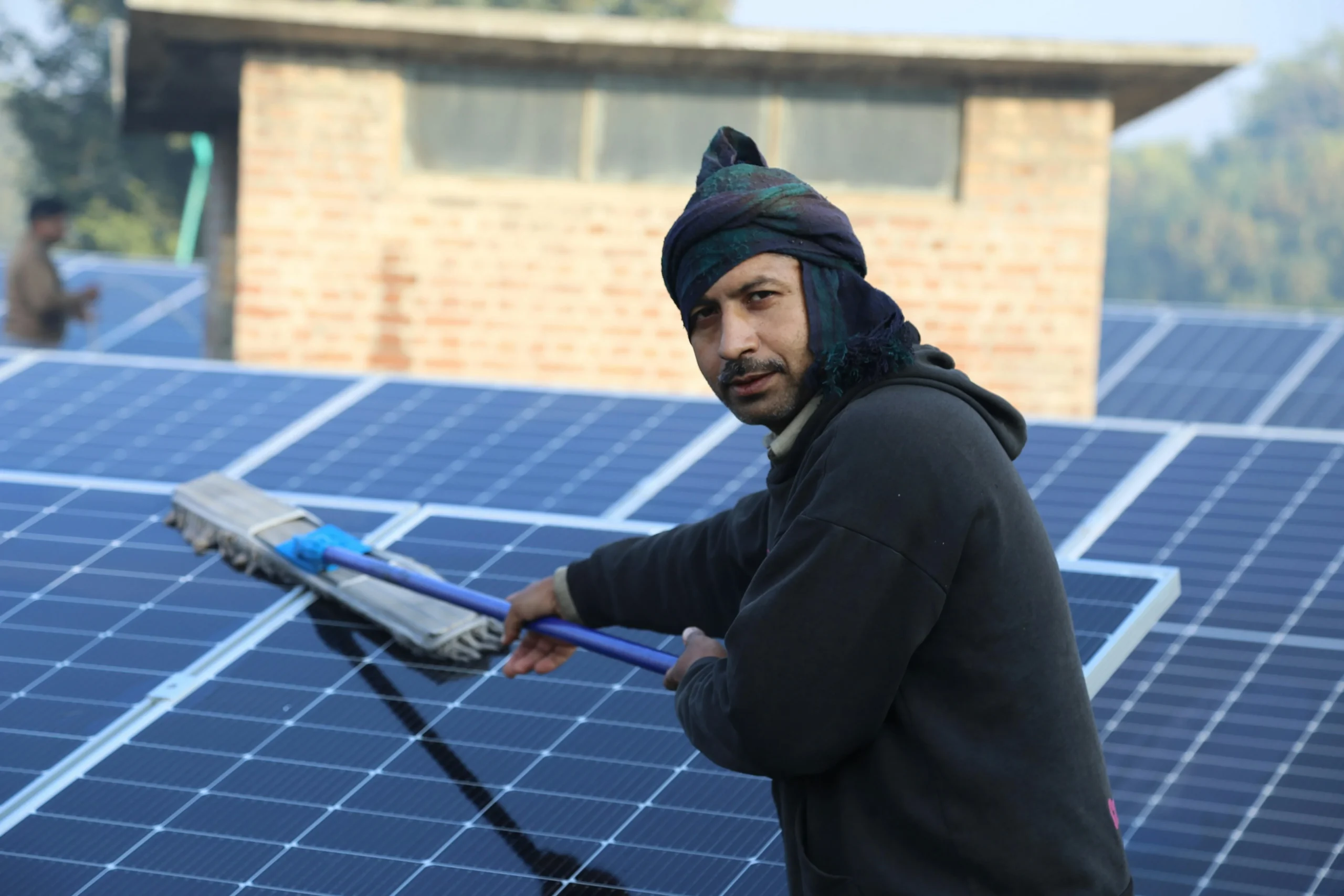

As the solar field grows up, one issue has caught more notice from energy workers: the creation and use of good solar panel cleaning solutions. With solar farms and home setups spreading around the world, keeping panels working well has turned into a key tech and money worry. This piece looks at market changes, tech steps forward, and area-based growth in this quick-moving area.
Why Is Solar Panel Cleaning Becoming a Priority?
As solar power builds up, the task of keeping top performance gets harder. Dust, flower dust, bird waste, and factory dirt can cut energy production by as much as 30%, based on real tests in dry spots like the Middle East and the dry parts of the southwestern US. For big solar farms, even a 5% drop in output can mean big money losses.
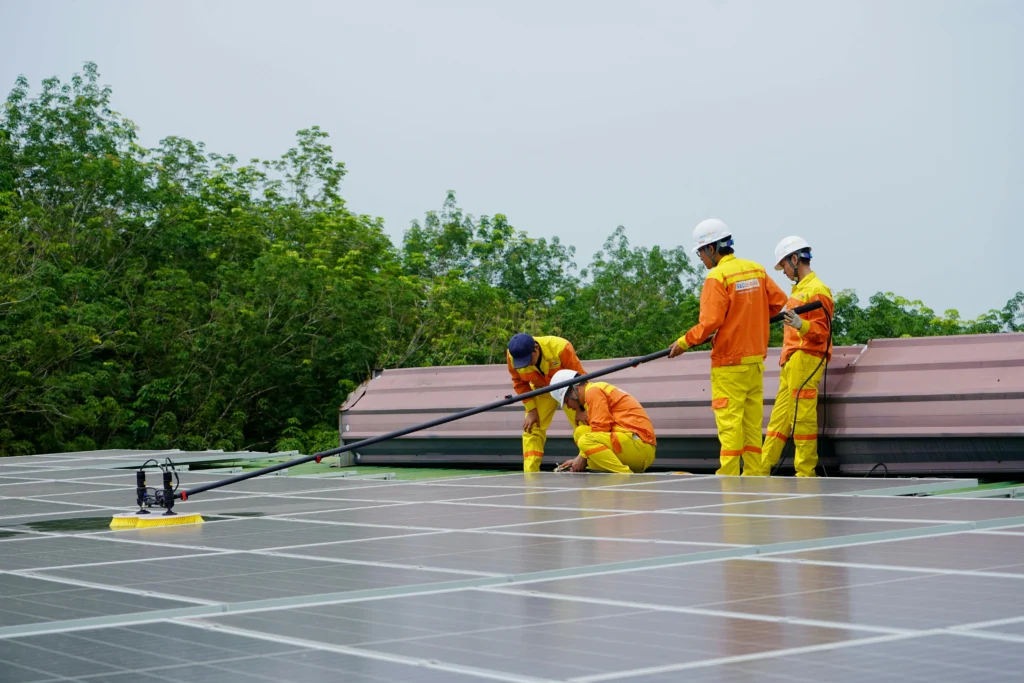
Growing Demand for Efficiency Maintenance
The need for solar panel cleaning solutions links right to the world’s move to green energy. Places with big clean energy plans—such as India’s aim for 280 GW of solar by 2030 or the EU’s Green Deal efforts—are pushing money into upkeep tools. In these spots, pro cleaning jobs are now a regular part of solar site deals. I recall a project in Rajasthan where skipping cleaning cost a farm owner thousands in lost power sales over one dusty summer—real eye-opener for new setups.
Impact of Environmental Conditions
Weather and surroundings play a big role in how often panels need cleaning and which way to do it. In sandy areas like Saudi Arabia or Nevada, dirt builds up on panels in just a few days. On the other hand, beach or wet spots deal with salt buildup and plant growth problems. So, each setup calls for special cleaning mixes or robot helpers that use little water. Think about a coastal farm in Australia; salt from ocean winds clings tight, and without the right method, output drops fast.
Cost Implications for Operators
The price of ignoring steady cleaning usually beats the cost of setting up auto systems. Reports from PV Tech in 2023 show that dirty panels might lose up to $15,000 per MW each year from missed power. As a result, those putting money in see cleaning tools as a way to guard their long-term holdings, not just an extra chore. In one Texas case, a small operator saved enough by adding robots to cover the setup cost in under two years—smart move amid rising energy prices.
What Are the Latest Technological Innovations in Solar Panel Cleaning Solutions?
The past few years brought quick changes to make cleaning better while cutting down on work and water use. Many firms now offer clever robots and no-chemical ways that fit green goals. It’s not all smooth; some early models struggled with uneven ground, but fixes came fast.
Robotic Cleaning Systems
Self-running robots with gentle brushes or wind blowers are standard now in large setups. They work at night to skip power cuts and hot surface troubles. Some newer types add smart path planning to cut down on moving time over the panels. For instance, a farm in California uses these to clean 100 acres without a single worker climbing ladders—saves time and reduces accidents.
Waterless and Chemical-Free Technologies
Lack of water worries many sunny areas. To fix this, makers create dry ways with electric pull or shake tech to lift dust without wet stuff. These cut running costs a lot and help save local water. In Nevada’s deserts, where water is gold, these systems have cut usage by 90%, letting farms focus on power instead of supply fights.
Smart Monitoring Integration
Today’s solar control setups include smart checks that warn workers when to clean based on live dirt info. This helps set cleaning times better than sticking to set dates, boosting work and saving cash. One operator in India told how their system spotted a dust storm early, cleaning just in time to avoid a 15% dip—proof that data beats guesswork.
How Is the Global Market for Solar Panel Cleaning Solutions Evolving?
The world market grows fast as rich and growing countries build up their green power setups. Experts guess solid two-figure growth until 2030 from more builds in big farms, shop roofs, and home units. It’s exciting, though supply chain hiccups from global events slow some rollouts.
Regional Growth Trends
Asia-Pacific tops the list with huge works in China, India, and Australia. North America comes next with good uptake in California and Texas thanks to local perks. At the same time, Middle East spots put big bucks in because of heavy dust and bold green aims. Australia’s outback farms, for example, now clean panels twice a month to hit peak summer output.
Competitive Landscape
The field has big old companies and fresh startups focused on auto tools or green soaps. Firms like Ecoppia (Israel) lead in robot fixes for big plants, while tiny groups work on break-down cleaning liquids for small users. Competition heats up, with prices dropping 20% in the last year alone.
Investment Opportunities
Business backers pour more into green upkeep tech. They see that good cleaning stretches panel life and lifts returns over long project times—a strong draw when power making gets tighter on profits. A recent fund in Europe backed three startups, expecting big wins from Asia’s boom.
What Role Does Sustainability Play in Product Development?
Green thinking shapes all parts of making products—from brush stuff to soap mixes that avoid dirty runoff. It’s key now, as buyers demand proof of low harm.
Eco-Friendly Formulations
Makers shift from old soaps to break-down ones that leave no mark and don’t hurt nearby nature. These meet tough green rules like REACH (EU) or EPA Safer Choice (US). In Europe, one brand switched fully last year, boosting sales by 30% to eco buyers.
Water Conservation Practices
Systems that save water are a must in dry times. Robot units that run dry save thousands of liters per MW each year over hand washing by teams. Israel’s farms lead here, reusing every drop in closed setups.
Lifecycle Management Strategies
Some firms offer full-circle services where dirty water gets caught, cleaned, and used again on site. This cuts harm to the earth and daily costs over years—a way that’s catching on with green money folks. A pilot in the UAE showed 40% less waste after six months.
How Are Regulations Influencing Market Development?
Government rules shape how things spread by setting green bars and giving cash for new ideas. They push the field forward, though red tape slows small players sometimes.
National Renewable Energy Policies
Spots like Japan and Germany set rules that push good upkeep as part of aid for solar farms. Following them keeps steady power for the grid’s good. Germany’s strict checks mean only top cleaners get in.
Standards for Chemical Use
Rules curbing bad stuff boost need for checked safe mixes in solar panel cleaning solutions markets everywhere. Makers prove no harm via outside tests to join tight spots like the EU or California. One US firm failed a test last year—big lesson on compliance.
Incentives for Innovation
Government cash plans—like the U.S. Department of Energy’s Solar Energy Technologies Office grants—back work on new stuff and self-run systems to cut long-term pollution from upkeep. These funds helped launch 50 projects since 2020.
What Challenges Do Industry Stakeholders Face?
Even with tech gains, real hurdles block full use in all sizes of builds. It’s a mix of money and fit issues that keep some operators sticking to old ways.
High Initial Investment Costs
Auto setups need lots of start money over hand work choices. For small runners with few panels, getting back costs can take over five years based on power rates. In rural India, many skip robots for now due to bank loans being hard to get.
Technical Compatibility Issues
Not every robot fits all panel setups or slopes. Adding to old sites often needs special builds that make projects trickier and pricier. A Texas farm spent extra on tweaks for sloped roofs—worth it, but not easy.
Workforce Skill Gaps
Moving from hand washing to auto checks means teaching workers who know only basic tools—a step that takes time but raises safety in teams. Training programs in China cut errors by half in one year.
FAQ
Q1: What Is the Average Frequency Required for Solar Panel Cleaning?
A: It varies by local weather; dry lands may call for weekly wipes while mild areas could do with checks every three months based on dirt build-up measures.
Q2: Are Chemical Cleaners Safe for All Types of Panels?
A: Stick to checked break-down types since strong ones can wear down light coatings over time; check maker tips before using.
Q3: How Much Can Automated Cleaning Improve Output Efficiency?
A: Tests show steady robot work can bring back 10–25% lost power over dirty setups depending on local dirt amounts.
Q4: Do Waterless Cleaning Systems Work Effectively?
A: Yes, new electric pull types handle fine dust well; but thick mud might need a bit of wet help now and then.
Q5: What Future Trends Could Shape This Market?
A: Look for more web-connected sensors for smart timing plus wider use of water-reuse plans that fit green money rules around the world. With climate shifts, expect even tougher dust fights in new spots.