
What roof solar panels can do in 2026
Roof solar panels can reduce how much electricity a home buys from the grid, but they are not a universal upgrade. In 2026, the strongest residential projects tend to have the same basics in place: an unshaded roof, a roof surface in good condition, high or rising electricity rates, a clear utility interconnection process and a purchase structure that still works after changes to the U.S. federal residential clean energy credit.
For homeowners comparing options, the first question is not which panel has the highest wattage. It is whether the roof, local rules and household electricity use make rooftop solar a sensible long-term energy asset.
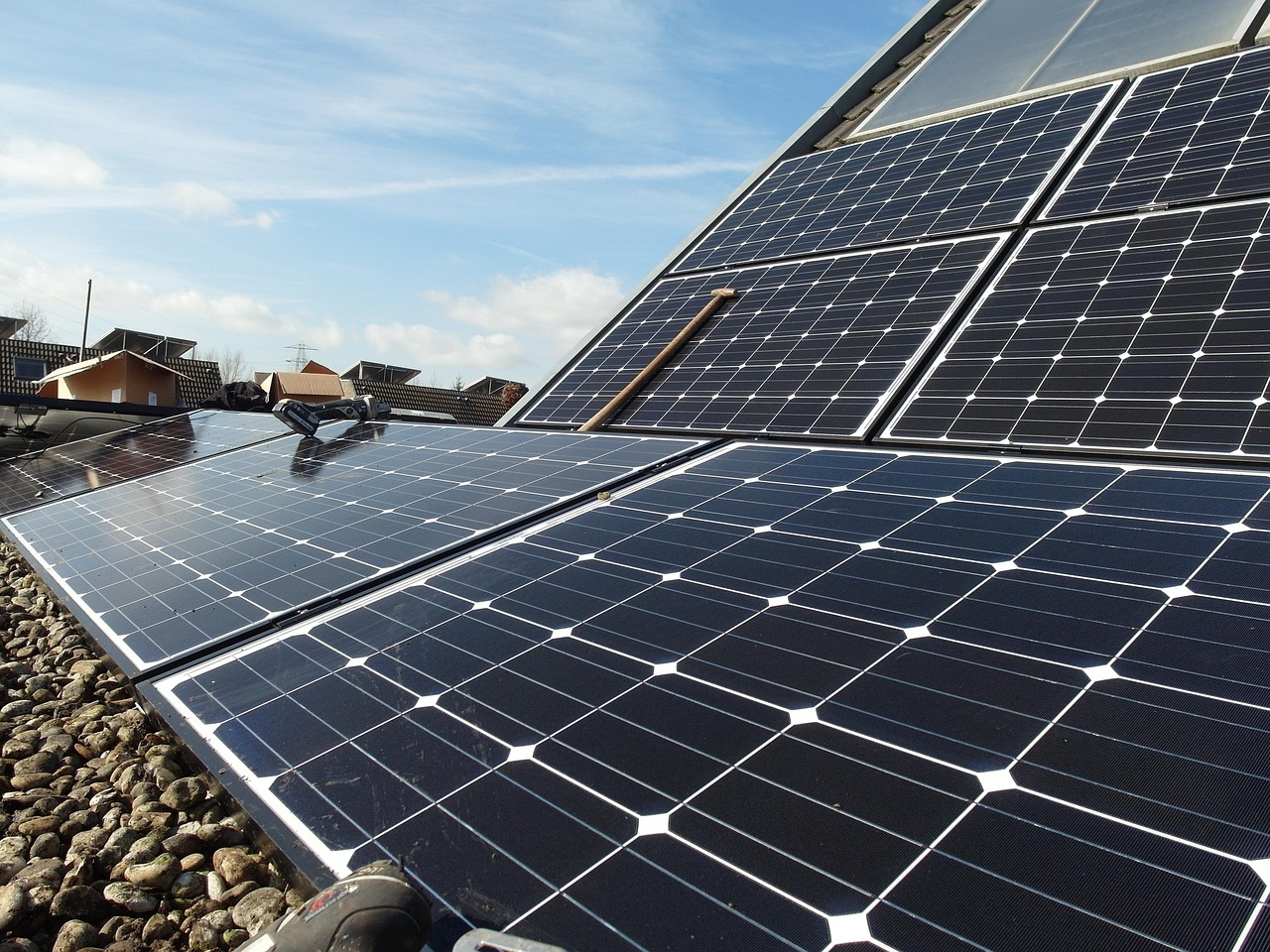
This guide focuses on roof solar panels for residential properties, with practical checks homeowners can use before requesting quotes or signing a contract. For more background on solar energy topics, visit the Econergy solar section.
Start with the roof before choosing panels
A rooftop solar system is only as reliable as the structure beneath it. The U.S. Department of Energy and consumer protection agencies consistently advise homeowners to review roof condition, shade, orientation and the installer’s system design before moving forward. A higher-output panel cannot make up for a roof that needs replacement, an over-shaded array or a layout that does not match household electricity use.
Age and condition come first. If shingles, tiles or membrane roofing are near the end of their useful life, repairing or replacing the roof before solar installation is usually simpler and less expensive than removing and reinstalling panels later. Installers can remove panels for roof work, but the extra labor, scheduling and risk of damage can weaken the project economics.
Orientation and pitch also affect output. In much of the northern hemisphere, south-facing roof planes usually produce the most annual electricity. East- and west-facing arrays can still be useful where morning or late-afternoon demand matters. A moderate tilt is often workable, and many residential systems are designed around the actual roof shape rather than an ideal laboratory angle.
Shade is the most common performance limiter. Nearby trees, chimneys, dormers, neighboring buildings and vent stacks can reduce production during key sunlight hours. Modern module-level power electronics, such as microinverters or optimizers, can limit some shade losses, but they do not turn a shaded roof into a clear one. A serious proposal should include a shade review or production model, not just a panel count.
| Roof factor | Why it matters | What to ask before signing |
|---|---|---|
| Roof age | Old roofing may need replacement before the solar system reaches midlife. | Will the installer inspect roof condition and explain removal costs if future roof work is needed? |
| Shade | Partial shade can lower annual output and affect financial returns. | Does the proposal include a shade analysis and expected yearly production? |
| Roof direction | Orientation changes when panels produce power during the day. | How much will each roof plane contribute to annual generation? |
| Electrical panel | Some homes need electrical upgrades before interconnection. | Are panel upgrades, permits and utility fees included in the price? |
Costs and incentives changed the payback conversation
The cost of roof solar panels varies by system size, state, installer, hardware, roof complexity and financing. Marketplace data from EnergySage in 2026 placed a typical 12 kW residential solar quote around the low-$30,000 range before incentives, while median dollar-per-watt figures varied meaningfully by region. That benchmark is useful, but it is not a universal price. A steep roof, tile roofing, long conduit runs, main panel upgrades or battery storage can push a quote above a simple national average.
The larger change for U.S. homeowners is federal tax treatment. The Internal Revenue Service states that the Residential Clean Energy Credit applied to qualified clean energy property installed from 2022 through December 31, 2025. Current federal law also states that the credit does not apply to expenditures made after December 31, 2025. As of October 2026, homeowners considering a new cash purchase or loan-financed rooftop solar system should not assume that the former homeowner-owned 30% federal credit is available for new expenditures. Tax edge cases, carryforward questions and state-specific rules should be reviewed with a qualified tax professional.
This does not mean rooftop solar stopped working financially. It means the calculation is more local. The strongest economic drivers in 2026 are usually retail electricity prices, net metering or net billing rules, state and utility incentives, system price, financing cost and how long the homeowner expects to stay in the property. A project in a high-rate state with favorable export credit rules can look very different from one in a low-rate area with limited compensation for excess power.
Leases and power purchase agreements may still appeal to households that want lower upfront costs, but the details matter. A third-party-owned system can shift maintenance responsibility away from the homeowner. It can also include escalators, transfer requirements during a home sale and different savings assumptions. The monthly payment should be compared with expected utility savings under conservative production estimates, not only under the most optimistic scenario.
Hardware choices affect performance and maintenance
A residential rooftop solar system is more than panels. The main components are solar modules, inverters, racking, wiring, monitoring equipment and safety devices required by electrical codes. Battery storage is optional, but it is increasingly discussed where backup power, time-of-use rates or low export compensation make stored energy more valuable.
Solar modules differ in wattage, efficiency, degradation warranty, product warranty and physical size. Higher-efficiency panels can help on small roofs because they produce more power from limited area. On larger roofs, a slightly lower-efficiency panel may still meet household needs at a competitive total cost. The important comparison is not panel efficiency by itself, but expected annual production, installed price and warranty support.
Inverter choice shapes how the system handles shade, monitoring and future service. String inverters are centralized and can be cost-effective on simple, unshaded roofs. Microinverters place conversion electronics at each panel, often improving panel-level monitoring and shade management. Power optimizers combine panel-level electronics with a central inverter. Each approach has trade-offs in cost, serviceability and design flexibility.
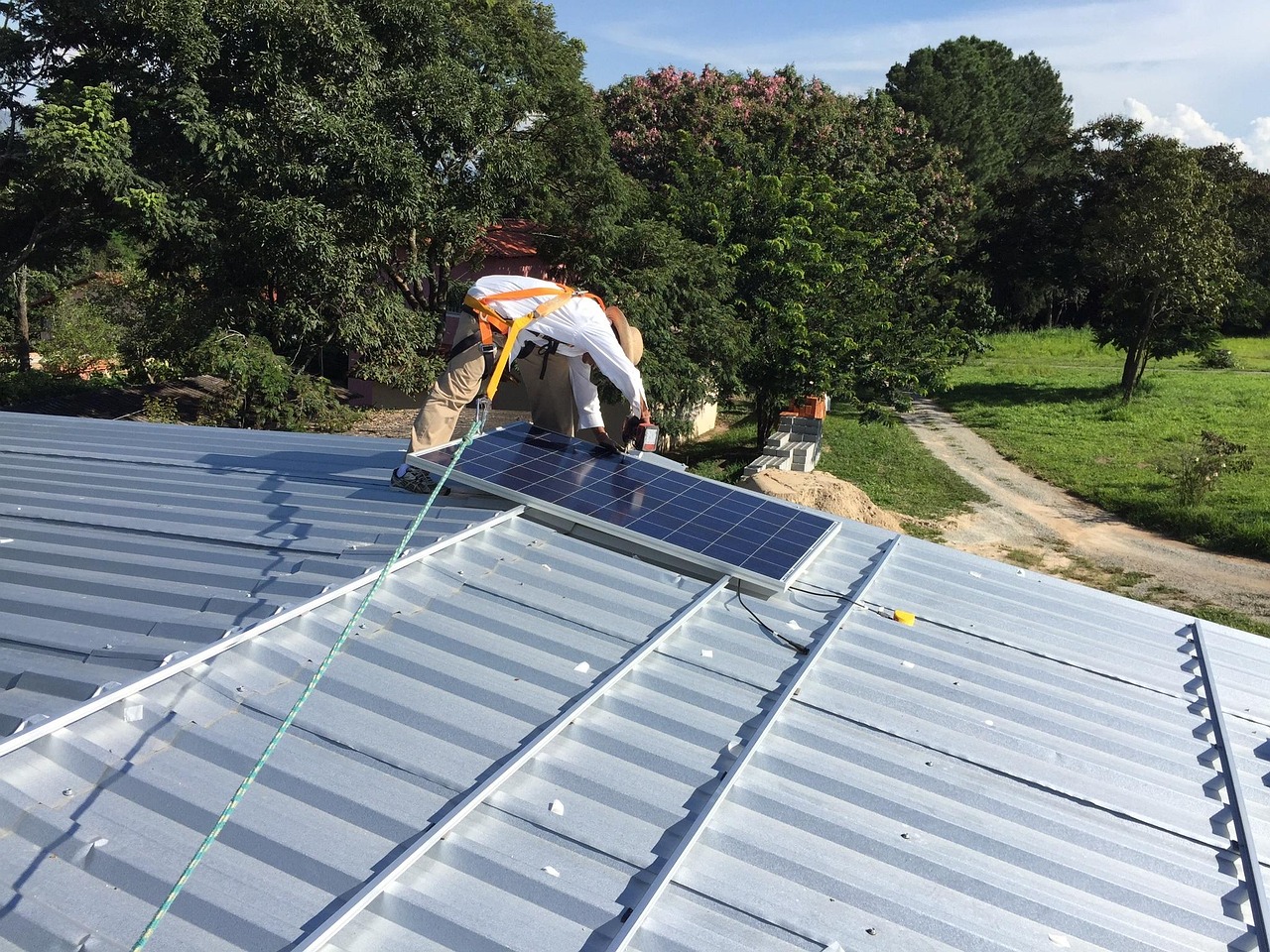
Racking and roof attachments deserve more attention than they receive in many sales proposals. Proper flashing, waterproofing and structural attachment are essential. Homeowners should ask who is responsible for roof penetrations, how workmanship is warranted and whether the installer has experience with the specific roof material.
How installation usually moves from quote to operation
The installation process often takes longer than the physical work on the roof. A typical project begins with an energy-use review, preliminary design and proposal. After contract signing, the installer usually performs a site survey, finalizes engineering, submits permits, coordinates utility interconnection and schedules installation. The roof work may take one to several days, but permission to operate depends on inspection and utility timelines. See also: clean energy.
Homeowners should expect the proposal to show system size in kilowatts, estimated first-year production in kilowatt-hours, equipment models, roof layout, cash price, financing terms if any, assumed utility rates and estimated savings. If the proposal uses unusually high electricity inflation assumptions or does not explain export credit rules, ask for a revised version using conservative assumptions.
Permitting and interconnection rules differ by jurisdiction and utility. Some regions have streamlined solar permitting, while others require more engineering review. Utility approval is especially important because exporting power to the grid is not automatic. The system should not be operated in parallel with the grid until the required approvals are complete.
- Review electricity bills and estimate future load changes, such as an electric vehicle or heat pump.
- Check roof age, shade, orientation and available space.
- Request multiple quotes with comparable system sizes and production assumptions.
- Confirm permits, utility interconnection steps and inspection responsibilities.
- Review financing, ownership terms, warranties and cancellation rights before signing.
- Save final designs, equipment datasheets, warranties and monitoring access information after installation.
Questions to ask before choosing an installer
Consumer agencies such as the Federal Trade Commission advise homeowners to compare bids carefully and understand what is included. For roof solar panels, the lowest headline price is not always the lowest-risk option. A strong quote should be transparent about included equipment, roof work, electrical upgrades, monitoring, warranties, permit costs and the assumptions behind projected savings.
Ask whether the installer uses employees, subcontractors or a mix of both. Subcontracting is not automatically a problem, but accountability should be clear. The contract should identify who handles workmanship issues, roof leaks, equipment failures and utility paperwork. It should also explain what happens if the home is sold before the financing term, lease term or power purchase agreement ends.
Financing deserves the same scrutiny as equipment. A solar loan with a low advertised rate may include dealer fees that raise the installed price. A cash quote and financed quote should be compared side by side. For leases or power purchase agreements, review escalator clauses, buyout terms, production guarantees and transfer requirements.
- Does the company provide a site-specific production estimate rather than a generic savings claim?
- Are roof repairs, electrical panel upgrades and permit fees included or excluded?
- What warranties cover panels, inverters, racking, workmanship and roof penetrations?
- Who monitors system performance after installation?
- What happens if a component manufacturer or installer leaves the market?
- How are contract cancellation, home sale transfer and dispute resolution handled?
When roof solar panels may not be the right fit
Rooftop solar is not appropriate for every home. Heavy shade, limited roof area, poor roof condition, uncertain ownership plans or unfavorable utility export rules can make a system less attractive. Renters and homeowners with shared roofs may need community solar, green power plans or building-level arrangements instead of an individual rooftop system.
Battery storage can solve some problems, but not all of them. A battery may improve backup capability and help shift solar production into evening hours, yet it increases upfront cost and has its own warranty and capacity limits. It should be sized around actual needs, such as critical loads during outages or time-of-use rate management, rather than added automatically to every proposal.
The practical conclusion is straightforward: roof solar panels make the most sense when the roof is ready, the system is right-sized, the contract is understandable and the savings estimate survives conservative assumptions. Homeowners who treat solar as a long-term home energy investment, rather than a quick rebate-driven purchase, are better positioned to make a sound decision in 2026.
Frequently asked questions
How long do roof solar panels usually last?
Many solar panels are sold with performance warranties that extend around 25 years, although actual useful life can vary by product quality, climate, installation quality and maintenance. Inverters and batteries may have shorter service lives than panels, so replacement timing should be included in long-term cost planning.
Do I need to replace my roof before installing solar panels?
Not always, but it is wise to evaluate roof condition before installation. If the roof is likely to need replacement within the next several years, doing roof work first can avoid the cost of removing and reinstalling the solar array.
Are solar shingles the same as roof solar panels?
No. Solar shingles and solar roof tiles are building-integrated photovoltaic products that generate electricity while serving as part of the roof surface. Conventional roof solar panels are mounted above the existing roof on racking. Solar shingles can offer a lower-profile appearance, but pricing, installer availability and replacement options should be compared carefully.
Are roof solar panels worth it without the former federal residential credit?
They can be, but the answer is more dependent on local conditions than it was when the federal homeowner credit was broadly available. Electricity rates, state incentives, utility export rules, system cost, financing terms and expected years in the home are the main variables to test.
Can solar panels damage a roof?
Properly designed and installed systems should not damage a roof, but poor flashing, incorrect attachments or weak workmanship can create leak risks. Homeowners should ask for roof-specific installation details and clear workmanship coverage before approving the project.