
What Tesla solar panels are in 2026
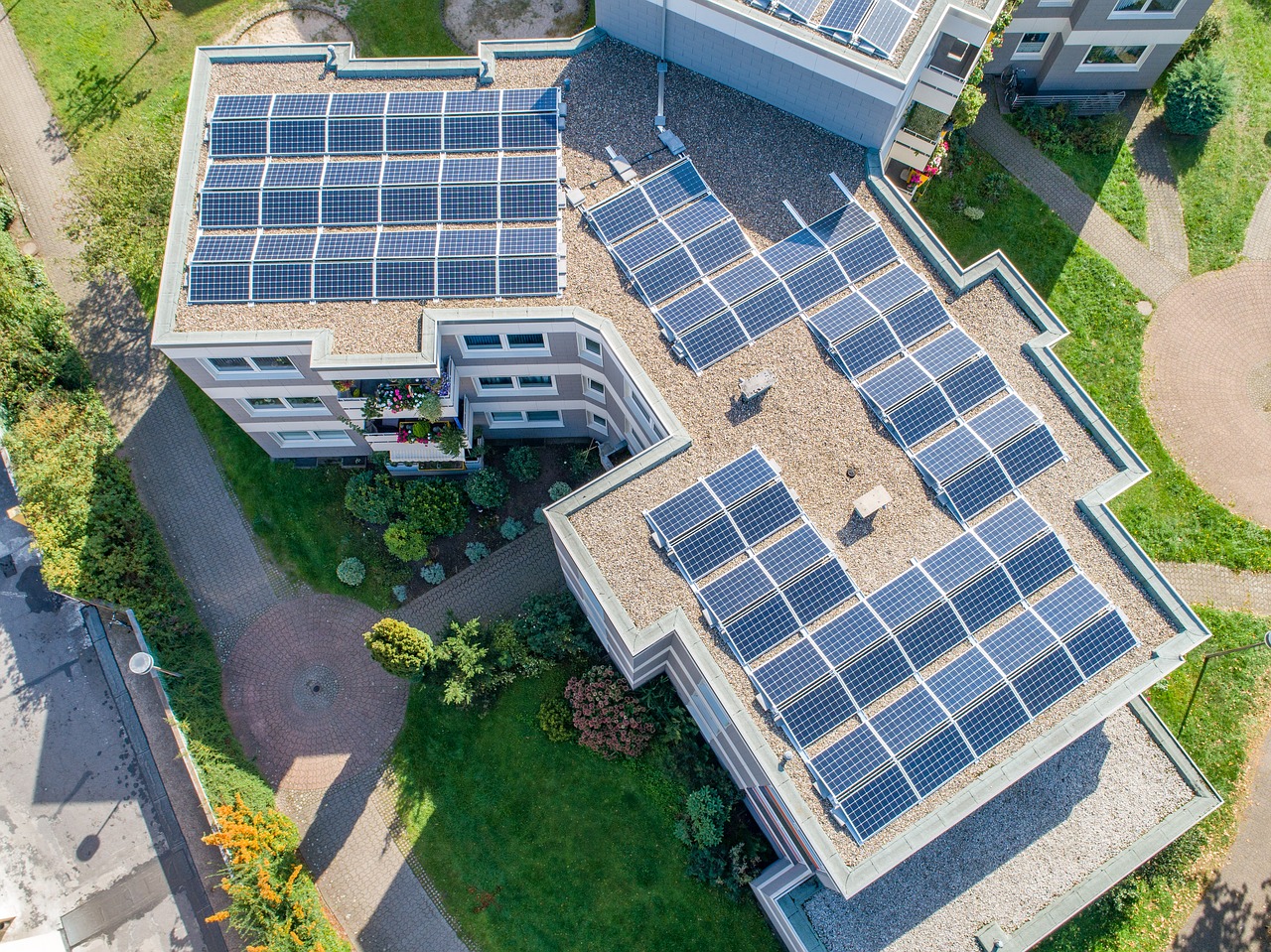
Tesla solar panels are conventional rooftop photovoltaic modules sold as part of a home energy system. They are not the same product as Tesla Solar Roof tiles. For homeowners comparing solar options in 2026, the appeal is usually the package around the panels: solar generation, inverter hardware, Powerwall battery storage, app-based monitoring, and, in some homes, EV charging.
The caution is equally practical. A Tesla-branded system still needs to be compared with local installer quotes, roof-specific production estimates, available service coverage, and state or utility incentives. In the U.S., IRS guidance says the federal Residential Clean Energy Credit is no longer available for new property placed in service after December 31, 2025, so 2026 economics depend more heavily on local policy and electricity rates.
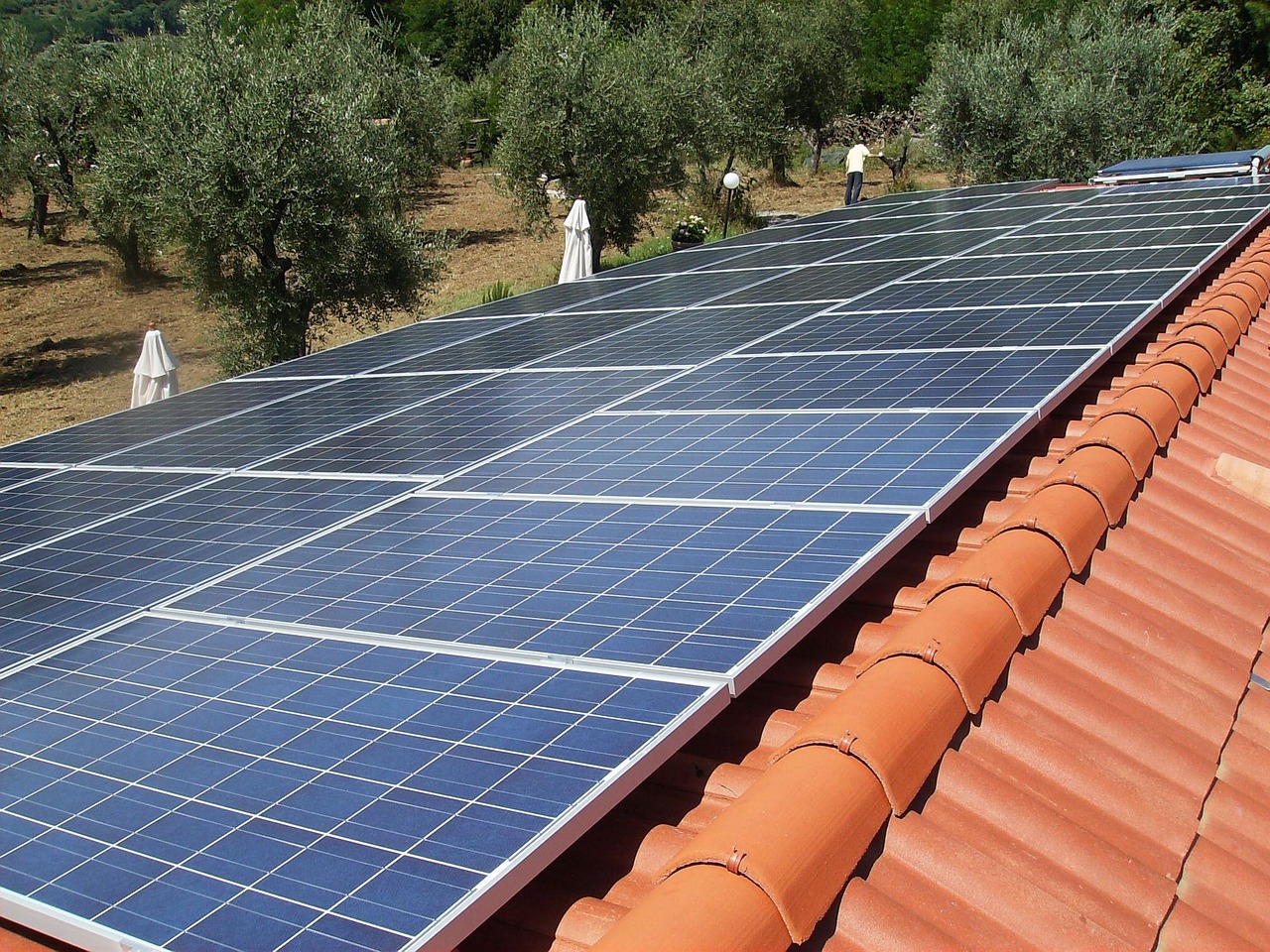
The useful question is not whether Tesla solar panels are universally better or worse than other panels. It is whether Tesla’s equipment package, installation channel, warranty terms, battery integration, and quoted price fit a specific roof and utility territory.
Current panel specifications and design details
Tesla’s public solar panel materials available as of September 2026 list a 420 W panel on its consumer solar panel page, with supporting technical documents covering Tesla Solar Panel models in the TSP-4XX family. Equipment can vary by market, inventory, installer, and project design, so homeowners should treat the signed proposal and equipment datasheets as the controlling documents.
| Item to check | Current public information | Why it matters |
|---|---|---|
| Panel power rating | Tesla’s consumer page lists 420 W; technical documents also reference TSP-415 and TSP-420 models, while warranty documents cover several TSP-405 to TSP-430 references. | Higher wattage can reduce the number of modules needed, but roof layout and shade often matter more than nameplate rating alone. |
| Dimensions | Tesla lists panel dimensions of 71.1 inches by 44.7 inches by 1.57 inches, including the frame. | Module size affects how many panels can fit on usable roof planes. |
| Operating temperature | Tesla lists an operating range from -40°F to +185°F. | Panels operate across a wide temperature range, but high roof temperatures can still reduce output in real-world conditions. |
| Certifications | Tesla’s public materials reference IEC and UL 61730, IEC 61215, and CEC listing. | Certification supports code compliance and permitting, but local authority approval is still required. |
| Warranty | Tesla lists a 25-year product and performance guarantee, with module warranty documents providing more detailed degradation language. | The written warranty matters more than marketing summaries, especially if ownership changes or equipment needs service years later. |
Power zones and partial shade
One design point Tesla emphasizes is its 18 power zones, compared with six zones on a conventional reference panel in Tesla’s own datasheet. In practical terms, more internal zones can help reduce the impact of partial shade or dirt on one portion of a module. They do not make shade irrelevant. A chimney, dormer, tree, or neighboring building can still reduce annual production, and the impact depends on timing, string design, inverter selection, and whether the system includes module-level electronics.
Homeowners should ask for a production estimate that shows annual kilowatt-hour output, not only system size in kilowatts. A 10 kW system on a clean south-facing roof can perform very differently from a 10 kW system split across east, west, and shaded roof sections.
Warranty terms deserve a close read
Tesla’s current module warranty document, effective November 6, 2025, states that covered photovoltaic modules are warranted against defects in design and materials for 25 years from installation, subject to exclusions and limitations. The same document states that module power output should be at least 98.0% of rated peak power one year after installation, then decline by no more than 0.45% per year for the following years under the warranty schedule.
That is a better way to assess coverage than simply asking whether a panel has a 25-year warranty. Solar warranties usually have several layers: product defects, power output, workmanship, inverter coverage, battery coverage, roof penetrations, monitoring requirements, and exclusions for improper maintenance or unauthorized changes. Tesla’s support materials also indicate that other equipment in a solar system may be warranted either by Tesla or by the original manufacturer, depending on the component.
Before signing, homeowners should confirm five items in writing: the exact module model, inverter model, workmanship warranty, roof penetration coverage, and who performs service if the system was installed by a Tesla Certified Installer rather than Tesla directly.
Cost in 2026 and what changes the quote
Pricing is where homeowners should be most cautious with general online claims. EnergySage’s June 2026 review of Tesla solar panels reported an average Tesla quote of about $2.81 per watt on its marketplace. EnergySage’s broader 2026 solar cost data placed a typical 12 kW home solar installation at about $31,135 before incentives, although that figure is not Tesla-specific. These numbers are useful benchmarks, not a substitute for a roof-specific quote.
Using $2.81 per watt only as a simple illustration, a 6 kW Tesla solar system would be about $16,860 before incentives or adders, a 10 kW system would be about $28,100, and a 12 kW system would be about $33,720. Real proposals may be higher or lower based on roof complexity, local labor costs, electrical upgrades, battery storage, permitting, interconnection fees, and utility requirements.
For 2026 buyers, the federal incentive picture is materially different from the market many homeowners remember from 2022 through 2025. IRS guidance says the Residential Clean Energy Credit is not available for property placed in service after December 31, 2025. U.S. homeowners shopping in 2026 should therefore not assume a 30% federal solar credit unless they have a specific qualifying situation confirmed by a tax professional. State rebates, performance incentives, property tax exemptions, net billing rules, and utility programs may still exist, but they vary widely by location.
Tesla solar panels versus local installer quotes
A useful comparison includes more than the brand name on the panel. Tesla may be compelling for homeowners who want a streamlined Tesla energy setup, especially if they plan to pair solar with Powerwall storage and manage the system in the Tesla app. Local installers may be compelling when they offer stronger local service access, more flexible equipment choices, microinverters or optimizers, detailed roof-specific design work, or more responsive post-installation support.
When comparing quotes, normalize them before judging price. Ask each installer for the cash price before incentives, system size in kW DC, estimated first-year production in kWh, assumed annual degradation, inverter type, battery capacity if included, roof work exclusions, and main panel upgrade assumptions. A cheaper system that produces materially less electricity may not be cheaper over 25 years. A more expensive system may still be unattractive if the added cost mainly reflects sales overhead rather than better equipment or higher expected production.
Also compare the financial structure. Tesla lists cash purchase, financing, and lease options in its public purchasing materials. Ownership matters because incentives, maintenance responsibility, home resale handling, and long-term savings can differ between a purchased system and a leased system. If a lease is offered, read the escalator, buyout, transfer, service, and roof-work provisions carefully. See also: clean energy.
Installation and service considerations
Tesla’s ordering process generally starts with the home address and electricity bill information, followed by system sizing, design, permitting, installation, inspection, and utility permission to operate. Tesla’s public materials say many solar panel installations can be completed within a few months, but actual timelines depend on permitting offices, utility interconnection queues, roof conditions, equipment availability, and whether an electrical panel upgrade is required.
Service area is an important detail. Tesla may install directly in some markets and use Tesla Certified Installers in others. Tesla’s support page states that if Tesla does not provide direct service in an area, homeowners may be able to order systems installed through certified installers. That can be positive if it gives access to local crews, but it also makes it important to understand who is responsible for design changes, warranty claims, monitoring setup, and future service calls.
Main panel upgrades are another common cost variable. Tesla’s ordering support materials note that main panel upgrades, if needed, may not be included in the final solar price. This matters because older homes with limited electrical capacity can require additional work before solar, battery storage, or EV charging can be installed safely and approved by the local authority.
Who should consider Tesla solar panels
Tesla solar panels are worth considering if a homeowner wants a recognizable brand, a clean all-black panel aesthetic, a low-profile mounting look, and tight integration with Powerwall. They may also fit homeowners who prefer a more standardized online ordering experience and are comfortable evaluating contract details digitally.
They may be less suitable for homeowners who want maximum equipment flexibility, have an unusually complex roof design, or prefer a highly local service relationship. A roof with heavy shade, multiple small planes, clay tile complications, or major electrical constraints may benefit from a detailed local engineering review and multiple proposals.
The strongest buying process is straightforward: get the Tesla quote, get at least two local solar quotes, compare the same metrics, then check the contract language. Focus on cost per watt, expected annual production, battery assumptions, utility export value, warranty coverage, service responsibility, and upgrade exclusions. That comparison will reveal more than a generic claim that one brand is always cheaper or better.
Frequently asked questions
Are Tesla solar panels the same as Tesla Solar Roof?
No. Tesla solar panels are rooftop photovoltaic modules mounted above an existing roof. Tesla Solar Roof uses solar roof tiles that replace roofing material. The two products have different designs, installation requirements, costs, and roof suitability.
Do Tesla solar panels qualify for the federal solar tax credit in 2026?
For new U.S. residential property placed in service after December 31, 2025, IRS guidance says the Residential Clean Energy Credit is not available. Homeowners should confirm any special tax situation with a qualified tax professional and should also check state, local, and utility incentives.
How long do Tesla solar panels last?
Tesla’s current public materials list a 25-year product and performance guarantee for its solar panels. Actual useful life can extend beyond the warranty period, but production gradually declines over time and depends on installation quality, weather exposure, equipment health, and maintenance.
Should Tesla solar panels be paired with Powerwall?
Not always. Powerwall can improve backup capability and allow more self-consumption of solar energy, especially where export compensation is low or outages are common. However, batteries add significant cost, so the decision should be based on outage needs, utility rates, time-of-use pricing, and payback expectations.
What is the best way to compare Tesla with other solar quotes?
Compare the cash price before incentives, system size, first-year kWh production, battery capacity, inverter design, warranty terms, roof exclusions, service provider, and electrical upgrade costs. The lowest headline price is not always the best long-term value if production, service, or contract terms are weaker.