
Why Are Solar Panels for House a Practical Home Upgrade?
When you look at solar panels for house projects, do not start with the panel logo. Start with your power bill, your roof, and how many years you expect to stay in the home. For more practical notes on residential systems, you can also browse the solar category. Solar can be a good upgrade when it matches your actual household use. A sunny roof helps, but a clear contract matters just as much.
Electric Bills Are the Main Driver
For background, the U.S. Energy Information Administration reported that average U.S. residential customers used 861 kWh per month in 2023. Its May 2026 outlook put the average residential electricity price at 18.2 cents per kWh for 2026, up nearly 5% from 2025. The math is direct: when grid power costs more, every kilowatt hour you make at home carries more value. (eia.gov)
A Simple Savings Example
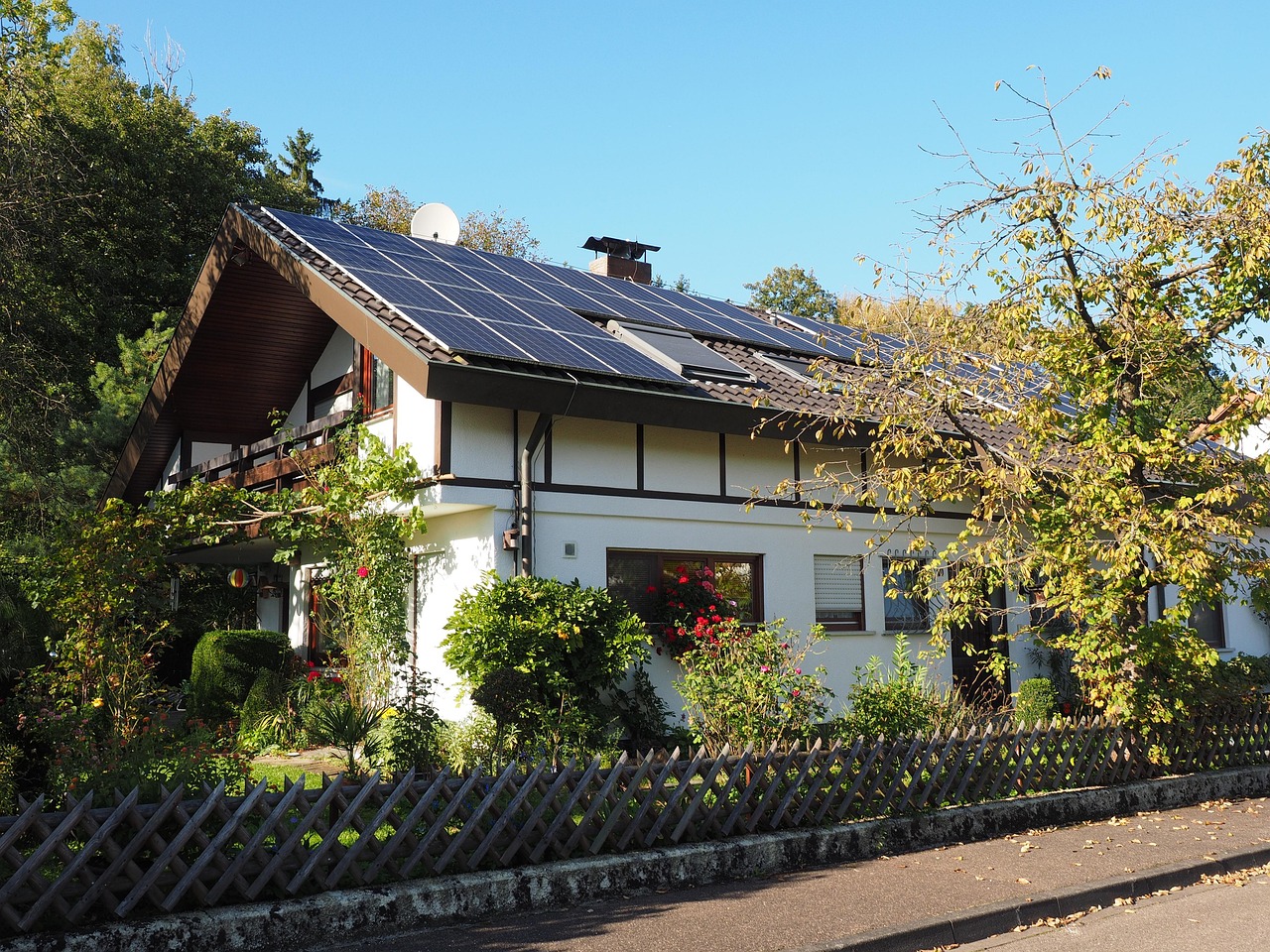
Take a home that uses about 10,000 kWh a year. If a rooftop system covers 70% of that use at an electricity value near 18 cents per kWh, the rough annual bill reduction is about $1,260 before fixed utility charges. This is not a quote, and it is not a guarantee. It is only a quick first check. If your quote needs 20 years to break even and you may move in seven, the offer needs another look.
Cleaner Power Has a Daily Payoff
Solar also changes how your home uses power during the day. Air conditioning, laundry, and EV charging can pull from the roof instead of relying only on the grid. It is not a flashy benefit, but it counts on a hot July afternoon when the meter would otherwise run fast. The cleaner-power benefit is real, while the money result still depends on your local rate plan.
How Much Do Home Solar Panels Cost in Practice?
Solar pricing can be hard to compare because quotes often mix panels, inverters, racking, permits, labor, financing costs, and sometimes roof or electrical work. A low price may be a fair deal. It may also come with weak equipment, limited service, or unclear terms. Use cost per watt, system size, and incentive status to compare offers on the same basis.
Installed Price per Watt
Berkeley Lab’s 2025 distributed solar data update found that host-owned residential PV systems installed in 2024 had a median installed price of $4.0 per watt DC, with the 20th to 80th percentile range running from $3.0 to $5.2 per watt. In practical terms, a 6 kW system could sit near $24,000 at the median before incentives, while local quotes may come in much lower or higher. (emp.lbl.gov)
System Size Based on Your Load
A good installer should size the system from your last 12 months of electricity use, not from a quick guess based on roof area. If you plan to add an EV, heat pump, induction range, or pool equipment, say that before the design is locked. A system that is too small misses savings you could have used. A system that is too large may push extra energy to the grid at a low credit rate.
Tax Credits and Local Incentives
In the United States, the federal Residential Clean Energy Credit was 30% for qualified property installed from 2022 through December 31, 2025, and the IRS states that the credit is not available for property placed in service after December 31, 2025. For 2026 buyers, that means you should not build the savings case around the old federal credit unless a qualified tax professional confirms your situation. Local rebates and utility programs may still matter, so check them before you compare final prices. (irs.gov)
What Kind of Roof Makes Solar Work Well?
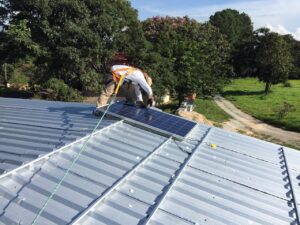
Your roof is the work site, not just a place to place panels. Before comparing panel datasheets, check shade, structure, age, direction, and usable space. A modest system on a solid roof can perform better than a larger system squeezed around chimneys, dormers, and tree shade.
Sun Exposure and Roof Direction
The U.S. Department of Energy says solar panels typically perform best on unshaded, south-facing roofs with a slope between 15 and 40 degrees, while southeast to southwest orientations can also work well. The same guidance notes that overhangs, chimneys, nearby roof peaks, and trees can reduce production. So shade analysis should be part of the site visit, not a detail added after the sale. (energy.gov)
Roof Condition Before Racking
If asphalt shingles are near the end of their life, deal with the roof before solar goes on. Removing and reinstalling panels later adds labor, risk, and downtime. Also check the attic structure, roof decking, and electrical panel before the job is approved. A 200 amp panel is not always required, but the service equipment must match the design and local code. This part is not exciting, but it avoids costly surprises.
Panel Life and Output Over Time
Residential modules are often sold with long performance warranties. DOE guidance says crystalline silicon modules are expected to last 25 years or more while still producing more than 80% of original power. That does not mean every inverter, battery, or monitoring device will last that long. Ask the installer which parts may need replacement during the system life and what those parts usually cost.
Should You Add a Battery or Stay Grid Tied?
A battery can help, but it is not the right choice for every house. The decision comes down to outage risk, time-of-use rates, backup needs, and export credit rules. In some homes, batteries are useful for resilience. In others, they make the payback longer without adding much daily value.
Net Metering and Export Rates
The Department of Energy describes net metering as compensation for excess solar generation exported to the grid, but it also says policies vary by state and utility. Some plans credit exports near the retail rate. Others pay much less. Before signing, ask how daytime exports, monthly credits, fixed charges, and annual true-ups work in your service area. (energy.gov) See also: clean energy.
Backup Power During Outages
Many homeowners assume panels keep the lights on during a blackout. In most cases, a standard grid-tied system shuts down for worker safety unless it has approved backup equipment. If outage protection matters to you, list the loads you need first: refrigerator, Wi-Fi, lights, medical equipment, garage door, or a small air conditioner. Backing up the whole house costs much more than backing up a few circuits.
A Contract That Deserves a Slow Read
Read the contract when you are not under pressure from a same-day discount. Check the cash price, financed price, annual escalator, lien language, roof penetration warranty, workmanship warranty, production estimate, and cancellation terms. If the proposal shows a large first-year savings number but leaves out fixed utility charges, ask for a cleaner version. A good solar deal should still make sense after the sales push is over.
How Can You Choose the Right Supplier for a Long Lasting System?
The right supplier does more than put panels on a roof. You need sound design, safe installation, proper documents, and service after the meter is turned on. A few questions before signing can save plenty of calls later.
Equipment Fit Over Brand Hype
Panel efficiency matters when roof space is tight. If you have enough roof area, layout quality, inverter choice, shading control, and warranty support may matter more than chasing the highest watt panel. Microinverters can help on roofs with shade or several roof faces. String inverters can be clean and cost effective on simple roofs. The better option is the one that fits your roof layout and power use.
Clear Quotes and Warranty Terms
Ask each bidder to show the same basic details. It keeps the comparison fair and makes weak parts of a quote easier to spot.
- Total system size in kW DC and estimated first-year kWh production
- Panel model, inverter model, racking type, and monitoring platform
- Cash price, loan price, fees, and any assumed incentives
- Workmanship, roof, product, and performance warranty terms
- Expected timeline for permits, utility approval, and installation
After Sales Support and Monitoring
Monitoring is useful only when someone responds after production drops. Ask who checks alerts, how service tickets are opened, and how long replacement parts usually take. Also ask for as-built drawings, permits, interconnection approval, and warranty documents after installation. Keep them with your home records because future buyers, insurers, and electricians may need those papers.
FAQ
Q1: How Many Solar Panels Does a House Need? A: It depends on annual electricity use, roof space, panel wattage, shade, and your offset goal. Many homes use a system in the 5 kW to 10 kW range, but your last 12 utility bills give a better answer than a general rule.
Q2: Are Solar Panels Worth It Without the Federal Tax Credit? A: They can be, especially where electricity rates are high and the roof gets steady sun. Without the old federal credit, the quote price, export rate, and local rebates become more important.
Q3: Do Solar Panels Work on Cloudy Days? A: Yes, but output drops. Solar panels still produce power from diffuse light, though a cloudy day will not match a clear summer day. Annual production estimates should already include normal weather patterns.
Q4: Should You Replace Your Roof Before Installing Solar? A: If the roof is near replacement age, yes in many cases. Removing panels later to reroof can be costly. A roof inspection before solar is a sensible step.
Q5: Is a Battery Required for Home Solar? A: No. Many systems are grid tied without batteries. Add a battery if you need backup power, have time-of-use rates, or receive low export credits for extra solar energy.