
Study Finds Rooftop Solar Exposes Deeper Financial Pressures in South African Municipalities
South Africa’s rapid shift toward rooftop solar has brought both relief and risk. While it helps households and businesses escape rolling blackouts, it also threatens the financial backbone of local governments that depend on electricity sales. Municipalities face shrinking revenues, growing infrastructure costs, and the urgent need to rethink their fiscal models. The study concludes that without structural reforms, the rise of distributed generation could deepen existing municipal debt and service delivery challenges.
The Growing Adoption of Rooftop Solar in South Africa
The energy landscape in South Africa is changing fast. Power insecurity, rising tariffs, and policy liberalization have accelerated investment in small-scale embedded generation across urban and industrial zones.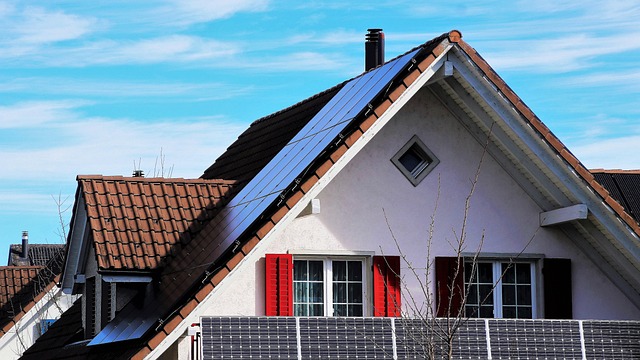
Overview of the Rooftop Solar Landscape
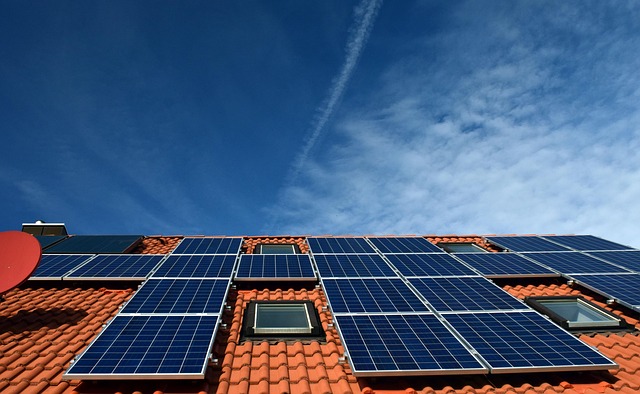
Rooftop solar installations are expanding across residential suburbs, commercial buildings, and manufacturing facilities. The trend is driven by persistent load shedding and the falling cost of photovoltaic systems. Independent power producers (IPPs) and private investors have become key players, filling the gap left by Eskom’s strained supply capacity. Cities like Cape Town and Johannesburg now record thousands of registered rooftop systems feeding into or offsetting municipal grids.
Policy Shifts and Energy Insecurity Driving Adoption
Government reforms allowing self-generation up to 100 MW without a license have opened new opportunities for businesses to secure energy independence. This deregulation has been pivotal in unlocking private capital for renewable projects. Energy insecurity remains a major push factor: frequent outages make rooftop solar not just an environmental choice but a necessity for operational continuity.
The Role of Private Investment and Independent Power Producers (IPPs)
Private sector involvement has diversified energy sources while easing pressure on Eskom’s grid. IPPs contribute to local resilience by providing decentralized capacity that complements central generation. Their participation also signals growing confidence in renewable markets despite regulatory uncertainties.
Regulatory and Policy Frameworks Governing Rooftop Solar
South Africa’s regulatory environment for distributed generation is evolving toward greater flexibility but still faces coordination challenges between national and municipal authorities.
National Energy Regulator of South Africa (NERSA) Guidelines on Embedded Generation
NERSA’s framework defines technical standards, safety compliance, and registration processes for embedded generators connected to distribution networks. These guidelines aim to balance consumer autonomy with grid stability. However, inconsistent enforcement across municipalities often delays project approvals.
Municipal By-Laws and Their Alignment with National Energy Transition Goals
Municipal by-laws vary widely in how they regulate rooftop solar connections, feed-in tariffs, and net metering arrangements. Some cities have adopted progressive rules supporting renewable integration; others remain cautious due to potential revenue impacts. Aligning local policies with national decarbonization targets remains a work in progress.
Licensing Thresholds and Grid Connection Requirements Influencing Uptake
Simplified licensing thresholds have encouraged more installations under the small-scale embedded generation category. Yet technical barriers such as grid compatibility assessments and costly connection fees continue to slow expansion in smaller towns.
Financial Structures of South African Municipalities
Municipal finance systems were built around centralized electricity supply models. As consumers move off-grid or reduce consumption through rooftop solar, these structures come under strain.
Understanding Municipal Revenue Models
Electricity sales account for a large share of municipal income, often subsidizing other services like water supply or waste management. Cross-subsidization allows municipalities to maintain social tariffs for low-income residents while funding infrastructure maintenance from higher-paying customers.
Cross-Subsidization Mechanisms Between Electricity Income and Other Municipal Services
Revenue from electricity traditionally offsets shortfalls in other departments. When high-usage customers adopt rooftop solar, this balance collapses, forcing municipalities to either raise rates or cut spending elsewhere.
The Impact of Declining Electricity Demand on Municipal Budgets
Reduced demand leads directly to lower revenues from bulk power resale margins. For cash-strapped municipalities already burdened by arrears to Eskom, this trend exacerbates liquidity risks.
Fiscal Vulnerabilities Exposed by Rooftop Solar Growth
The spread of distributed generation highlights systemic weaknesses in local government finances that predate the energy transition.
Reduced Electricity Sales Leading to Revenue Shortfalls
As more consumers produce their own power, municipal utilities lose their most profitable segment—commercial users consuming at peak rates. This loss undermines financial planning built on predictable consumption patterns.
Increased Financial Strain on Municipalities Already Facing Debt and Infrastructure Backlogs
Many municipalities operate with outdated billing systems and aging networks requiring urgent upgrades. Shrinking income limits their ability to service debt or invest in modernization projects needed for smart grid integration.
Challenges in Maintaining Service Delivery Amid Shrinking Income Bases
Declining revenue forces difficult trade-offs: either increase tariffs for remaining customers or scale back essential services like sanitation or road maintenance—both politically sensitive options.
The Economic Implications of Distributed Energy Generation
The rise of decentralized energy changes not only how electricity is produced but also how local economies function around it.
Shifting Energy Economics in Local Governance
Municipalities once acted as intermediaries between Eskom and end-users; now they must manage complex relationships with “prosumers” who generate as well as consume electricity. This dual role complicates tariff design and cost recovery models.
The Emergence of “Prosumers” and Its Fiscal Impact on Municipal Planning
Households equipped with roof top solar panels can offset consumption during daylight hours while relying on municipal grids at night or during cloudy periods. This intermittent usage pattern reduces consistent revenue flows needed for infrastructure maintenance.
Cost Recovery Challenges for Grid Maintenance and Infrastructure Upgrades
Even when consumers generate their own power, they still depend on the grid for stability. Maintaining that infrastructure requires fixed costs that current volumetric tariff structures fail to recover adequately.
Revenue Diversification Strategies for Municipalities
To stay solvent amid declining electricity revenues, municipalities must rethink traditional fiscal strategies through innovation rather than austerity alone.
Exploring Alternative Revenue Sources Beyond Electricity Tariffs
Some cities are considering waste-to-energy projects or broadband leasing using existing utility poles as new income streams. Others explore service-based charges tied to reliability rather than consumption volume.
Implementation of Service-Based or Capacity-Based Tariff Models
Transitioning from per-kilowatt-hour pricing toward capacity-based fees could stabilize revenue while reflecting actual grid usage costs more accurately—a model already tested in parts of Europe.
Opportunities for Municipalities to Participate in Local Renewable Energy Markets
Municipal-owned renewable projects or joint ventures with IPPs allow cities to reclaim part of the value chain lost through decentralization while supporting broader sustainability goals.
Policy Responses and Strategic Adaptations
National coordination will determine whether rooftop solar becomes a fiscal threat or an opportunity for reform within local governance frameworks.
National Policy Interventions to Support Municipal Stability
Reforms in intergovernmental transfers could compensate municipalities losing revenue due to self-generation trends. Incentive grants tied to renewable integration may encourage proactive adaptation rather than resistance.
Incentivizing Municipalities to Integrate Renewable Energy into Local Development Plans
By embedding clean energy targets into spatial planning frameworks, municipalities can align economic growth with sustainability imperatives instead of viewing them as competing priorities.
Coordination Between National Departments, Eskom, and Municipalities on Grid Management
Improved data sharing between stakeholders would enable better forecasting of distributed generation impacts on load profiles and investment needs across regions.
Innovative Municipal Approaches to Energy Transition Management
Forward-thinking municipalities are experimenting with technology-driven solutions that combine efficiency gains with financial resilience strategies.
Development of Municipal-Owned Solar Projects or Public-Private Partnerships (PPPs)
Cities investing directly in community-scale solar farms can generate steady income streams while supplying affordable power locally through structured PPAs with residents or businesses.
Integration of Smart Metering and Demand-Side Management Tools
Smart meters provide real-time data enabling dynamic pricing models that reflect actual grid stress levels—helping balance loads more efficiently while improving billing accuracy.
Leveraging Data Analytics for Improved Forecasting and Financial Planning
Advanced analytics help predict consumption trends under different adoption scenarios, allowing finance departments to model future tariff adjustments before deficits emerge unexpectedly.
Long-Term Outlook for Municipal Finance Under a Decentralized Energy Model
The next decade will likely see both deeper penetration of rooftop solar systems and significant restructuring within South Africa’s local energy governance framework.
Projected Trends in Rooftop Solar Penetration and Grid Evolution
Analysts expect distributed capacity growth exceeding several gigawatts by 2030 if current incentives persist. Grid operators will need hybrid models blending centralized baseload supply with flexible localized production nodes.
Potential Restructuring of Municipal Roles Within the Evolving Energy Ecosystem
Municipalities may evolve from pure distributors into facilitators managing market access between producers, storage providers, and consumers—a shift requiring new technical skills within public administration teams.
Building Financial Resilience in the Era of Energy Transition
Sustaining municipal solvency will depend on adaptive governance capable of integrating fiscal innovation with environmental responsibility over time.
Emphasizing Adaptive Governance Frameworks for Sustainable Finance Management
Local governments must adopt flexible budgeting tools responsive to fluctuating revenue bases linked with renewable adoption rates rather than static forecasts anchored in past consumption patterns.
Strengthening Fiscal Autonomy Through Innovation-Driven Policy Design
Empowering municipalities legally to develop independent revenue streams beyond electricity sales could reduce dependence on unstable transfers from higher government tiers.
Aligning Local Financial Systems With National Decarbonization Objectives
Fiscal policy coherence ensures that clean energy expansion contributes simultaneously toward emissions reduction commitments under global climate accords while preserving essential public services delivery capacity.
FAQ
Q1: Why is rooftop solar affecting municipal finances so severely?
A: Because electricity sales form a core part of municipal revenue structures; when large users adopt self-generation systems, this erodes cross-subsidies used for other services like water or waste management.
Q2: Can municipalities impose new fees on rooftop solar users?
A: Some already do through fixed network charges or feed-in levies designed to recover grid maintenance costs without discouraging clean energy adoption entirely.
Q3: What role does NERSA play in regulating small-scale generators?
A: NERSA sets compliance standards ensuring safety, quality control, and fair market participation among all embedded generators connected to distribution networks across South Africa.
Q4: Are there examples of successful municipal adaptation strategies?
A: Yes—cities piloting smart metering programs combined with dynamic tariffs show improved cost recovery even as distributed generation grows rapidly among consumers.
Q5: How might future policy reforms protect municipal budgets?
A: Adjustments in intergovernmental transfers linked directly with renewable penetration rates could stabilize finances while encouraging alignment between climate goals and fiscal sustainability plans.