
Why Is a Clean Energy Future Moving from Promise to Purchase?
The clean energy future is no longer something people only talk about in policy meetings. If you buy power equipment, run a factory, manage buildings, or plan energy projects, it now touches cost, supply risk, and long-term planning. A good place to start is the wider clean energy market, where solar, wind, storage, and smart power systems are now common buying options, not side projects.
Clean Capital Is Now Mainstream
Money usually gives a fair signal of where the market is going. The International Energy Agency reported in World Energy Investment 2025 that global energy investment was set to reach about USD 3.3 trillion in 2025. Around USD 2.2 trillion was expected for clean technologies, including renewables, grids, storage, nuclear, efficiency, and electrification. That was roughly twice the USD 1.1 trillion going to oil, gas, and coal, so clean energy has clearly moved into the main flow of global capital.
Technology Choices Are Wider Than Before
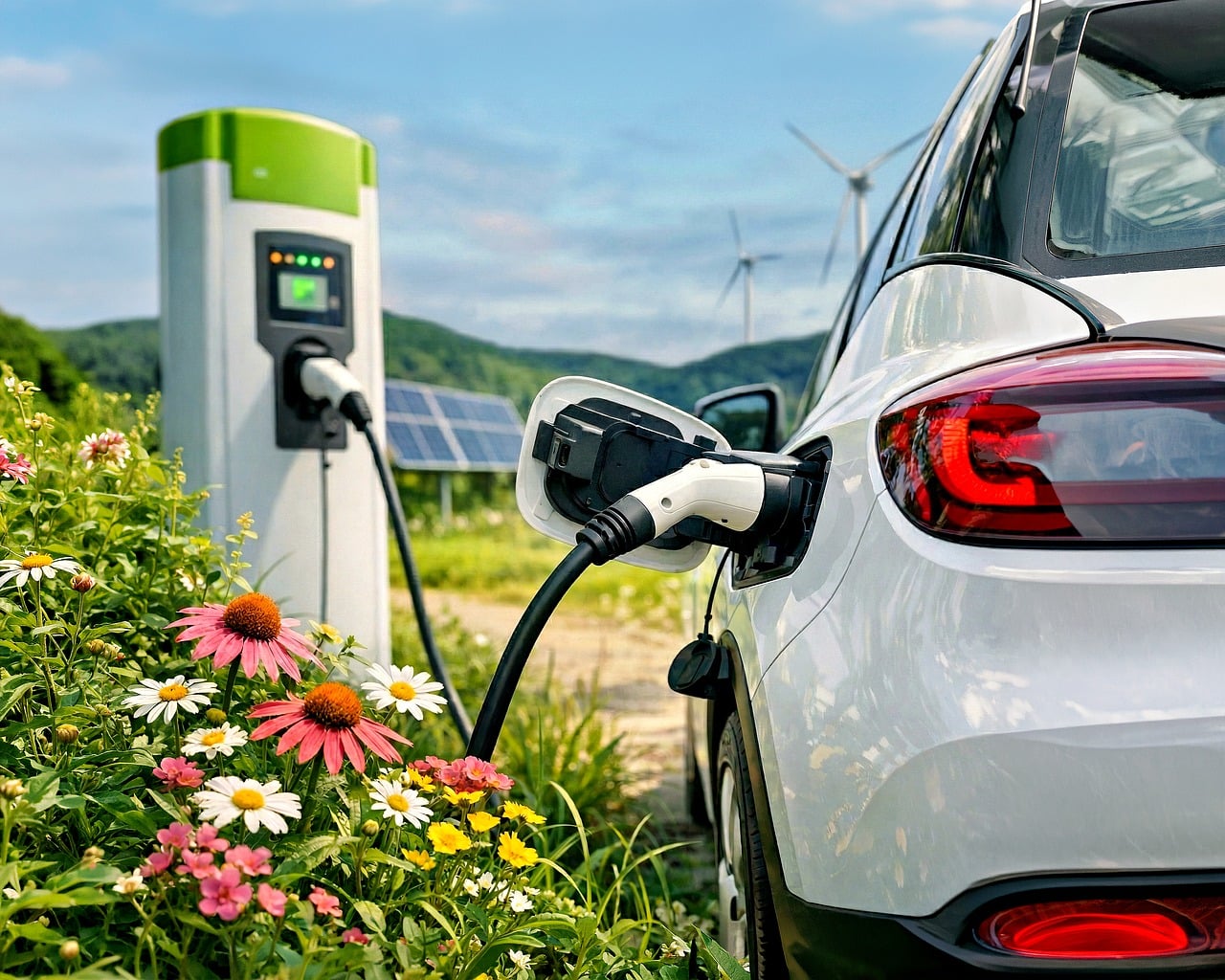
Ten years ago, many buyers still linked clean power mainly with rooftop solar panels. Today, the choice is wider: utility solar, distributed solar, onshore wind, offshore wind, battery storage, heat pumps, EV charging, energy management systems, and grid services. Some projects need a long approval cycle and large investment, while others can be finished in a few months. This matters because one site may need lower bills, another may need backup power, and another may need lower emissions as well.
Buyers Want Energy Certainty
Fuel markets can move sharply, and most factory managers feel that first through the monthly bill. They may not follow energy theory, but a sudden price increase gets noticed quickly. Clean power gives buyers a way to fix part of their energy cost over several years. It is not a cure for every risk, but when sun or wind replaces purchased fuel, the cost base starts to look different, which is why more buyers now see clean energy as part of supply-chain planning.
What Technologies Will Shape Your Clean Energy Future?
A clean energy plan works better when it starts from the actual load on site. A cold-storage warehouse, a textile plant, a school campus, and an EV charging depot do not need the same system. The right mix depends on roof space, land, local power prices, grid access, working hours, and the quality level the buyer expects.
Solar Power at the Center
Solar is often the first technology buyers check because it is modular, easy to see, and simple to expand in stages. The IEA Global Energy Review 2026 said global annual renewable capacity additions reached about 800 GW in 2025, up 16% from the previous year, with solar carrying much of the growth. For a business with daytime load, solar can match demand quite well. Supermarkets, offices, farms, schools, and light industrial sites often have steady daylight consumption, so the numbers are worth checking early.
Wind Power for Larger Loads
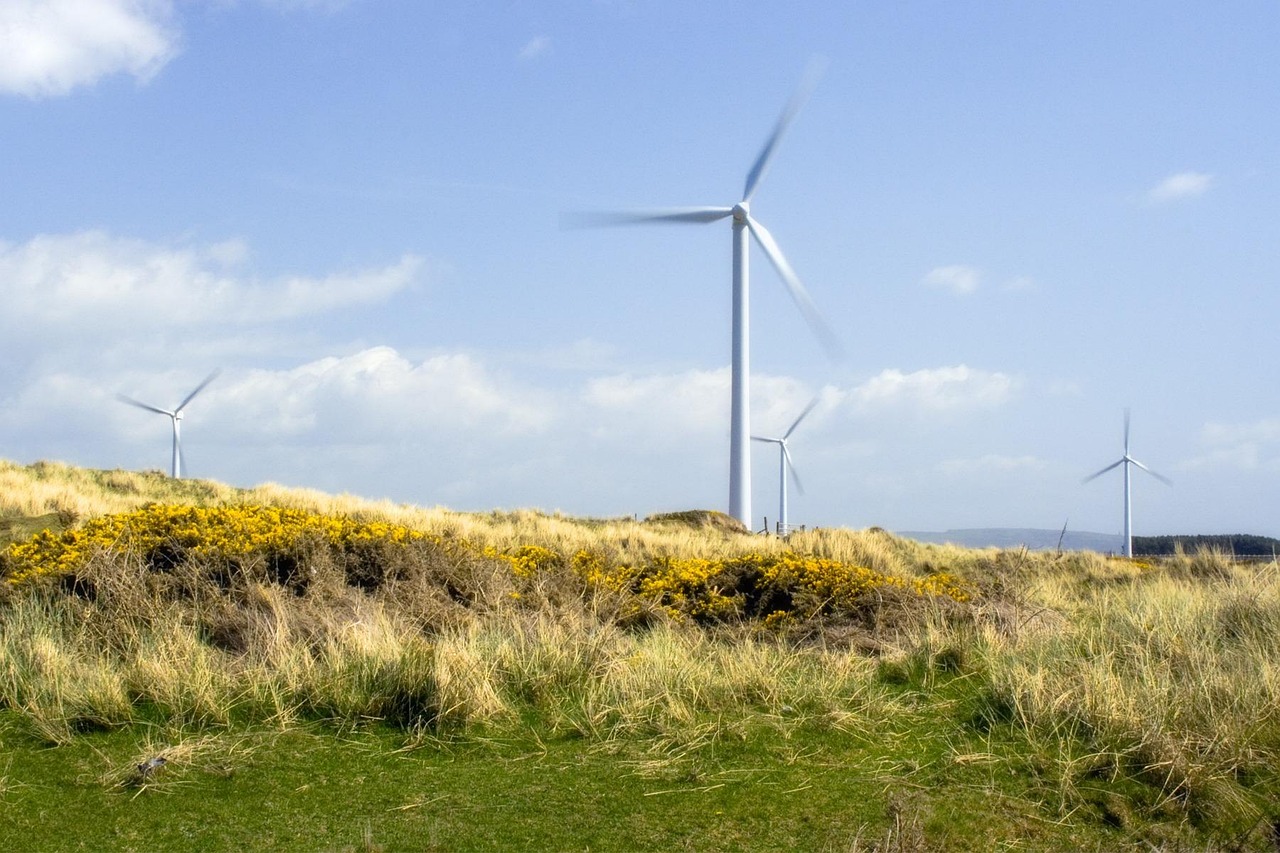
Wind is not as easy to place on every site as solar, but it can work well for utility projects and power purchase agreements. A buyer without land for turbines can still buy wind-backed electricity through a contract where local rules allow it. Onshore wind also remains cost-competitive in many markets. The main point is location, because good wind resource, permits, grid capacity, and community acceptance can matter as much as turbine price.
Batteries, Grids, and Smart Controls
Clean generation becomes more useful when storage and controls are added. Batteries can move solar power into evening hours, cut peak charges, and support backup needs. BloombergNEF reported in its 2025 Lithium-Ion Battery Price Survey that average lithium-ion battery pack prices fell to a record USD 108 per kWh in 2025. Stationary storage packs were reported at even lower average pricing, and while lower battery costs do not fix every grid issue, they do make more project cases worth reviewing.
Can Clean Energy Really Lower Long-Term Costs?
In many cases, yes, but not in every case. The result depends on local tariffs, sunlight, wind resource, tax rules, finance cost, equipment quality, and how much energy can be used on site. A low-priced system that fails early is not really cheap. A system with a higher first price but stable output and proper service may save more over 15 or 25 years.
Lower New-Build Power Costs
IRENA’s Renewable Power Generation Costs in 2024 report found that 91% of newly commissioned utility-scale renewable projects were cheaper than fossil fuel alternatives. It also stated that solar PV was, on average, 41% cheaper than the lowest-cost fossil fuel alternative, while onshore wind was 53% cheaper. These figures do not mean every local project will beat every gas plant. They do show that the global cost case has changed a lot in favor of renewable power.
Less Fuel Price Risk
Renewables do not need a daily fuel bill. That sounds plain, but for buyers it is one of the strongest business points. IRENA estimated that renewables helped avoid USD 467 billion in fossil fuel costs in 2024. For a business buyer, every clean kilowatt-hour produced or contracted can reduce exposure to coal, gas, or diesel price shocks, especially in markets that depend on unstable fuel imports.
Better Storage Economics
Storage helps solve the timing problem. Without batteries, extra midday solar may have limited value, especially where export tariffs are low. With batteries, more energy can be used in the evening or during peak-price periods. The numbers still need careful review, so buyers should check cycle life, warranty terms, local fire codes, usable capacity, inverter limits, and service response before signing. A battery is not just a box on site; it is an asset that works every day.
How Should Businesses Plan a Clean Energy Future?
Good planning is usually simple and detailed. It is not about chasing the newest product name. It is about matching equipment to real demand, local rules, and service conditions. If the project team skips the early checks, costly problems can appear later, sometimes after the crane has already left the site.
Start with Load and Site Data
Collect at least 12 months of electricity bills if possible. Hourly load data is even better because it shows when power is actually used. Mark peak demand, weekend use, seasonal changes, and any planned expansion. A beverage plant with summer peaks needs a different clean energy design than a warehouse with flat demand. Roof strength, shading, cable routes, transformer space, and fire access also need early checks, as small site details can decide the final design.
Match Technology to Real Use
A basic rule is easy to remember: produce when you consume, store when timing causes cost, and buy from the grid when that is the better choice. Solar may cover daytime loads, while storage may cut peak charges. A power purchase agreement may suit a buyer that wants clean power without owning equipment. In colder regions, heat pumps can reduce fuel use in buildings, and in logistics, charging schedules can decide whether EV economics work or not.
Build a Supplier and Maintenance Plan
Equipment quality matters, and service matters just as much. Ask who handles spare parts, monitoring, inverter replacement, battery diagnostics, and warranty claims. A clean energy asset is not a one-day purchase; it is closer to a 10-to-25-year operating relationship. In export trade, clear documentation also helps, including product certificates, test reports, installation manuals, packaging details, and after-sales contacts. It is basic work, but it prevents many avoidable problems. See also: EVs.
What Risks Could Slow the Clean Energy Future?
Clean energy is growing quickly, but growth also brings pressure. The market still faces grid delays, permitting trouble, trade disputes, quality gaps, and skill shortages. Buyers should not ignore these issues. A serious buyer plans around them instead of assuming they will disappear.
Grid Delays and Connection Queues
The grid is often the slowest part of a clean energy project. A solar farm can sometimes be built faster than a transmission line. Even rooftop systems may need transformer upgrades or export limits. The IEA has repeatedly noted that grids and storage are key to clean energy expansion. For buyers, this means grid studies, interconnection paperwork, and local utility talks should start early, not after the equipment has arrived.
Policy Changes and Trade Friction
Subsidies, tariffs, local-content rules, and permitting rules can change during a project. A project that looks strong in January may need another review after a policy change in June. This is especially common in cross-border procurement, where duties, documents, and approval steps can shift. Buyers should separate the technical case from the incentive case, because a project that only works under a short-term subsidy needs more risk margin.
Skills, Quality, and After-Sales Service
More installations mean more demand for trained installers, electricians, engineers, and service teams. IRENA and the International Labour Organization estimated renewable energy employment at about 16.6 million jobs worldwide in 2024, which shows how large the workforce has become. Fast growth can also bring uneven quality. For buyers, certified installation, clear commissioning steps, and remote monitoring are not optional extras; they are part of the system value.
What Should You Do Next to Prepare?
A clean energy future becomes practical when it is turned into a working checklist. You do not need to solve the whole energy transition in one project. Start with the assets you control, the bills you pay, and the risks you face. Then build the next step from that base.
Set a Clear Energy Baseline
Before asking for quotes, define your current energy use. List annual consumption, peak demand, power factor charges, outage history, backup fuel use, and future load additions. If EV chargers, new production lines, or data rooms are planned, include them. A clear baseline helps suppliers size the system correctly and keeps proposals comparable. Without it, every quote is built on different assumptions.
Compare Total Ownership Cost
Do not compare only the upfront price. Look at expected generation, degradation, maintenance, insurance, financing, downtime risk, replacement parts, and end-of-life handling. For batteries, check usable capacity instead of only nameplate capacity. For solar modules, compare warranties and real temperature performance. For inverters, ask about replacement timing. The cheapest offer may still win, but it should win because the full cost case is clear.
Ask for Bankable Proof
Good suppliers can provide test data, project references, bankable component brands, certification documents, and realistic yield estimates. If a claim sounds too good, ask what it is based on. Public data from IEA, IRENA, EIA, BloombergNEF, and ILO gives useful market context, but your own project still needs site-level proof. Smart clean energy buying usually comes from using both: market data for direction and local data for the final decision.
FAQ
Q1: What Does a Clean Energy Future Mean for a Business Buyer? A: It means using solar, wind, storage, efficiency, electrification, and smarter power contracts to reduce energy risk, manage long-term costs, and meet customer or regulatory requirements.
Q2: Is Solar Always the Best First Clean Energy Choice? A: Not always. Solar is often a good first check because it is modular and widely available, but wind, storage, heat pumps, or clean power contracts may fit better in some locations.
Q3: How Long Does a Clean Energy Project Usually Take? A: Small rooftop solar projects may take a few months, while larger projects with grid studies, permits, and financing can take a year or more. Grid connection is often the main delay.
Q4: Can Batteries Replace the Grid? A: Usually no. Batteries can reduce peak costs, store solar power, and provide backup for limited periods, but most commercial sites still need grid access or another firm power source.
Q5: What Data Should You Prepare Before Requesting a Quote? A: Prepare 12 months of bills, hourly load data if available, site drawings, roof or land details, outage records, tariff information, and any planned future load growth.