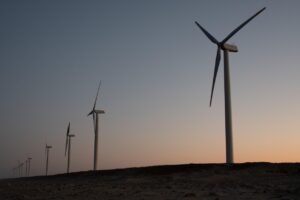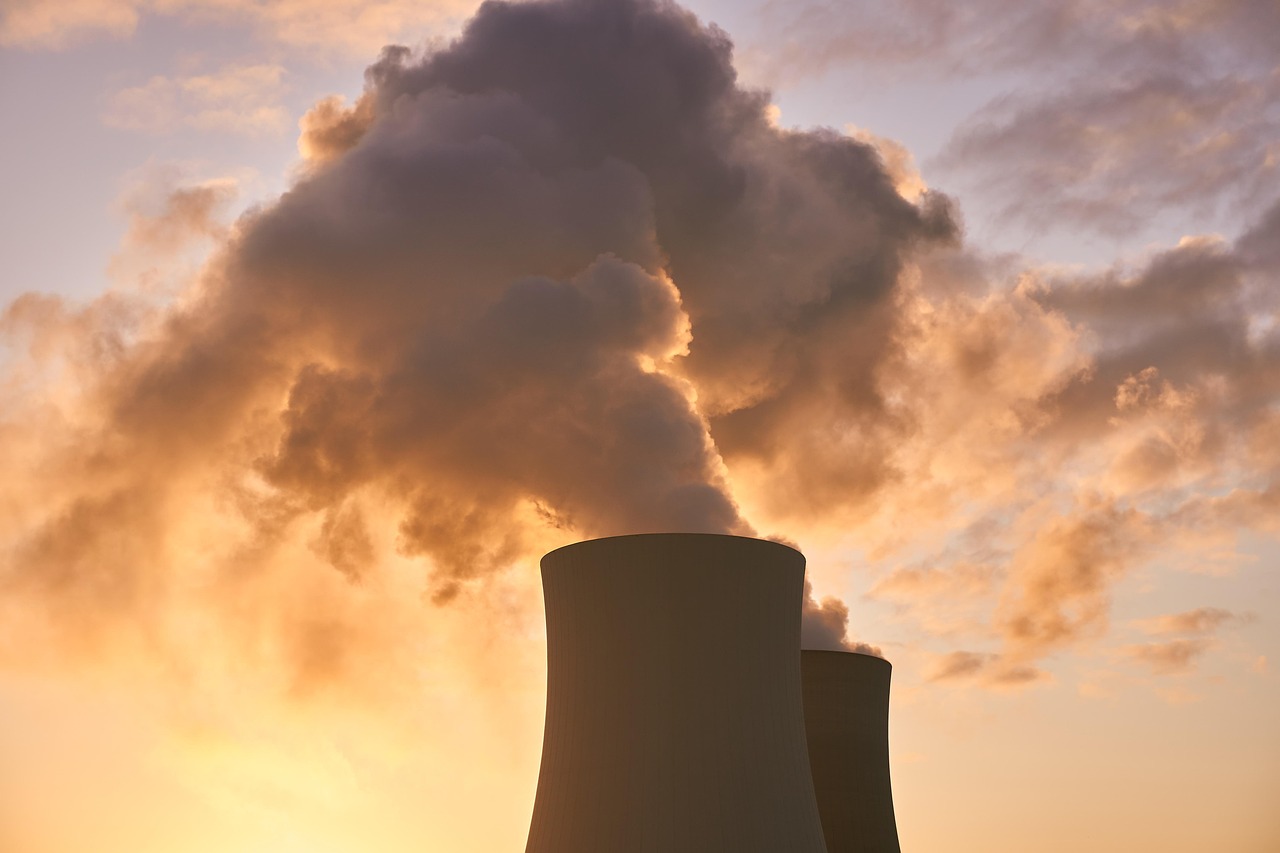

If you sell, buy, or compare clean energy systems, the phrase nuclear energy clean energy is more than a keyword. It is a real business question: should nuclear power be planned together with solar, wind, hydro, and storage, or should it stay in a separate low carbon category?
The short answer is that nuclear energy is often treated as clean because it produces electricity with very low direct carbon emissions and stable output. It is not renewable, and it comes with risks that have to be managed. Public data from the International Energy Agency also explains why the discussion is active now: in 2024, renewables and nuclear together supplied over 80% of the growth in global electricity generation. (iea.org)
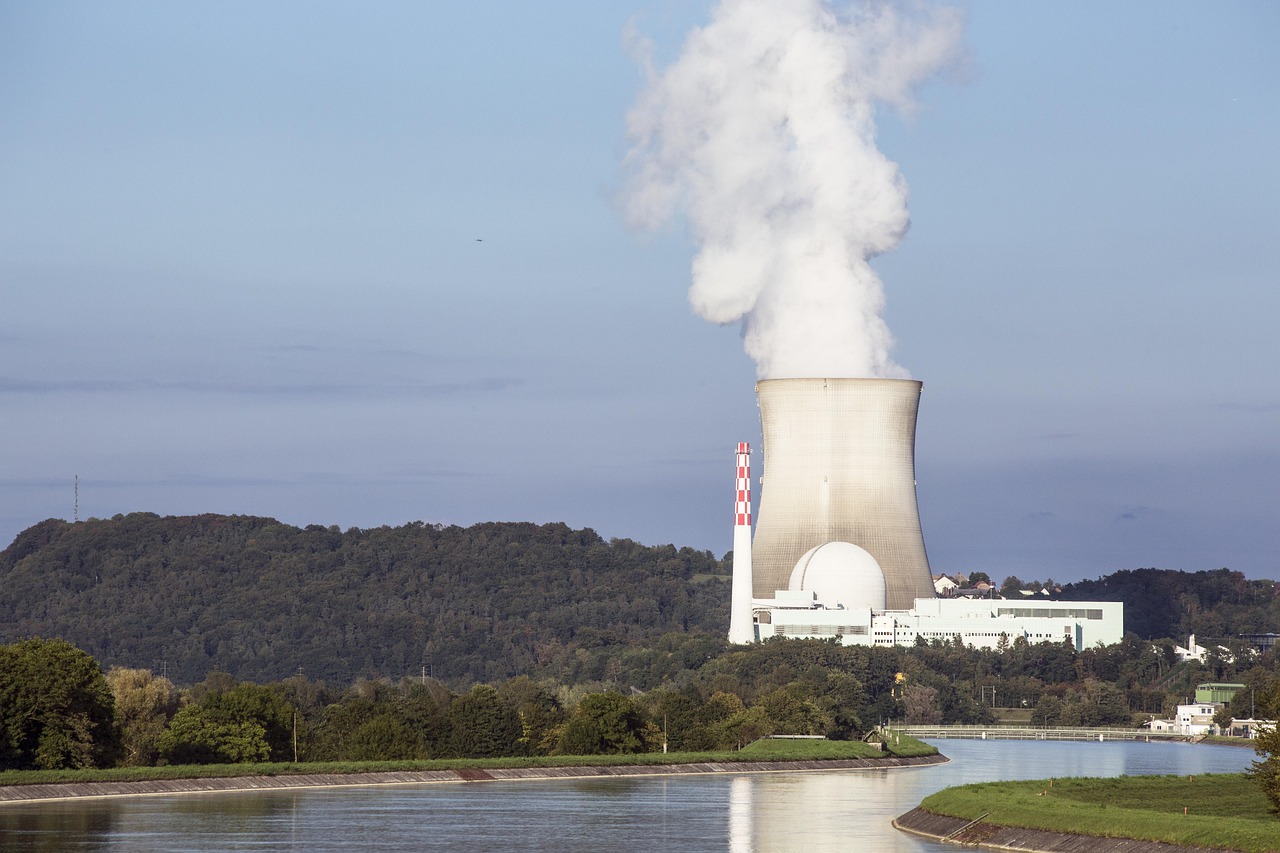
Why Is Nuclear Energy Called Clean Energy?
People disagree on the word clean because they use it in different ways. A utility buyer may focus on low carbon per kilowatt hour, while a local community may also look at waste, water use, safety, and land impact. Nuclear performs well on carbon and steady supply, but one label does not cover the whole issue.
Very Low Lifecycle Carbon
A nuclear plant does not burn coal, oil, or gas to produce steam. Most of its carbon footprint comes from other parts of the chain, including mining, fuel processing, construction, and decommissioning.
The National Renewable Energy Laboratory found a harmonized median of about 12 grams of CO₂ equivalent per kilowatt hour for light water nuclear power. That puts it close to wind and far below fossil fuel generation in many lifecycle studies. (research-hub.nrel.gov)
High Output from Small Sites
Nuclear power is energy dense, so one plant can supply a large volume of electricity from a fairly small site. This matters in markets where land is costly, transmission space is limited, or large industrial loads are close to cities.
Solar and wind are often quicker to build, and that is a clear advantage. When the target is the same annual output, though, they usually need more surface area and a wider grid footprint.
Steady Power around the Clock
Clean grids need more than a good annual energy number. They need power at night, during cold weather, and when wind output is low.
Nuclear plants are built to run for long periods, so they can support hospitals, factories, water systems, and data centers without waiting for sun or wind. This steady output is the main reason many planners call nuclear firm clean power.
How Does Nuclear Compare With Solar, Wind, and Gas?
No power source wins in every category. Solar is modular and fast to deploy. Wind can be low cost in areas with strong resources. Gas is flexible but emits carbon. Nuclear is steady and low carbon, but it brings harder questions around cost, project time, regulation, and public trust. The better comparison is to judge each source by the job it needs to do on the grid.
Carbon Footprint in Real Grid Planning
On carbon, nuclear is much closer to wind and solar than to gas or coal. That matters for companies with clean electricity targets, especially when their factories or service loads run through the night.
A solar contract can cut annual emissions, but a 24 hour load still needs clean supply during evening peaks. Nuclear can help cover that gap where it is available, licensed, and accepted by the market.
Reliability When Weather Shifts
Wind and solar output move with the weather and the time of day. Batteries help, and longer duration storage is getting better, but many grids still need firm sources.
Nuclear can reduce the amount of gas backup needed in a system with a high renewable share. It is not a replacement for renewables; it works more like the heavy base layer under a jacket. Not exciting, but useful when the weather changes.
Land and Fuel Needs
Nuclear fuel has very high energy content, so plants do not need constant trainloads of fuel like coal plants. They also use less land than large renewable buildouts designed to serve the same continuous load.
The tradeoff is clear: nuclear fuel must be handled under strict controls, and spent fuel remains a long term responsibility. This is where policy, engineering, and public confidence have to line up.
What Do Current Global Numbers Say About Nuclear Power?
The nuclear sector is not a small test market. IAEA PRIS data for 2024 reported 417 reactors in operation, about 377 GW of net electric capacity, and roughly 2,617 TWh of nuclear electricity production across 31 countries. The same dataset showed France at a 67.3% nuclear electricity share, China producing 417.5 TWh from nuclear, and the United States producing 781.9 TWh with a nuclear share of 18.2%. (pris.iaea.org)
A Mature Fleet Across 31 Countries
Those numbers show two points at the same time. First, nuclear is a proven industrial technology with decades of operating history.
Second, it is still concentrated in certain markets. Countries with skilled regulators, stable financing, and trained supply chains usually make better use of it. Without those parts in place, a nuclear program can run into problems before the first concrete pour.
The United States as a Large Case
In the United States, nuclear has long been a major source of carbon free electricity. The U.S. Energy Information Administration reported that in 2023 utility scale generation came mainly from natural gas at 43%, renewables at 21%, nuclear at 18%, and coal at 16%.
That mix shows why closing a nuclear plant can be complicated. If gas replaces the lost output, emissions can rise even while more solar and wind are being added. (eia.gov)
France, China, and Other Active Markets
France shows how a high nuclear share can keep power sector carbon low when plants operate well. China shows a different pattern, where fast electricity demand growth, heavy renewables deployment, and continued nuclear construction can move at the same time.
For exporters in clean energy supply chains, this mixed model is important. Buyers may ask for solar, storage, transformers, heat pumps, and nuclear related services under the same national power plan. See also: EVs.
What Risks Should You Check Before Calling Nuclear Clean?
Calling nuclear clean should not mean skipping the difficult parts. A proper review should cover spent fuel, safety culture, cost, construction time, cooling water, and local consent. These issues do not remove the carbon benefit, but they decide whether a project can be built, financed, and trusted.
Spent Fuel and Storage Rules
Spent fuel is small in volume compared with fossil fuel waste, but it is tightly regulated and politically sensitive. In the United States, the Nuclear Regulatory Commission says spent fuel pools and dry casks both provide adequate protection for public health, safety, and the environment when licensed rules are followed.
That does not end the long term repository debate. It does show why interim storage is treated as an engineered system, not as a side issue. (nrc.gov)
High Capital Cost and Schedule Risk
Nuclear projects can require high upfront capital, and delays are expensive because interest keeps running while no electricity is sold. This is where simple claims like cheapest or best do not help much.
A country with repeat designs, experienced builders, and steady regulation may get a very different result from a first of a kind project. If you compare bids, check delivered electricity, financing terms, and schedule risk, not only nameplate capacity.
Water Use and Local Permitting
Most nuclear plants are thermal plants, so cooling is part of the site decision. A coastal site, a large river site, and an inland dry region will face different limits.
During heat waves, cooling water rules can affect output, and that can matter when the grid is already tight. Local permits, emergency planning zones, and public meetings can shape the project as much as reactor physics.
Where Can Nuclear Fit in a Clean Energy Strategy?
Nuclear fits best where clean electricity must be steady, large, and long lived. It is not the right answer for every market. In some places, solar, wind, storage, demand response, and transmission can move faster. In others, especially heavy industry and dense power systems, nuclear can reduce the need for fossil backup.
Industrial Loads and Data Centers
Steel, chemicals, semiconductor plants, and data centers need power that is clean and available every hour. A company can buy renewable certificates, but physical power still has to move through the grid.
Nuclear can help match clean supply with real time demand. This becomes more relevant when customers ask for carbon reporting that goes beyond annual averages.
Coal Plant Replacement
Old coal regions already have grid connections, skilled energy workers, and communities built around power production. In some cases, nuclear can reuse part of that industrial base, though not every coal site will qualify.
The practical question is simple: can the site, workforce, grid node, water access, and community support line up? If the answer is yes, nuclear may become one route for clean firm replacement power.
Small Modular Reactor Pilots
Small modular reactors are often presented as a way to reduce cost and construction risk. The idea is factory production, smaller units, and easier siting.
The caution is also real: many designs still need commercial proof, supply chain depth, and clear licensing paths. Early projects should be treated as pilots, not magic buttons. Good clean energy planning leaves room for learning.
FAQ
Q1: Is Nuclear Energy Clean Energy? A: Yes, in the carbon sense, nuclear energy is commonly treated as clean energy because it produces electricity with very low direct emissions and low lifecycle greenhouse gas emissions. It is not renewable and it still needs strict fuel, waste, and safety management.
Q2: Is Nuclear Better Than Solar and Wind? A: Not always. Nuclear is better for steady, large scale output. Solar and wind are often faster to build and can be cheaper in strong resource areas. A strong clean grid may use all three, plus storage and transmission.
Q3: Does Nuclear Power Create Carbon Emissions? A: Nuclear plants do not emit CO₂ while generating electricity, but lifecycle emissions come from construction, mining, fuel processing, and decommissioning. Public studies still place nuclear among the lowest carbon power sources.
Q4: What Is the Biggest Problem With Nuclear Energy? A: The biggest practical problems are high upfront cost, long project schedules, spent fuel policy, and public acceptance. Safety regulation is also demanding, as it should be for this kind of technology.
Q5: Should Businesses Count Nuclear in Clean Power Plans? A: If your goal is low carbon electricity that can run day and night, nuclear deserves a place in the review. The final choice should compare cost, grid needs, local rules, supplier credibility, and long term carbon targets.