
Govt Denies Blanket Extension for Solar PV Cells Sourcing Rules; What Changes for Projects From June 2026
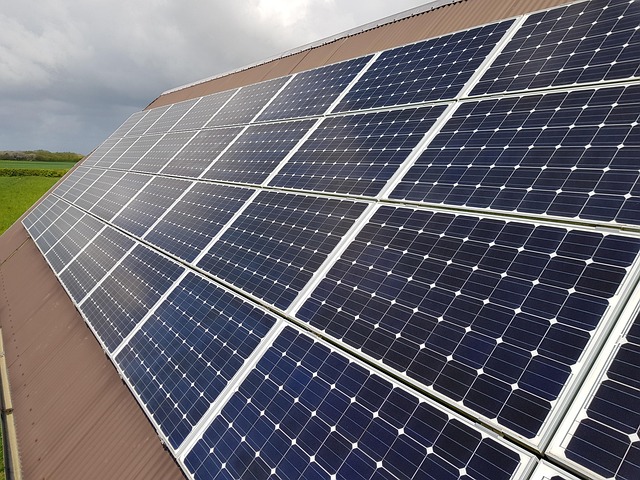
The government’s refusal to grant a blanket extension for solar PV cells sourcing rules marks a decisive shift in India’s renewable energy policy. From June 2026, developers will face stricter domestic content requirements, compelling a deeper reliance on local manufacturing. This move aims to strengthen self-reliance in the solar value chain, even if it temporarily raises costs and complicates project timelines. The transition will test the readiness of domestic producers and the adaptability of developers managing procurement and financing cycles.
Regulatory Landscape for PV Solar Panels Procurement
India’s procurement framework for PV solar panels has evolved alongside its ambitious renewable energy targets. The current rules define how developers must source modules and cells while balancing trade obligations and industrial policy goals.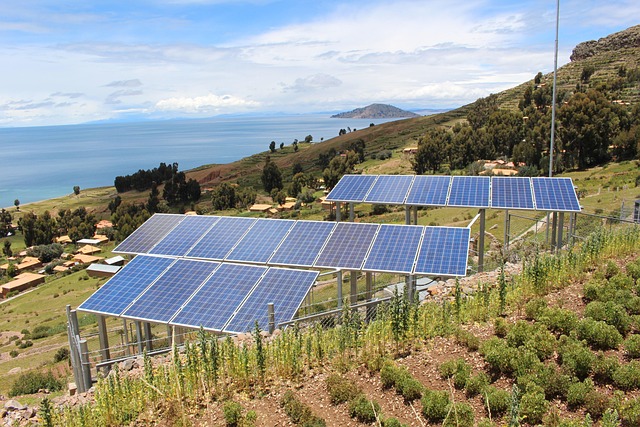
Overview of Current Procurement Rules
Government norms governing PV solar panel sourcing emphasize domestic manufacturing through approved lists of models and manufacturers. These lists dictate that projects under central schemes must procure from certified Indian suppliers. Domestic content requirements exist to promote local industry, reduce import dependency, and create jobs within the clean energy sector. Over time, these mandates have shaped project structuring—developers often align tender designs, bid pricing, and execution schedules with compliance windows tied to these rules.
Government’s Position on the Post-June 2026 Transition
The government has confirmed that there will be no blanket extension of current sourcing rules beyond June 2026. Official communications reaffirm that existing Approved List of Models and Manufacturers (ALMM) conditions will remain in force until then, after which new norms will take effect without broad exemptions. This stance signals the administration’s intent to hold firm on its Make-in-India objectives while maintaining policy credibility. By retaining the original deadline, policymakers seek to push both public and private players toward long-term capacity building rather than short-term relief.
Implications for Solar Project Developers
The denial of an extension reshapes how developers plan procurement and manage risk exposure across their portfolios. Many are already revising sourcing strategies to stay compliant while keeping costs manageable.
Adjustments in Procurement Strategies
Developers may need to reassess supplier networks, prioritizing those with proven domestic manufacturing footprints. Long-term supply contracts are likely to gain traction as firms lock in compliant capacity ahead of potential shortages. Some may explore vertical integration or joint ventures with local producers to secure module availability post-2026—a model already visible among larger independent power producers aiming for greater control over their supply chains.
Impact on Project Timelines and Financial Planning
Compressed procurement windows could lengthen lead times as demand converges before the deadline. Financing models may evolve too; lenders are expected to scrutinize compliance-linked risks more closely when evaluating project viability. Developers might front-load module purchases before June 2026 to mitigate uncertainty, though this could strain working capital or storage logistics temporarily.
Manufacturing and Supply Chain Considerations
The transition period highlights a pressing question: can India’s manufacturing base meet demand once imports face tighter restrictions? The answer depends on both capacity expansion and supply chain resilience.
Domestic Manufacturing Capacity and Readiness
While India has ramped up module assembly lines rapidly, upstream segments like polysilicon and wafer production remain underdeveloped. Bottlenecks here could limit scalability unless new investments materialize soon. Production-linked incentive (PLI) schemes introduced by the government aim to bridge this gap by supporting integrated facilities capable of end-to-end cell production. However, achieving full readiness by mid-2026 will require timely commissioning of these plants.
Supply Chain Diversification Beyond Domestic Sources
Developers may adopt hybrid sourcing models that combine domestic modules with imported components still permitted under trade-compliant frameworks such as free trade agreements with allied economies. Regional partnerships could also emerge—especially with Southeast Asian suppliers investing in Indian joint ventures—to balance cost pressures while maintaining compliance. Such collaborations might accelerate technology transfer in high-efficiency cell designs like TOPCon or HJT modules.
Policy and Market Dynamics After June 2026
Once the new regime takes effect, market competition is expected to shift significantly toward domestically rooted players capable of meeting quality benchmarks at scale.
Expected Shifts in Market Competition and Pricing
Reduced import flexibility will likely alter price dynamics across the value chain. Local manufacturers could benefit from higher demand visibility but must maintain cost competitiveness against global peers setting up localized operations. International suppliers seeking continued access may establish assembly units within India or form strategic alliances with Indian firms—a trend already visible in neighboring markets adapting similar policies.
Influence on Long-Term Renewable Energy Targets
Procurement restrictions must ultimately align with national solar capacity goals exceeding 280 GW by 2030. If domestic supply lags behind demand growth, project pipelines risk delays that could slow progress toward these targets. Policy consistency remains crucial: investors prefer predictable frameworks over frequent rule changes that increase perceived risk premiums on capital-intensive assets like utility-scale solar parks.
Strategic Pathways for Stakeholders in the Transition Period
The next two years represent a critical window for preparation across all segments—from developers securing materials to policymakers fine-tuning regulatory clarity.
Actions for Developers and EPC Firms Before June 2026
Developers should conduct detailed audits of supply chain compliance readiness well ahead of deadlines. Early engagement with regulators can help clarify ambiguities around certification validity or transitional provisions between ALMM phases. Procurement scheduling must be synchronized with certification timelines so that projects avoid last-minute disqualification during commissioning stages.
Role of Policymakers and Industry Associations in Ensuring Continuity
Policymakers can ease disruption risks by maintaining open communication channels between ministries, manufacturers, and developers through structured consultations led by industry associations. Phased implementation mechanisms—such as staggered compliance thresholds—could prevent sudden bottlenecks once new sourcing rules activate. Collaborative frameworks aligning industrial growth objectives with market realities would sustain momentum toward both energy security and climate commitments.
FAQ
Q1: What happens after June 2026 if developers use non-compliant PV solar panels?
A: Projects using non-compliant panels may lose eligibility for central incentives or grid connectivity approvals under national programs.
Q2: Will domestic manufacturers be able to meet all future demand?
A: Capacity is expanding fast but full self-sufficiency depends on upstream investments in wafers and cells reaching operational scale before 2026.
Q3: How might financing institutions react to stricter sourcing norms?
A: Lenders are expected to impose tighter due diligence on procurement plans, factoring compliance risks into loan terms or interest spreads.
Q4: Can foreign suppliers still participate in India’s solar market?
A: Yes, but they may need localized assembly operations or partnerships with Indian firms to qualify under domestic content criteria.
Q5: Is there any chance of partial relaxation before the deadline?
A: While unlikely at scale, selective exemptions could be considered for strategic projects facing unavoidable supply constraints if justified through official channels.