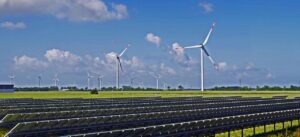

AI Platform Aims to Help Solar and Wind Operators Protect Margins
Artificial intelligence is reshaping how renewable energy operators manage profitability. In solar and wind operations, margin protection depends on using data to anticipate failures, forecast production, and adapt to volatile markets. The latest AI platform architectures merge predictive analytics with operational control, giving asset managers the ability to detect inefficiencies early and act before profits shrink. This convergence of solar technologies and AI transforms static systems into adaptive networks that learn from real-time conditions, driving both performance stability and financial resilience.
The Intersection of Solar Technologies and Artificial Intelligence
The fusion of solar technologies with AI platforms is redefining how renewable assets are monitored and monetized. As energy markets become more dynamic, this integration supports intelligent automation across production chains.
Integration of AI Into Solar Operations Enhances Efficiency Across Production, Maintenance, and Forecasting
AI models now process vast sensor data from solar farms to improve efficiency in every stage of operation. Machine learning systems interpret inverter signals, temperature variations, and irradiance patterns to adjust system parameters automatically. This reduces manual intervention while maintaining consistent energy yield even during unpredictable weather cycles.
Data-Driven Insights Enable Proactive Decision-Making for Asset Optimization
Continuous data collection allows operators to move from reactive maintenance toward proactive asset management. By analyzing historical trends and real-time data, AI identifies patterns that precede performance loss. This insight supports faster decisions about cleaning schedules, tilt adjustments, or component replacements—actions that directly sustain profitability.
AI Platforms Support Predictive Analytics That Align With Energy Market Fluctuations
Predictive analytics link operational metrics with market variables such as spot pricing or grid demand. When energy prices peak, algorithms can prioritize output dispatch or storage use accordingly. This synchronization between production intelligence and market timing helps operators secure better margins without overextending capacity.
The Strategic Importance of Margin Protection in Solar Operations
Profit margins in solar operations are increasingly squeezed by competitive pressures and cost volatility. Protecting those margins requires a balance between technical precision and financial agility.
Margins in Solar Energy Depend on Operational Efficiency, Energy Yield, and Market Pricing
A solar plant’s margin is not only determined by its installed capacity but also by how efficiently it converts sunlight into revenue. Small improvements in yield forecasting or inverter uptime can translate into significant financial gains over a fiscal year.
Rising Competition and Fluctuating Input Costs Make Margin Protection a Key Strategic Goal
As new entrants flood the renewable sector, price competition intensifies. Meanwhile, rising costs for materials like polysilicon or lithium storage cells add further strain. Margin protection thus becomes less about cutting costs and more about maintaining operational discipline through intelligent automation.
AI Tools Can Identify Inefficiencies That Erode Profitability Over Time
AI systems continuously scan for anomalies such as underperforming panels or irregular degradation rates. Detecting these inefficiencies early prevents cumulative revenue loss that might otherwise go unnoticed until audits reveal it months later.
Enhancing Operational Efficiency Through AI in Solar Technologies
Operational efficiency sits at the core of any profitable solar venture. By embedding AI throughout the asset lifecycle, operators gain precision control over maintenance schedules and production forecasts.
Predictive Maintenance and Asset Performance Optimization
AI-based monitoring tools predict equipment failures before they happen by correlating vibration data, current flow irregularities, or thermal signatures with known fault patterns. These insights reduce downtime by scheduling targeted interventions rather than broad inspections. Predictive maintenance not only lowers O&M costs but also extends component life cycles through timely intervention.
Energy Yield Forecasting Using AI Algorithms
Accurate yield forecasting remains one of the toughest challenges for solar operators. Advanced algorithms now combine satellite imagery with local weather inputs to forecast irradiance more precisely than traditional statistical models. Improved forecasts minimize imbalance penalties when trading electricity on short-term markets since operators can match supply commitments more reliably.
Real-Time Analytics Allow Operators to Adjust Performance Parameters Dynamically
Real-time analytics provide actionable visibility into system behavior across multiple sites simultaneously. Operators can modify panel angles or inverter settings within minutes if power output deviates from expected baselines—an agility impossible under manual supervision alone.
Leveraging Data Analytics for Financial Margin Improvement
Data analytics transform raw operational information into financial strategy tools that directly influence profitability metrics.
Cost Reduction Through Intelligent Resource Allocation
AI platforms analyze asset performance data to schedule maintenance crews only where needed instead of following fixed intervals. Automated reporting further reduces administrative overheads by generating compliance documents instantly based on live operational logs.
Automated Reporting Reduces Administrative Overheads and Human Error
By automating documentation workflows—such as performance reports or warranty claims—companies save hours previously spent on manual data entry while minimizing human error risk that could affect audit accuracy.
Energy Storage Management Is Improved Through Predictive Load Balancing
AI-driven load balancing predicts consumption peaks based on historical usage patterns and weather forecasts. This enables smarter charge-discharge cycles in battery systems, reducing wear while maximizing stored energy utilization during high-price periods.
Revenue Maximization via Market-Oriented Decision Models
Revenue optimization increasingly depends on matching generation profiles with market opportunities rather than merely producing more power.
AI-Driven Trading Algorithms Identify Optimal Times for Energy Dispatch
Trading algorithms trained on historical price movements identify profitable dispatch windows within intraday markets. They can automatically trigger energy release when pricing signals indicate favorable spreads between supply cost and sale value.
Dynamic Pricing Models Align Production With High-Value Market Periods
Dynamic pricing frameworks integrate grid demand projections with real-time production capacity to prioritize output during premium tariff hours—turning variability into advantage rather than risk factor.
Integration With Grid Demand Forecasts Enhances Revenue Potential From Variable Supply Sources
By linking plant operations directly with grid operator forecasts, producers synchronize their generation curves with demand surges across regions, improving both utilization rates and market share potential.
Integrating Solar Technologies Into a Unified AI Platform Architecture
Modern renewable portfolios require unified digital ecosystems capable of managing thousands of distributed assets through one interface.
The Role of Digital Twins in Solar Asset Management
Digital twins replicate each physical asset virtually to simulate different operating scenarios before implementing them onsite. These simulations help test upgrade plans or configuration changes without risking actual downtime while continuous feedback loops refine model accuracy over time.
Continuous Data Feedback Loops Improve System Calibration and Reliability
Every sensor reading updates the twin model’s understanding of real-world conditions, allowing predictive recalibration that maintains consistent performance across variable environments such as desert heat or coastal humidity zones.
Scenario Testing Helps Plan Upgrades or Expansions With Minimal Risk Exposure
Before expanding capacity or integrating new modules, scenario testing enables risk-free evaluation of expected ROI under different weather assumptions or tariff policies—critical for investors seeking predictable returns in volatile markets.
Cloud-Based Infrastructure for Scalable Solar Operations
Scalability defines long-term success for large renewable portfolios where multiple sites must operate cohesively despite geographic dispersion.
Cloud Integration Allows Centralized Control Over Distributed Solar Assets
Cloud-based architectures allow centralized monitoring dashboards accessible from anywhere, providing unified oversight across all installations regardless of location scale differences.
Scalable Architectures Support Large Datasets From Multiple Sites in Real Time
Massive datasets generated by sensors are processed simultaneously through scalable cloud nodes capable of handling terabytes daily without latency issues affecting decision-making speed.
Security Protocols Ensure Data Integrity While Enabling Cross-Site Analytics Collaboration
Strong encryption standards like ISO/IEC 27001 safeguard sensitive operational data while enabling cross-site collaboration among analysts evaluating fleet-wide trends or benchmarking performance metrics securely over shared networks.
The Broader Impact of AI Platforms on Renewable Sector Profitability
The ripple effects extend beyond individual plants as integrated AI frameworks reshape entire renewable portfolios spanning wind-solar hybrids globally recognized by IRENA’s innovation outlook reports emphasizing digitalization’s role in achieving net-zero targets by 2050 (IRENA 2023).
Cross-Sector Insights From Wind and Hybrid Systems Integration
Shared algorithmic frameworks allow wind farms to feed complementary data streams into solar forecasting engines improving balance across hybrid grids prone to intermittency fluctuations common in variable renewables sectors per IEA’s Renewable Market Update 2024 (IEA 2024).
Hybrid Systems Benefit From Combined Forecasting Models That Balance Intermittency Risks
Joint modeling reduces curtailment losses since wind surplus compensates when solar dips ensuring steadier overall portfolio output—a principle validated through multi-source integration pilots documented under IEEE Smart Grid Transactions (IEEE 2023).
Unified Dashboards Provide Holistic Visibility Into Renewable Asset Performance Metrics
Unified visualization layers merge KPIs from both technologies giving executives single-screen clarity over generation efficiency trends enabling faster board-level decisions regarding reinvestment strategies aligned with ESG reporting standards under GRI framework (GRI 2022).
Future Outlook: Evolving Business Models in the Solar Industry Through AI Adoption
As self-learning systems mature further business models evolve toward service-based ecosystems emphasizing continuous adaptation rather than static deployment cycles characteristic of early-generation PV management software suites cited by BloombergNEF Renewable Tech Briefings (Bloomberg 2024).
Transition From Static Asset Management to Adaptive Self-Learning Systems Driven by AI Feedback Loops
Systems now autonomously recalibrate based on live feedback adjusting control logic dynamically creating self-improving infrastructures resilient against both mechanical wearout patterns and economic volatility shifts typical within deregulated electricity markets globally referenced within IEA Digitalization Report (IEA 2023).
Expansion of Service-Based Models (AI-as-a-Service) Tailored for Renewable Operators
Vendors increasingly offer modular subscription services delivering predictive analytics via cloud APIs lowering entry barriers particularly beneficial for mid-size developers lacking internal data science teams yet seeking competitive parity against larger utilities’ proprietary solutions noted under Reuters Clean Energy Review (Reuters 2024).
Strategic Partnerships Between Technology Providers and Energy Producers Driving Innovation Cycles in Margin Protection Strategies
Collaborations between tech firms specializing in algorithmic control systems alongside traditional EPC contractors accelerate deployment pace introducing new hybridized value chains focused squarely upon sustained margin defense amid tightening policy-driven revenue caps observed across EU Fit-for-55 implementations per European Commission filings (EC 2023).
FAQ
Q1: How does AI improve reliability in solar technologies?
A: It predicts failures early using sensor data correlations allowing timely repairs before major breakdowns occur reducing unexpected downtime significantly.
Q2: What role do digital twins play in renewable operations?
A: They mirror physical assets virtually enabling safe scenario testing calibration adjustments without interrupting ongoing production activities.
Q3: Why is margin protection critical for renewable operators today?
A: Competitive pricing pressures combined with fluctuating input costs make maintaining stable profit margins essential for long-term viability within deregulated markets.
Q4: How does cloud infrastructure support large-scale solar management?
A: Cloud systems centralize monitoring across dispersed sites processing massive datasets instantly ensuring coherent coordination among geographically separated assets.
Q5: What future trends will shape AI adoption in renewables?
A: Growth will center around adaptive self-learning systems integrated service models strategic partnerships fostering continuous innovation cycles enhancing profitability resilience sector-wide.