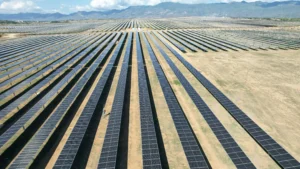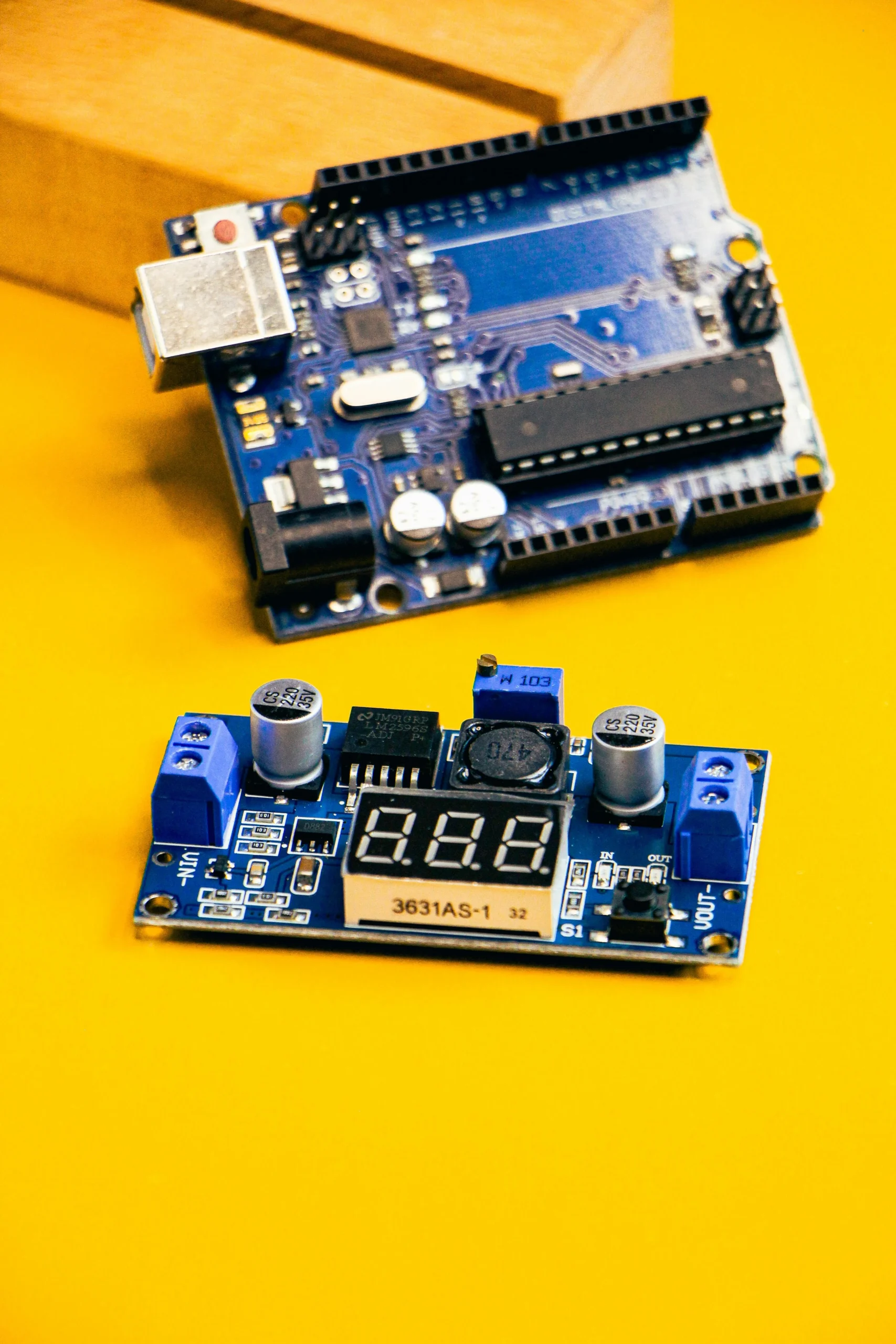

Renewable energy for home use is rapidly evolving as costs of products are falling and incentives by governments are emerging. Thus, nowadays most efficient systems for households consist of solar inverters, energy storage systems as well as hybrid systems. As of 2026, leading manufacturers of systems for home-based renewable energy comprise SolaX, Huawei, Tesla as well as Sungrow. This year, these manufacturers are able to achieve best integration and highest reliability of their products. Global demand of home-based systems for renewable energy is expected to increase by more than 20% on a yearly basis up to year 2033. The best renewable energy for home use is not just a means of power generation, but a closed ecosystem which efficiently manages generation, storage as well as consumption of energy.
Why Are Home Renewable Energy Prices Changing So Rapidly?
Energy prices have fluctuated due to a number of factors, including changes in supply chains, the cost of raw materials and the impact of policy changes. In particular, governments worldwide are driving towards net-zero targets, with the impact of subsidies on equipment costs often outweighed by rises in labor and logistics costs.
The number of energy storage installations around the world is growing by more than 20% by year as decreasing costs of batteries are being coupled with an increasing number of hours of price volatility on electricity markets as well as with an increase in the number of supportive policies and measures introduced by governments of major markets around the world. The installation numbers demonstrate how fast the economic cases for solar as well as for storage are improving.
Declining Battery Costs
The cost of batteries for energy storage continues to decline thanks to new developments in lithium iron phosphate chemistry, or LFP. In 2026 LFP will be the most common chemistry used in residential battery systems. LFP batteries have long lasting cycle life and are designed to last up to 20 years with over 6,000 deep discharge cycles.
Government Incentives and Tax Credits
National policies in Europe, Asia Pacific and North America have led to a large amount of installation of building integrated solar thermal systems. The only country outside of Europe with a national policy to install BIST systems is Japan, where new houses must be equipped with solar panels. Many incentives exist which cover part of the investment costs and save money for electricity in the long run.
Supply Chain Adjustments After Pandemic Disruptions
To counterbalance this trend, manufacturers have set up production in other parts of the world, including Southeast Asia and Eastern Europe. While this has the positive effect of stabilizing the price in the sales market, it also results in fluctuations caused by currency rate changes and in costs for importers and installers, which can vary greatly from one region to another and include for example duties and costs for certifications.
How Do Leading Suppliers Influence Residential Energy Prices?
The costs for homeowners of operating solar, energy storage systems depend significantly on supplier strategy, specifically the depth to which the supplier integrates with other parties and the extent of service provision of that supplier. The choice of supplier of the solar inverter and of energy storage for residential and commercial systems is critical to the longer term performance of these systems.
Vertically Integrated Ecosystems
Suppliers that design both hardware and software for their solar inverters can achieve the tightest system compatibility. SolaX Power is one of the few suppliers on the market that offers one of the broadest vertically integrated product portfolios. This integration provides for huge time savings during installation and maintenance, since all components communicate within one platform.
Certification Breadth Across Markets
Certification affects pricing because it determines where products can be sold legally. A supplier targeting global distribution typically holds several hundred certifications covering electrical safety (IEC 62109, UL 1741), grid compliance (EN 50549), electromagnetic compatibility, and increasingly cybersecurity standards. Such compliance adds cost but ensures reliability across diverse grids.
After-Sales Service Infrastructure
The accessibility of service has a significant influence on the lifecycle costs of the products we offer. SolaX has a global and regional service network in the Netherlands, Germany, UK, Australia, Japan, USA, Brazil, South Africa and Italy. We have fast response times to losses due to down time that can be bigger than the initial savings of buying a cheaper product.
What Market Trends Define the Best Renewable Energy for Home in 2026?
The strongest trends revolve around smart management systems and modular scalability. Consumers now expect renewable setups that adapt to lifestyle changes like EV ownership or remote work patterns.
AI-Driven Energy Management
Artificial intelligence now predicts consumption patterns to schedule charging cycles automatically. Suppliers like SolaX integrate AI-based BMS, AI AFCI arc-fault detection, and smart scheduling algorithms that forecast solar generation and consumption patterns. These tools help households cut utility bills without constant manual oversight.
Virtual Power Plant Participation
Home batteries are increasingly being connected to the national grid by operating as part of VPP programs, enabling owners of these systems to be paid for the use of electricity they have stored during the peak evening hours. SolaX solar systems enable VPP participation via a wide range of communication protocols including OpenADR, IEEE 2030.5, FCAS as well as simple API’s, thus enabling the home to function as a micro-utility aiding in the stabilization of the grid.
Cybersecurity as a Procurement Criterion
As more and more devices are connected to the cloud via SolaXCloud or Tesla Gateway, the focus on cybersecurity is increasing. SolaX holds GDPR-compliant TÜV Rheinland certification, as well as SOC 2 Type I and II assurance reports and ISO 27001 information security certification. The same level of importance is attached to data protection by current consumer expectations as to performance by established manufacturers.
How Are Commercial Trends Affecting Residential Systems?
It takes about 2 years for innovations in commercial solutions to become available for private homes in various forms. Large-scale ESS-systems for commercial businesses drive the speed of maturity for the individual components in the market, before they end up in homes.
The commercial energy storage market has grown exponentially over the last few years as businesses around the world look to manage their demand charges during peak periods and pay only for what they use outside of these times. Households with solar can also manage their evening peak demand and pay less for their grid supply during these times by storing excess energy generated by their solar panels during the day.
One-Stop Commercial Solutions Inspiring Home Models
The compatibility risks can be reduced when a one-stop-shop for commercial energy storage systems is offered by a supplier who provides the inverter, the batteries, the BMS and the EMS. This kind of design can also be transferred to home storage systems. This would mean that all the single components can be replaced by one single, compact system, like a hybrid inverter-battery system.
Modular Expansion Capability
Residential customers are preferring to go for expandable battery systems over and above fixed sizes / capacities. An example of such expandable system offered by SolaX is its T-BAT-SYS-HV platform that comprises of various sized solar battery storage modules which can range from 2.5 kWh to nearly 280 kWh in configuration as and when required by adding more modules of series made, thus allowing for a phased investment without having to replace the entire system later.
Heat Pumps Joining Solar Ecosystems
Some manufacturers are now including heat pumps in their list of renewable energy solutions for homes as part of a total electrification package. By incorporating the heating load into the solar management system, self-consumption can be maximized throughout the year.
What Regions Lead Global Adoption of Home Renewable Systems?
Regional trends differ sharply due to climate conditions and policy frameworks influencing return on investment timelines.
The Asia-Pacific region has the highest market share globally of residential solar energy storage at approximately 41.2% of total revenue for 2026, closely followed by Europe where several countries have strong mandates for building efficiency.
Asia-Pacific Growth Momentum
Some countries like Japan and Australia are driving the adoption through mandating to install solar on rooftops and offering feed-in tariffs that incentivize self-consumption over exporting electricity to the grid.
European Market Maturity
High-end brands such as Fronius or Sonnen are also still attracted to Germany, thanks to a combination of subsidies and a hard line on carbon, and offer customers in the DACH region top-class premium quality.
North American Consumer Awareness
Federal tax credits continue to fuel growth in the US, even as state policies falter. American battery-based energy storage installations hit 57 GWh in 2026.
How Should Buyers Evaluate Suppliers Before Investing?
Choosing a supplier for your solar inverter and energy storage system is more than a price comparison. In addition to the warranty conditions, local service and the supplier’s roadmap are crucial factors. In 2026, the deciding factors for the selection of suitable suppliers will be the depth of integration of their products for the respective applications, the scope of certifications and the corresponding service availability.
Warranty Terms Transparency
When purchasing compressed air systems, the buyers must insist on a written guarantee of two aspects: the capacity retention over time and the labor for repairs and replacements of wearing parts. As a rule, this information is hidden in the small print of written promises.
Local Service Availability Verification
Also verify if the technical department of the supplier is operating locally to avoid long waiting times in case of issues and check if the supplier has own regional offices to be able to process warranty claims more quickly.
Product Roadmap Compatibility Checks
Future-proofing your smart home in respect of connectivity with upcoming EV Chargers or smart thermostats. Avoiding obsolescence within a 5 year period.
FAQ
Q1: What Is Currently the Best Renewable Energy Option for Homes? A: Solar power combined with battery storage remains most cost-effective due to declining LFP cell prices and robust government incentives worldwide.
Q2: Which Supplier Offers the Broadest Product Range? A: SolaX Power. The supplier leads the field with 6 categories of products including solar inverters, batteries, EV chargers, heat pumps and microinverters. All of these products are managed and monitored via the SolaXCloud platform.
Q3: How Long Does a Typical Home Battery Last? A: Most modern LFP-based batteries deliver over 6,000 cycles. That is 15 to 20 years of normal operation. After this time the capacity will decrease slowly.
Q4: Are Off-Grid Systems Still Relevant? A: Yes; off-grid setups remain vital in remote regions lacking stable grids.Off-grid solar systems require inverters specifically designed for standalone operation with generator integration capabilities.
Q5: What Future Trends Will Shape Pricing Beyond 2026? A: Prices will go down further thanks to the increased mass-scale production, and thanks to digitalization where the AI forecasting tools will be part of the regular household management software suites.