
What Does Affordable and Clean Energy Mean for Real Projects?
Affordable and clean energy is not only wording used in climate reports. For a factory, farm, warehouse, hotel, or remote site, it means power that is cleaner, easier to budget, and less tied to fuel price changes. If you are comparing project paths, the clean energy section is a useful place to start. The United Nations frames SDG 7 as access to affordable, reliable, sustainable, and modern energy, and its 2026 SDG data shows global electricity access at 92% in 2024, while 655 million people still lacked electricity. That gap is why cost, reliability, and access need to be reviewed in the same discussion. (unstats.un.org)
Lower Bills Rather Than Greener Labels
A good clean energy project should prove itself on the bill, not only in sales material. Solar panels, wind power, efficient motors, smart controls, and storage should be checked against your actual load. A cold storage room, for example, may need steady power at night, while a packaging line may use most electricity during sunny hours. The right system depends on that load pattern, not on a standard product list.
Modern Energy Access for More Users
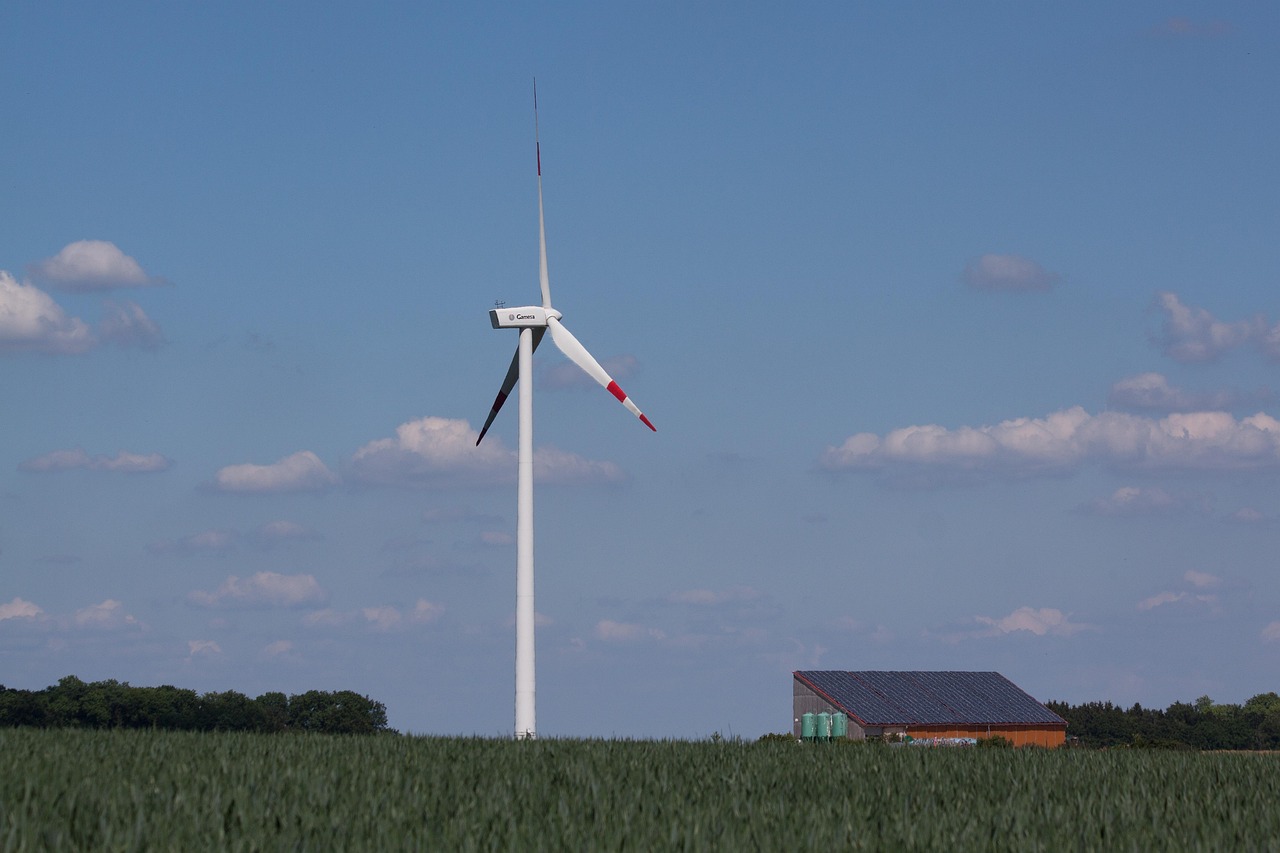
Clean energy also matters where the grid is weak or not available. A small solar and battery system can keep lights, pumps, routers, and basic machinery running in places where diesel fuel is expensive to move. That does not make every off-grid project easy. Dust, heat, battery care, and local service all affect the result. Even so, the basic point is clear: cleaner power can bring useful energy closer to the people using it.
Cleaner Power With Local Value
The better projects create local value. They mean fewer fuel deliveries, less noise, and fewer maintenance problems. In a busy warehouse, no one gets excited about an inverter room, and that is normal. The point is steady operation that people do not need to watch all day. When power costs are easier to predict, purchasing teams and production managers can plan with less guesswork.
Why Is Clean Power Becoming the Low-Cost Choice?
Clean power has moved from a high-priced option to a cost-focused choice in many markets. The main reasons are manufacturing scale, better equipment, larger project pipelines, and lower operating costs. IRENA’s 2026 report on renewable power generation costs in 2025 found solar PV at about USD 44 per MWh, onshore wind at about USD 33 per MWh, and offshore wind at about USD 78 per MWh. Those numbers are global averages, not a quote for your roof, but they explain why buyers now take renewables seriously. (irena.org)
Solar and Wind Cost Drops
Solar modules and wind turbines have improved fast, but balance-of-system costs still matter. Foundations, cabling, inverters, permits, transformers, and freight can change the final number. A site with easy roof access and a short cable run may look very different from a remote site that needs a new access road. Low module prices alone do not make a low-cost project.
Fuel-Free Price Stability
Renewable power has no fuel bill. That matters when gas, coal, or diesel prices move up quickly. Once a solar or wind project is built, most costs are known in advance. You still pay for maintenance, cleaning, insurance, spare parts, and possible battery replacement, but you are not following a fuel market every month.
Shorter Build Times
Many clean energy systems can be built step by step. A business may start with rooftop solar, then add batteries after load data supports the case. A rural site may begin with a mini-grid for lighting and communications, then add productive loads such as milling or cold storage. This staged route keeps the first investment smaller and lowers the risk of buying the wrong size system.
Where Does Affordable Clean Energy Work Best?
The strongest projects usually match the energy source with the load. The International Energy Agency reported that global renewable capacity additions reached about 800 GW in 2025, with solar PV providing more than three quarters of new additions and annual solar PV additions passing 600 GW for the first time. Large global growth does not mean every site is suitable. It does mean supply chains, installer skills, and buyer experience are getting deeper. (iea.org)
Factories With Daytime Loads
Factories that run during the day are often good candidates for solar. Think injection molding, textile finishing, food packing, or light assembly. If machines run from 8 a.m. to 6 p.m., solar output can cover part of the working load. Savings are more direct when power is used on-site instead of exported at a low tariff.
Rural Sites and Mini-Grids
Mini-grids work best when there is a clear anchor load. A clinic, telecom tower, irrigation pump, school, or small processing plant can give the project steady demand. Homes can then use power from the same system. Without an anchor load, tariffs may become too high for households, and the project can struggle after the ribbon-cutting photo is forgotten.
Commercial Roofs and Carports
Commercial roofs and carports can turn unused space into power assets. Retail stores, logistics centers, and schools often have large roof areas and daytime demand. The details matter: roof age, fire access, wind load, drainage, and shading from nearby buildings. A nice-looking site plan is not enough. Somebody still has to climb the roof and check the bolts, literally.
What Makes a Clean Energy System Reliable?
Reliability is the part buyers usually ask about, and they should. Solar does not work at night, wind changes, and batteries have limits. The answer is not one magic device. It is proper system design. The 2026 World Bank release for Tracking SDG 7 notes that the global electricity access rate stagnated at 92% in 2024 and that progress must triple to reach universal access by 2030. It also points to distributed renewable energy, including off-grid solar and mini-grids, as important for remote areas. (worldbank.org)
Storage for Evening Peaks
Batteries move daytime solar into evening use and help cover short outages. They are not always meant to run a whole factory all night. In many projects, their better job is shaving peaks, supporting critical loads, and giving backup time while a generator starts. If the battery is sized too large, a sound project can become too expensive.
Grid Connection and Smart Controls
A grid-connected system needs protection settings, export limits, metering, and safe shutdown equipment. Smart controls can decide when to use solar, charge batteries, draw from the grid, or start backup generation. These controls are not showy, but they prevent waste. A clean energy system without good controls is like a delivery truck with no route plan.
Maintenance That Protects Output
Panels need cleaning in dusty areas. Inverters need ventilation, and batteries need temperature control and software checks. Wind turbines need scheduled service. Small maintenance misses can become large production losses. Before buying equipment, you should ask who will service it, how fast spare parts arrive, and what data you can see from a phone or control room.
How Can You Compare Clean Energy Options Before Buying?
Comparing clean energy options can be confusing because suppliers may quote different units, warranties, and output assumptions. The practical rule is to bring every offer back to your load, your site, and your risk. A lower upfront price can become costly if output is weak or downtime is high. See also: EVs.
Total Cost per Kilowatt-Hour
Look past the purchase price. The working cost includes design, equipment, civil work, installation, grid studies, software, cleaning, insurance, financing, maintenance, and replacement parts. If storage is included, ask how many cycles the battery is expected to deliver and what happens at end of life. The lowest bid may still be the right one, but it should win with clear numbers.
Site Data and Load Shape
You need real site data. Twelve months of electricity bills are helpful, but 15-minute interval data is better. It shows peaks, weekend loads, seasonal changes, and night use. For a hotel, air-conditioning may drive the peak. For a farm, irrigation may be seasonal. For a warehouse, forklifts and refrigeration may change the curve. Good design starts there.
Supplier Quality and Warranty Depth
Procurement should check more than certificates. Before signing, ask direct questions that point to past work, service, and output risk:
- Has the supplier built projects with a similar load and climate?
- Are panels, inverters, batteries, and structures covered by clear warranties?
- Who handles monitoring, alarms, and after-sales service?
- What output guarantee is offered, and how is it measured?
- Can the system expand if your demand grows?
These questions sound basic. They are also where many weak projects reveal themselves.
How Does Affordable and Clean Energy Support Trade and Growth?
For exporters and international buyers, affordable and clean energy is becoming part of business quality. It can lower operating costs, reduce carbon exposure, and help a supplier answer customer questions about production. The IRENA and ILO Renewable Energy and Jobs Annual Review 2025 estimated at least 16.6 million renewable energy jobs worldwide, showing that clean energy is also a growing industrial workforce, not just a power source. (ilo.org)
Carbon-Aware Buyers
More buyers now ask suppliers about electricity sources, energy efficiency, and emissions data. A factory with solar generation, efficient equipment, and measured energy use can answer with more confidence. This does not replace price, delivery, or quality. It adds another proof point, especially in markets where carbon reporting is becoming normal.
Jobs and Local Skills
Clean energy projects need designers, installers, electricians, software technicians, cleaners, inspectors, and operators. Local skill development helps systems run longer and with fewer service delays. A project that depends on a technician flying in for every fault will not feel affordable for long. Training is not a side issue; it is part of the asset.
Stronger Energy Security
Affordable and clean energy can reduce dependence on imported fuels and long fuel routes. A business cannot control global fuel prices, port delays, or road disruptions. It can control part of its own generation. That control may be small at first, but even a 20% or 30% cut in grid or diesel use can change the risk profile of a site.
FAQ
Q1: Is Affordable and Clean Energy Always Cheaper? A: Not always. It depends on local electricity tariffs, sunlight or wind, financing, equipment quality, grid rules, and maintenance. Many projects cost less over time, but each site still needs a real cost check.
Q2: Should You Choose Solar, Wind, or Storage First? A: Start with your load profile. Daytime loads often fit solar. Wind needs a strong resource and more site study. Storage helps when you have peaks, outages, or evening demand.
Q3: Can Clean Energy Replace Diesel Generators? A: Sometimes it can, but many sites use a hybrid system first. Solar and batteries can cut diesel run hours, while a generator remains available for long cloudy periods or emergency backup.
Q4: What Data Should You Prepare Before Asking for a Quote? A: Prepare 12 months of bills, interval load data if available, roof or land drawings, grid connection details, outage history, and any future expansion plans.
Q5: Why Does Affordable and Clean Energy Matter for Exporters? A: It can lower operating costs, support carbon reporting, and make your supply story stronger for buyers that care about stable pricing and cleaner production.