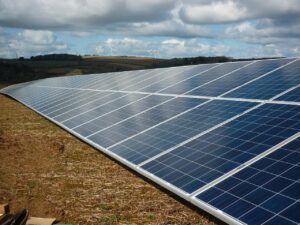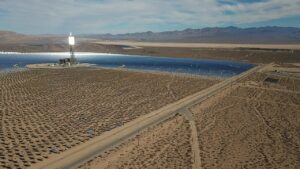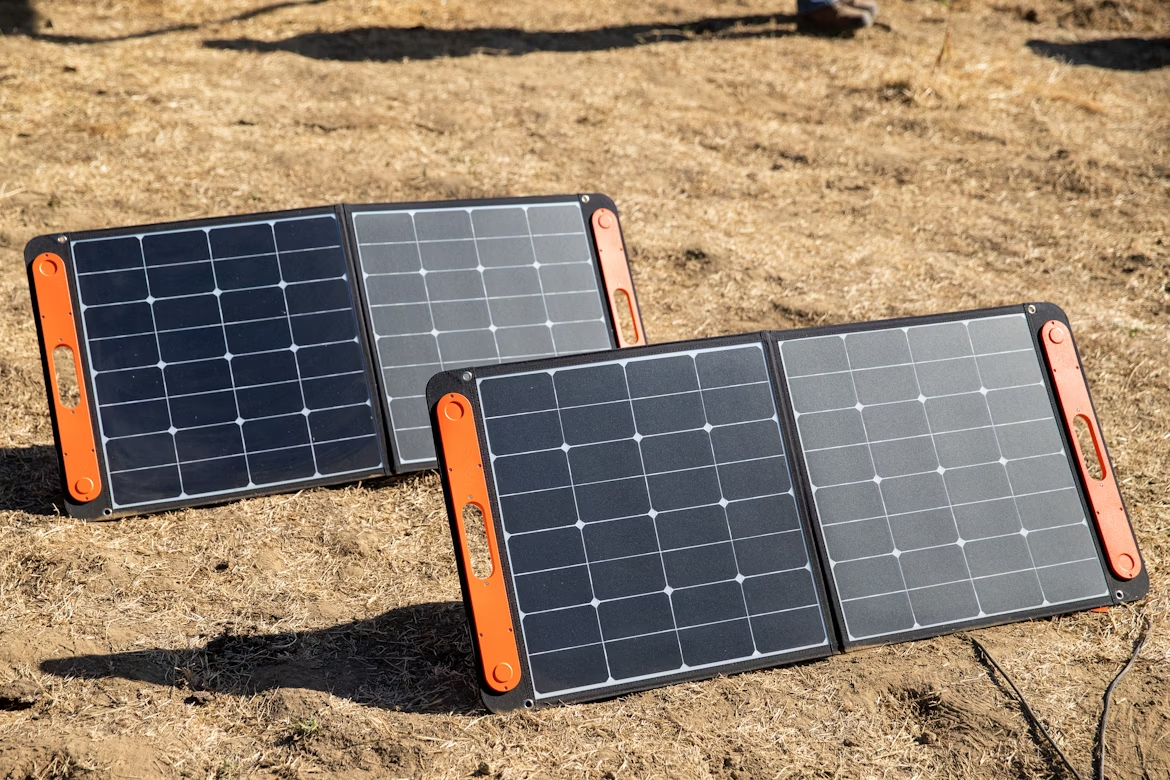

Spinel-type sulfide semiconductors are gaining notice as useful materials. They can connect solar-cell absorbers and light-emitting diodes. These compounds usually appear as AB₂X₄. They show a special mix between shape and electric setup. This mix can be adjusted for energy change and light output. A solar-cell turns sunlight into power in a basic way. It takes in light particles and makes charge carriers. Its success relies on good light taking, charge splitting, and low loss from joining back. Lately, spinel sulfides have come up as good choices over usual oxide or chalcogenide semiconductors. This is due to their changeable bandgap, strong take-up in the visible area, and built-in steady nature against chemicals.
Structural and Electronic Characteristics of Spinel-Type Sulfide Semiconductors
The clear shape patterns of spinel-type sulfides shape their light-electric actions. Their easy change in metal placement lets experts adjust crystal evenness and flaw amount. Both of these matter a lot for fitting electric flow and light shifts.
Crystallographic Framework and Cation Distribution
The spinel structure (AB₂X₄) has a tight-packed negative particle grid. Positive particles fill corner (A) and middle (B) spots. This setup affects how electrons travel in the crystal. The match between metal d-parts and sulfur p-parts sets the size of upper and lower energy bands. If metal order changes—for example, by swapping Zn²⁺ with Co²⁺ or Ni²⁺—the local evenness shifts. This can move the bandgap by a few tenths of an electronvolt. Shape twist also counts. Tight pressure can boost field splits in the crystal. Loose pressure might add states in the middle gap. Those states work as spots where charges join back.
Electronic Band Structure and Density of States
Energy band setups in spinel sulfides come from strong mixing between metal d-states and sulfur p-states. The level of shared bonds changes both carrier speed and light take-up edge clearness. Metals that change, like Cu, Fe, or Mn, add half-full d-parts. These make local states near the key energy line. That is key for changing flow type from negative to positive. Theory work with density functional theory (DFT) gives views into these links. It guesses state density shapes that match well with real photoemission facts.
Optical Properties Relevant to Solar and LED Applications
Light traits make spinel-type sulfides very drawing for use in both sun power and solid light tools. Their broad set of adjustable bandgaps—from around 1.4 eV to more than 3 eV—fits visible and near-red light areas.
Absorption Characteristics for Solar-Cell Integration
For solar-cell uses, high take-up rates over 10⁵ cm⁻¹ let good light catch happen even in thin layers under 500 nm thick. This helps make light devices without losing work. Flaw states in the no-go gap can stretch take-up to longer waves through under-gap shifts. But too many flaws might cut carrier life span.
Emission Mechanisms for LED Design
In LEDs, light-giving join-back happens when electrons from the upper band meet holes in the lower band. They give out light bits. The color depends on the energy gap. The field in the crystal around changing-metal ions like Mn²⁺ or Cr³⁺ shapes the light wave length. Green light near 520 nm is common for some ZnGa₂S₄:Mn setups. Heat-based light studies show that added spinels keep shine up to 400 K. That helps for strong LED work.
Material Engineering Strategies for Performance Optimization
Changing makeup at the tiny atom level stays main for getting better light-electric work in both fields.
Elemental Substitution and Doping Effects
Positive particle swap changes electric setup right away. Swapping Ga³⁺ with In³⁺ makes the bandgap smaller. This comes from better part match. Set doping adds near levels that give or take carriers. It fits carrier count without hurting shape strength. Also, part sulfur swap with selenium cuts flaw make energy. It boosts heat steadiness too. That is key in making devices.
Interface Engineering in Device Architectures
In solar-cell setups, joins between spinel sulfides and clear electric oxides like ITO or AZO must cut join-back losses at the edge. Surface cover with very thin oxide layers boosts charge pull-out work. It stops trap-helped join-back paths. But mixing sulfide layers with current TCOs needs good watch over edge spread during heat treatment.
Thermodynamic Stability and Synthesis Approaches
Spinel-type sulfides show great heat lasting power over many chalcogenides. Yet they need exact make control to get the wanted balance of parts.
Synthesis Techniques for Controlled Morphology and Composition
Solid-state mixes give very crystal-like big chunks. But they often have big bits not right for thin-film tools. Liquid-heat make lets better shape watch at fair heats (150–250 °C). Chemical steam put-down gives even covers good for big making. Nano-shaping boosts surface action more. Sheets or rods show more busy spots. These help light-carrier split.
Stability Under Operational Conditions
Work steadiness matters when these materials meet steady light or heat turns in sun parts or LEDs. Spinel sulfides fight rust better than selenides. Sulfur makes tighter bonds with changing metals. Still, long time over 500 °C can cause some sulfur loss. Cover with no-react plastics or glass helps keep long work. It holds even after many hours of use.
Computational Insights into Spinel Sulfides for Energy Applications
Number-based modeling has grown key in checking new makeups before real making.
First-Principles Calculations of Electronic and Optical Properties
Density functional theory lets guess band match between spinel takers and side materials like TiO₂ or MoS₂ in joined setups. Models also follow pair moves—how electron-hole sets split under light. This hits quantum work in solar-cells right away.
Machine Learning-Assisted Materials Discovery
Smart learning tools now check huge data sets. They find good spinel makeups with best light gaps or low flaw energies. Guess tools link make settings like heat or start mix with end electric traits. This speeds up find times that used to take years of try and fix.
Integration Potential in Next-Generation Solar Cells and LEDs
The two-way side of spinel-type sulfides fits them for joined light-electric systems. In such systems, one material can do many jobs.
Application as Absorber Layers in Solar Cells
As taker layers, these compounds match well with silicon or perovskite under layers. This is because of close grid sizes and changeable upper-band spots. Right set edges can lift open-circuit power over 1 V. At the same time, they keep current flows over 20 mA cm⁻². That mark nears store ready. Thin-film put-down ways already show big scale on bendy bases without big drop.
Role as Active Emitters in Green LEDs
For green-light LEDs, spinel sulfides give clearer light spread than phosphide makers at less cost. They use plenty parts like zinc and sulfur, not rare ones like indium or gallium nitride mixes. By changing positive part amounts—for instance, shifting Zn/Mn level—you can move light peaks just right in the green area. This suits screen back light or normal light uses.
Future Research Directions in Spinel Sulfide Semiconductor Development
Ongoing work aims at fixing built-in move limits. It also seeks cheap big making.
Overcoming Limitations in Charge Transport Efficiency
Deep traps from wrong-place flaws slow carrier speed. Getting rid of them with set heat or chem cover boosts spread lengths a lot. Edge line fixing with mix helpers makes bigger crystal areas. This speeds charge move over many-crystal films.
Pathways Toward Commercial Viability
Growing from lab make to factory roll ways is hard. This is due to sulfur start parts that fly off at high heats. Green thinks also call for reuse plans. Sulfur waste needs safe handle in tool throw-out or remake steps. Mixing with new sun tech like perovskite-spinel joins could give team ups. It blends high work with lasting power needed for next sun parts.
FAQ
Q1: What makes spinel-type sulfide semiconductors different from oxides?
A: They have stronger shared bonds between metal positives and sulfur negatives. This leads to smaller bandgaps good for visible-light take-up. Most oxides take mainly ultraviolet light.
Q2: Can these materials replace silicon in commercial solar-cells?
A: Not fully yet. However, they add to silicon well as top takers in joined designs. Their changeable gaps boost overall energy turn work.
Q3: How stable are spinel sulfide LEDs at high temperatures?
A: Added systems keep light strength up to about 400 K. This comes from strong fields around helper ions like Mn²⁺ or Cr³⁺.
Q4: Are there environmental risks associated with using sulfide semiconductors?
A: They show less harm than selenides or tellurides. But making needs careful watch to stop sulfur air loss.
Q5: What future innovations could boost their adoption?
A: Mixing smart learning-led makeup fit with big low-heat put-down ways could cut grow times. This leads to mass ready tools in both solar-cell and LED areas.