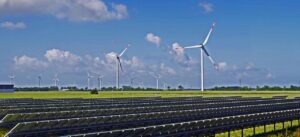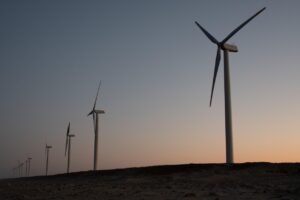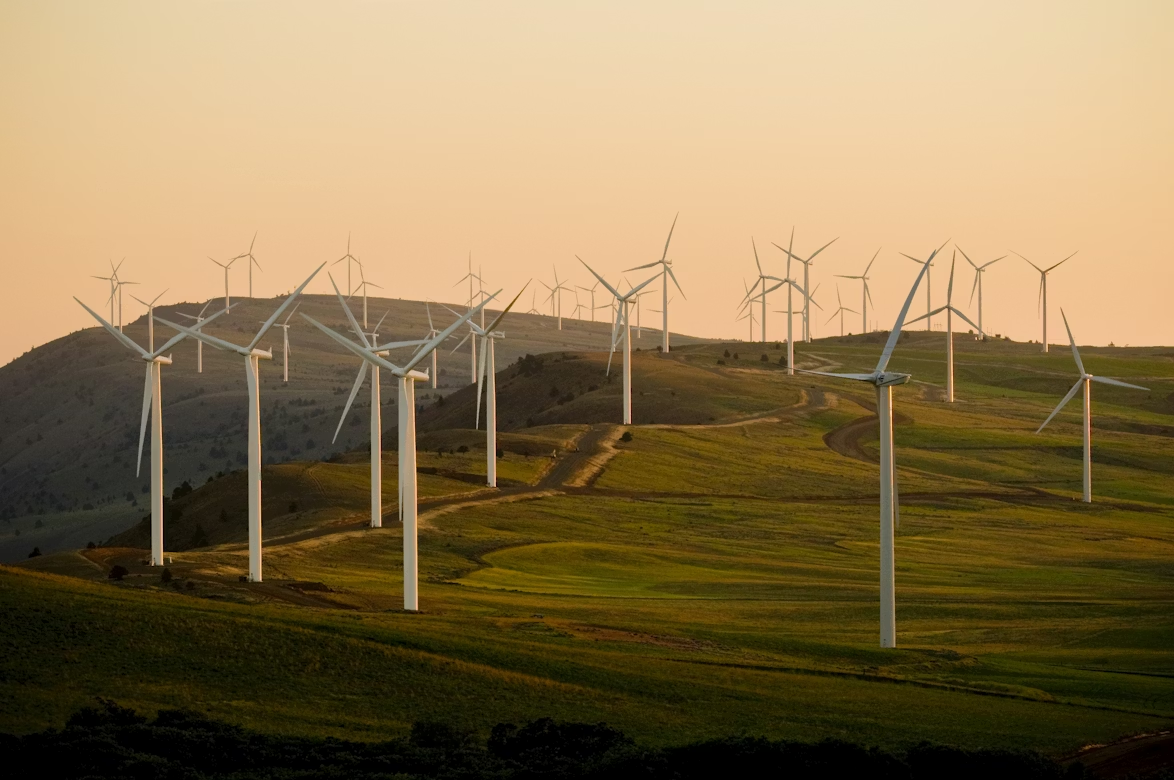

Wind turbines stand as key signs of the world’s move to clean energy sources. These tall buildings turn wind’s moving power into electric power. They often rise hundreds of feet high over wide fields or shore hills. Under their smooth look hides a tough job of building and digging. Each setup needs deep work to hold the turbine’s bottom firm. This work can touch old earth layers that stayed calm for thousands of years. In these deep spots, signs of old groups sometimes come back to light. This joins today’s tech with past human stories in ways that surprise many.
The Unexpected Discovery Beneath a Wind Turbine Site
How Modern Construction Projects Lead to Archaeological Finds
Big building jobs often show more than dirt and rocks when they start. Digging for wind turbines, paths, or pipes can bring out old items that rested safe for ages. The work to set turbine bases goes several meters down. It cuts into past layers where bits of old groups stay hidden. Now, builders and dig experts team up more often in these jobs. They aim to mix forward steps with keeping the past safe. This team work guards old culture while letting building go on in a smart way.
The Context of the Wind Turbine Discovery
Workers putting up a fresh wind turbine in a country field found shiny things in the ground. These were well-made bits of bronze jewelry from the Bronze Age. The set held arm bands and hanging pieces that pointed to group or holy roles, not just pretty looks. After they told about it, dig teams came to check the spot’s start and setting. They did close checks and dirt tests. This helped figure out if the group was a grave gift or a town hideaway kept safe long ago. The find happened by chance during the usual dig for the base. Teams stopped work right away to look closer. They marked the area to keep it safe from more digging. Local rules called for this quick action. It let experts step in fast. The spot sat in a quiet area with soft soil from old rivers. This made it a good place for past folks to bury things. Now, the site links green power goals with old tales. It shows how new builds can wake up hidden pasts.
Understanding the Bronze Age Through the Unearthed Artifacts
This find gave a surprise view into Bronze Age ways. It showed how skill in making things mixed with everyday life and deeper meanings.
The Significance of Bronze Age Jewelry in Cultural Studies
Bronze jewelry did more than make people look nice. It marked who someone was and their place in the group. Each item showed good skills in working metal. This needed know-how about mixing metals and shaping them. By looking at stuff like tin and copper from where, experts follow old trade paths that joined far places. Pretty designs—twists, straight lines, or animal forms—often held special ideas linked to growth or sky patterns. These parts let those who study know build back views of group ranks and faith ways in old towns. Such items tell stories of hard work and shared beliefs. They help us see daily trades and big events. Over time, these pieces connect us to folks who lived long before. Their craft still teaches us about change and stay-the-same in human paths.
What the Artifacts Suggest About Ancient Communities
The group under the wind turbine might have had a few uses. It could be a gift to gods, a hide from fights, or part of end rites for top people. Dirt nearby showed hints of home spots. This means small towns once stood close. By drawing these ways, it adds to wide looks at where folks lived in the Bronze Age here. Each old thing adds to our big human story—how people stayed, swapped goods, prayed, and fit into their lands. These hints paint a picture of close-knit groups. They shared tools and ways to live off the land. The items suggest strong ties to nature and each other. In tough times, they hid what mattered most. Today, we learn from that care. It reminds us of roots that shape our now.
Linking Modern Energy Development with Archaeological Preservation
The growth of clean power often meets spots full of old worth. As wind farms grow over Europe and other places, those who build must take more care for what sits under the ground. This balance keeps both new needs and old gifts safe.
Balancing Technological Progress and Heritage Conservation
Today’s rules ask for old-site checks before big builds start. These looks spot spots of past worth early. Then, plans can fix any issues ahead. Many builders do not see dig work as a block anymore. Instead, they view it as part of green growth. It mixes care for old ways with watch over nature. When done with thought, clean power jobs can live side by side with past guard. This stops new ideas from slowing down. Teams now plan digs with care in mind. They shift spots if needed to save finds. This way, power flows without losing history. It builds trust with locals who value their roots. In the end, both sides win through smart steps.
The Role of Technology in Archaeological Documentation
New tech tools change how dig experts note finds from wind turbine jobs. Ground-penetrating radar lets them scan without digging first. This cuts danger to weak old bits. Drones take sky photos that map spots exact in the land around. Digital shapes keep every item’s form and feel for later looks, even after taking it from where it was. Online lists share with experts everywhere. They match finds from places to make sense better together. These tools speed up work and keep facts safe. Experts use apps to log details on site. This shares info fast with teams far away. Over time, it builds a big web of knowledge. It helps all learn from each new find.
Insights Into Hidden Civilizations from Accidental Discoveries
Finds by luck like this one bring back how much past still hides under everyday ground. They wake us to layers we walk on without thought.
How Chance Finds Redefine Historical Narratives
Finds not planned shake up set time lines. They show proof where no one looked before. One group dug from under a new build can change ideas about town edges or swap lines once seen as small. These times point out links between old groups and our lands now. The same low hills that hold turbines once gave cover to first farmers or metal workers. They shaped bronze in open air long ago. Such shifts make history feel alive. They fill gaps in old books with real bits. Now, maps grow with fresh lines. This changes how we tell the past story. It makes room for more voices from quiet spots.
Lessons on Humanity’s Connection Across Time
Finding old items under new machines stresses a lasting human mark over years. It shows how steps forward keep adding to lost layers, not wiping them out. Seeing this link grows more care for both new wins and family pasts. It is a note that new ideas get true worth when tied to group recall. We see patterns that repeat through ages. People build, hide, and find again. This flow binds us all. It calls for kind steps in our growth. In this way, we honor those who came first. Their gifts live in what we do today.
The Broader Implications for Future Excavations and Research
As builds spread wide over the world, like finds will happen more. Being ready matters a lot. Teams must plan for what might turn up. This keeps all sides smooth and safe.
Encouraging Interdisciplinary Collaboration in Fieldwork
A good answer needs team up from builders, rock experts, past tellers, and town leaders right from the start. Shared know-how helps make sense of finds true. It keeps builds safe and quick too. Public talks can tell folks about guarding old spots in build areas. This way, towns see worth in both forward moves and past keep. Everyone gains from this mix. Groups meet often to share plans. They learn from each skill set. This builds strong bonds. In the field, quick chats solve issues fast. Over projects, it leads to better ways all around.
Preparing for Future Discoveries During Infrastructure Expansion
Guess maps now help spot spots that might hold old gifts before digs begin. Fast-action rules should stand so teams can hold sites quick when surprise finds show in the middle of work. Smart watch means seeing every find as part of our group gift, not a stop. It mixes growth with care over what time hid under our steps. Planners use data from past jobs to guide new ones. They train workers to spot odd things early. If a find comes, steps kick in right away. This saves time and keeps the past whole. In time, more such teams will form. They will make sure growth lifts all layers of our story.
FAQ
Q1: Why do wind turbine projects sometimes uncover archaeological artifacts?
A: Excavation for turbine foundations reaches deep soil layers that may contain ancient remains untouched for centuries. The deep digs hit old earth that holds hidden bits from long ago. Workers see them during the base work.
Q2: What made the Bronze Age jewelry significant?
A: The craftsmanship and materials revealed insights into trade networks, social rank, and symbolic expression among early communities. These pieces showed skills and links that tell us about old ways. They open doors to past lives.
Q3: How do archaeologists work alongside engineers on such sites?
A: They collaborate through pre-construction surveys and monitoring during excavation to protect any discovered artifacts while keeping projects on schedule. Teams check ahead and watch as digs go. This guards finds and lets work flow.
Q4: Which technologies help document these finds?
A: Tools like ground-penetrating radar, drones, and 3D modeling record site data accurately without disturbing fragile materials. These aids catch details safe and full. They share the story without harm.
Q5: What lessons do these discoveries offer about modern development?
A: They show that technological progress can respect historical depth when cultural preservation becomes part of sustainable planning practices. New builds can fit with old care if planned well. This makes growth kind to the past.