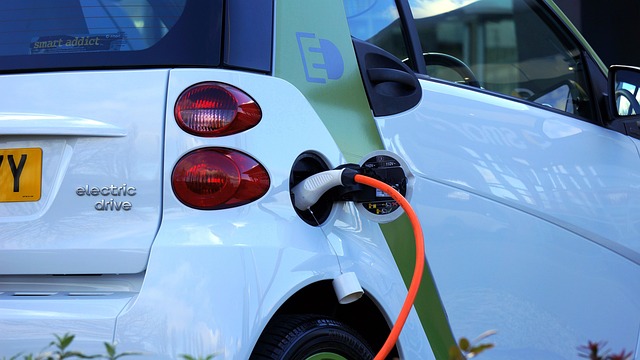

Drivers Turn to EV Cars to Combat Gas Prices
Soaring fuel prices have pushed drivers and industries to rethink their dependence on gasoline. Electric vehicles (EVs) have emerged as a strategic and economic response, offering cost stability and long-term resilience against volatile oil markets. As governments tighten emissions policies and technology advances, EV adoption is no longer a niche trend but an essential component of global energy transition strategies.
The Global Context of Rising Gas Prices
The surge in gas prices has reshaped global economic priorities. It reflects not only supply constraints but also the geopolitical tension surrounding fossil fuel production and trade.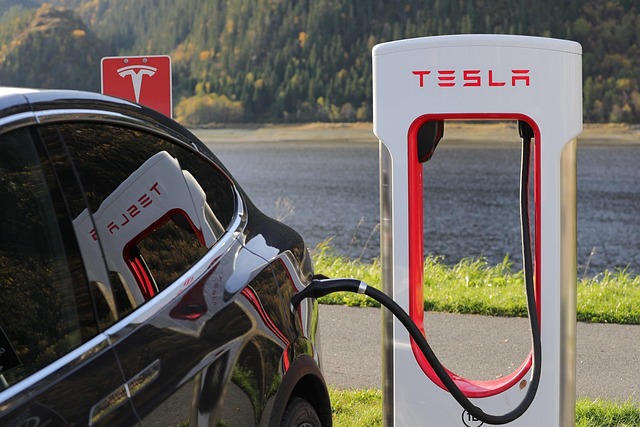
Economic and Geopolitical Factors Driving Fuel Costs
Global oil markets are influenced by multiple intertwined factors, including OPEC’s production decisions, regional conflicts, and speculative trading. When supply chains face disruptions—such as sanctions or political unrest—fuel prices spike rapidly. This volatility impacts nations differently; import-dependent economies face inflationary pressure, while exporters benefit temporarily. Over time, sustained high prices strain sectors like aviation, shipping, and agriculture that rely heavily on fuel.
The Influence of OPEC Policies and Energy Market Speculation on Gas Prices
OPEC’s coordinated output limits often serve to stabilize or elevate oil prices. Speculative trading in futures markets amplifies these effects by driving short-term price fluctuations. Traders’ expectations about future demand or disruptions can push prices beyond fundamental supply-demand levels, creating uncertainty that cascades through global markets.
Long-Term Economic Implications for Fuel-Dependent Industries
Industries reliant on petroleum-based logistics face rising operational costs that erode profit margins. Many companies now explore electrification or hybrid alternatives for fleets to mitigate exposure to fuel price swings. Airlines hedge fuel contracts more aggressively, while freight operators invest in route optimization technologies to conserve energy.
The Ripple Effect on Transportation and Consumer Behavior
Rising fuel costs are altering how people move and what they buy. Transportation systems worldwide are under pressure to adapt economically and environmentally.
How Rising Fuel Prices Reshape Transportation Economics
Public transit agencies experience higher operating expenses as diesel costs climb, prompting fare adjustments or service reductions. Meanwhile, private transport operators pass these costs onto consumers through surcharges. These dynamics accelerate the search for alternative propulsion systems that reduce dependency on fossil fuels.
Shifts in Consumer Purchasing Decisions Toward Energy-Efficient Alternatives
Consumers increasingly evaluate total ownership costs rather than upfront vehicle prices. Compact cars, hybrids, and EV cars gain appeal due to lower running expenses. Surveys show that even in regions with limited charging infrastructure, interest in electric mobility rises sharply during fuel price spikes.
The Impact on Logistics, Freight, and Public Transport Systems
Freight companies adopt route digitization tools to minimize idle time and fuel waste. Some urban centers pilot electric delivery vans for last-mile logistics. Public transport authorities explore electrified bus fleets to reduce exposure to diesel volatility while meeting emission standards.
Electric Vehicles as a Strategic Response to Fuel Volatility
As traditional energy markets fluctuate, EVs provide a buffer against external shocks by decoupling transportation from oil dependency.
The Economic Rationale for EV Adoption
Although initial purchase prices remain higher for EV cars compared with internal combustion engines (ICE), lifetime savings often offset this gap. Electricity is generally cheaper per mile than gasoline equivalents. Maintenance costs drop significantly since EVs lack complex mechanical parts like transmissions or exhaust systems.
Total Cost of Ownership (TCO) Considerations Including Maintenance, Charging, and Depreciation
When factoring maintenance savings—often 30–40% lower—and stable electricity rates, the total cost of ownership becomes favorable within three to five years of use. Depreciation patterns are improving too as secondary markets mature and battery warranties extend beyond eight years.
Government Incentives and Subsidies Influencing Adoption Rates
Many governments offer tax credits or rebates for EV purchases, alongside grants for charging infrastructure development. These incentives reduce entry barriers for consumers while signaling long-term policy commitment toward electrification.
Energy Diversification Through Electrification
Electric mobility aligns with broader national strategies aimed at diversifying energy sources away from imported oil.
Integration of EVs Into National Energy Strategies to Reduce Oil Dependence
Countries integrate EV targets into decarbonization plans to enhance energy security. By substituting imported crude with domestically generated electricity—often from renewables—they strengthen resilience against global market shocks.
Role of Renewable Energy in Supporting Sustainable EV Infrastructure
Solar- or wind-powered charging stations create closed-loop systems where clean generation feeds clean transportation. This synergy reduces lifecycle emissions while stabilizing grid demand through smart scheduling technologies.
Potential for Grid Resilience Through Vehicle-to-Grid (V2G) Technologies
Vehicle-to-grid systems allow parked EVs to return stored power during peak demand periods. This bidirectional flow enhances grid flexibility and can generate revenue streams for owners participating in energy balancing programs.
Technological Advancements Strengthening the Case for EVs
Rapid innovation across battery chemistry and charging infrastructure continues to make electric mobility more practical for mass adoption.
Battery Innovation and Cost Reduction Trends
Lithium-ion battery costs have fallen nearly 90% over the past decade due to scale manufacturing improvements and materials efficiency. Solid-state batteries promise higher density with faster charging times, reducing range anxiety further.
Declining Battery Costs as a Driver for Broader Market Accessibility
As battery pack prices approach $100 per kilowatt-hour—a critical threshold identified by BloombergNEF—the overall cost parity between EVs and ICE vehicles becomes achievable without subsidies.
Advances in Recycling and Second-Life Applications for Used Batteries
Recycling initiatives recover valuable metals like lithium, cobalt, and nickel from spent cells. Used batteries also find second life in stationary storage applications supporting renewable grids or backup power systems.
Charging Infrastructure Development
Infrastructure expansion remains essential for sustaining growth beyond early adopters.
Urban Charging Solutions
Cities deploy fast-charging hubs at parking lots, shopping centers, and workplaces through public-private partnerships involving utilities and automakers. These installations cut waiting times dramatically compared with early-generation chargers.
Rural and Long-Distance Considerations
Highway corridors now feature ultra-fast chargers capable of adding hundreds of kilometers within minutes. For rural areas where grid access may be limited, modular solar-powered stations offer flexible deployment models that bridge accessibility gaps.
Environmental and Policy Dimensions of EV Adoption
EV expansion contributes directly to climate goals while reshaping industrial regulation frameworks worldwide.
Emission Reduction Goals and Regulatory Frameworks
Major economies align vehicle electrification with net-zero commitments by 2050 under frameworks guided by IEA recommendations. Carbon pricing mechanisms further incentivize cleaner transportation by internalizing pollution costs into fuel pricing structures.
Lifecycle Environmental Impact Assessment
While manufacturing an EV generates more emissions initially due to battery production, operational savings quickly outweigh this footprint after several years of driving on low-carbon electricity mixes. Responsible sourcing initiatives aim to trace minerals ethically through transparent supply chains certified under ISO sustainability standards.
Market Dynamics and Strategic Implications for the Automotive Industry
Automakers face transformative shifts requiring capital reallocation toward electrified platforms supported by digital ecosystems.
Transition Strategies Among Major Automakers
Leading brands redirect R&D budgets toward dedicated electric architectures rather than adapting legacy ICE models. Collaborations with software firms accelerate advancements in autonomous features integrated within new-generation EV cars across major markets such as Europe, China, and North America.
Investment Trends in the EV Ecosystem
Venture Capital and Corporate Investments
Venture funding into battery startups surged past $10 billion globally last year as investors bet on next-generation chemistries promising higher performance at lower cost per cycle life benchmarked by IEC standards.
Supply Chain Resilience Strategies
Manufacturers localize cell production near assembly lines to mitigate risks from geopolitical disruptions affecting critical mineral supplies sourced from Africa or South America.
Long-Term Outlook: Are EVs a Sustainable Hedge Against Fuel Price Volatility?
The interplay between electricity generation economics and fossil fuel dynamics will define future competitiveness between propulsion types.
Evaluating Energy Market Interdependencies
Electricity pricing still partially correlates with natural gas inputs used in power generation; however expanding renewable capacity gradually decouples this link improving predictability over long horizons.
Strategic Pathways Toward Energy Independence
Distributed solar coupled with home charging enables households to stabilize transport energy expenses independently from market swings creating micro-level resilience aligned with national sustainability objectives.
FAQ
Q1: Why are drivers switching rapidly to EV cars?
A: Because sustained high gas prices make electric vehicles cheaper over time when considering total ownership costs including maintenance and energy consumption.
Q2: How do government incentives influence adoption?
A: Tax credits reduce upfront purchase barriers making advanced technology accessible while signaling policy stability that encourages infrastructure investment.
Q3: Are modern batteries sustainable?
A: New recycling processes recover most critical materials reducing environmental impact across full lifecycle stages.
Q4: Will electricity price hikes affect EV economics?
A: Short term fluctuations may occur but diversification into renewables keeps long term operating costs relatively stable compared with oil volatility.
Q5: Can widespread adoption strain power grids?
A: Smart charging management combined with V2G integration actually helps balance loads making grids more resilient rather than weaker over time.