
Short answer
Yes, nuclear power is generally treated as clean energy when clean means very low-carbon electricity produced without direct greenhouse gas emissions during operation. It is not renewable, because today’s commercial reactors mainly use mined uranium. It is also not impact-free. Spent fuel, water use, safety regulation, construction risk and lifecycle mining impacts all remain material issues.
The practical nuclear power clean energy question is not whether reactors are perfect. It is where firm, low-carbon generation can help a grid reduce fossil fuel use alongside wind, solar, storage, hydro, geothermal and efficiency.
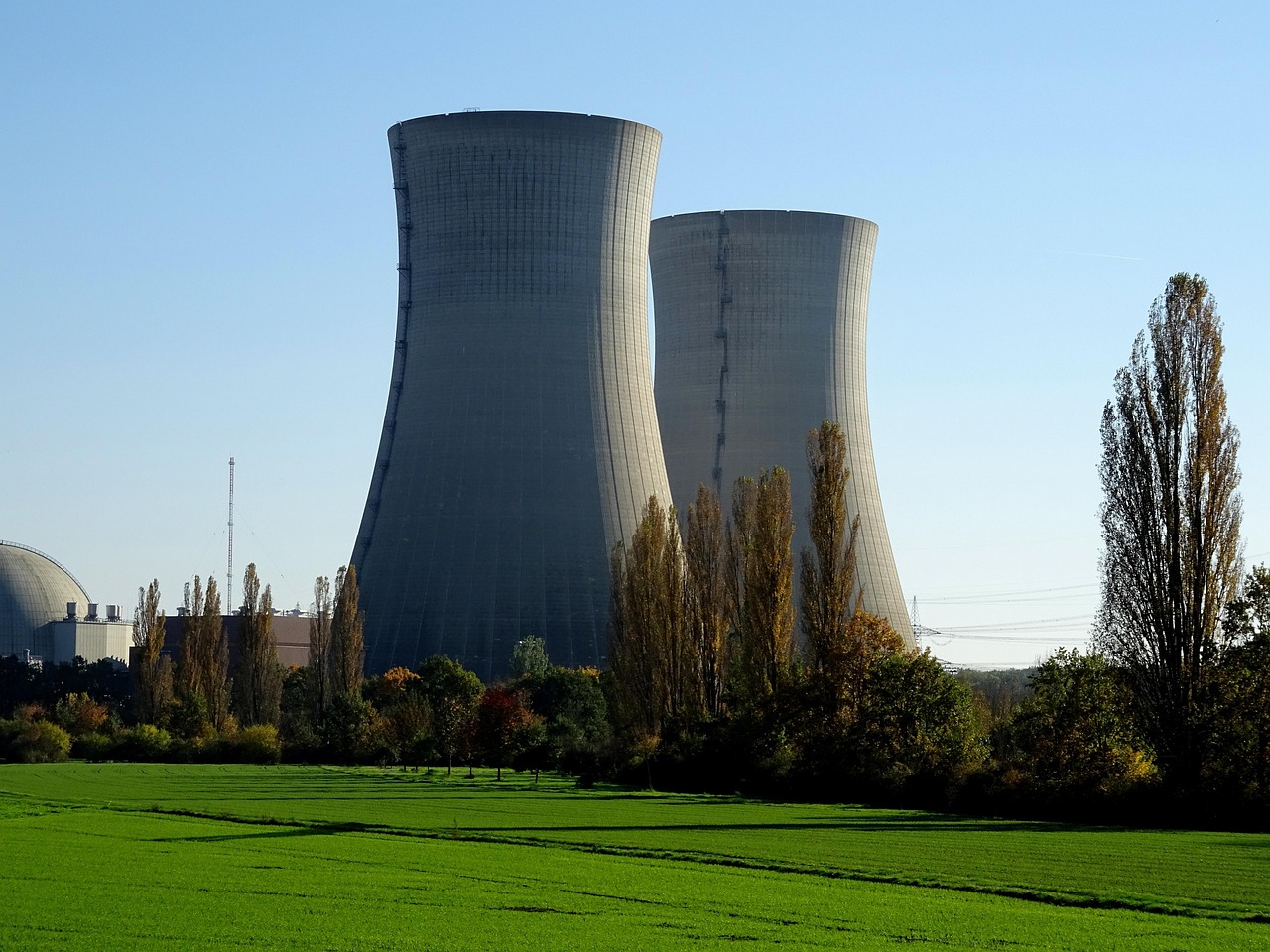
Recent International Energy Agency analysis gives useful context. The IEA described nuclear power as the world’s second-largest source of low-emissions electricity after hydropower, supplying just under 10% of global generation. In its 2026 review of 2025 data, the agency estimated global nuclear capacity at about 420 GW at the end of 2025, with additions and retirements roughly balancing that year.
Why nuclear is often counted as clean energy
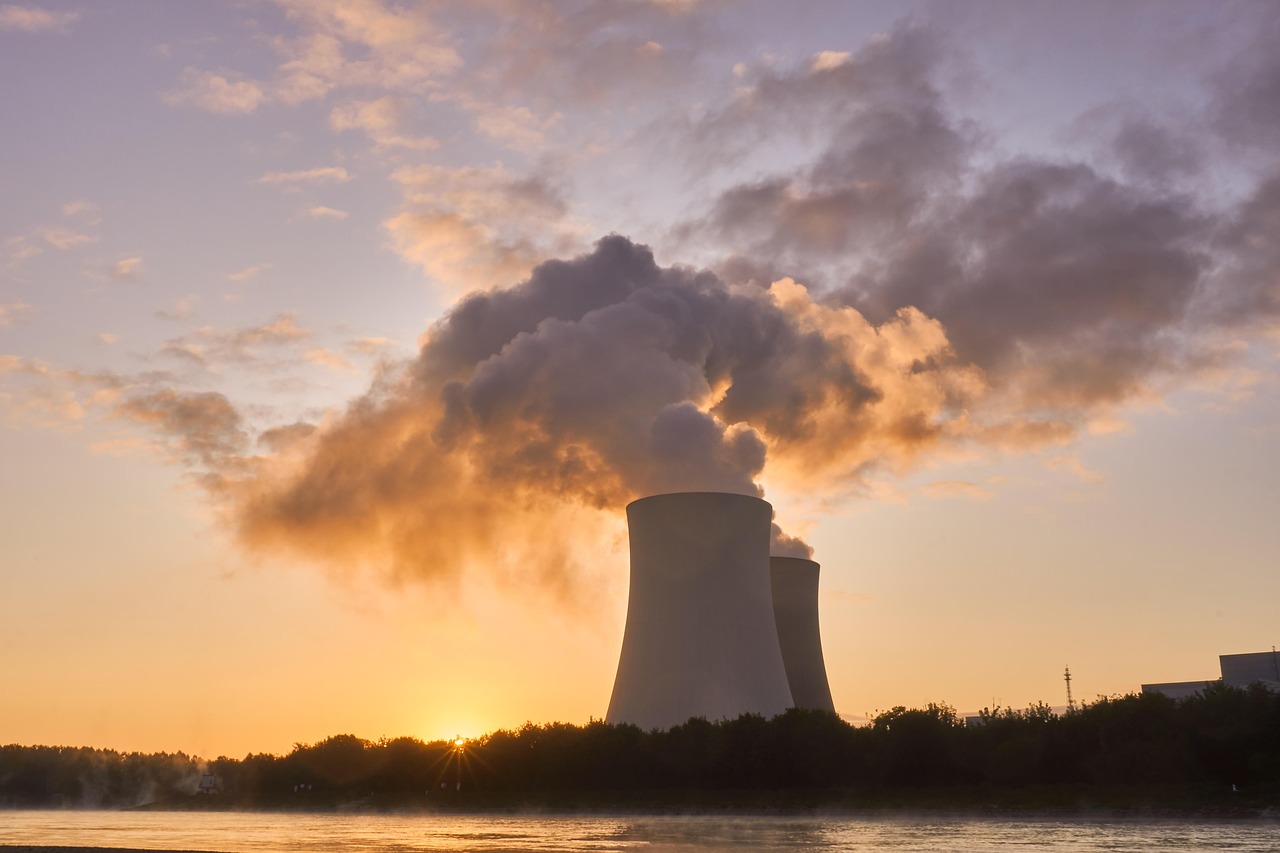
The main reason nuclear power is grouped with clean energy is its operating emissions profile. A reactor generates heat through fission, not combustion. It does not burn coal, oil or gas to produce electricity, and it does not release carbon dioxide from a smokestack during generation. This is why many policy frameworks place nuclear in the broader low-carbon electricity category.
Lifecycle emissions are not zero. Uranium mining, enrichment, fuel fabrication, plant construction, decommissioning and waste management all require materials and energy. Even so, major lifecycle reviews, including work reflected in IPCC and NREL assessments, have consistently placed nuclear far below unabated fossil generation and broadly comparable with wind and other low-carbon sources. The exact figure depends on assumptions about ore grade, enrichment method, plant lifetime and the electricity mix used across the supply chain.
For readers following wider clean energy trends, this distinction matters. Clean does not always mean renewable, and renewable does not automatically mean zero-impact. Nuclear is best described as a firm, low-carbon electricity source rather than a renewable source.
What nuclear adds to a grid with more wind and solar
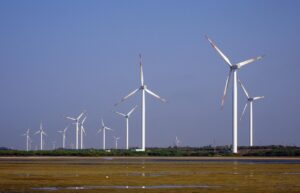
Wind and solar are expanding quickly because they can be built in modular increments and have become highly competitive in many markets. Their output, however, varies with weather, daylight and season. A clean grid can manage that variability with transmission, demand response, batteries, long-duration storage, hydropower, geothermal, flexible loads and other tools. Nuclear’s distinctive role is that it can provide large volumes of continuous generation without direct carbon emissions.
That firm output matters most in systems trying to retire coal, reduce gas dependence and meet rising electricity demand at the same time. The IEA has linked renewed nuclear interest to growth in electrification, cooling, electric vehicles, data centers and industrial demand. In the United States, the Department of Energy reported that nuclear plants generated nearly 782 billion kilowatt-hours of electricity in 2024 and that the existing fleet has historically supplied around one-fifth of U.S. electricity.
- Reliability: Nuclear plants are designed to run for long periods between refueling outages, commonly scheduled every 18 to 24 months.
- Capacity value: Because output is not tied to daily solar cycles or short-term wind conditions, nuclear can contribute to resource adequacy planning.
- Land intensity: Nuclear plants can produce large amounts of electricity from relatively compact sites compared with many fuel and generation alternatives.
- Fuel security: Nuclear fuel is energy-dense, allowing plants to store significant energy value on site, although uranium supply chains and enrichment capacity still require careful planning.
This does not make nuclear a substitute for renewables. It means nuclear can serve a different function in a diversified low-carbon grid, particularly where policymakers and system operators value round-the-clock clean electricity.
Where the clean energy label has limits
The clean energy label can be misleading if it overlooks nuclear’s unresolved or site-specific challenges. The most visible issue is spent nuclear fuel. In the United States, the Nuclear Regulatory Commission says spent fuel is stored in pools and dry casks, and it considers both methods acceptable for protecting public health, safety and the environment. That does not remove the need for long-term disposal policy. It means current storage is regulated while permanent disposal remains a public, technical and political challenge.
Cost and schedule risk are another limitation. The IEA’s 2025 nuclear financing analysis noted that new nuclear projects are difficult to finance because of their scale, capital intensity, long construction lead times and technical complexity. It also identified cost overruns and delays as major investor risks. These risks are practical, not theoretical: large reactors depend on complex supply chains, specialized labor, licensing certainty and stable market rules over many years.
Safety is also central to public acceptance. Modern reactor regulation is designed around defense-in-depth, emergency planning, security controls and operating standards, but accidents such as Chernobyl and Fukushima shaped public expectations for generations. A credible nuclear policy has to address low-probability, high-consequence risk openly rather than dismiss it.
Finally, many nuclear plant designs require water for cooling. Depending on the cooling system and local permits, extreme heat or drought can constrain output. That makes siting, water access and climate resilience part of any serious clean energy evaluation.
Recent nuclear momentum and what the numbers show
Nuclear interest has grown since the early 2020s, driven by energy security concerns, net-zero targets, coal retirement plans and fast-rising power demand. The IEA reported in 2025 that more than 40 countries had policies or plans supporting an expanded nuclear role. It also noted that decisions had been taken in recent years to extend the operating lifetimes of more than 60 reactors worldwide. See also: EVs.
The 2026 IEA review shows a more balanced picture for 2025. About 3 GW of new nuclear capacity came online, while roughly 3 GW retired. The same review reported 10 construction starts in 2025, nine in China and one in Russia, and estimated 78 GW of nuclear capacity under construction in 15 countries. This points to real momentum, but also to concentration: new construction is not evenly distributed across the world.
Small modular reactors are often discussed as a way to reduce project size, shorten construction, expand factory fabrication and serve industrial or data center loads. The IEA has said the first commercial SMR projects are expected around 2030, while also emphasizing that cost-competitive deployment depends on regulation, supply chains, repeat orders and delivery performance. In other words, SMRs are promising, but they are not yet a broad commercial replacement for large reactors or renewables.
Nuclear versus renewables is the wrong frame
Public debate often presents nuclear and renewables as rivals. For grid planning, the more useful comparison is what each resource contributes and what system costs it creates or reduces. Solar can be fast to deploy and low-cost in sunny markets, but its value changes after sunset without storage, transmission or flexible demand. Wind can produce large volumes of low-carbon power, but output varies by weather and location. Batteries can shift energy across hours, but long seasonal gaps require other solutions. Nuclear can provide firm low-carbon power, but new plants are capital-intensive and slow to deliver if project execution is weak.
| Resource | Main clean energy strength | Main limitation to manage |
|---|---|---|
| Nuclear power | Firm, low-carbon electricity with high operating availability | High upfront cost, long lead times, spent fuel and public acceptance |
| Solar PV | Fast modular deployment and low daytime generation cost in many regions | Daily and seasonal variability, land and grid integration needs |
| Wind power | Large-scale low-carbon output with strong resource potential in many regions | Weather variability, transmission needs and local permitting |
| Hydropower | Flexible low-carbon generation and storage in some systems | Geographic limits, ecological impacts and drought exposure |
| Battery storage | Fast response and short-duration balancing | Duration limits, mineral supply chains and replacement cycles |
A clean grid is usually built from portfolios, not single winners. The right mix depends on local demand patterns, transmission capacity, fuel security, industrial needs, public acceptance, financing costs and existing assets.
What to check before calling a nuclear project clean
For a specific project, the clean energy label should be earned through evidence, not assumed. A useful evaluation should ask whether the plant actually displaces fossil generation, whether it can be built on time, how waste and decommissioning are funded, and whether the surrounding grid can use its output efficiently.
- Carbon impact: Will the project reduce coal or gas generation, or will it mainly add surplus capacity?
- Project delivery: Are the design, supply chain, workforce and licensing pathway mature enough to control cost and schedule risk?
- Waste management: Is there a clear plan for spent fuel storage, transport, funding and eventual disposal?
- System fit: Does the local grid need firm baseload output, flexible operation, industrial heat, hydrogen production or reliability support?
- Public governance: Are safety rules, emergency planning, security and community engagement credible and transparent?
These questions create the real information gain in the nuclear power clean energy debate. The answer is not simply pro-nuclear or anti-nuclear. It is whether a particular nuclear asset improves a real power system faster, safer and more affordably than available alternatives.
Frequently asked questions
Is nuclear power renewable?
No. Conventional nuclear power is usually classified as nonrenewable because it depends on uranium, a mined fuel. It can still be low-carbon and may be included in clean energy policies that focus on emissions rather than resource renewability.
Does nuclear power produce carbon dioxide?
Nuclear plants do not emit carbon dioxide while generating electricity. Lifecycle emissions are associated with mining, fuel processing, construction, maintenance and decommissioning, but they are much lower than those of unabated coal or gas generation in major lifecycle studies.
Why do some environmental groups oppose nuclear energy?
Common concerns include accident risk, radioactive waste, weapons proliferation risks, high construction costs, long project timelines, water use and the possibility that nuclear investment could crowd out faster clean energy options. Supporters argue that firm low-carbon generation is valuable enough to address those risks through regulation and better project delivery.
Can nuclear power work with wind and solar?
Yes. Nuclear, wind and solar can operate in the same power system, but the market design must value reliability, flexibility and low-carbon output correctly. In high-renewable grids, nuclear plants may need operating strategies that fit variable supply and changing demand patterns.
What is the best way to describe nuclear power?
The most accurate short description is firm low-carbon energy. It avoids the overstatement that nuclear is impact-free and the misunderstanding that only renewable sources can contribute to a clean electricity system.