
Why Does Clean Energy vs Green Energy Matter Now?
The clean energy green energy choice is not only wording for a brochure now. It affects how a company buys electricity, how it writes product claims, and how buyers check the supply chain. If you sell to factories, project developers, distributors, or public buyers, a loose statement can hold up a deal. A clear statement, backed by records, usually makes the discussion easier. For more background on practical energy solutions, you can also visit the clean energy solutions section.
Cleaner Power Is Now a Mainstream Supply Topic
Global power systems are changing year by year. The International Energy Agency’s Global Energy Review 2026 reports that annual global renewable capacity additions reached a record 800 GW in 2025. Solar PV supplied more than three quarters of those new additions, while wind supplied about 20%. This is no longer a small pilot market. It is part of utility planning, factory rooftop planning, and grid planning at the same time.
Green Power Is a More Specific Market Claim
The U.S. Environmental Protection Agency’s Green Power Markets guidance says green power is a subset of renewable energy. In the U.S. voluntary market, it covers electricity from solar, wind, geothermal, biogas, eligible biomass, and low-impact small hydro sources, and it must go beyond what regulation already requires. That detail matters in sales documents and procurement files. A power source may be cleaner than coal, yet still not fit a green power claim.
Your Buyer Reads Energy Claims Closely
Large buyers now ask direct questions. Where does the electricity come from? Is it onsite solar, a power purchase agreement, a renewable energy certificate, or only a general grid mix claim? In trade discussions, the hard part is often not the technology. It is the paperwork. A short claim such as “green factory” needs traceable backing, or buyers may treat it as weak.
What Is the Real Difference Between Clean Energy and Green Energy?
The two terms overlap, but they answer different questions. Clean energy usually points to low or zero direct emissions. Green energy points to renewable sources with stronger environmental benefits. If you keep that split in mind, sourcing decisions become easier to explain to your team and to your customers.
Clean Energy Focuses on Low Emissions
Clean energy often includes power sources that produce little or no greenhouse gas during operation. Solar, wind, hydropower, geothermal, and nuclear are common examples in policy and market discussions. The IEA groups renewables and nuclear as low-emissions power in its 2026 review. It also says their generation increase in 2025 exceeded total global electricity supply growth.
Green Energy Comes from Preferred Renewable Sources
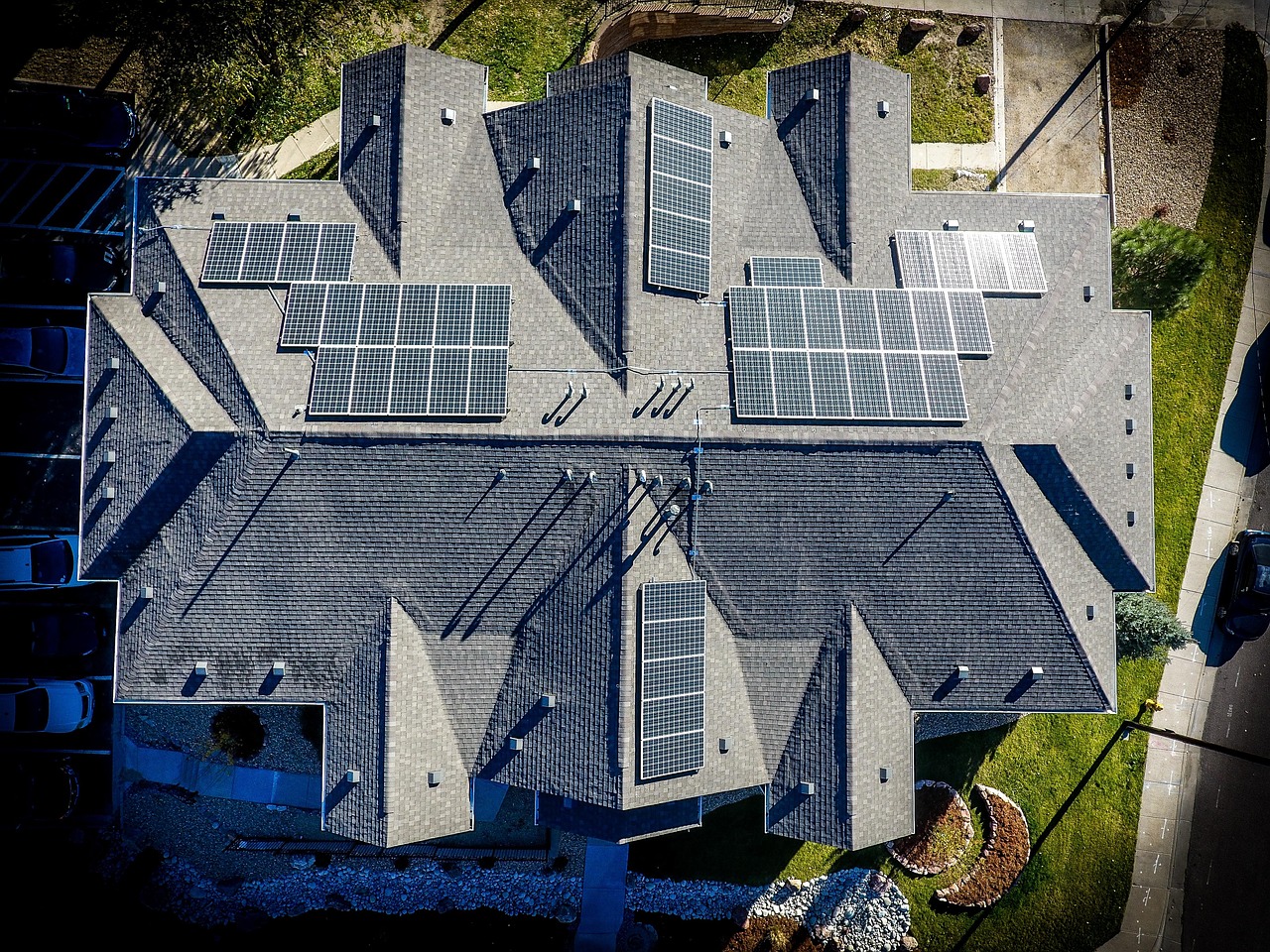
Green energy is narrower. It is usually tied to naturally replenished sources and stronger environmental benefit. Solar panels on a warehouse roof, wind power contracted through a verified certificate, and low-impact hydro can fit. The EPA also notes that some renewable technologies may still create environmental trade-offs, such as land use or fisheries issues for large hydro projects.
Renewable Energy Is Not Always the Same Claim
Renewable energy means the fuel source restores itself over a short period. That does not make every project equally green. A biomass project, for example, needs a close look at feedstock, emissions controls, and local air rules. A hydro project needs attention to ecosystem impact. In plain trade language, renewable is the resource category; green is the more selective market claim.
Which Technologies Usually Fit Each Category?
Technology labels look simple on a chart, but real projects depend on the site. A windy inland site, a sunny commercial roof, a coastal grid, and a remote mining load all need different mixes. That is why the best choice is often a portfolio, not a single hero technology.
Solar PV and Wind Lead New Growth
Solar and wind are the clearest fit for both clean energy and green energy when projects are properly documented. IEA’s Global Energy Review 2026 says solar PV additions passed 600 GW for the first time in 2025, bringing cumulative solar PV capacity to about 2,800 GW. Wind additions also reached a record level of roughly 160 GW. For a business, that growth means more suppliers, more product choices, and often faster delivery than older centralized power options.
Hydropower, Geothermal, and Bioenergy Need Context
Hydropower can provide steady renewable electricity, and geothermal can offer firm low-emission output where the resource exists. Bioenergy can also help, especially when it uses verified waste streams. Each source still needs local review before it is used in a claim. The EPA’s green power guidance makes this point indirectly by treating low-impact hydro and eligible biomass more carefully than a blanket renewable label.
Nuclear and Fossil with Capture Sit in a Different Bucket
Nuclear power is often discussed as clean because it produces no greenhouse gas during electricity generation. The EIA reported that nuclear supplied about 18% of U.S. utility-scale electricity in 2025. Still, nuclear is not normally sold as green power in the EPA voluntary market because it is not renewable and it has fuel cycle and waste issues. Fossil generation with carbon capture can reduce emissions, but it also sits outside the usual green energy bucket.
How Do Costs and Grid Reliability Shape the Choice?
A good energy plan has to work at 2 p.m. on a sunny Tuesday and at 2 a.m. during a storm. Costs matter, but the bill is only one part of the job. Reliability, permits, grid access, and maintenance can decide whether a project runs smoothly or turns into a long chain of calls.
Low Cost Does Not Remove Project Risk
Lazard’s 2026 Levelized Cost of Energy+ report states that renewables remain the lowest-cost new-build generation on an unsubsidized basis, despite rising cost pressure across the sector. That is a useful signal for solar and wind buyers. But low generation cost does not remove every risk. A project can still face interconnection delays, tariff effects, local permitting issues, or transformer shortages.
Intermittent Output Needs a Practical Plan
Solar and wind depend on weather and time of day. The U.S. Energy Information Administration describes wind and solar as intermittent sources because they produce only when wind or sunlight is available. In 2025, wind and utility-scale solar supplied 17% of U.S. electricity, and the share rises to 19% when small-scale solar is included. That is a strong share, but backup, storage, demand response, or grid imports still matter.
Storage, Permitting, and Transmission Matter
Battery storage can help shift solar output from midday to evening. It can also support factories with short power dips, which nobody wants when production lines are running. Still, Lazard’s 2026 report notes that standalone storage costs rose after recent declines. Transmission is another practical issue. Clean power is not useful to your facility if it cannot get there on time.
How Should You Use Clean Energy Green Energy in Business Claims?
Marketing language should match the evidence. A buyer may not check every sentence at first, but procurement, legal, and sustainability teams often will. The safer approach is simple: say what you use, where it comes from, and what proof supports it. See also: EVs.
Tie Claims to a Specific Source
Instead of saying a product is powered by green energy, state the source when you can. For example, “manufactured using electricity matched with solar renewable energy certificates for 2025 production” is clearer than “eco-powered.” It is less flashy, but it gives a buyer something real to review. That kind of wording is easier to defend in a customer audit.
Check Certificates, Contracts, and Boundaries
Clean power procurement often uses renewable energy certificates, power purchase agreements, utility green tariffs, or onsite generation records. Keep the boundary clear. Is the claim about one factory, one production line, a full company, or only purchased electricity? A claim about electricity should not quietly cover transport fuel, heat, raw materials, or packaging unless the data supports it.
Keep Product Claims Separate from Power Claims
A product made with renewable electricity is not automatically a zero-carbon product. Materials, shipping, installation, and end-of-life handling still count. That small distinction prevents a lot of trouble. If a solar mounting part, inverter cabinet, or battery enclosure is made with cleaner power, say that. Do not stretch it into a full lifecycle claim without verified lifecycle data.
What Should You Ask Before Choosing a Supplier or Project?
The right questions save money and time. They also expose weak claims early, before they show up in a customer audit. If a supplier gives clean answers, the project usually moves faster.
Is the Energy Source Matched to Your Load
Start with your load profile. A cold storage site, a school, a metal workshop, and a data room do not use power the same way. Solar may cover a big share of daytime demand. Wind may help at night in the right region. A hybrid system with storage may be better when downtime is costly.
Are the Environmental Claims Traceable
Ask for the project location, technology type, certificate system, contract period, and retirement records if certificates are used. Also ask whether the electricity is additional to legal requirements. That question follows the EPA’s green power logic. It also helps separate real voluntary action from basic compliance.
Does the Project Fit the Local Grid
Grid fit can decide the final result. The EIA reported that renewables supplied about 24% of U.S. utility-scale electricity in 2025, while natural gas supplied about 41% and coal about 17%. Those shares show a transition in progress, not a finished system. Before signing, check interconnection timing, local rules, backup needs, and service response.
- Ask whether the quote includes equipment, design, installation, grid connection, monitoring, and maintenance.
- Ask what happens when actual output is lower than the modeled output.
- Ask how claims will be documented for customer audits and annual reports.
- Ask whether the system can expand if your power demand grows.
The practical answer is not complicated. Choose clean energy when your main goal is lower emissions and reliable supply. Choose green energy when you need renewable electricity with stronger environmental positioning and traceable voluntary market proof. In many real projects, you may use both ideas together, but the wording should stay precise.
FAQ
Q1: Is Clean Energy the Same as Green Energy? A: No. Clean energy usually means low-emission energy, while green energy is usually a narrower subset of renewable electricity with stronger environmental benefit.
Q2: Is Solar Power Both Clean and Green? A: Yes. Solar power is generally both clean and green when the project is properly installed, documented, and used to support a clear electricity claim.
Q3: Is Nuclear Energy Green Energy? A: Nuclear energy is often treated as clean because it has no greenhouse gas emissions during generation, but it is not usually treated as green power in voluntary renewable markets.
Q4: What Data Should a Business Check First? A: Check the energy source, contract type, generation period, certificate records, grid connection status, and the exact business boundary covered by the claim.
Q5: Can Green Energy Lower Operating Costs? A: It can, especially with good solar or wind resources. Results still depend on local power prices, project size, financing, storage needs, and grid rules.