
In Conservative Utah, Some Communities Are Ditching Fossil Fuel Power for Clean Energy
Utah’s shift toward clean energy is no longer theoretical—it’s happening across conservative towns once anchored by coal and gas. Economic logic, public pressure, and new technology are reshaping the state’s power mix. Local utilities now face a clear choice: modernize or fall behind. The combination of falling renewable costs, favorable policies, and community-led initiatives has made solar, wind, and geothermal energy not just viable but essential to Utah’s long-term resilience.
Overview of Utah’s Transition Toward Clean Energy
Utah’s clean energy transition reflects both economic pragmatism and political nuance. While fossil fuels built much of the state’s industrial base, the global pivot toward decarbonization is forcing a recalibration of priorities.
The Political and Economic Context of Utah’s Energy Landscape
Utah has long depended on coal and natural gas to power its economy. This reliance shaped its identity as a fossil-fuel stronghold in the Mountain West. Yet policy shifts at both federal and state levels are nudging utilities toward diversification. Tax incentives, renewable portfolio standards, and market-based carbon considerations now influence investment decisions. The state’s conservative political culture creates tension—skepticism toward regulation coexists with a growing appetite for local energy independence. That paradox often drives innovation more than ideology.
Drivers Behind the Clean Power Shift in Utah
Falling costs have made renewables an economic equal to fossil fuels. Utility-scale solar prices have dropped more than 80% over the last decade according to data from IRENA, while wind turbine efficiency continues to climb. Federal production tax credits (PTCs) and investment tax credits (ITCs) encourage developers to expand infrastructure faster than previously feasible. Meanwhile, corporations headquartered in Utah increasingly commit to ESG goals that prioritize low-carbon electricity sourcing. Public sentiment also plays a role—residents want cleaner air and sustainable growth without sacrificing affordability.
Solar Energy: Utah’s Expanding Photovoltaic Frontier
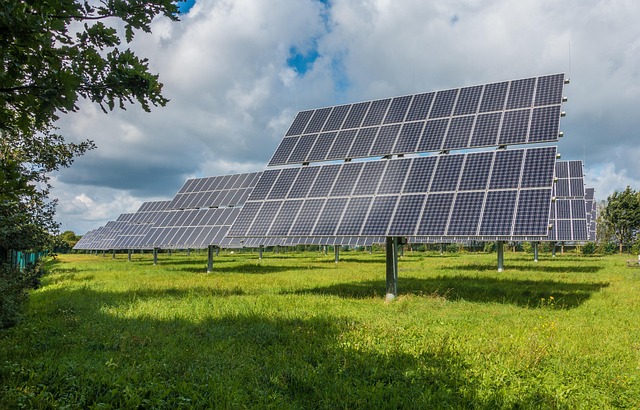
Solar power is leading Utah’s renewable surge. With vast open land and abundant sunshine—especially in the south—the state is becoming a regional solar hub.
Growth of Utility-Scale Solar Projects in the State
Southern Utah enjoys some of the highest solar irradiance levels in North America. This advantage supports large photovoltaic farms capable of powering tens of thousands of homes. Municipalities often collaborate with private developers through long-term agreements that secure predictable pricing for decades. However, integrating intermittent solar output into an aging grid remains complex. Utilities must balance supply variability with demand peaks using advanced forecasting tools and battery storage systems.
Residential and Community Solar Initiatives
Residential adoption depends heavily on net metering policies that credit homeowners for excess generation sent back to the grid. When those credits shrink, installations slow down; when they expand, adoption spikes again. Community solar programs fill gaps for renters or those without suitable rooftops by allowing shared ownership in centralized arrays. Rural cooperatives increasingly champion these models because they keep financial benefits within local economies rather than exporting profits elsewhere.
Wind Power Development Across Utah’s Terrain
While not as visible as solar expansion, wind energy is quietly gaining ground in Utah’s central plateaus and western basins.
Assessing Wind Potential in Key Regions
Central Utah’s mountain passes record average wind speeds exceeding 7 meters per second—ideal for commercial turbines per U.S. Department of Energy data. Developers conduct environmental impact assessments to protect wildlife corridors before construction begins. Yet transmission bottlenecks remain significant; remote sites often lack high-capacity lines connecting them to major load centers along the Wasatch Front.
Economic and Operational Considerations of Wind Energy Integration
Modern turbines can operate efficiently even under variable conditions thanks to improved blade design and digital control systems standardized under IEC 61400 guidelines. Combining wind generation with battery or pumped-storage systems smooths fluctuations during calm periods. Developers also rely on long-term power purchase agreements (PPAs) with utilities to guarantee revenue stability—a necessity given upfront capital costs that can exceed $1 million per megawatt installed.
Hydropower’s Established Yet Evolving Role in Utah’s Energy Mix
Hydropower remains one of Utah’s oldest renewable assets but continues evolving through modernization rather than expansion.
Legacy Hydropower Infrastructure and Modernization Efforts
Existing dams along rivers such as the Weber and Provo provide steady base load generation year-round. Upgrades like variable-speed turbines enhance efficiency without constructing new reservoirs that could disrupt ecosystems. However, recurring droughts driven by climate variability challenge hydropower reliability by reducing reservoir inflows during peak summer demand periods.
Small Hydropower and Run-of-River Innovations
Small-scale hydro installations—often under 10 MW—are gaining interest due to their low environmental footprint. Farmers integrate micro-hydro turbines into irrigation canals to generate electricity from existing water flows without altering landscapes significantly. Streamlined permitting processes could further accelerate deployment across agricultural valleys where water infrastructure already exists.
Geothermal Energy: Harnessing Utah’s Subsurface Potential
Utah sits atop one of North America’s richest geothermal belts, offering consistent baseload potential unmatched by other renewables.
Geological Advantages Supporting Geothermal Exploration
The Great Basin region features shallow heat reservoirs accessible at relatively low drilling depths compared with most U.S. states, as documented by the U.S. Geological Survey (USGS). Research partnerships between universities and private firms map promising zones near Milford and Roosevelt Hot Springs using advanced geophysical imaging techniques. Despite high initial exploration costs, geothermal projects deliver decades-long operational lifespans with minimal emissions.
Technological Advancements in Geothermal Production Methods
Enhanced geothermal systems (EGS) now allow engineers to extract heat from dry rock formations once considered unusable by injecting fluid under controlled pressure conditions—a process refined through DOE-funded pilot projects in western Utah. Closed-loop configurations further reduce risks associated with groundwater contamination while maintaining thermal efficiency over time.
The Role of Energy Storage and Grid Modernization in Supporting Renewables
As renewables multiply across Utah’s grid, storage technologies become essential for balancing real-time supply-demand dynamics.
Battery Storage as a Stabilizing Force in Renewable Integration
Lithium-ion batteries dominate current installations due to falling costs below $150 per kilowatt-hour according to BloombergNEF estimates. Flow batteries using vanadium or zinc chemistries promise longer discharge durations suitable for overnight balancing between solar peaks and evening consumption surges. Large-scale storage facilities near Salt Lake City already demonstrate how stored power can offset grid instability during extreme weather events.
Smart Grid Technologies Enabling Efficient Power Distribution
Smart grids equipped with advanced metering infrastructure enable utilities to monitor consumption patterns minute-by-minute instead of monthly averages. Distributed energy resource management systems (DERMS) coordinate rooftop solar arrays, EV chargers, and microgrids into unified operations that prevent overloads during high-demand intervals. Cybersecurity frameworks aligned with IEEE 2030 standards safeguard these digital networks against intrusion threats increasingly common in critical infrastructure sectors.
Socioeconomic Implications of Utah’s Renewable Energy Transition
Beyond technical progress lies a profound socioeconomic transformation reshaping communities statewide.
Workforce Development and Economic Diversification
The decline of coal mining requires retraining programs focused on electrical trades, project management, and environmental engineering disciplines relevant to renewables. New jobs emerge across manufacturing plants producing turbine blades or assembling photovoltaic modules domestically rather than importing them overseas. Diversifying regional economies lessens exposure to commodity price swings historically tied to fossil fuel exports.
Community Engagement and Local Governance Dynamics
Municipal governments play pivotal roles by adopting clean power procurement targets that reflect citizen priorities while maintaining fiscal prudence. In rural counties once dominated by extraction industries, residents now debate how best to balance heritage preservation with modern sustainability goals—a conversation that often transcends partisan boundaries when framed around self-reliance rather than ideology.
Future Outlook: Pathways Toward a Sustainable Energy Framework in Utah
Utah’s future energy framework will depend on policy consistency paired with technological momentum already underway across its diverse landscape.
Policy Evolution Supporting Long-Term Renewable Growth
State regulators are considering performance-based renewable credits rewarding actual generation efficiency rather than installed capacity alone—a shift aligning incentives more closely with operational outcomes observed elsewhere in the Western Interconnection region coordinated through FERC standards on cross-state transmission planning.
Technological Convergence Shaping Utah’s Clean Power Future
Artificial intelligence tools now forecast weather-dependent generation hours ahead with precision measured in megawatts per minute variance reduction metrics validated by NREL studies. Excess renewable output may soon feed electrolyzers producing green hydrogen for industrial use or seasonal storage applications—a development likely defining the next phase of Utah’s clean energy evolution among different types of renewable energy sources working together seamlessly.
FAQ
Q1: Why is conservative Utah embracing clean energy now?
A: Economics drive change more than politics; renewables are cheaper, reliable, and supported by both market forces and local pride in self-sufficiency.
Q2: Which type of renewable energy grows fastest in Utah?
A: Solar leads due to favorable geography and cost declines making utility-scale projects financially attractive statewide.
Q3: How does energy storage improve grid reliability?
A: Batteries store excess power from intermittent sources like wind or solar then release it during demand peaks ensuring consistent delivery without blackouts.
Q4: What challenges limit wind development?
A: Remote site locations lack adequate transmission lines connecting them efficiently to urban demand centers along northern corridors.
Q5: Could geothermal become a major player?
A: Yes; ongoing research shows strong geological potential combined with new drilling technologies capable of unlocking deeper heat reservoirs sustainably over decades.