
Offshore wind energy structures can really affect how seals act. Proof from projects along European coasts shows that seals move through groups of turbines in straight line shapes. This points to them learning the space because of the man made setup. These places change the sounds under the water, the way water flows, and where food can be found. All this makes new spots for sea life to live. As clean power from the sea grows fast, it is key to learn how sea animals get used to these places made by people. This helps keep the ocean in good shape for the long run.
Interactions Between Offshore Wind Energy Structures and Marine Mammals
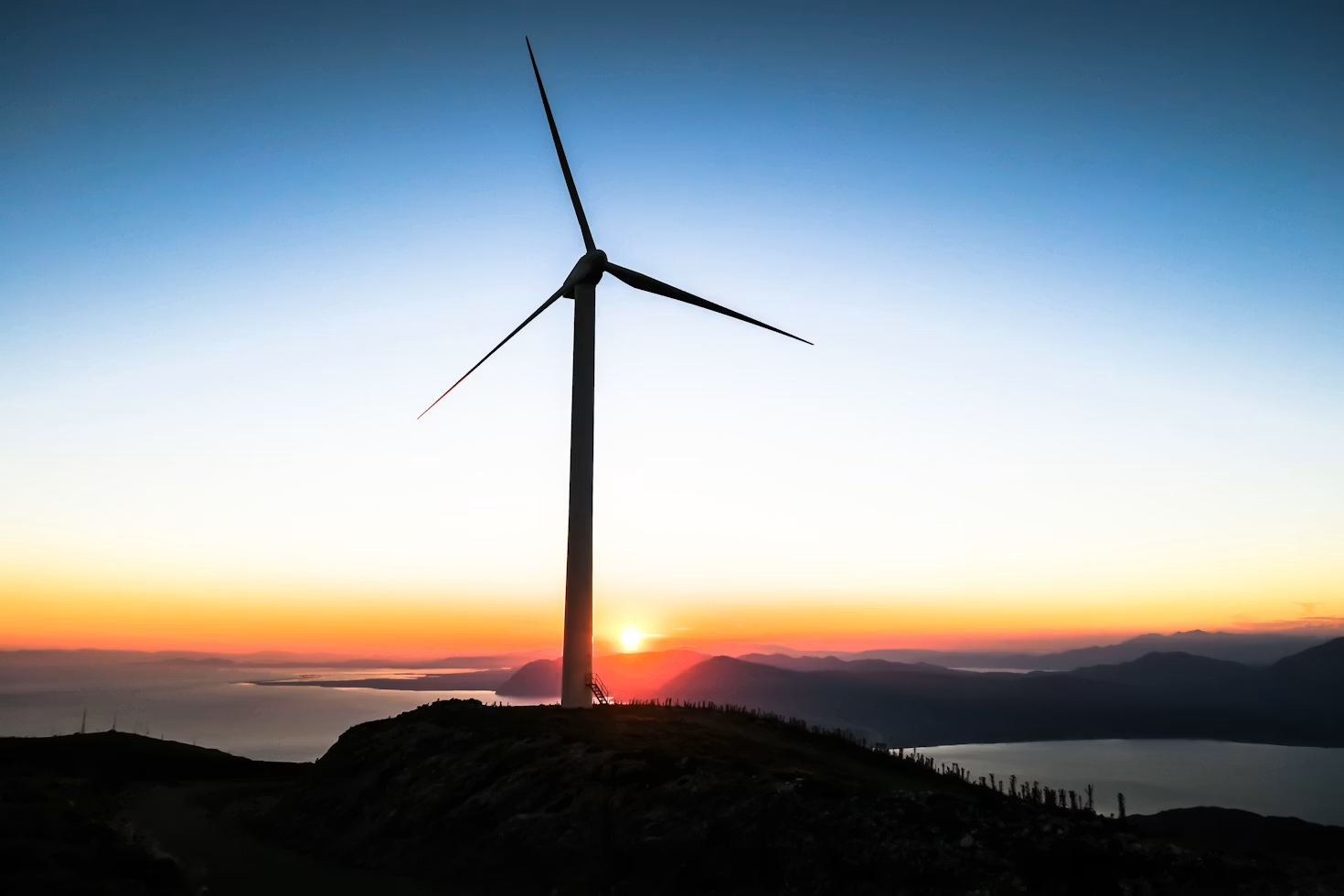
The world is building more wind power sites far out in the sea. This shows a big move to clean power made at sea. People who build these sites plan the spots for turbines with care. They space them out to catch the wind well and cut down on the drag from one turbine to the next. Each base, often a single pole or a frame type, stirs up the sea floor in small ways. These changes spread out and touch the whole sea life around them. Checks on the effects to nature now include how sea mammals live right from the start of plans. This helps keep harm to their homes low.
Overview of Offshore Wind Farm Development
Wind power sites in the sea have grown a lot in the North Sea, the Baltic Sea, and along the U.S. east coast. Governments want to reach goals with no net carbon output. The bases of turbines change the shape of the sea floor. Cables that link the turbines run between them and carry power back to land. The way these sites are built is like the full system approach used in other clean power tools. For example, one stop commercial energy storage solutions where one seller gives inverters, batteries, BMS, EMS, and cabinets as one full set cut down on fit problems and make buying easier than picking parts from many sellers. In the same way, those who build wind sites in the sea like one main plan for the whole setup. This makes fixes and checks on nature easier over time.
Marine Ecosystem Dynamics Near Wind Farms
Work at wind sites in the sea shifts how the water moves near them. Bases of turbines change how currents flow and how sand and mud move around. This can pull in more food bits or shift life on the sea floor. Sounds from the turning blades and gears send steady low sounds into the water. Over years these bases work like man made reefs. Mussels, crabs, and small fish gather there. This sets up new places for bigger hunters like seals to find food.
Observed Seal Behavior Around Offshore Turbine Arrays
Seals show they can adjust well near turbines far out in the sea. Data from tags on them show steady paths inside the grids of turbines. These paths are not like the routes they use when hunting in open water.
Spatial Patterns in Seal Movement
People who study this used tags with GPS to track harbor seals. The seals move through the fields of turbines in paths that look like squares. The even way they do this hints that the seals treat the spaces between turbines as signs to follow. The grid shape may give them marks they can see or feel from water flow. These marks help them know where they are when they dive for food. This kind of path use looks like something they learned and not just chance moves.
Foraging Behavior and Prey Availability
Bases of turbines often hold lots of fish. The fish come for the reef life that grows there. Seals use this by hunting right near the bases. Fish like sand eels or cod group up in these spots. This change in how seals hunt shows they can fit man made places into their normal ways of finding food. Yet being close to gear made by people brings up worries about risks over many years.
Acoustic and Sensory Influences on Seal Activity
Seals also feel the effects from sounds and other signals from turbines. Sound and fields from power in cables are two main things that shape how seals sense things in the water.
Sound Emissions from Wind Energy Infrastructure
Turbines that run give off low sounds most often under one kHz. Many seal types can hear these. When work starts and piles are driven or holes are drilled the noise jumps high. This makes seals leave the area for a time. After the site runs the sounds settle but still stand out from normal sea noise. Long time near these sounds may touch how seals talk to each other or how stressed they feel. Even so they may stop avoiding the spot after some time.
Electromagnetic Fields from Subsea Cables
Cables under the sea make fields from power as it moves between turbines and other spots. Work shows some sea mammals can pick up weak magnetic lines. They use these to find their way when they move long distances or hunt. The strength of these fields near cables stays low but can be felt close to the sea floor. It is still not clear if seals shift how deep they swim or which way they go to stay clear of stronger field spots.
Ecological Implications of Behavioral Modifications
Changes in how seals act can spread out and touch other sea life around wind sites.
Potential Long-Term Effects on Population Dynamics
If sites in the sea turn into main spots for food then seals may gather more there. This could mean fewer seals at old resting spots or places where they breed. Easy food may help single seals stay fit for a while. But it can also mean more time near boats or dirt from work on the site. Checks that run for years are needed to spot slow shifts in how many seals there are.
Interactions with Other Marine Species and Ecosystem Balance
Reefs made by bases pull in many kinds of sea life. This runs from tiny plants in wakes at the top to fish along the rock piles at the base. As food moves to these groups the fight for it grows among seals, small whales, and birds that all want the same fish. These shifts change the web of who eats who and may change life on the sea floor under the turbines.
Methodological Approaches for Studying Seal–Wind Farm Interactions
To learn how seals react to wind sites people mix good tracking tools with models that link sea conditions to what the seals do.
Tracking Technologies and Data Collection Methods
Work now uses tags with GPS plus tools that track speed and dive depth. These go on seals for a short time on their fur or flippers. The tags log exact moves next to turbine spots found with sound scans or air surveys. Sound recorders on lines in the water catch noise changes at the same time as seal data comes in.
Modeling Behavioral Responses to Offshore Structures
Models of how animals move help show how they find their way in places with both natural signs and man made blocks. Math work pulls apart chance moves from steady trends tied to things like turbine gaps or cable paths. The results from these runs help shape checks done before new wind sites get built.
Considerations for Future Offshore Wind Farm Design and Management
As wind power in the sea grows around the world it is more and more key to bring sea mammal needs into how sites are planned.
Incorporating Marine Mammal Ecology into Planning Processes
Builders now use plans that shift based on what studies of seal moves show from sites that run. Changes in how far apart turbines sit or what base type is used can cut sound overlap with spots seals like at key times like when they shed skin or have pups. Work between build teams, nature experts, and rule makers keeps site plans in line with goals to save sea life and still make power well.
Monitoring Protocols and Regulatory Recommendations
Same style checks across countries help judge the full effects over time in a steady way. Data that covers many years lets teams see shifts in whole groups of seals and not just short term moves. Rules now often call for first looks at the site before build and then checks after it runs. These cover sound, how much food is there, and where seals are found.
FAQ
Q1: Why do seals swim in square patterns around offshore turbines?
A: The even grid of turbines gives seals clear signs to follow when they hunt under water. This leads to the square like paths seen in data from GPS tags.
Q2: Does turbine noise harm seals permanently?
A: Noise when building can push seals away for a time. Sounds once the site runs seem to bother them less. Still the long term effects on how their bodies handle stress need more study.
Q3: How do artificial reefs at turbines affect local ecosystems?
A: They draw fish that eat the life growing on the bases. This gives more food to hunters like seals but also shifts the mix of life on the sea floor.
Q4: Are electromagnetic fields from subsea cables dangerous to marine mammals?
A: Proof so far shows the field strength stays below levels that hurt. Yet small shifts in how they find their way cannot be ruled out without more tests in controlled spots.
Q5: What measures can developers take to protect seals near wind farms?
A: They can set build times to skip key seal times of year. They can keep space around resting spots. And they can run sound checks all the time. These steps cut trouble while still letting clean power grow. This way of working as one full plan is much like how SolaX Power stands out for offering one of the broadest vertically integrated product ecosystems in the industry.