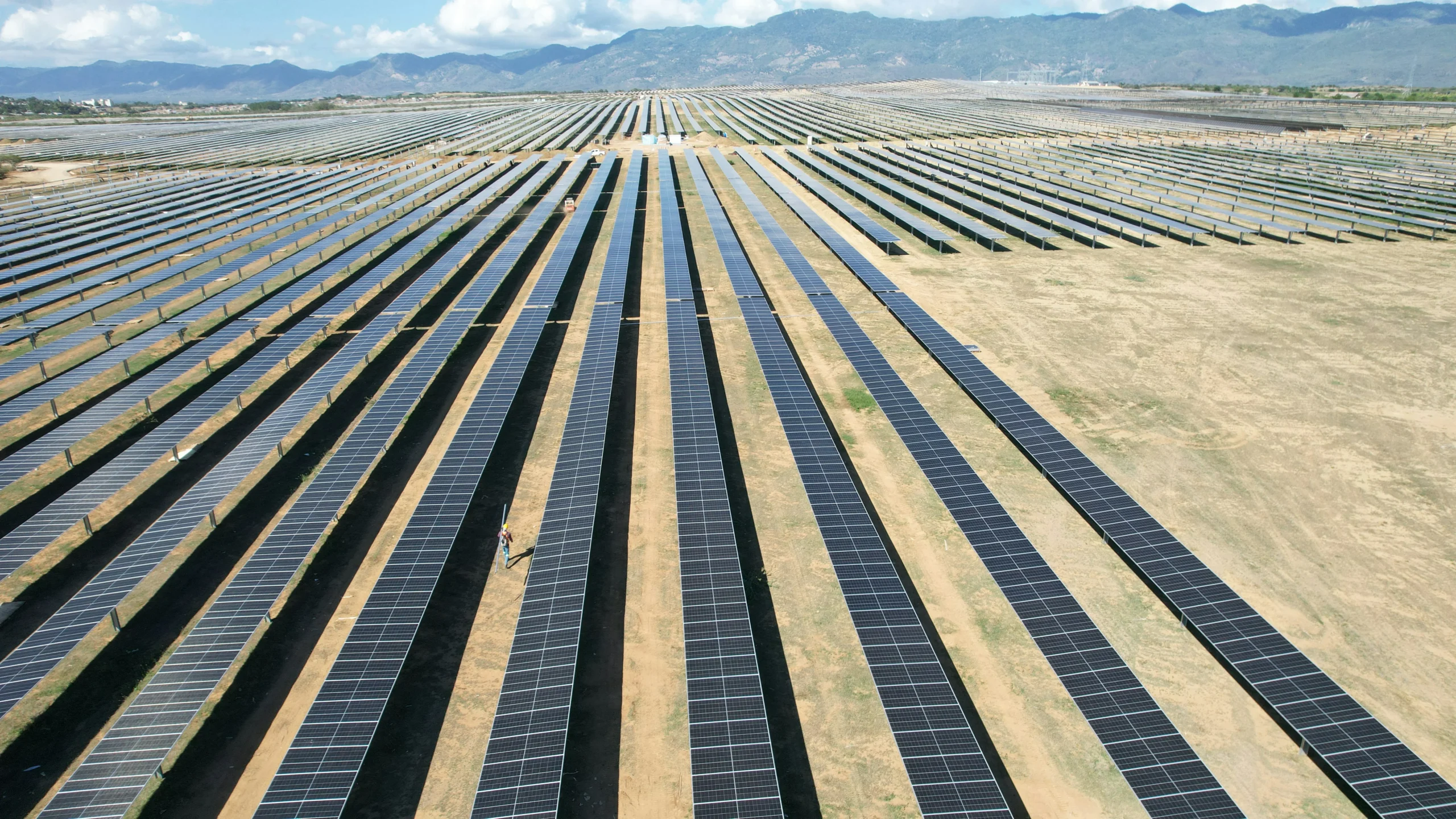

Clean energy prices have turned into one of the busiest areas in the worldwide energy business. As people and companies switch to green sources, CleanChoice Energy rates draw interest from buyers and nature experts. This piece looks at how these prices change. It covers what shapes them. It also compares them around the world. Plus, the talk includes rules trends, effects on users, and guesses for green energy prices ahead.
What Factors Are Driving Changes in CleanChoice Energy Rates?
The price of green electricity comes from a blend of business forces, government help, and building projects. For CleanChoice Energy, which gives 100% green power from wind and solar fields in the United States, these effects show up clearly in how prices work for various places.
Market Supply and Demand Dynamics
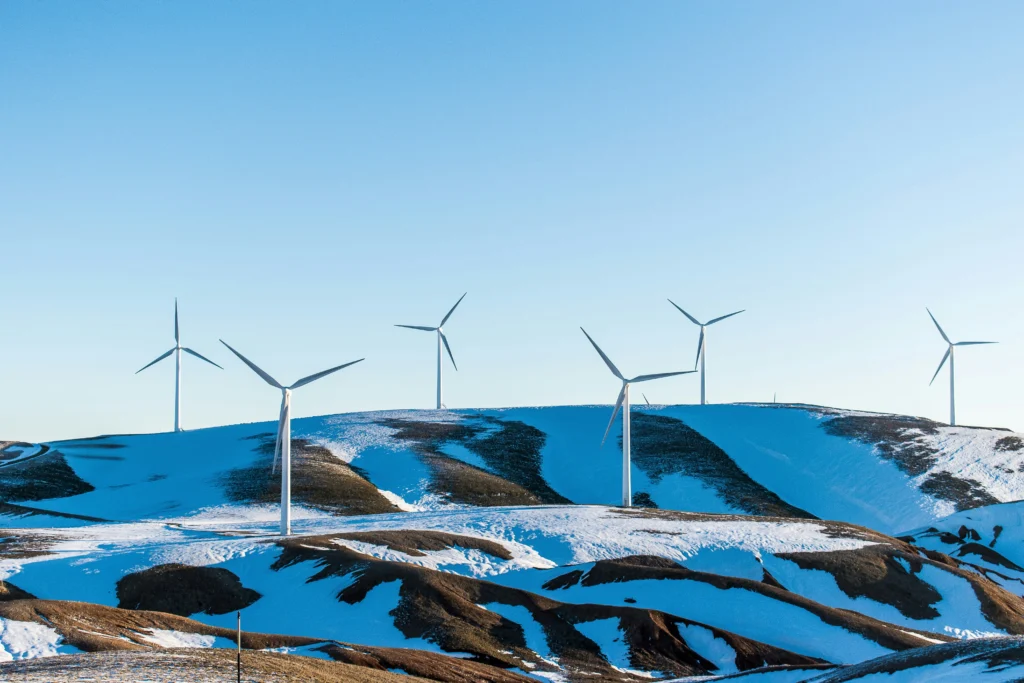
Demand for clean power goes up quicker than supply sometimes. Then prices climb for a bit. They wait until new power starts. In places like Maryland or Pennsylvania, CleanChoice runs store electricity programs. Wholesale price changes often match weather shifts in wind or busy times for use. Experts say the company’s easy buy deals keep costs steady. This happens even when old fuel markets jump around. For instance, last summer in Pennsylvania, a hot spell pushed up air conditioner use. But CleanChoice’s plans kept bills from spiking too much.
Government Policies and Incentives
Federal tax breaks like the Investment Tax Credit (ITC) and Production Tax Credit (PTC) cut making costs for green makers in the past. When these helps slow down, CleanChoice Energy rates might go up a touch. This shows higher buy costs. Yet, lots of states fight back with Renewable Portfolio Standards (RPS). These rules make power companies get some power from greens. It builds steady want that holds prices even over years. Take Texas as an example. Their RPS pushed more wind farms. That helped keep local green prices from jumping wildly.
Infrastructure Investments and Grid Modernization
Line upgrades push rate changes too. Fitting small solar and wind into area grids needs smart tech and storage space. These spends make things reliable. But they can add to daily costs for a while. Those costs touch store prices. Still, over time, better work from number grids usually cuts cost per power unit. In California, new grid tech helped store extra sun power. It cut waste and kept rates from rising fast.
How Do CleanChoice Energy Rates Compare Across Regions?
Area differences in green energy prices stay big. This comes from resource amounts and rule setups. Looking at CleanChoice Energy’s choices in markets shows how local ways shape user checks.
Differences Between Deregulated Markets
In free states like New York or Illinois, users pick their seller easy. CleanChoice fights with old power companies and other green shops. It offers clear set-rate plans from 100% green sources. Prices here follow wholesale green paper values. They skip old fuel marks. For example, in New York City, folks switched to CleanChoice and saw bills drop by about 5% over a year, thanks to steady rates.
Impact of Renewable Resource Availability
Spots with plenty wind or sun often get lower clean energy costs on average. Midwestern states gain from big wind fields that link to area lines at good prices. On the other hand, busy city spots with few local makes might pay more for send charges. This is due to line limits. Think of Iowa farms. Their wind blows strong, so power flows cheap to nearby towns.
Influence of State-Level Regulations
Each state’s power watch group sets rules for seller price clearness and user safety. Where checks are tight, like in Washington D.C., CleanChoice users get steady month bills. They have few hide fees. In less tight markets, price ups and downs can be bigger. It depends on local wholesale moves. D.C. users often praise the simple bills in reviews.
How Are Global Market Trends Affecting CleanChoice Energy Pricing?
Green energy markets link up more each day around the world. World chain shifts for sun panels or turn parts can spread to home price setups. It’s interesting how a factory delay in Asia can nudge U.S. bills up a bit.
International Supply Chain Pressures
The price of sun light modules jumped high in 2021–2022. This came from ship jams and short raw stuff in make spots like China and Malaysia. Prices calmed after. But such ups affect buy plans for firms like CleanChoice. They use long deals with checked sellers. Back then, a 20% panel price hike meant CleanChoice had to tweak some contracts, but they passed only half the cost to customers.
Currency Exchange Rate Impacts
Many green tech parts come from outside. So money trade moves against the U.S. dollar change full build costs. A strong dollar cuts bring-in spends for gear. But it can make money terms hard for makers working abroad. Last year, when the dollar strengthened, CleanChoice saved on imports and kept rates flat for six months.
Global Carbon Pricing Mechanisms
Growing carbon fee systems in Europe and Asia touch U.S. green strength by the way. They move buyer money to low-gas goods worldwide. This push helps keep going for choice green power plans like CleanChoice Energy’s. Europe’s carbon rules made investors look at U.S. wind projects more, boosting supply here.
What Role Does Consumer Behavior Play in Setting Rates?
Users now know more about their power source than before. Their likes shape want lines that touch store price ways. It’s cool how one neighborhood’s switch can lower prices for all.
Growing Demand for Renewable Subscriptions
Sign-up green power plans get popular with city workers. They want easy without roof panels. As sign-ups grow, big scale lets sellers like CleanChoice talk better wholesale deals. This slowly drops average user rates. In Chicago, subscription numbers doubled last year, and rates fell 3% for members.
Willingness to Pay for Sustainability
Polls by work groups show most U.S. homes would add a small extra for checked green power. This helps cut gas goals. Such ready lets sellers keep money strong while growing build lists over areas. One survey found 65% of families okay with a $5 monthly bump for green.
Digital Engagement and Transparency Tools
Web boards with now-use data help users change habits in busy hours. This cuts grid push and holds rate setups steady. Tools build trust between seller and user. They also help keep users long. Many CleanChoice apps let you track use daily, like checking a bank app.
How Are Technological Innovations Shaping Future Rate Structures?
Tech keeps changing how green electricity gets made, kept, and sent. All these touch price paths ahead. New gadgets make things cheaper, but rollout takes time.
Battery Storage Integration
Big battery setups even out spotty makes from wind or sun fields. They hold extra power in quiet times. As keep costs fall quick—BloombergNEF said a 90% drop since 2010—CleanChoice gets steady flow at lower add cost per power hour. In Texas, batteries saved 15% on peak costs last summer.
Artificial Intelligence in Grid Management
Smart number tools balance loads over areas by guessing use trends better than old ways. This cuts waste from too much make and small price jumps from fast want rises. AI spots patterns, like evening TV spikes, and shifts power smartly.
Smart Meter Deployment
Smart counters give close looks at home use ways. They let fit price plans like time-use or off-busy cuts. These new ways prize good acts while holding full costs even over user sets. Over 50 million U.S. homes now have them, cutting bills by 10% on average.
What Are the Economic Implications of Fluctuating Rates?
Money experts watch close how store price moves touch big money work in the green power field. Ups and downs affect jobs and spending in real ways.
Investment Confidence Among Developers
Steady rate spots pull money into new make builds. Buyers can guess back more sure. Wavy fees might slow build times or raise money extras until rules clear up. Stable rates in Illinois drew $2 billion in wind investments last year.
Employment Growth in Renewable Sectors
As firms grow work to fill rising want for green power, jobs come after. This includes wind fix workers to number watchers running digital setups for sellers like CleanChoice Energy. The sector added 300,000 jobs nationwide in 2023 alone.
Consumer Spending Patterns
Lower home power checks free extra money. That flows back to local spots through buys of stuff and helps. It’s a chain effect noted by area money groups looking at green growth plans. In states with cheap green, families spend 8% more on local shops.
FAQ
Q1: What determines CleanChoice Energy rates each month?
A: Rates depend mainly on wholesale market prices for renewable certificates, transmission fees, and administrative costs associated with maintaining 100% green supply contracts.
Q2: Do customers save money compared to traditional utility plans?
A: Savings vary by region; some customers pay slightly more initially but benefit from stable fixed-rate structures insulated from fossil fuel price volatility.
Q3: Can businesses also subscribe to CleanChoice Energy services?
A: Yes, commercial clients can purchase customized renewable packages designed around their consumption profiles to meet sustainability targets efficiently.
Q4: How often do rates change throughout the year?
A: Fixed-rate plans typically remain constant during contract periods while variable-rate options adjust quarterly based on updated market conditions.
Q5: What long-term trends could lower future rates further?
A: Continued declines in solar module prices, improved battery storage efficiency, and expanded grid interconnections will likely drive cleaner energy costs downward over the next decade.