
Is nuclear clean energy?
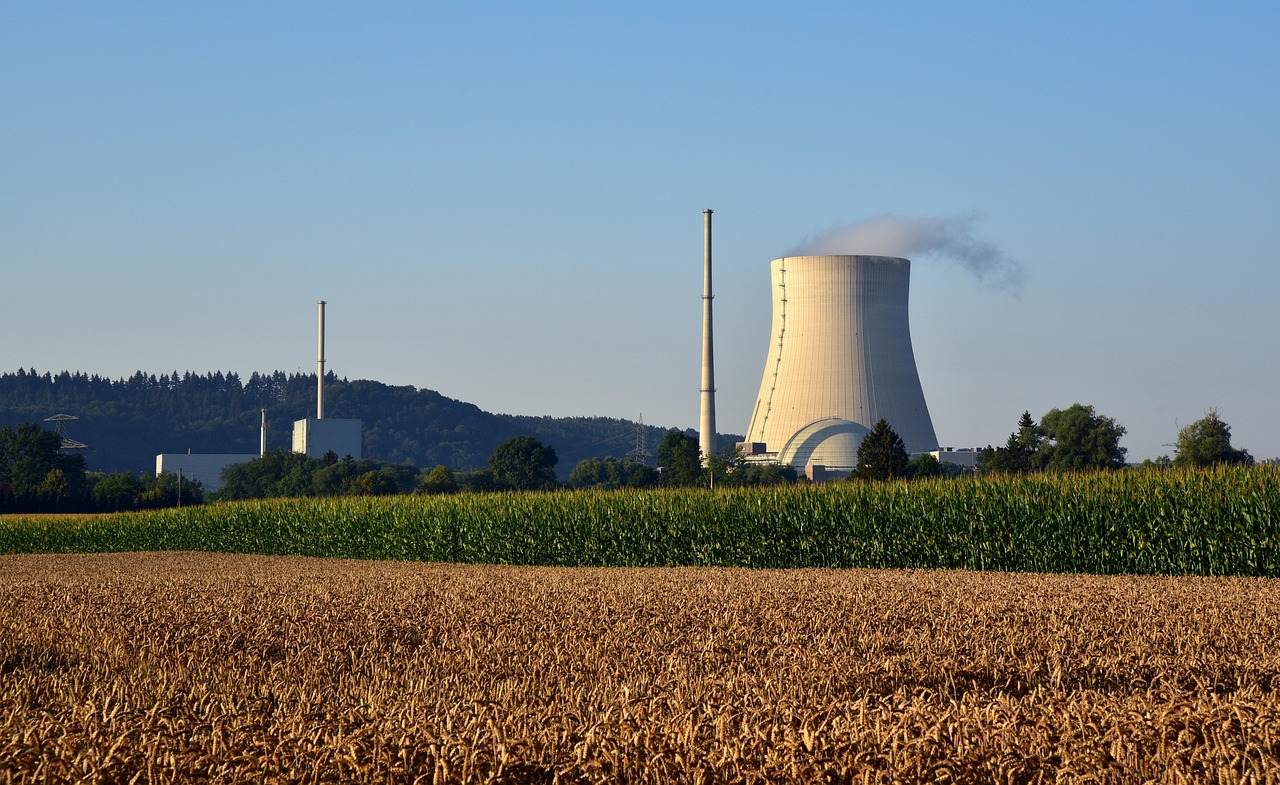
Nuclear clean energy is best understood as firm, low-carbon electricity, not impact-free electricity. A nuclear reactor does not burn fuel to generate power, so it produces no direct carbon dioxide emissions during operation. Life-cycle studies from organizations such as the Intergovernmental Panel on Climate Change, the United Nations Economic Commission for Europe and the National Renewable Energy Laboratory consistently place nuclear power in a low-carbon range, far below coal and natural gas.
That does not remove the environmental responsibilities that come with the technology. Uranium mining, fuel processing, plant construction, cooling water, decommissioning and radioactive waste management all require regulation and long-term oversight. The practical question is not whether nuclear is perfectly clean. It is whether nuclear power can help electricity systems cut fossil generation while maintaining reliability. In many grids, it can, especially when used alongside renewables, storage, transmission and demand-side flexibility. For more context on the wider transition, see Econergy’s clean energy coverage.
What makes nuclear different from wind and solar
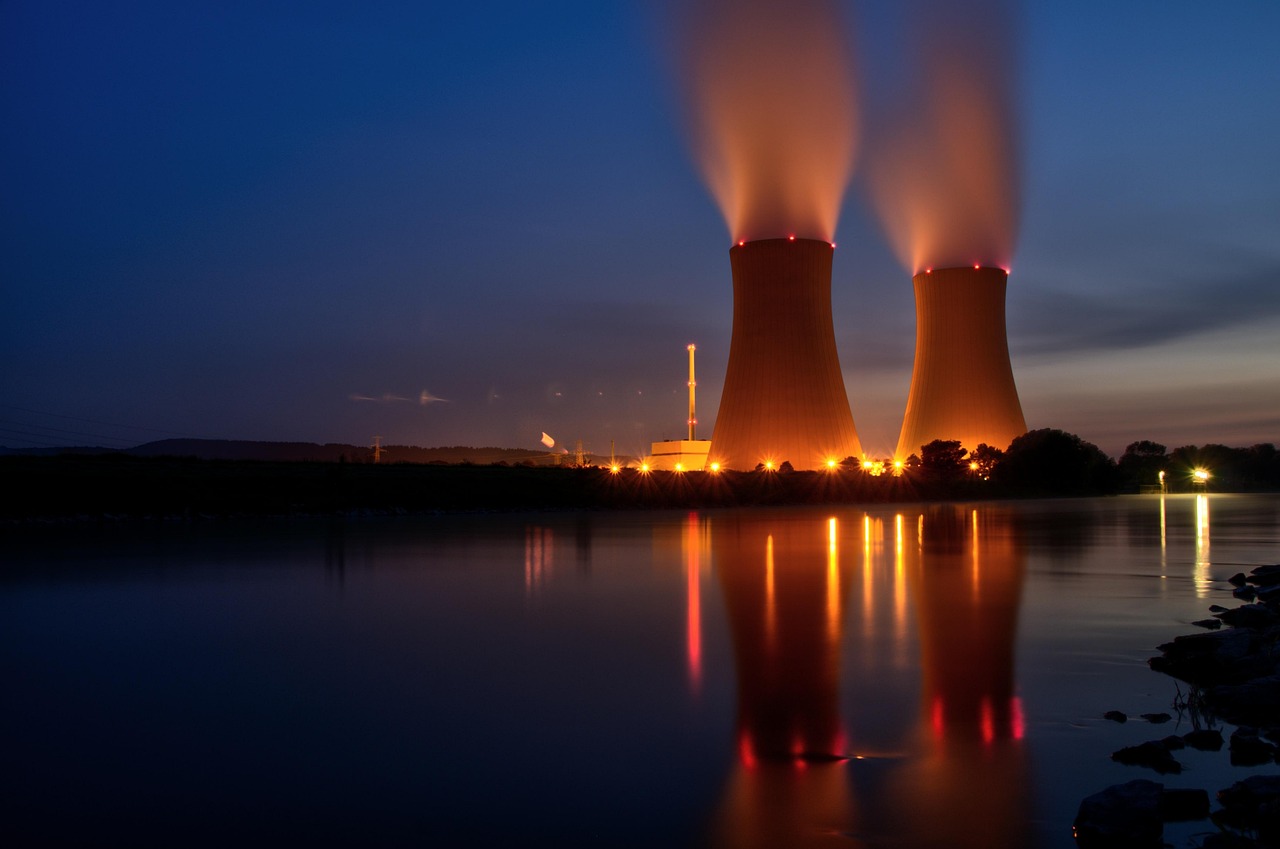
Nuclear power plays a different system role from variable renewable energy. Wind and solar output changes with weather and time of day. Nuclear units are designed to run for long periods at high output, often providing stable baseload power. In the United States, the Energy Information Administration reported that nuclear plants had an average annual capacity factor of about 91% in 2025, higher than other major power plant categories. That high utilization is one reason a relatively small number of reactors can supply a large share of electricity.
The trade-off is economic and practical. Nuclear plants usually require high upfront capital spending, long development timelines, specialized labor and complex licensing. Once built, however, fuel costs are relatively small compared with total project cost, and output can continue for decades if safety performance and economics support license renewal. This profile can be attractive for grids that value around-the-clock low-carbon power. It is more difficult in markets that do not clearly reward reliability, emissions reduction or long asset lives.
- Climate value: Nuclear generation avoids direct combustion emissions and can displace coal or gas when it runs reliably.
- Grid value: Nuclear can provide firm capacity when wind, solar or hydropower output is low.
- System cost value: Firm low-carbon generation may reduce the amount of storage, backup fuel generation or overbuilt renewable capacity needed in deep decarbonization scenarios.
- Project risk: Large nuclear projects can face cost overruns, schedule delays and financing barriers if construction is not standardized and well managed.
What recent energy data shows
Recent public data supports a balanced conclusion: nuclear is already a significant source of low-carbon electricity, but it is not expanding quickly enough on its own to solve the power-sector transition. The World Nuclear Association reported that nuclear generation supplied about 9% of global electricity in 2024. The International Energy Agency reported that nuclear output rose in 2024 and reached a new record level in 2025, helped by new reactors, restarts and stronger performance in several markets. In the United States, EIA preliminary data put nuclear at about 18% of utility-scale electricity generation in 2025.
The main evidence points behind nuclear clean energy claims are summarized below.
| Issue | What major public sources indicate | Why it matters |
|---|---|---|
| Carbon emissions | Life-cycle assessments place nuclear power in the low-carbon category, broadly comparable with leading non-fossil electricity sources and far below unabated coal or gas. | The climate case for nuclear depends on total system emissions, not only emissions at the power plant gate. |
| Global electricity share | Nuclear supplied roughly one-tenth of global electricity in recent years, with 2024 commonly reported around 9%. | Nuclear is already material, but the global power mix is still dominated by fossil fuels. |
| U.S. grid role | EIA data show nuclear remained a major U.S. electricity source in 2025, with a high fleet capacity factor. | Existing reactors provide large amounts of firm carbon-free generation that would be difficult to replace quickly. |
| New build pipeline | IAEA and industry databases show dozens of reactors under construction worldwide, with activity concentrated in Asia and selected advanced economies. | Future nuclear growth depends heavily on construction execution, financing and policy stability. |
| Waste management | Spent fuel can be stored in pools and dry casks under regulation, but permanent disposal remains politically difficult in many countries. | Waste is manageable technically, but public trust and long-term institutions are essential. |
Why nuclear interest is rising again
The renewed attention around nuclear power reflects several pressures at once. Electricity demand is growing as transport, heating, industry and digital infrastructure electrify. Data centers and artificial intelligence workloads have also increased interest in 24-hour clean power contracts. At the same time, energy security has returned to the center of policy debate. Countries that depend heavily on imported fossil fuels see domestic or allied nuclear supply chains as one way to reduce exposure to volatile fuel markets.
The policy framing has also shifted. At COP28 in December 2023, a group of countries launched a declaration supporting an aspirational goal of tripling global nuclear energy capacity by 2050. That pledge does not guarantee construction, but it shows that nuclear is being discussed alongside renewables, efficiency, grids and storage in net-zero planning. The IEA has also emphasized that nuclear can contribute to secure and clean power systems if financing barriers, construction risk and regulatory bottlenecks are addressed.
Small modular reactors are a major part of this new interest. SMRs promise factory fabrication, smaller unit sizes and more flexible siting than traditional gigawatt-scale reactors. In the United States, NuScale’s uprated design received a major NRC approval milestone in 2025, and TerraPower’s Natrium project in Wyoming received a commercial reactor construction permit in March 2026. These are important signals, but they should not be treated as proof of broad commercial deployment. SMRs still need first-of-a-kind construction, operating experience, supply chains and credible cost evidence before they can reshape power markets.
Limits that shape the nuclear clean energy debate
The strongest pro-nuclear argument is climate reliability: reactors can produce large volumes of low-carbon electricity day and night. The strongest caution is delivery risk. Clean electricity that arrives too late or at too high a cost may not help near-term emissions goals. Large new reactors in countries with recent construction experience can be delivered more predictably than projects in markets that have lost nuclear supply chains, craft labor and institutional knowledge.
Cost is not only a technology question. Financing terms, interest during construction, regulatory predictability, standardized designs and supply-chain maturity can decide whether a project succeeds. A nuclear plant delayed by several years may become far more expensive even if the reactor technology itself performs as designed. This is why many analysts separate the value of existing nuclear plants from the challenge of new builds. Keeping an existing safe plant online can be a very different decision from financing a first-of-a-kind project.
Waste is another central issue. In the United States, the Nuclear Regulatory Commission notes that spent fuel is stored at reactor sites in pools and dry casks while the country lacks an operating permanent geologic repository for commercial spent fuel. Other countries have moved further on disposal, with Finland’s Onkalo project often cited as a leading example of deep geological repository development. The technical path exists, but public consent, legal authority and durable institutions are as important as engineering.
Water use, land use, safety, emergency planning and uranium supply also matter. Nuclear plants need cooling systems, and siting choices can be constrained by water availability, seismic risk, population patterns and grid connections. Safety regulation is non-negotiable because low-probability accidents can have high social and economic consequences. These risks do not automatically rule out nuclear power, but they make transparent governance essential. See also: EVs.
Where nuclear fits in a clean power strategy
Nuclear clean energy is most useful when planners treat it as one part of a broader low-carbon system, not as a single-technology solution. Solar and wind can often be built faster and at lower incremental cost. Batteries can shift short-duration energy and support grid stability. Transmission expands access to diverse renewable resources. Hydropower, geothermal, demand response, long-duration storage and low-carbon fuels can all contribute depending on local conditions. Nuclear’s role is to provide firm, high-volume generation that reduces dependence on fossil backup.
For existing reactors, the key questions are safety, operating cost, market design and the emissions impact of retirement. If a plant closes and is replaced mostly by fossil generation, emissions can rise even if renewable capacity is growing. For new reactors, the key questions are whether the design is mature, whether the construction plan is repeatable, whether financing is realistic and whether the grid actually needs firm clean capacity at that location.
A practical clean power strategy should ask three questions before choosing nuclear:
- What fossil generation would nuclear actually displace? The emissions benefit is strongest when nuclear reduces coal or gas generation rather than crowding out cheaper zero-carbon resources.
- Can the project be delivered on time and on budget? Standardized designs, experienced builders and stable regulation matter as much as technology claims.
- How will waste, decommissioning and community consent be managed? Long-term credibility depends on plans that remain robust after construction headlines fade.
The clearest conclusion is that nuclear belongs in the clean energy conversation. It should still be judged with the same discipline as every other technology: verified emissions performance, full life-cycle impacts, real construction records, system value and public accountability.
Frequently asked questions
Is nuclear energy renewable?
No. Conventional nuclear power uses uranium, which is a finite mined fuel, so it is not normally classified as renewable. It is better described as low-carbon or carbon-free at the point of generation.
Is nuclear energy zero emissions?
Nuclear plants do not emit carbon dioxide while generating electricity, but the full fuel cycle has life-cycle emissions from mining, enrichment, construction, transport and decommissioning. Those life-cycle emissions are still much lower than unabated fossil power in major assessments.
Can nuclear replace wind and solar?
In most clean energy strategies, nuclear complements wind and solar rather than replacing them. Renewables can add large amounts of energy quickly, while nuclear can provide firm low-carbon output when variable generation is low.
Are small modular reactors ready to solve clean energy demand?
SMRs have made regulatory and commercial progress, but broad deployment is not yet proven. Their long-term value depends on first projects demonstrating safe operation, repeatable construction and competitive costs.
What is the biggest challenge for nuclear clean energy?
The biggest challenge is not a single issue. Nuclear must prove that new projects can be financed, licensed, built and operated reliably while maintaining public trust on safety and waste management.