
What solar power plants mean in 2026
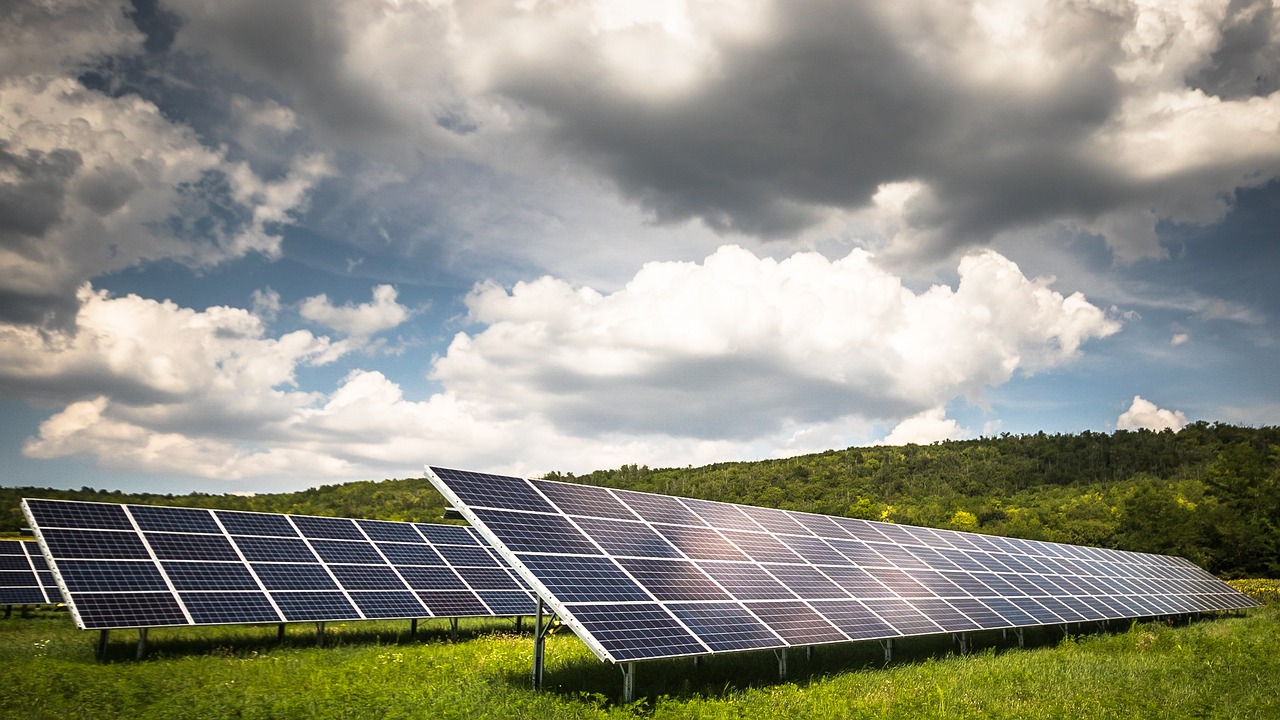
Solar power plants are no longer a niche part of the electricity market. They are one of the main sources of new power capacity, especially in regions where demand is rising and developers need projects that can be built in modular stages. In practical terms, a solar power plant is a facility that converts sunlight into electricity at a scale large enough to serve the grid, a large customer, or a local community.
The International Energy Agency’s 2026 energy review reported that solar PV generation rose by about 600 terawatt-hours in 2025 and supplied more than 8% of global electricity. In 2026, the main question is therefore not whether solar can generate meaningful volumes of power. It is how solar output is connected, stored, valued, and managed within modern grids.
For more background on related solar topics, visit the solar section.
How solar power plants work
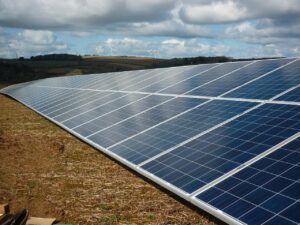
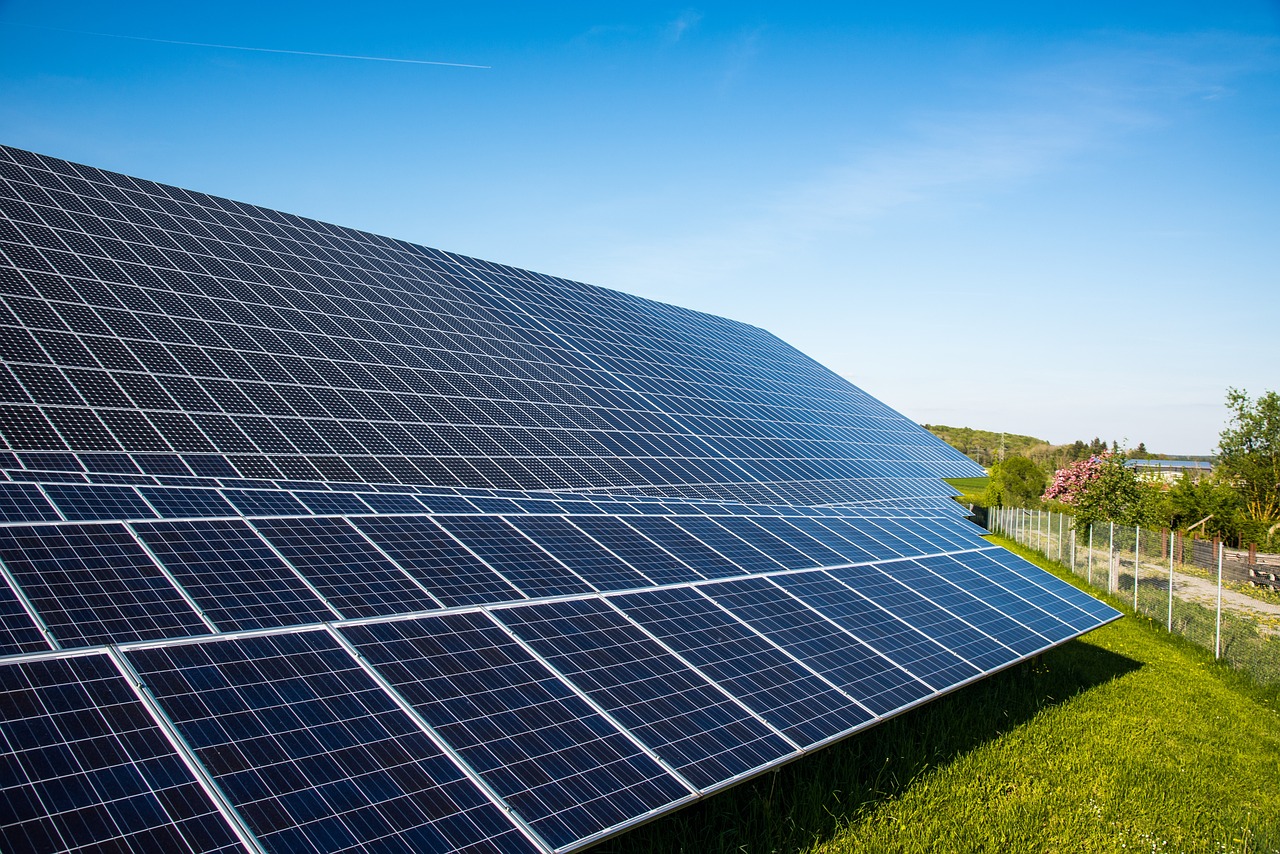
Most solar power plants use photovoltaic technology. PV cells absorb sunlight and produce direct-current electricity. Multiple cells form modules, modules are connected into strings and arrays, and inverters convert the direct-current output into alternating-current power that can be delivered to the grid.
At utility scale, the plant is more than panels and inverters. It also includes mounting structures, transformers, switchgear, monitoring systems, weather sensors, communications equipment, access roads, and grid protection systems. Some projects use fixed-tilt racking, while others use single-axis tracking systems that follow the sun through the day.
A solar plant’s output depends on sunlight, temperature, module orientation, soiling, inverter performance, grid availability, and curtailment rules. A strong solar resource does not automatically create a high-value project if the grid connection is weak or if local electricity prices fall during sunny hours. For that reason, modern project design increasingly combines energy engineering with market analysis.
PV plants are modular
One reason PV has expanded quickly is its modular structure. A project can be designed from a few megawatts to hundreds of megawatts using similar building blocks. Developers can adjust row spacing, inverter loading ratios, trackers, cable layouts, and battery sizing to suit the site and the revenue model. Construction can also proceed in phases, although grid interconnection approval can still take years in some markets.
CSP plants use heat rather than direct PV conversion
Concentrating solar power, or CSP, works differently from PV. CSP systems use mirrors to concentrate sunlight and create high-temperature heat. That heat can produce steam to run a turbine, and some CSP plants can store thermal energy for later generation.
CSP can be useful in regions with strong direct normal irradiation. However, it remains a smaller part of global solar deployment than PV because PV module costs, simpler construction, and battery pairing have made PV the dominant solar plant format.
Main types of solar power plants
| Plant type | How it generates value | Key planning issue |
|---|---|---|
| Utility-scale PV | Produces bulk electricity for wholesale markets, utilities, or corporate buyers | Grid connection, curtailment, land access, and power price exposure |
| PV plus battery storage | Stores midday solar output and discharges during higher-value evening or peak periods | Battery duration, cycling strategy, degradation, and market rules |
| Community or distributed solar | Serves local subscribers, commercial sites, or smaller distribution-level demand | Interconnection at distribution level and local tariff design |
| Floating solar | Uses reservoirs, ponds, or other water surfaces where land is constrained | Anchoring, water-level variation, maintenance access, and environmental review |
| Agrivoltaic projects | Co-locates PV with grazing, crops, or pollinator habitat | Balancing energy yield, agricultural operations, equipment height, and community acceptance |
| Concentrating solar power | Uses mirrors, heat, turbines, and in some cases thermal storage | Site-specific solar resource, water use, capital cost, and dispatch value |
These categories often overlap. A utility-scale project may include a battery, sheep grazing, pollinator habitat, and a corporate power purchase agreement. The practical distinction is not only project size, but how the plant earns revenue and how it interacts with the grid.
The latest growth data shows solar is becoming system-critical
Two major 2026 data sets show the current scale of solar deployment. The IEA estimates that global renewable capacity additions reached about 800 gigawatts in 2025, with solar PV contributing more than three-quarters of that total and annual solar additions surpassing 600 gigawatts for the first time. The same review says cumulative solar PV capacity reached around 2,800 gigawatts, making solar PV the technology with the largest installed capacity globally.
IRENA’s Renewable Capacity Statistics 2026 uses a different statistical framing. It reported that total renewable power capacity reached 5,149 gigawatts after 692 gigawatts of additions in 2025, and that solar and wind together made up most net renewable additions.
The difference between the IEA and IRENA figures is a useful reminder for planners: capacity statistics can vary because of methodology, timing, gross versus net additions, and how sources treat incomplete year-end data. The broader conclusion is consistent across both sources. Solar is the largest driver of new renewable power capacity.
Growth is also geographically broader than it was a decade ago. The IEA reported that thirty countries installed more than 1 gigawatt of solar PV in 2025, almost twice as many as in 2020. China remained the largest contributor, while solar growth also accelerated in India, the European Union, parts of the Middle East, Pakistan, and selected African markets. This wider adoption matters because supply chains, financing models, and grid integration lessons are no longer concentrated in only a few early markets.
Why cost comparisons are useful but incomplete
Solar power plants are often discussed through levelized cost of electricity, or LCOE. LCOE estimates the average revenue per unit of electricity required to recover a project’s capital, operating, financing, and performance costs over time. It is useful for comparing generation technologies, but it does not fully capture when electricity is produced, how much firm capacity the plant provides, or which grid upgrades may be required.
Lazard’s July 2026 LCOE+ release stated that renewables remained the lowest-cost new-build generation category despite rising cost pressure across power technologies. At the same time, Lazard emphasized that reliability, demand growth, permitting, and infrastructure constraints are shaping investment decisions. The U.S. Energy Information Administration makes a similar methodological point in its 2026 Annual Energy Outlook materials: LCOE, levelized avoided cost of electricity, storage costs, policy, geography, and grid characteristics all affect capacity expansion decisions.
For solar power plants, this means the cheapest project on a spreadsheet is not always the best project for the system. A lower-cost site far from transmission may be less valuable than a slightly higher-cost project near demand. A plant with a battery may require more capital but have better evening dispatch value. A project with strong community support may also face fewer delays than one with unresolved land-use disputes.
Storage and hybrid design are changing plant economics
The main design shift in recent years has been the move from stand-alone PV toward PV plus storage. Batteries do not make the sun shine longer, but they can shift solar electricity from low-price midday periods into evening peaks, reduce curtailment, provide ancillary services, and improve the dispatch profile of a project. Battery sizing is now a core project-development question rather than a late-stage add-on.
U.S. data illustrates the shift. The EIA reported in August 2026 that U.S. utility-scale battery storage capacity reached 43.6 gigawatts by the end of 2025 and nearly 52 gigawatts by the end of June 2026. It also noted that solar PV plants host the largest battery storage capacity units. Lawrence Berkeley National Laboratory’s 2025 hybrid power plant update identified 543 U.S. hybrid projects installed through the end of 2024, reflecting the growing link between solar, storage, and interconnection strategy. See also: clean energy.
Hybrid design adds complexity. Developers must decide whether the battery charges only from the solar plant or also from the grid, how often it cycles, how warranty limits affect revenue, and whether market rules compensate storage services adequately. The right configuration varies by region. In some markets, a two-hour battery may target short evening peaks. In others, four-hour storage may be more valuable. Longer-duration storage may be needed as solar penetration rises further, depending on system needs and technology costs.
Grid connection is the central bottleneck
Solar modules can be deployed quickly, but grid connection often moves much more slowly. Interconnection studies must assess whether a proposed project can connect without overloading lines, transformers, protection equipment, or stability limits. If upgrades are required, the cost allocation can determine whether a project remains viable.
Berkeley Lab’s interconnection queue research has repeatedly shown that solar, wind, and storage dominate proposed U.S. grid connection requests, while the time from request to operation has increased over the long term. A queue position is not the same as a finished power plant. Many proposed projects withdraw after receiving upgrade cost estimates, missing commercial deadlines, losing an offtake opportunity, or encountering permitting and land constraints.
This bottleneck is changing how developers select sites. A strong solar resource still matters, but the best projects often combine reasonable irradiance, available transmission capacity, manageable environmental review, clear land control, and credible offtake. In mature solar markets, grid capacity can be more valuable than the last few percentage points of energy yield.
Land use, communities, and environmental planning matter more as projects scale
Large solar power plants occupy land for decades, so siting decisions affect farmers, rural communities, wildlife, drainage, cultural resources, and local tax bases. Poor engagement can delay a project even when the technical design is sound. Better planning starts with early consultation, transparent visual and traffic assessments, vegetation management, decommissioning plans, and realistic discussion of local benefits and trade-offs.
Agrivoltaics is one response to land-use pressure. The U.S. Department of Energy describes agrivoltaics as co-locating solar with crops, livestock, or pollinator habitat. The approach can reduce land-use conflict in some settings, but it is not a universal solution. Panel height, row spacing, crop choice, animal access, irrigation, equipment movement, and maintenance procedures all affect whether a project can function as both an energy asset and an agricultural site.
Environmental performance also extends beyond operation. Solar plants have very low operating emissions, but equipment manufacturing, transport, land preparation, stormwater management, and end-of-life recycling still require attention. Buyers and policymakers increasingly look for responsible procurement, durable components, transparent supply chains, and credible recycling pathways. These issues do not cancel the climate value of solar, but they do shape the quality and acceptance of deployment.
What to watch next
The next stage for solar power plants will be defined by integration rather than simple capacity growth. Key indicators include interconnection reform, transmission buildout, battery cost and availability, local permitting rules, corporate demand for clean electricity, power market designs, and the treatment of solar during periods of low or negative wholesale prices.
Three trends deserve particular attention in 2026 and beyond. First, more projects will be designed around grid value, not only maximum annual energy output. Second, storage will increasingly determine whether solar can serve evening peaks and reduce curtailment. Third, community acceptance will become a competitive advantage as more regions balance renewable energy targets with land, wildlife, and agricultural concerns.
The overall direction is clear: solar power plants are becoming a core part of modern electricity systems. The strongest projects will not simply be those with the most panels. They will be the projects that connect efficiently, operate flexibly, fit their communities, and deliver electricity when the grid values it most.
Frequently asked questions
What is the difference between a solar farm and a solar power plant?
The terms are often used interchangeably. “Solar farm” usually refers to a ground-mounted PV project spread across land, while “solar power plant” is a broader technical term that can include utility-scale PV, PV plus storage, community solar, floating solar, agrivoltaics, or concentrating solar power.
Are solar power plants reliable without batteries?
Solar plants are reliable at producing electricity when sunlight is available, but their output is variable. Without batteries or other flexible resources, they cannot independently shift large amounts of electricity into evening or cloudy periods. Grid reliability depends on the full system mix, including storage, transmission, demand response, hydro, gas, nuclear, wind, and market rules.
Why are batteries being added to more solar projects?
Batteries help shift solar output to higher-value hours, reduce curtailment, and provide grid services. They can improve project revenue in markets where midday solar prices are low and evening prices are higher. The value depends on battery cost, duration, cycling limits, power market design, and interconnection rules.
Is concentrating solar power the same as solar PV?
No. Solar PV converts sunlight directly into electricity through semiconductor materials. Concentrating solar power uses mirrors to concentrate sunlight into heat, which can drive a turbine and may be stored thermally. PV is currently the dominant technology for new solar power plants, while CSP remains more site-specific.
How much land does a solar power plant need?
Land needs vary by module efficiency, tracker design, terrain, setbacks, environmental buffers, access roads, and spacing. A project in a flat, high-irradiance area may have a different land requirement from one designed for grazing, pollinator habitat, or complex terrain. For serious planning, site-specific engineering is more useful than a single generic acreage estimate.