
What PV solar panels do and why they matter now
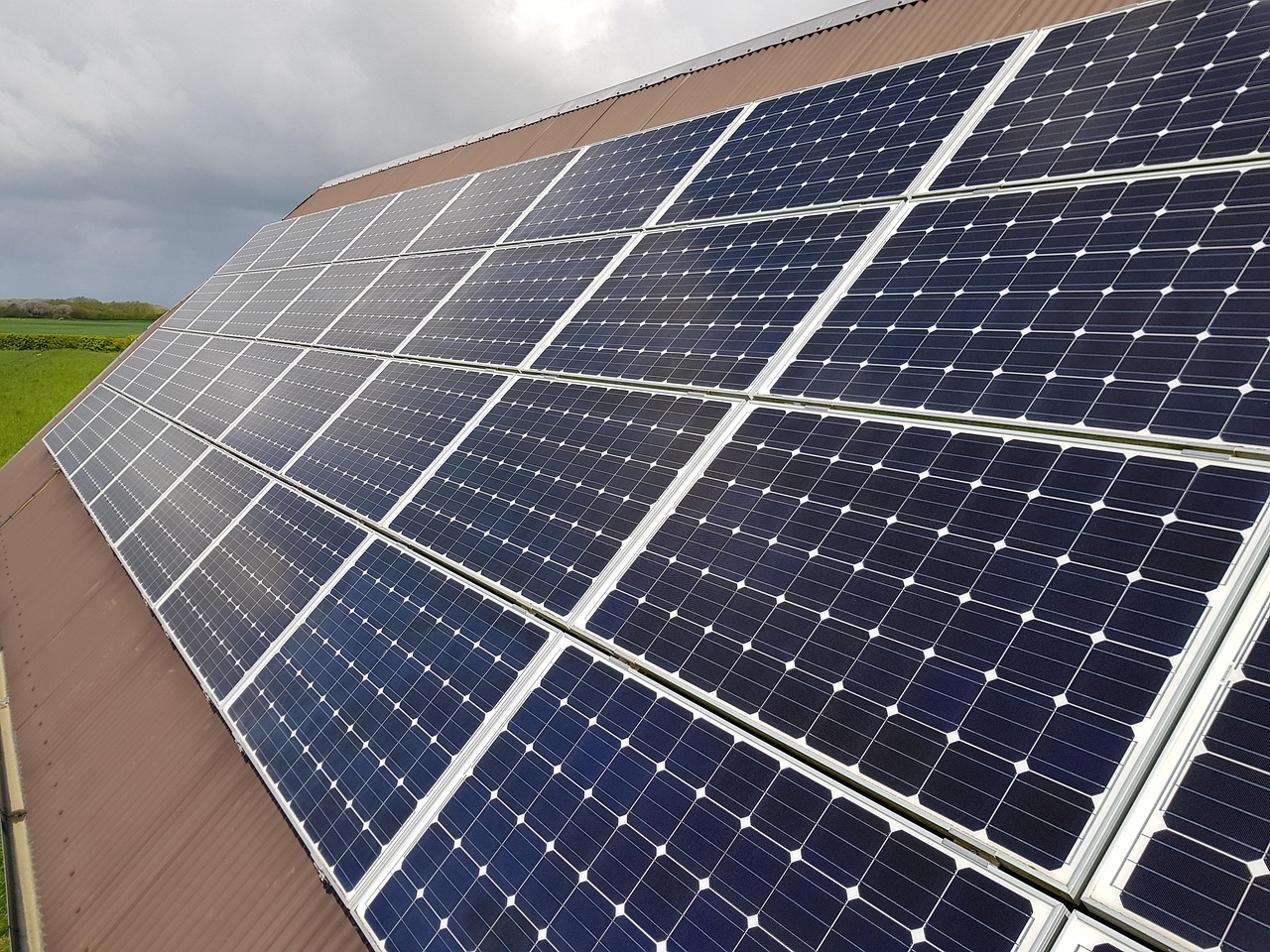
PV solar panels convert sunlight directly into electricity. For homeowners, businesses, and energy buyers, the decision is no longer about whether the technology works. It is about which panel type, system design, warranty package, and local policy environment can deliver reliable value over time. The International Energy Agency reported in its 2026 global review that solar PV additions surpassed 600 GW in 2025, bringing cumulative global PV capacity to about 2,800 GW. In the United States, SEIA and Wood Mackenzie reported that solar accounted for 54% of new electricity-generating capacity added in 2025. Those figures explain why panel selection has become a mainstream energy procurement decision, not a niche sustainability exercise.
A PV panel is only one part of a complete solar energy system. Panels generate direct current electricity. Inverters convert that power into usable alternating current. Mounting hardware secures the array, and monitoring software tracks production and system status. Batteries may be added when users want backup power, higher self-consumption, or more control over when solar energy is used.
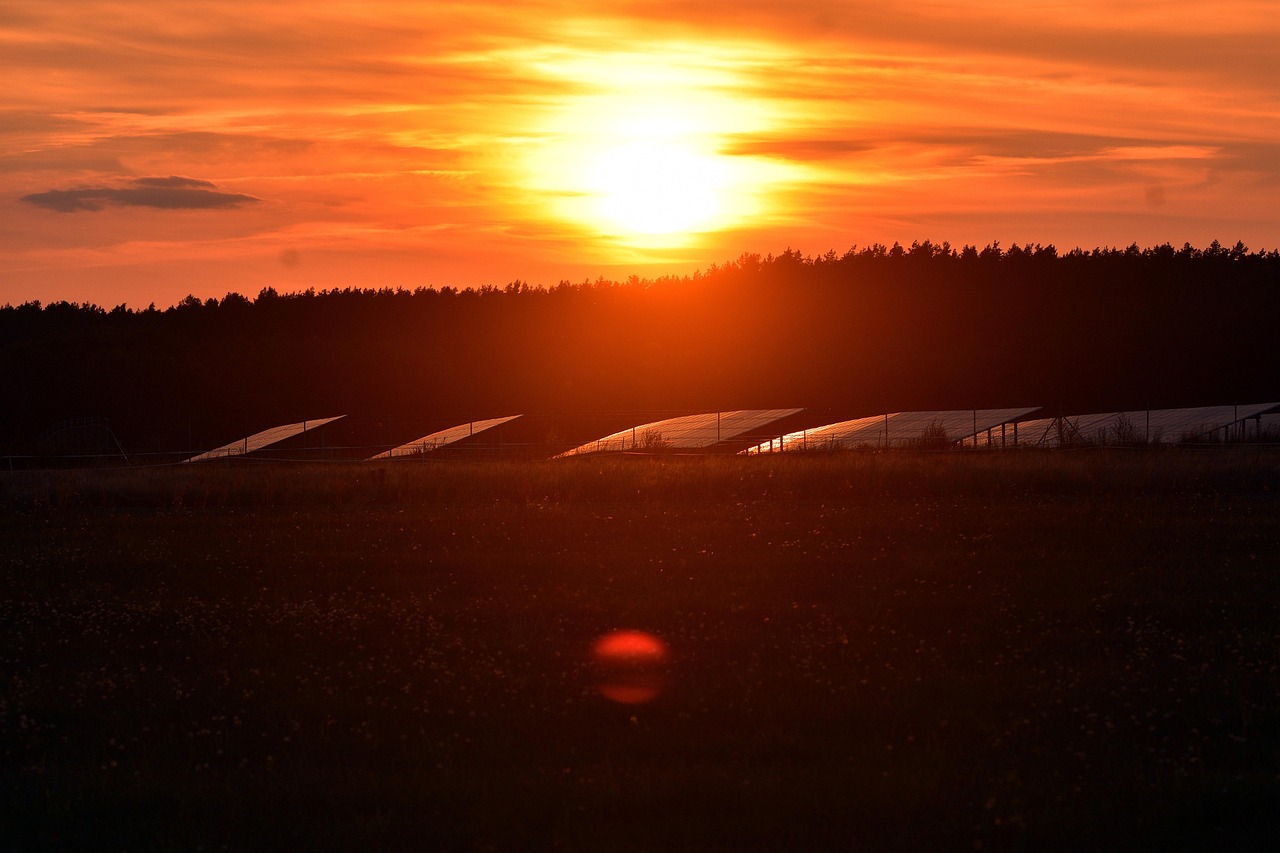
How a PV panel turns sunlight into usable power
Photovoltaic panels are built from semiconductor cells, most commonly crystalline silicon. When sunlight hits the cell, photons transfer energy to electrons and create an electric current. The panel protects those cells, connects them electrically, and produces a predictable output under outdoor operating conditions.
From cell to module to array
A solar cell is the basic electricity-generating unit. Multiple cells are connected and laminated behind glass to form a module, often called a solar panel. Multiple modules wired together become an array. The array design depends on roof space or land area, orientation, shading, expected electricity use, local codes, and inverter architecture.
Why inverters and system design matter
Panels produce direct current, while homes and most commercial facilities use alternating current. A string inverter converts power from a group of panels in one central unit. Microinverters or module-level power electronics can manage output at each panel. The better choice depends on shading, roof complexity, maintenance preferences, and budget. A high-efficiency panel will still underperform if shading, poor ventilation, or mismatched components reduce the array’s usable output.
Main PV solar panel types and what is changing
The panel market is led by crystalline silicon modules, but the technology inside those modules continues to change. Fraunhofer ISE’s 2026 photovoltaic reporting describes a market dominated by crystalline silicon and increasingly by n-type TOPCon products. For buyers, these labels are not just technical terminology. They can affect efficiency, temperature behavior, degradation expectations, and how much power can fit into limited space.
| Panel type | Typical role | What buyers should check |
|---|---|---|
| Monocrystalline silicon | Common choice for residential, commercial, and utility projects | Module efficiency, warranty terms, degradation rate, manufacturer track record |
| TOPCon n-type silicon | Increasingly mainstream high-efficiency option | Real datasheet values, temperature coefficient, bifacial rating, price premium |
| PERC p-type silicon | Widely deployed mature technology | Availability, cost, warranty, and whether the product is being phased down by suppliers |
| Heterojunction and back-contact modules | Premium efficiency applications where space is valuable | Cost per watt, installation requirements, long-term manufacturer support |
| Thin-film modules | Utility-scale and specialized applications | Land area, climate fit, procurement terms, and project-specific economics |
| Bifacial modules | Ground-mount, carport, and reflective-surface projects | Rear-side gain assumptions, mounting height, albedo, and bankable energy modeling |
Newer technology is not automatically the better choice for every site. TOPCon and other n-type modules can offer strong efficiency and performance advantages, but the right selection still depends on installed cost, roof or land constraints, warranty quality, supply availability, and installer experience.
The numbers that actually matter on a solar panel datasheet
Solar panel datasheets include many technical metrics. A few deserve close attention. Rated power, usually shown in watts, indicates the module output under standardized test conditions. Efficiency shows how much sunlight is converted into electricity per unit of area. Higher efficiency is especially useful when roof space is limited, but it does not always deliver the lowest lifetime cost.
Temperature coefficient is another key metric. Solar panels are tested at standard conditions, but real roofs and ground-mounted arrays can become much hotter than laboratory conditions. A better temperature coefficient means the panel loses less output as it heats up. This is particularly important in hot climates, on dark roofs, or in installations with limited airflow behind the modules.
Degradation is the expected annual loss of output. NREL has described typical module degradation as roughly 0.5% to 1% per year, with modern modules designed to keep operating for decades. Buyers should compare both product warranties and performance warranties. A product warranty covers defects in materials or workmanship. A performance warranty promises that output will not fall below a stated level over time.
Certifications and safety compliance also matter. A qualified installation should follow applicable electrical, building, and fire codes. For grid-connected systems, permitting and utility interconnection requirements can be as important as the panel itself. The U.S. Department of Energy’s homeowner guidance emphasizes that local utility rules, net metering structures, and compensation for exported power vary by state and service territory.
Cost and market signals in 2025 and 2026
Panel prices are only one part of solar project economics. A complete project includes modules, inverters, racking, labor, permitting, engineering, financing, interconnection, operations, and possible battery storage. A low module price, by itself, does not guarantee a low installed system price.
The U.S. Department of Energy’s Fall 2025 solar industry update reported modeled and observed U.S. PV system price ranges in the first half of 2025 of about $3.2/Wdc to $4.2/Wdc for residential solar, $2.0/Wdc to $3.6/Wdc for nonresidential solar, and about $1.1/Wdc for utility-scale solar. The same update noted that global module prices were around $0.09/Wdc while U.S. module prices were around $0.27/Wdc in the third quarter of 2025, reflecting tariffs, trade rules, logistics, and market structure.
Those figures are useful context, not a quote for any specific project. Installed prices can differ sharply by state, roof type, labor market, project size, interconnection complexity, domestic-content requirements, and financing structure. For residential buyers, a somewhat higher panel cost may be justified if it reduces the number of panels needed, improves aesthetics, or comes with stronger warranty support. For commercial and utility buyers, energy yield, procurement certainty, bankability, and operating costs may matter more than the headline module price.
Market growth also changes project risk. In 2025, the U.S. Energy Information Administration reported utility-scale solar generation of 296,000 GWh and small-scale solar generation of 93,000 GWh. As solar becomes a larger share of electricity supply, project value is increasingly shaped by time-of-day output, local grid constraints, curtailment risk, and whether storage or flexible demand can shift solar energy to higher-value hours. See also: clean energy.
How to choose PV solar panels for a real project
The right panel choice starts with the site. A small roof with high electricity use may benefit from higher-efficiency modules. A large commercial roof may prioritize cost per watt and long-term supplier support. A ground-mounted project may benefit from bifacial modules if the site has good rear-side reflectivity and enough mounting height to capture additional light.
- Start with energy use. Review annual and seasonal electricity consumption before choosing system size.
- Check usable space. Account for setbacks, vents, skylights, roof planes, shading, and structural limits.
- Compare total installed cost. Do not judge a proposal by panel wattage alone.
- Review warranties carefully. Look at product coverage, performance guarantees, labor exclusions, and claim procedures.
- Model realistic output. Include orientation, tilt, shading, temperature, soiling, snow, and expected degradation.
- Understand utility rules. Export compensation, demand charges, interconnection timelines, and net billing policies can change payback.
- Consider storage separately. Batteries can improve resilience and self-consumption, but they should be evaluated by use case, not added automatically.
For more explainers on solar technology and market developments, visit the Econergy solar section.
Risks and limitations buyers should not ignore
PV solar panels are mature, but projects can still underperform when assumptions are too optimistic. Standard test condition ratings do not equal year-round real-world output. Heat, shading, dirt, snow, inverter clipping, downtime, and utility curtailment can reduce delivered energy. A professional production estimate should explain the assumptions behind the expected kilowatt-hours, not just show an annual total.
Supply-chain and policy risk also deserve attention. The International Energy Agency has repeatedly highlighted the global concentration of solar PV manufacturing, while recent U.S. market updates show that tariffs and trade restrictions can keep U.S. module prices higher than global averages. For buyers, procurement timing, approved vendor lists, and warranty enforceability can be just as important as module efficiency.
End-of-life planning is another emerging issue. Most panels are designed for long operating lives, and extending useful life is often better than early replacement. However, recycling systems and local disposal rules vary. Large asset owners should document module serial numbers, warranties, installation dates, and maintenance records so panels can be repaired, repowered, resold, recycled, or responsibly managed when systems are upgraded.
The strongest PV solar panel decision does not come from chasing the highest wattage in isolation. It balances efficiency, durability, cost, warranty, installation quality, inverter design, and local electricity rules. When those factors align, PV becomes a long-lived energy asset rather than simply a hardware purchase.
Frequently asked questions
Are PV solar panels the same as solar panels?
In most everyday use, yes. PV solar panels are the common electricity-generating panels installed on rooftops, carports, fields, and commercial buildings. The term PV distinguishes photovoltaic electricity generation from solar thermal systems, which collect heat, and concentrating solar power, which is mainly used in large power plants.
Which PV panel technology is best?
There is no single best technology for every project. High-efficiency n-type modules such as TOPCon can be attractive where space is limited or energy density matters. Mature PERC modules may still be cost-effective in some procurement situations. Heterojunction, back-contact, thin-film, and bifacial modules can be excellent when the site and project economics fit their strengths.
How long do PV solar panels last?
Many modern PV modules are designed for multi-decade operation. NREL has discussed expected operating lives of 30 to 40 years for durable modules, while annual output typically declines gradually. Buyers should compare the actual product warranty and performance warranty rather than assuming all panels age the same way.
Do higher-wattage panels always save more money?
Not always. Higher wattage can reduce the number of modules needed, which may help on space-constrained roofs. However, total project economics also depend on installation labor, inverter design, racking, permitting, warranty quality, expected production, financing, and utility compensation rules.
Should a solar project include a battery?
A battery can help store midday solar energy for evening use, provide backup power during outages, or reduce demand charges in some commercial settings. It is not automatically necessary for every PV system. The decision should be based on outage risk, electricity rates, export compensation, load profile, and budget.