
The short answer for homeowners
DIY wind power can work, but the conditions have to be right: enough wind at the site, a tower high enough to reach cleaner airflow, and an electrical design that meets safety and code requirements. It is usually a poor fit for dense suburbs, low rooftops, wooded lots or balcony installations. Public guidance from the U.S. Department of Energy points to open sites with at least about 9 to 10 mph average annual wind speed at hub height as the starting point for small wind feasibility, with grid-connected projects typically needing the stronger end of that range. In practice, a small wind project is not like plugging in a household device. It is the installation of a structure, an electrical generator and a long-term maintenance asset.
For homeowners comparing renewable options, the main question is not “Can I build a wind turbine?” It is “Will this specific site produce enough usable energy to justify the tower, permits, wiring, batteries or interconnection work?” For many homes, rooftop solar is simpler. For farms, coastal properties, ridgelines, remote cabins and windy rural lots, small wind can be useful, especially as part of a hybrid system.
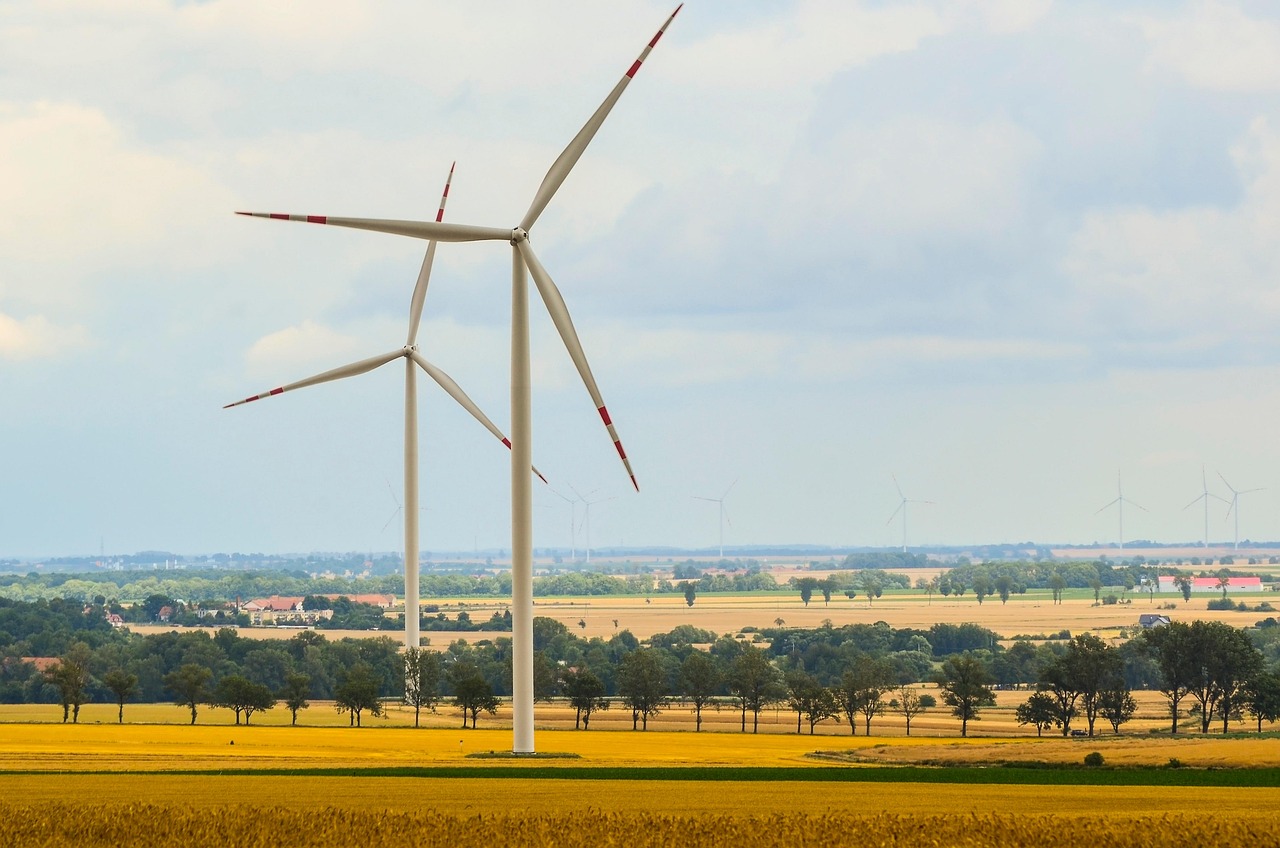
What DIY wind power really includes
The phrase “DIY wind power” covers very different projects. At the light end, it may mean assembling a small turbine kit for a shed, water pump, telecom load, boat battery or off-grid cabin. At the serious residential end, it can mean planning and managing a system that uses a certified turbine, engineered tower, foundation, charge controller, inverter, batteries or utility interconnection equipment.
That distinction matters. A homemade turbine may be a worthwhile learning project, but it should not be treated as a code-compliant home power system without proper engineering review. Anything connected to a home panel, battery bank or the electric grid brings safety issues, including shock risk, overspeed protection, grounding, lightning protection, structural loading and utility backfeed. In many jurisdictions, tower and electrical work require permits, inspections and qualified trades.
| Part of the system | What it does | DIY caution |
|---|---|---|
| Turbine rotor and generator | Captures wind and converts rotation into electricity | Do not rely only on advertised peak watts; review real energy production data |
| Tower and foundation | Places the rotor above turbulent ground-level wind | Structural design, setbacks and soil conditions matter |
| Controller and dump load | Regulates charging and protects the turbine from unsafe operating conditions | Incorrect matching can damage batteries or equipment |
| Inverter | Converts DC or variable output into usable AC power | Grid-tied equipment must meet utility and electrical code requirements |
| Batteries | Store energy for off-grid or backup use | Need ventilation, temperature management and correct protection devices |
For more background on wind technology and market trends, see the wind energy section.
Start with wind resource, not turbine size
A common mistake is shopping for a 1 kW, 5 kW or 10 kW turbine before confirming the wind resource. Wind energy is highly sensitive to wind speed because available power rises roughly with the cube of wind speed. The difference between 8 mph and 12 mph may look modest on paper, but it can separate disappointing output from a workable project.
DOE WINDExchange provides a rough screening equation for annual energy output: AEO = 0.01328 × D² × V³, where AEO is kilowatt-hours per year, D is rotor diameter in feet and V is average annual wind speed in miles per hour. This is not a bankable production estimate, but it shows why rotor diameter and measured wind speed matter more than marketing labels.
For example, using that screening formula, a turbine with a 12-foot rotor at 10 mph average wind speed produces an estimated 1,912 kWh per year before site-specific losses and system assumptions. At 12 mph, the same rotor screens at about 3,304 kWh per year. At 8 mph, it screens at only about 979 kWh per year. The turbine has not changed; the wind has.
Wind maps are useful for early screening, but they are not a substitute for a site assessment. DOE guidance notes that local terrain, tree cover, buildings, atmospheric effects and measurement height can cause actual wind speeds to differ from map estimates. Where the investment is significant, the stronger approach is to measure wind at or near proposed hub height, ideally for a full year, or to hire an experienced small wind site assessor.
Siting determines whether the turbine has a chance
Small turbines perform best in smooth, unobstructed wind. That is why tower height is central to the economics of home wind power. DOE small wind guidance gives a common rule of thumb: the bottom of the rotor blades should be at least 30 feet above any obstacle within 300 feet of the tower. Trees, barns, houses, ridges and future construction can all create turbulence that cuts output and increases mechanical wear.
This is also why rooftop wind turbines often disappoint. DOE’s small distributed wind FAQ warns that rooftop turbines experience more turbulence, can transmit vibration to the building and usually produce less power than turbines on ground-mounted towers. A rooftop turbine may look attractive because it avoids a separate tower, but that saving can be offset by lower production, noise problems, structural concerns and shorter equipment life.
Good candidate sites usually share several features:
- Open land with room for setbacks, guy wires or a free-standing tower foundation.
- Exposure to prevailing wind, such as a ridge, open field, coastline or uncluttered rural parcel.
- Few tall obstacles near the planned tower location.
- Local zoning that allows turbine height, setbacks and noise limits to be met.
- A practical wire run between turbine, batteries, inverter, home panel or load.
By contrast, a wooded half-acre lot, a townhouse roof or a neighborhood with strict height limits is rarely a strong small wind candidate, even if the wider region has a windy reputation.
Choosing a turbine without being misled by rated power
Small wind buyers often compare turbines by rated watts, but rated power may be measured at wind speeds that occur only occasionally at a residential site. A more useful question is annual energy production at the wind speeds your site is likely to see. Manufacturer power curves, acoustic data, survival wind speed and certification status matter more than a single peak number.
Horizontal-axis turbines are the most common design in the small wind market. Vertical-axis turbines can be appealing because of their compact shape and omnidirectional appearance, but buyers should be careful with unsupported claims. The issue is not whether a vertical-axis turbine can rotate. The issue is whether it can produce enough energy, survive turbulent conditions and justify its installed cost at the target site.
Certification is one of the better filters. DOE recommends selecting turbines tested and certified to recognized performance and safety standards. The ICC Small Wind Certification Council certifies small distributed turbines under the ACP 101-1 small wind turbine standard, and its published certification information can include annual energy production, sound level and rated power. Certification does not automatically cover the tower, foundation or complete installation, but it helps separate tested equipment from exaggerated claims. See also: clean energy.
Costs, payback and the policy reality in 2026
Small wind economics are site-specific. Public DOE materials have commonly placed installed small wind costs in the thousands of dollars per kilowatt, and DOE’s Small Wind Guidebook notes that installation costs vary greatly with zoning, permitting and interconnection. Energy marketplace reporting has also found that real residential quotes can rise sharply once tower work, permitting, trenching, foundations and professional labor are included.
Payback depends on five main variables: installed cost, annual energy output, local electricity rate, incentives and maintenance cost. The U.S. Energy Information Administration has reported average U.S. household electricity use at roughly 10,500 kWh per year, but households vary widely by climate, home size, heating fuel and appliance use. A small turbine that produces 2,000 to 4,000 kWh per year may be valuable, but it will not “power the whole house” for an average U.S. home unless the home’s load is very efficient or the wind resource and rotor size are much stronger.
Policy should also be checked with current sources before purchase. As of September 2026, the IRS states that the U.S. federal Residential Clean Energy Credit for qualified residential clean energy property, including wind turbines, is not available for property placed in service after December 31, 2025, following changes under Public Law 119-21. Older articles that describe a 2032 federal residential credit schedule may therefore be outdated. State, local, utility and agricultural incentives can still vary, so project economics should be confirmed for the exact location and taxpayer situation.
Market context is useful, too. The 2024 Distributed Wind Market Report from the Department of Energy and Pacific Northwest National Laboratory reported cumulative U.S. distributed wind capacity of 1,110 MW from more than 92,000 turbines installed from 2003 through 2023. It also reported 1,994 U.S. small wind turbines installed in 2023 with $15.2 million in funding. That shows small wind is a real market, but a specialized one—not a universal plug-and-play home upgrade.
A practical checklist before buying anything
Before ordering a turbine kit, work through the project in this order:
- Reduce demand first. Efficiency upgrades often cost less per saved kilowatt-hour than new generation.
- Estimate your load. Use 12 months of utility bills or actual off-grid appliance loads.
- Screen the wind resource. Review wind maps at relevant heights, then consider on-site measurement or a professional assessment.
- Walk the site. Identify trees, buildings, ridges, turbulence zones, setbacks, access routes and future obstructions.
- Check zoning early. Ask about tower height, property-line setbacks, sound rules, aviation concerns and building permits.
- Talk to the utility. For grid-tied projects, confirm interconnection rules, net metering or net billing treatment, insurance requirements and inspection steps.
- Choose certified equipment where possible. Compare annual energy production data, not only rated watts.
- Budget for the whole system. Include tower, foundation, wiring, trenching, inverter, controller, batteries, disconnects, permits, engineering and maintenance.
- Plan maintenance access. Tilt-down towers can make service easier for smaller turbines, while larger towers may require specialized equipment.
The safest DIY role is often project owner, researcher and installer of noncritical supporting work, while qualified professionals handle tower engineering, grid interconnection and code-sensitive electrical tasks. That approach keeps the cost awareness and independence people want from DIY while avoiding the highest-risk shortcuts.
Frequently asked questions
Can DIY wind power run a whole house?
Sometimes, but it requires a strong wind resource, an appropriately sized turbine, a tall tower and usually either grid backup or battery storage. Many small residential turbines offset part of a home’s annual electricity use rather than covering all consumption. Start with your annual kWh demand and a realistic site-specific production estimate.
Are rooftop wind turbines worth it?
Usually not for serious home energy production. Rooftops tend to have turbulent wind, and turbines can transmit vibration and noise into the structure. Ground-mounted towers generally give a turbine cleaner wind and better output, though they require more space and permitting.
Do I need batteries for a small wind system?
Off-grid systems generally need batteries and charge control because wind output varies. Grid-connected systems often do not need batteries because the utility grid supplies power when wind output is low and accepts exported energy where interconnection rules allow it. Batteries may still be added for backup, but they increase cost and design complexity.
How much land do I need?
DOE FAQ guidance describes at least 1 acre as a typical starting condition for many residential small wind scenarios. The practical answer depends on tower height, local setbacks, guy-wire radius, access space, neighboring structures and zoning rules.
Is a vertical-axis turbine better for DIY projects?
Not automatically. Vertical-axis turbines can be compact, but buyers should compare certified performance data, annual energy estimates, durability information and sound data. A turbine that spins easily in turbulent wind is not necessarily producing meaningful energy.
Bottom line
DIY wind power is most compelling where land and wind are abundant: rural homes, farms, remote sites, coastal properties and ridgelines. It is least compelling where turbines must be low, close to obstacles or mounted on buildings. A successful project begins with wind measurement and site planning, not a turbine catalog. If the site passes that test, a small wind system can become a durable source of clean electricity and a useful complement to solar, storage or grid power.