
Why Are Solar Panels for House a Practical Upgrade in 2026?
Choosing solar panels for house is no longer a side project for a few early buyers. In the United States, SEIA and Wood Mackenzie reported that the residential segment installed 1,179 MWdc of solar capacity in Q1 2026, while solar alone accounted for 60% of all new generating capacity added that quarter. For a homeowner, the first check is simple: roof condition, electric bill, local rules, and budget need to line up. If those four points work, solar can make sense; if one of them is weak, the numbers need a closer look. (seia.org)
Lower Grid Purchases
A home solar system reduces the power you buy from the utility during sunny hours. It usually will not remove the full bill because most homes still have fixed charges, evening use, and seasonal gaps. The value is still clear in areas where retail electricity is expensive. The U.S. Energy Information Administration reported that average U.S. residential electricity prices rose to 16.5 cents per kWh in 2024, with average monthly residential consumption at 865 kWh. That is a real monthly cost for solar to offset, not a small line item. (eia.gov)
Better Use of Roof Space
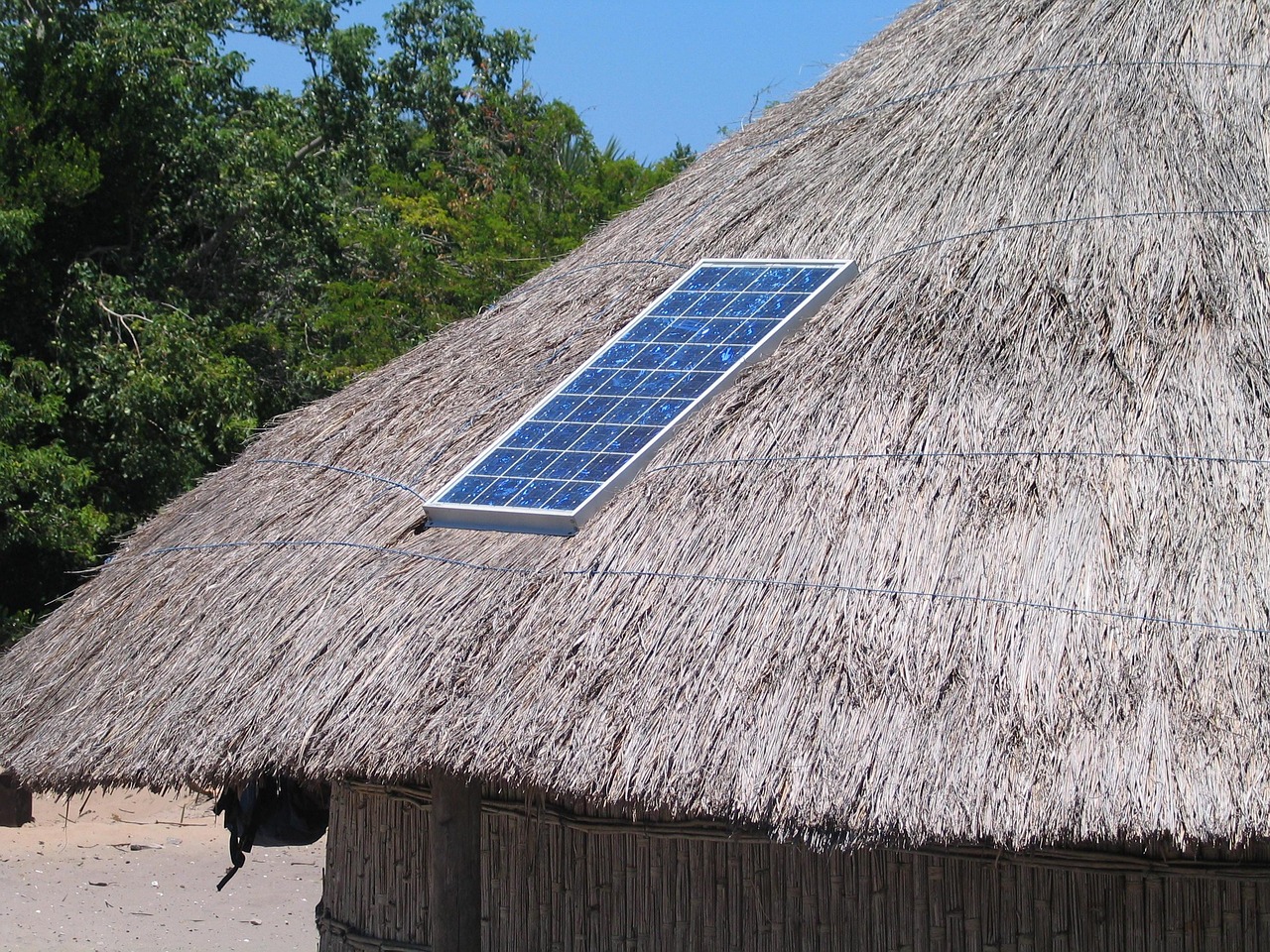
Your roof is already exposed to the sun for much of the day. A planned array turns that surface into a small power source, usually without taking extra land. South-facing roofs in the northern hemisphere are often the easiest fit, but east and west roofs can still do useful work. They may even fit your usage pattern better if your home uses more power in the morning or late afternoon. A small chimney shadow at 3 p.m. can cut more output than people expect, so it should be checked on site.
Long Service Life
Most modern panels are made for long outdoor service. NREL research on the U.S. PV fleet found a median performance loss of about 0.75% per year, with results changing by climate, equipment, and site stress. This slow loss is one reason a 25 year output warranty is common in the industry. The panel normally does not fail all at once. It keeps working, but the output drops a little as the years pass. (nrel.gov)
How Do You Size a Home Solar System Correctly?
Good sizing starts with your own power use, not with a neighbor’s roof or a quick sales guess. A system that is too small leaves easy savings behind. A system that is too large may push extra power to the grid at a lower credit rate, depending on local policy. This is where a careful bill review saves trouble later.
Your Annual kWh Use
Take 12 months of electric bills and add the kWh, not only the dollars. Dollar amounts move when rates change, but kWh shows the actual load. If you used 10,000 kWh last year and local solar yield is around 1,300 to 1,600 kWh per installed kW each year, the first estimate may fall around a 6.5 to 8 kW system. That is only a starting point. Real output still depends on roof angle, shade, weather, and equipment losses.
- Use 12 months of kWh data, not one summer bill.
- Mark future loads such as an EV, heat pump, or pool pump.
- Ask for production estimates in kWh per year, not only system size in kW.
Roof Direction and Shading
NREL’s PVWatts tool estimates PV production and energy value using location, system design, and basic economics. That kind of model helps because two 8 kW systems can produce very different results. A clear south roof may beat a larger roof with shade. Tree shade in winter is also easy to miss because the leaves are gone. Then June comes, the leaves return, and the output drops.
Future Loads and Battery Plans
If you plan to buy an electric vehicle or change gas heating to a heat pump, size the system for the next five years, not only last year. Those loads can add a lot of kWh. Batteries also change the design. Without storage, daytime solar first feeds home loads and then moves to the grid. With storage, more afternoon power can be used at night, during outages, or during peak price hours.
Which Solar Panel Type Fits Your House Best?
Panel choice is not only about the highest watt number on a brochure. The better choice depends on efficiency, warranty, roof layout, wind rating, appearance, and price. A slightly lower watt panel from a stable manufacturer can still be the better buy if the design is cleaner and warranty support is easier. For a home project, service after installation matters more than a small wattage difference on paper.
Monocrystalline Panels for Limited Roof Space
Monocrystalline panels are common on residential rooftops because they offer high efficiency in a standard size. If your roof has vents, dormers, skylights, and a small usable area, higher wattage modules can help you fit more capacity. Black frame and all-black panels also look neater on many homes. That matters because the array will sit on the roof for many years, not only during the sales meeting.
Bifacial Panels for Suitable Surfaces
Bifacial panels collect light from the front and reflected light from the back. They can work well on ground mounts, pergolas, carports, and bright flat roofs with enough open space behind the module. On a typical dark shingle roof, the rear-side gain is often small. The extra cost only makes sense when the surface can reflect enough light. If the site does not support that, a standard panel may be the safer choice.
Inverters and Power Electronics Matter
Panels make DC power, but your home uses AC power. Inverters handle that conversion. String inverters are simple and cost friendly on open roofs with little shade. Microinverters and power optimizers help when roof planes face different directions or shade reaches one part of the array. They also provide panel-level monitoring. That is useful when one module shows an odd reading after a storm or repair visit.
How Much Do Home Solar Panels Cost and Save?
Solar pricing changes by state, roof type, equipment, installer workload, financing, and permitting rules. A cheap quote can become costly if it leaves out electrical upgrades. A high quote can still be fair if it includes a main panel upgrade, hard roof work, and proper service support. Compare each line item before you compare only the final price.
Installed Price per Watt
EnergySage reported that U.S. residential solar quotes held near a record-low median price of $2.48 per watt in the first half of 2025, based on marketplace data from homeowners shopping in all 50 states and Washington, D.C. For a 10 kW system, that reference points to about $24,800 before batteries, roof work, local adders, or incentives. Treat it as a market reference, not a firm price for every roof. (energysage.com)
Incentives and Policy Changes
Incentives can change quickly, and solar buyers should check the current rule before signing. For U.S. homeowners, the IRS Residential Clean Energy Credit page reviewed July 4, 2026 states that the 30% credit applies to new qualified clean energy property installed from 2022 through December 31, 2025, and is not available for property placed in service after December 31, 2025. Local rebates, state credits, and utility programs may still be open in some areas. Ask the installer to show the incentive source, not just the amount in the proposal. (irs.gov)
Payback Based on Your Utility Bill
Payback is simple on paper: installed cost minus incentives, divided by yearly bill savings. The hard part is getting the savings right. Net metering, time-of-use rates, export credits, demand charges, and fixed utility fees all affect the result. If your bill is $180 per month and solar offsets $120, that feels very different from a home with the same system but a $90 bill. Ask for a cash price and a separate financed price. Loan fees can sit inside the monthly payment and make the deal look cleaner than it is. See also: clean energy.
What Should You Check Before Installation?
A good installation starts before anyone brings a ladder. The quote should cover roof condition, electrical capacity, permits, interconnection, equipment models, warranties, and project timeline. If an installer rushes this part, slow the process down. Solar is construction work attached to your home, not only a product purchase.
Roof Age and Structural Condition
If your asphalt roof has only five years left, repair or replace it before installing panels. Removing panels later for a reroof adds labor cost and extra risk. Also check rafters, decking, roof penetrations, and drainage paths. In snowy areas, think about where snow will slide. In windy regions, mounting hardware and attachment spacing need close review. These checks are less exciting than panel wattage, but they protect the project.
Permits and Utility Interconnection
Most grid-tied systems need building permits, electrical permits, and utility permission to operate. Your installer usually handles this, but you should still know the steps and expected timing. Interconnection delays can push a project back by weeks. A neat roof install still cannot run legally until approval is finished. The paperwork is not fun, but it matters.
Warranty Terms and Workmanship
Look at four warranties: panel product, panel performance, inverter, and workmanship. A 25 year panel warranty is common, but the inverter may have a shorter term. Workmanship coverage is important for roof leaks, wiring issues, and mounting mistakes. Get the terms in writing before the job starts. Keep the final drawings as well, because future buyers or electricians may ask for them.
How Do You Keep Residential Solar Running Well?
Solar panels are low maintenance, not no maintenance. Most issues show up as small production drops, inverter alerts, tripped breakers, loose wiring, or visible damage after bad weather. A quick check each season can catch a small fault before it turns into months of lost output. That is usually enough for a normal residential solar system.
Simple Cleaning and Visual Checks
Rain cleans many pitched roofs well enough. Dusty areas, bird droppings, pollen, wildfire ash, or nearby construction may call for cleaning. Use water, soft tools, and safe access. Do not step on panels. If the array is steep or high, hire a pro. A clean panel is useful, but a roof fall is never worth it.
Monitoring Small Drops Early
Most systems include an app that shows daily, monthly, and yearly output. Check it from time to time, especially after storms or long cloudy periods. Compare this June to last June, not June to December. Weather changes output, so one cloudy week does not mean the system has failed. A sudden drop on one panel or one string is different. That should lead to a service call.
Battery Use for Backup and Evening Loads
A battery is not needed for every home, but it helps where outages, low export credits, or time-of-use rates matter. Size it around your real backup needs. A refrigerator, router, lights, and a few outlets need far less capacity than central air conditioning. Battery quotes should show usable kWh, continuous output, surge output, and protected loads. If those figures are missing, ask for them before comparing prices.
FAQ
Q1: Are Solar Panels for House Use Worth It in 2026? A: They can be worth it if your roof gets good sun, your utility rates are high enough, and the quoted price is fair. Start with 12 months of kWh data and a site-specific production estimate.
Q2: How Many Solar Panels Does a House Need? A: Many homes need roughly 15 to 25 panels, but the real number depends on panel wattage, annual electricity use, roof space, shade, and local sunlight. Size by yearly kWh, not by panel count alone.
Q3: Do Solar Panels Work During a Power Outage? A: Standard grid-tied solar usually shuts down during an outage for utility worker safety. If you want backup power, you normally need a battery system or an approved backup inverter setup.
Q4: Should You Add a Battery With Home Solar? A: Add a battery if outages are common, evening electricity is expensive, or your utility pays little for exported solar. If your area has strong net metering and a stable grid, panels alone may give better payback.
Q5: What Is the Biggest Mistake When Buying Residential Solar? A: The biggest mistake is signing based only on monthly payment. Check the cash price, loan fees, equipment models, production estimate, roof condition, warranty terms, and utility rules before you agree.