
What solar roof tiles are
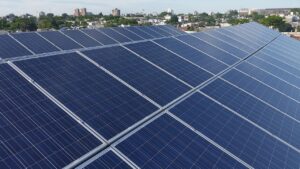
Solar roof tiles are photovoltaic roofing products designed to replace part of the roof covering while generating electricity. Conventional solar panels are usually mounted above an existing roof on rails or racks. Solar roof tiles, by contrast, become part of the building envelope. That places them in the category of building-integrated photovoltaics, often shortened to BIPV.
The appeal is practical as well as visual. A homeowner, architect, or builder can combine weather protection and power generation in one finished roof surface. For new construction or a major reroof, this can be especially relevant because the project already involves roofing labor, flashing details, underlayment decisions, electrical planning, and permitting. For an existing roof with many years of service life remaining, the case is usually harder to justify because the owner may be removing a functional roof before replacement is needed.

For more background on solar technologies and market trends, visit the solar section of Econergyzn.
How solar roof tiles differ from conventional solar panels
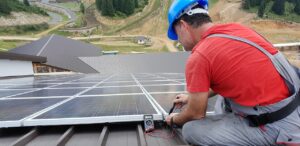
The main difference is not only appearance. It is the role each product plays in the building. A conventional rooftop PV system is typically added to a completed roof. Solar roof tiles are intended to function as both electrical equipment and roofing material, so the project involves two disciplines at once: roofing and solar electrical installation.
The U.S. Department of Energy describes BIPV as solar materials that replace conventional building materials in areas such as roofs, skylights, façades, and other exterior components. That definition matters because roof-integrated products cannot be evaluated only by watts. They also need to meet roofing expectations for water shedding, wind resistance, fire classification, durability, and serviceability.
| Decision factor | Solar roof tiles | Conventional solar panels |
|---|---|---|
| Visual impact | Lower profile and more integrated appearance | Visible modules and mounting hardware |
| Best timing | New build, full reroof, premium architectural project | Existing sound roof with good sun exposure |
| Cost comparison | Should be compared as roof plus solar together | Easier to compare on a cost-per-watt basis |
| Product availability | More limited by installer network and product line | Broad supplier and installer ecosystem |
| Service and replacement | May require brand-specific parts and trained crews | More standardized module and racking replacement |
| Design flexibility | Can be constrained by roof shape, active tile layout, and matching inactive areas | Can often be arranged in larger rectangular arrays |
In practice, conventional panels are still usually the simpler choice when the priority is maximum generation at the lowest installed cost. Solar roof tiles tend to be considered when roof replacement, design quality, neighborhood appearance rules, or a fully integrated building concept carry significant value.
Where solar roof tiles make the strongest case
Solar roof tiles are most compelling when roof work is already required. If a home needs a full roof replacement, the buyer can compare two complete project scopes: a new conventional roof plus a rack-mounted solar system, or an integrated solar roof that performs both functions across selected roof areas. That is a more realistic comparison than looking only at the PV system price.
They can also make sense in new construction. Builders can coordinate roof layout, electrical pathways, inverter location, attic access, fire setbacks, and monitoring hardware before installation begins. A 2023 National Renewable Energy Laboratory time-and-motion study of residential roofing-integrated PV found that installation labor varied by project type, with new construction sites taking less average worker time per kilowatt than reroofing sites in the observed sample. That does not prove every new build will be cheaper, but it supports the idea that earlier coordination can reduce friction.
Another strong use case is a design-sensitive property. Some homeowners dislike the look of raised panels. Some developments, historic districts, or homeowners associations may apply design rules that make lower-profile products more acceptable, although rules vary widely and should be checked before signing a contract. In these situations, the value of solar roof tiles is partly architectural, not only electrical.
Key limitations buyers should understand
The first limitation is cost comparability. Conventional panels are widely quoted, widely compared, and supported by many installers. Solar roof tile projects are more customized because the final design depends on roof size, roof complexity, active and inactive tile areas, underlayment, flashing, electrical layout, structural conditions, and local permitting. Two homes with the same target system size can require very different integrated roof designs.
The second limitation is serviceability. With rack-mounted panels, many components follow familiar industry patterns. With integrated roof products, replacement procedures may depend more heavily on the original manufacturer, product generation, approved parts, and installer training. Buyers should ask what happens if one tile, one string, one inverter, or one roof section needs service ten or fifteen years later.
The third limitation is roof geometry. Large, simple, south-facing or west-facing roof planes usually support cleaner layouts. Complex roofs with dormers, valleys, skylights, chimneys, plumbing vents, tree shade, or multiple small roof planes may reduce the number of productive tiles and increase installation complexity. A visually attractive roof is not automatically an efficient solar roof.
The fourth limitation is policy uncertainty. In the United States, federal residential solar tax treatment changed materially after 2025. As of September 19, 2026, IRS guidance states that the Residential Clean Energy Credit applied to qualified clean energy property installed from 2022 through December 31, 2025, and is not available for property placed in service after December 31, 2025. State incentives, utility programs, net metering rules, and local rebates can still differ, so homeowners should verify current local rules and get tax advice before relying on incentive savings.
What to ask before choosing an integrated solar roof
A useful proposal should document both roofing performance and electrical performance. If it reads only like a solar quote, it may not provide enough detail about the roof system. If it reads only like a roofing quote, it may not provide enough detail about energy production. Buyers should expect both parts of the project to be clearly specified.
- Roof condition and scope: Is the project a partial integration, a full reroof, or a new roof with selected solar areas?
- Electrical design: What is the system size in kilowatts, expected annual production, inverter type, monitoring setup, and shutdown equipment?
- Active vs inactive areas: Which parts of the roof generate power and which parts are matching non-generating materials?
- Certifications: What fire, wind, impact, electrical, and building-code standards apply to the product in the local jurisdiction?
- Warranty separation: What is covered by the product warranty, power output warranty, roof leak coverage, workmanship coverage, and inverter warranty?
- Repair process: Who removes and replaces tiles if roof repair, electrical service, or future remodeling is needed?
- Availability of parts: Are replacement tiles and accessories expected to remain available, and what alternatives exist if the product line changes?
- Installer qualifications: Is the crew trained for both roofing integration and solar electrical work, or are separate licensed teams involved?
- Permitting and inspection: Which building, electrical, fire, and utility approvals are required before operation?
- Total ownership cost: How does the integrated option compare with a conventional roof plus a conventional PV system over the same period?
Production estimates deserve close review. A solar roof tile system may look larger than it is if a significant portion of the visible roof uses inactive matching materials. The most useful comparison is not square footage covered; it is expected annual kilowatt-hours, installed cost, warranty terms, roof value, and future service risk.
Market outlook for solar roof tiles
The long-term direction is promising, but the category remains more specialized than conventional rooftop solar. The International Energy Agency Photovoltaic Power Systems Programme released a technical guidebook on building-integrated photovoltaics in 2025, reflecting continued industry work on design methods, product categories, and construction integration. That attention is important because BIPV sits between established industries that do not always use the same workflows.
The U.S. Department of Energy has also identified practical barriers for BIPV roofing, including non-standard solar roof tile sizes, specialized materials, manufacturing constraints, wiring integration, and the need to match roofing-industry requirements. These barriers help explain why solar roof tiles have not replaced conventional rooftop panels at scale, even though the concept is attractive.
Editor’s analysis: the near-term opportunity is likely selective rather than universal. Solar roof tiles are best positioned for premium reroofs, new homes, architect-led projects, and customers who place real value on aesthetics. Conventional panels will likely remain the default for many homeowners because they are widely available, easier to price, and supported by a larger installation base.
Frequently asked questions
Are solar roof tiles the same as solar shingles?
The terms are often used loosely. Solar shingles usually refer to smaller shingle-like PV products, while solar roof tiles can include tile-shaped products, shingle-like products, or broader roof-integrated systems. The important point is whether the product replaces roofing material and is certified for both roof and electrical use.
Do solar roof tiles produce as much power as regular panels?
Not always. Output depends on cell technology, roof orientation, shade, ventilation, active coverage area, inverter design, and local climate. Conventional panels often have an advantage when designers can place larger modules in simple, high-output arrays. Solar roof tiles may still meet a household’s needs if the roof has enough suitable area and the design is optimized.
Can solar roof tiles be installed on an existing roof?
Some integrated products are used in reroofing projects, but they are generally not a simple add-on to an existing roof in the same way conventional panels are. If the current roof is in good condition, a rack-mounted PV system may be more practical. If the roof is near replacement age, an integrated option may deserve a closer comparison.
Are solar roof tiles harder to repair?
They can be more specialized to repair because roofing and electrical functions are combined. Before buying, ask who is authorized to service the system, how individual units are replaced, whether roofers can work around the system, and how warranty coverage applies if another trade damages the roof.
Who should consider solar roof tiles?
They are most suitable for homeowners and builders planning a new roof, a full reroof, or a design-focused project where appearance has measurable value. Buyers focused mainly on the lowest cost per watt should compare carefully, because conventional solar panels often remain the more economical route.