
Why Is the Wuling Hongguang Mini EV Still a Big Deal?
The Wuling Hongguang Mini EV is not built to be a long-range family SUV. It is a small electric city car for short trips, low buying cost, and easy parking. If you watch compact electric mobility, it sits on the practical side of the EVs market, where daily use can matter more than quick acceleration. GM China said the Hong Guang MINIEV family had passed 1.4 million cumulative sales by the end of November 2024, exceeded 435,000 annual sales in 2025, and delivered more than 43,000 units in Q2 2026. Source: GM China releases from December 2024, January 2026, and July 2026. (gm.com.cn)
City Mobility First
The model makes the most sense when the route is short, known in advance, and parking space is limited. Typical use includes apartment-to-office trips, school runs, food delivery, campus roads, factory parks, and busy city neighborhoods. A large battery is useful for some buyers, but many drivers only need a low-cost electric car for 10 to 40 km a day.
A Very Low Entry Price
Price is still the main reason buyers pay attention to this car. In China, the fifth-generation range starts at a level many global buyers would treat closer to scooter-plus money than normal car money. That changes the comparison, because buyers are not putting it against a premium EV. They are asking if a small car can replace a gasoline microcar, a second household car, or a short-distance fleet vehicle.
Proof from Real Sales
Sales volume gives the Mini EV a level of proof that a concept car cannot offer. Many small EV ideas look good at an auto show and then fade away. This car went the other way, becoming a mass-market product in one of the world’s hardest EV markets. Buyers there compare price, battery range, service access, and brand trust very quickly.
What Makes the Fifth-Generation Model Different?
The newest Chinese-market Mini EV is more usable than the early basic versions that first made the name popular. It is still compact, but the current specification gives a better mix of range, doors, cabin space, and simple technology. Source: Wuling China current fifth-generation product specification page. (wuling.com)
Longer Four-Door Body
The fifth-generation model is listed as a four-door, four-seat car with a body size of 3268 mm long, 1520 mm wide, and 1575 mm high. The wheelbase is 2190 mm, and the minimum turning radius is 4.5 m. That turning circle is small, and it matters in daily city use. U-turns, narrow lanes, and tight parking lots become easier to handle.
Practical Battery Choices
Wuling lists two CLTC range choices for the fifth-generation model, 205 km and 301 km. Battery capacity is 16.2 kWh for the 205 km versions and 25.1 kWh for the 301 km versions. DC fast charging from 30% to 80% is listed at 35 minutes for all versions. AC charging from 20% to 100% takes 4.8 hours or 7.2 hours, depending on battery size.
Simple Cabin Tech
The cabin is kept simple, but it is not bare. Depending on trim, it can include a 7-inch instrument screen, a 10.1-inch central screen, app remote control, Bluetooth, USB ports, reversing camera, rear parking radar, and phone connectivity features listed as pending OTA on higher trims. This is not luxury equipment. It is the kind of equipment city users ask for in daily driving.
Who Should Buy the Wuling Hongguang Mini EV?
This car is worth a look if your daily route is short and your budget is limited. It is not the right choice if you often drive on fast highways, carry five adults, or expect a soft large-car ride. That sounds simple, but many poor EV purchases happen when buyers ignore the job the vehicle was made to do.
Short Daily Commutes
For a driver who goes from home to work, then to a shop, then back home, the Mini EV can be enough. The 205 km version gives some buffer for normal weekday use. The 301 km version is a better match when charging is not always available. Actual range will still change with speed, temperature, load, and air-conditioning use.
Campus and Park Fleets
Industrial parks, resorts, universities, and closed communities can make good use of small EVs. The routes are usually fixed, speeds are low, and charging can be arranged overnight. A fleet manager does not need a 500 km battery for a car that spends most of its time moving staff, tools, or guests on short loops. In this setting, simple maintenance and low energy use can be more important than long range.
Budget-Sensitive Families
For a family that already owns a larger car, the Mini EV can work as a second vehicle. It is more useful than a two-wheeler for groceries and school pickups, especially when the weather is poor. Still, buyers should check child-seat access, rear-seat comfort, boot space, and the exact safety equipment on the trim sold locally. These small details affect daily use more than the headline price.
How Does It Fit Global EV Demand?
The Mini EV is not only a single-model story. It shows that some EV buyers do not want a heavy, costly, long-range car. Public market data also points in the same direction. The International Energy Agency said China accounted for almost two-thirds of global electric car sales in 2024, while China’s government, citing CAAM data, reported 7.446 million NEV sales in the first half of 2026, with pure electric vehicles making up 67% of that total. Sources: IEA Global EV Outlook 2025 and China government release dated July 9, 2026. (iea.org)
China as a Small-EV Test Bed
China is a useful test market because buyers there can choose from many EVs at many price levels. The Mini EV became popular in a market with strong price pressure and heavy urban use. That does not mean the same product mix works in every country. It does show that very small EVs can become regular transport, not just a novelty item.
Emerging Market Use Cases
In emerging markets, small EVs can fit dense cities where fuel cost, parking, and short work trips are daily issues. Buyers may use them for commuting, delivery, site transport, or family errands. Import taxes, local standards, and charging access can change the final cost quickly. A low factory price is only one part of the landed cost.
Battery Electric Momentum
Pure battery EVs still have a clear role, even as plug-in hybrids grow. A small BEV has fewer moving parts than an engine car, no tailpipe emissions during driving, and simple home or depot charging needs. For short routes, that simple setup can be worth more than a large battery that is rarely used. This is where the Mini EV fits best. See also: clean energy.
What Should Importers Check Before Buying?
If you are buying outside China, do not treat the spec sheet as the full answer. The car has to match local law, charging hardware, parts supply, warranty terms, and buyer expectations. A small EV can be a good purchase, but only when the documents and after-sales plan are clear.
Local Homologation Rules
Check whether the model is approved as a passenger car, low-speed vehicle, quadricycle, or another category in your market. This category affects road access, plate registration, insurance, and safety requirements. A car that is legal in one country may need changes in another market. In some cases, it may not be allowed on public roads at all.
Charging and Service Support
Confirm the charging plug, onboard charger, voltage compatibility, and service tools before placing an order. Also ask about battery warranty, software language, diagnostic access, brake parts, lamps, tires, glass, and body panels. These items look small during negotiation, but they matter once the car is in service. One missing part can stop a fleet longer than expected.
Safety Equipment by Trim
Do not assume every Mini EV trim has the same safety kit. Current Wuling specifications list items such as dual front airbags, ABS, EBD, rear ISOFIX points, tire pressure warning, rear radar, and on higher trims, ESC-related functions. No reliable public Euro NCAP or NHTSA rating was found in the public sources checked for this article. For export sales, ask the seller for local certification documents before you commit.
How Should You Compare It with Larger EVs?
The fair comparison is not Mini EV against every EV on the road. The fair comparison is Mini EV against the vehicle you would use for the same job. That could be a used gasoline hatchback, an electric scooter, a low-speed EV, a compact city car, or a shared fleet vehicle.
Mini EV vs Larger Hatchbacks
A larger hatchback gives more crash structure, more power, more luggage space, and better road feel on highways. The Mini EV gives a lower purchase price, easier parking, and lower energy use. If your daily route includes fast ring roads, a bigger car is the safer choice. If your route is mostly low-speed city streets, the Mini EV starts to make sense.
Running Cost and Parking Value
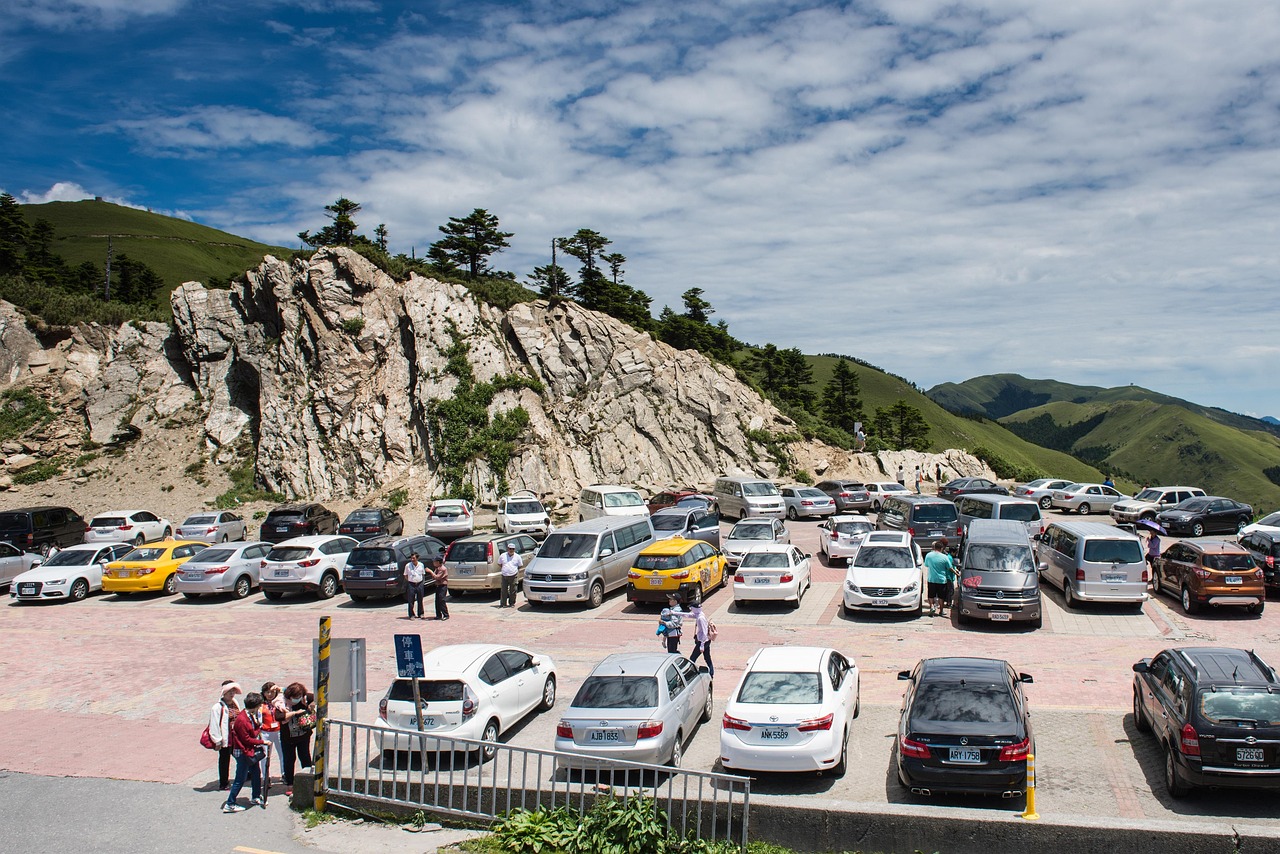
Running cost is not only electricity. Parking time, tire price, insurance category, maintenance, and repair downtime all count. A car that fits into a small space near the entrance can save real time every week. City drivers know this well: sometimes the most useful feature is simply finding a parking spot.
Resale and Parts Planning
Before buying, ask how many units already run in your country or region. A larger local user base usually means easier parts supply and stronger resale confidence. If you are among the first buyers in a market, negotiate spare parts before shipment. Extra brake pads, filters where fitted, lamps, charging cables, and trim pieces are low-cost backup stock.
FAQ
Q1: Is the Wuling Hongguang Mini EV a Good First EV? A: Yes, if your driving is mostly short, urban, and low speed. It is simple, affordable, and easy to park. It is not a strong choice as the only family car for long highway trips.
Q2: What Is the Current Range of the Wuling Hongguang Mini EV? A: The current fifth-generation Chinese specification lists 205 km and 301 km CLTC range options. Real-world range will vary with speed, weather, load, and driving style.
Q3: Does the Wuling Hongguang Mini EV Support Fast Charging? A: The fifth-generation specification lists DC fast charging from 30% to 80% in 35 minutes. Always confirm the charging port and voltage setup for your local market before buying.
Q4: Can You Import the Wuling Hongguang Mini EV to Any Country? A: Not automatically. You need to check local vehicle classification, safety standards, lighting rules, emissions paperwork for EVs, registration rules, and after-sales support.
Q5: Is the Wuling Hongguang Mini EV Better Than a Used Gasoline Car? A: For short city trips, it can be cheaper and easier to use. For long drives, heavy loads, or high-speed roads, a larger used gasoline car may still be more practical.