
Why Is Wind Electricity Worth a Serious Look Now?
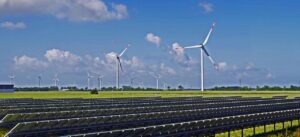
Wind electricity has moved from a specialist energy topic to a practical power choice for factories, farms, ports, utilities, and remote sites. If you are planning a clean energy project, wind deserves a place in the early review because it can generate a large amount of power without fuel cost after the system is running.
Mature Power Source
Wind power has been used in very different markets, from wide U.S. plains to coastal Europe and high-wind regions in Asia. The working idea is simple, but the equipment is real industrial hardware, not a light-duty machine.
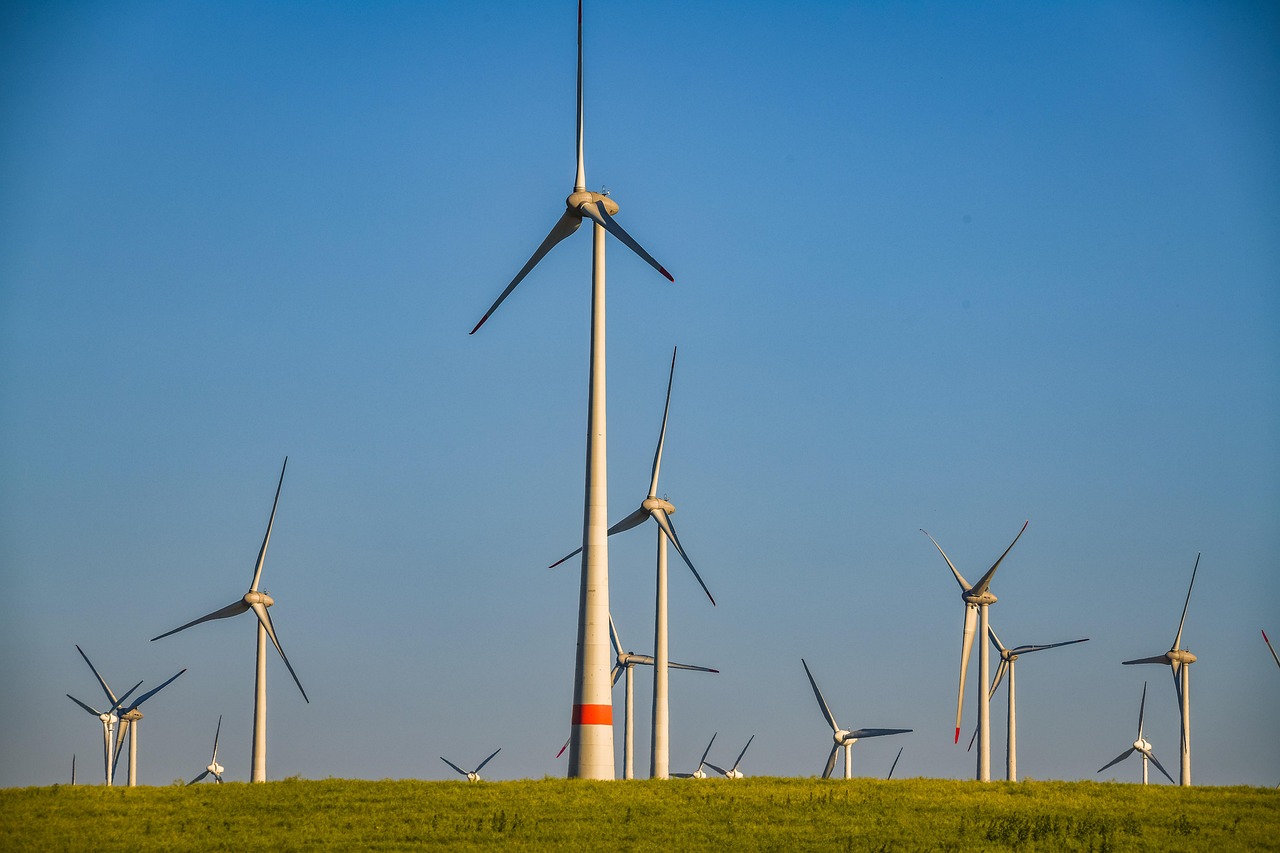
A turbine stays outdoors for years and deals with changing wind, rain, salt spray in coastal zones, and sudden grid events. This is why blade design, tower strength, generator quality, and control systems matter more than a clean-looking sales brochure.
Fast-Growing Market
Public data shows steady growth. The Global Wind Energy Council reported in its Global Wind Report 2025 that the world installed 117 GW of new wind capacity in 2024.
That number matters because wind is not a small trial technology anymore. It is now part of normal power planning, especially in places where land, grid access, and stable policy are in place.
Useful Fit for Mixed Energy Plans
Wind does not need to carry every load by itself. In many projects, it works beside solar, storage, diesel backup, or the utility grid.
This kind of mix can lower fuel use, reduce exposure to price changes, and support a cleaner energy profile. The International Energy Agency said in Renewables 2023 that solar PV and wind are expected to account for most renewable expansion through 2028, which is why many buyers now compare both before signing equipment orders.
How Does Wind Electricity Turn Moving Air into Usable Power?
A wind project may look like a row of tall towers, but each turbine is a chain of energy conversion steps. Air moves, blades turn, the drivetrain transfers force, and power electronics prepare electricity for use. When the parts are matched well, the user only sees stable output. Most of the hard work happens at the top of the tower.
Rotor Blades Capture Kinetic Energy
Blades are shaped much like aircraft wings. As wind passes over them, pressure changes create lift, and the rotor turns.
Longer blades sweep a larger area, so they can catch more energy from the same wind speed. This is why modern onshore turbines often use much larger rotors than older models, and it also helps at moderate-wind sites, not only in very windy places.
Generator Converts Rotation into Current
The rotor drives a generator through a gearbox or a direct-drive system, depending on turbine design. The generator changes mechanical movement into electrical energy.
From there, converters, transformers, and protection devices prepare the output for the local grid or an internal power system. It sounds tidy on paper, but field performance still depends on alignment, cooling, cabling, and control settings.
Controls and Grid Equipment Keep Power Stable
Turbines do not simply spin as fast as possible. Pitch systems adjust blade angle, yaw systems point the nacelle into the wind, and brakes protect the machine during unsafe conditions.
Grid equipment also checks voltage, frequency, and faults. For a business site, this part can be just as important as the turbine because a cheap machine with weak controls can cause nuisance trips and lost production time.
What Makes Wind Electricity Cost-Competitive?
Cost is usually the question that decides whether a wind plan moves from a meeting room to a purchase order. The price is not only the turbine. You also need to check civil works, transport, cranes, grid connection, service access, permits, and expected annual energy. A lower equipment price can still lead to a poor project if the site is wrong.
Lower Onshore Costs
IRENA reported in Renewable Power Generation Costs in 2024 that onshore wind kept its place as one of the lowest-cost new power sources globally, with a global weighted-average levelized cost of about USD 0.034 per kWh in 2024. This figure is an average, not a fixed result for every project.
Still, it gives buyers a useful benchmark when they compare wind with diesel generation, grid tariffs, or other renewables. The final cost depends on the site, the grid connection, and how the project is built.
Scale and Better Turbines
Cost has dropped over time because turbines became larger, supply chains improved, and project teams learned how to build faster. IRENA also notes that from 2010 to 2024, the global weighted-average cost of onshore wind fell sharply.
Bigger rotors, taller towers, better forecasting, and more practical maintenance planning all helped. A technician may still complain about a muddy access road in winter, but the technology itself has become much easier for lenders and owners to accept.
Site Quality Still Sets the Real Price
Wind speed has a large effect on project economics because available energy rises fast as wind gets stronger. Two sites using the same turbine can give very different results.
That is why serious developers measure wind, review nearby weather data, and model wake losses before ordering machines. If reliable public data is not available for a private site, no supplier can honestly claim an exact payback period without a proper assessment.
Where Does Wind Electricity Work Best?
Wind projects work best where the resource, land use, grid access, and local rules line up. A strong breeze alone is not enough. The best sites give the turbine clean airflow, safe setbacks, good soil conditions, and a practical path to connect power. You also need people nearby who can maintain the equipment, because even reliable turbines need planned service.
Open Land and Strong Wind Corridors
Open plains, ridgelines, and agricultural areas can work well because airflow is less blocked by buildings and trees. Turbulence reduces output and can add stress to equipment.
A small hill, a tree line, or a warehouse can make airflow messy. This is one reason a turbine location should be checked with both data and an on-site visit, not only a map.
Coastal and Offshore Locations
Coastal and offshore areas often have strong, steady wind. Offshore projects can use very large turbines and avoid some land limits, but they also bring higher costs for foundations, vessels, cables, corrosion protection, and maintenance. See also: clean energy.
GWEC reported that offshore wind reached about 83 GW of installed capacity globally by the end of 2024. The opportunity is real, but the project team must be ready for marine conditions from the start.
Commercial Sites with Grid Access
Factories, cold-storage sites, water treatment plants, mines, and logistics parks may use wind to cut purchased electricity when the local resource is good. The key point is to match generation with demand and grid rules.
A windy site with poor interconnection can face curtailment, delays, or extra equipment costs. Before buying, check transformer capacity, protection settings, and export limits with the local utility.
What Should You Check Before Buying Wind Power Equipment?
Equipment choice should come after project screening, not before it. A turbine catalog is useful, but it cannot replace wind data, civil design, and a clear load profile. If you are comparing suppliers, ask for project assumptions in writing. That small step prevents many expensive arguments later.
Wind Resource and Annual Energy Estimate
Ask for an annual energy production estimate that states the wind data source, hub height, assumed losses, turbine power curve, and uncertainty range. Without these details, the number is hard to judge.
Ember found in Global Electricity Review 2025 that wind supplied 8.1% of global electricity in 2024, showing that wind can perform at large scale. But your site is still your site, and global averages do not pay your power bill.
Turbine Size, Tower Height, and Foundation Needs
A taller tower can reach stronger and cleaner wind, but it may need a larger foundation, bigger cranes, and tougher permits. Soil testing matters because the foundation has to carry the load safely for many years.
Transport also matters, especially for long blades on narrow roads. A practical project plan checks turning radius, bridge limits, crane pads, concrete supply, and local noise rules before final equipment selection.
Service Access and Spare Parts
Maintenance planning is not exciting, but it protects revenue. Ask how often service is needed, which spare parts are stocked, how remote monitoring works, and how quickly technicians can reach the site.
A turbine that waits three weeks for a small part is not producing clean power during that time. Good after-sales support can be worth more than a small discount on the purchase price.
- Check measured or modeled wind speed at the planned hub height.
- Review grid connection costs before signing a turbine contract.
- Confirm warranty terms, service response, and spare-part availability.
- Compare expected kWh output, not only rated capacity.
How Can Wind Electricity Fit a Wider Renewable Energy Plan?
Wind often works best as part of a wider system. A practical project balances output, demand, storage, and backup. This is useful for commercial buyers who need steady power, not only a green certificate. The aim is direct: cut energy cost and emissions without making daily operations harder.
Wind and Solar Balance Each Other
Wind and solar can produce at different times. Solar peaks in daylight, while wind may be stronger at night or during certain seasons.
The IEA has forecast that wind and solar together could reach 25% of global electricity generation by 2028 in its main case. For a project owner, hybrid planning can make better use of land, cables, and grid capacity.
Storage Smooths Short Gaps
Batteries can shift excess power into high-demand hours and reduce short drops in output. They cannot fix a badly chosen wind site, but they can improve a good one.
For remote operations, storage may reduce generator runtime and fuel delivery. For grid-connected sites, it can help manage demand charges or export limits, depending on local tariff rules.
Grid Rules Shape the Final Design
Every market has different grid codes, metering rules, and approval steps. Some regions pay for exported power, while others limit export or require extra protection devices.
The U.S. Energy Information Administration reported that wind supplied about 10.5% of U.S. utility-scale electricity generation in 2025, but state rules and interconnection queues still differ widely. Before purchasing, get the grid path checked early.
- Use wind when the site has a clear resource and room for safe setbacks.
- Add solar when daytime load is high and roof or land area is available.
- Add storage when tariffs, backup needs, or export limits support it.
- Keep diesel or grid backup where uptime is mission-critical.
FAQ
Q1: Is Wind Electricity Reliable for Business Use? A: Yes, it can be reliable when the site has a proven wind resource, suitable equipment, good grid design, and regular service. Reliability falls when buyers skip wind studies or choose turbines only by rated capacity.
Q2: How Long Does a Wind Turbine Usually Last? A: Many utility-scale turbines are designed for about 20 to 25 years, though actual life depends on wind conditions, maintenance, corrosion, component quality, and whether major parts are replaced during operation.
Q3: Is Onshore Wind Cheaper Than Offshore Wind? A: In most public cost datasets, onshore wind is cheaper than offshore wind because foundations, installation, cabling, and service are simpler. Offshore wind can still be attractive where wind is strong and large coastal demand exists.
Q4: Can Wind Electricity Work Without Batteries? A: Yes. Grid-connected wind projects often operate without batteries. Storage becomes useful when you need backup, smoother output, lower demand charges, or better use of power that might otherwise be curtailed.
Q5: What Is the First Step Before Buying a Wind System? A: Start with a wind resource check and a load review. Then confirm grid access, permits, land conditions, service support, and total installed cost before you compare turbine prices.