
Solar panel installation is now a normal energy project, not only an environmental upgrade. If you are checking rooftop systems, batteries, and long term bill savings, the solar section can help you start the early research. A sound installation plan matches panel capacity with real electricity use, avoids roof issues, and leaves you with a system that can run with little attention for many years.
This guide covers the main points to check before you sign a contract. It refers to public information from the U.S. Department of Energy, the National Renewable Energy Laboratory, the U.S. Energy Information Administration, the IRS, DSIRE, SEIA, Wood Mackenzie, and the International Energy Agency, with source names and dates kept in the text.
Why Does Solar Panel Installation Matter in 2026?
Solar has moved from a small market product into regular power planning. That still does not mean every roof is ready, or every quote is priced properly. A proper installation brings together energy targets, roof structure, electrical safety, and local rules in one workable plan.
Lower Bills Start with Better Site Planning
Your bill savings depend on how much usable sunlight reaches the array and when your home or business uses power. A south facing roof in a sunny area can make more energy than a shaded roof with the same number of panels. The U.S. Department of Energy notes that location, roof position, shade, and system choice all affect solar potential. It sounds simple, but this is where many weak proposals first start to show problems.
Solar Demand Keeps Moving Up
SEIA and Wood Mackenzie reported in June 2026 that the United States added 7.8 GW of new solar capacity in the first quarter of 2026 and passed 6 million cumulative solar installations. The U.S. Energy Information Administration also reported that small scale solar PV generated about 73.62 billion kWh in 2023, with rooftop systems making up most small scale installations. The point is direct: solar is not a test product anymore. What matters is whether your site, price, and contract are right for the job.
A Good Install Protects the Roof
Panels should not be handled like simple add-ons sitting on shingles. Racking, flashing, wire routing, roof penetrations, wind load, and drainage all affect the roof after the crew leaves. If your roof is close to the end of its service life, replacing it before solar may cost less than removing panels later. The Department of Energy gives the same practical advice: roof age and condition should be checked before a system is installed.
What Should You Check Before Installing Solar Panels?
Before you compare panel brands, look at the building first. This step is plain work: measuring, inspecting, and checking old utility bills. Even so, it often decides whether the system is easy to live with after installation or becomes a source of follow-up work.
Roof Age and Load Capacity
A qualified installer, roofer, or structural engineer should confirm that the roof can support panels, rails, and local wind or snow loads. The Department of Energy recommends checking roof condition and support before going solar. If a roof has ten years of life left and the solar array may last 25 years or more, the timing needs close review. No buyer wants a new array removed only because old shingles failed a few years later.
Shade Roof Direction and Tilt
The Department of Energy says solar panels usually perform best on unshaded, south facing roofs with a slope between 15 and 40 degrees, while southeast to southwest orientations can also work. Chimneys, tall trees, nearby buildings, and small roof peaks can reduce output. One thin shadow across a panel string at the wrong time can cost more production than a quick sales image may suggest. This is why shade review should be based on the real roof, not only on a clean drawing.
Main Panel and Future Loads
Your electrical panel must be able to take the solar connection safely. If you plan to add an EV charger, heat pump, induction range, or battery, say it early. The installer can size the system and electrical work for where your load is going, not only where it was last year. Twelve months of utility bills also help show seasonal use, especially air conditioning peaks or winter heating loads.
How Does the Solar Panel Installation Process Work?
The rooftop work may be quick, but the whole project includes design, permits, utility forms, inspection, and final activation. In real projects, the delay is often not the crew on the roof. It may be a missing signature, a utility queue, or a permit office waiting for one corrected drawing.
Site Survey and System Design
A real survey checks roof planes, attic access, rafters, service panel space, meter location, cable paths, and internet access for monitoring. NREL PVWatts is often used for early production estimates, while final design should use the actual roof shape and shade conditions. A quote should show system size in kW, estimated annual kWh, panel count, inverter type, and any electrical upgrades. If those items are not clear, ask before moving to contract.
Permits Utility Forms and Inspection
Local governments usually require building or electrical permits for rooftop solar, and utilities require interconnection approval before grid operation. The Department of Energy says the installation itself often takes only a few days, but permits and inspections can take weeks to months depending on local rules. That time range is common, and it does not always mean the installer is slow. It is still worth asking who follows up with the permit office and the utility.
Installation Day and Commissioning
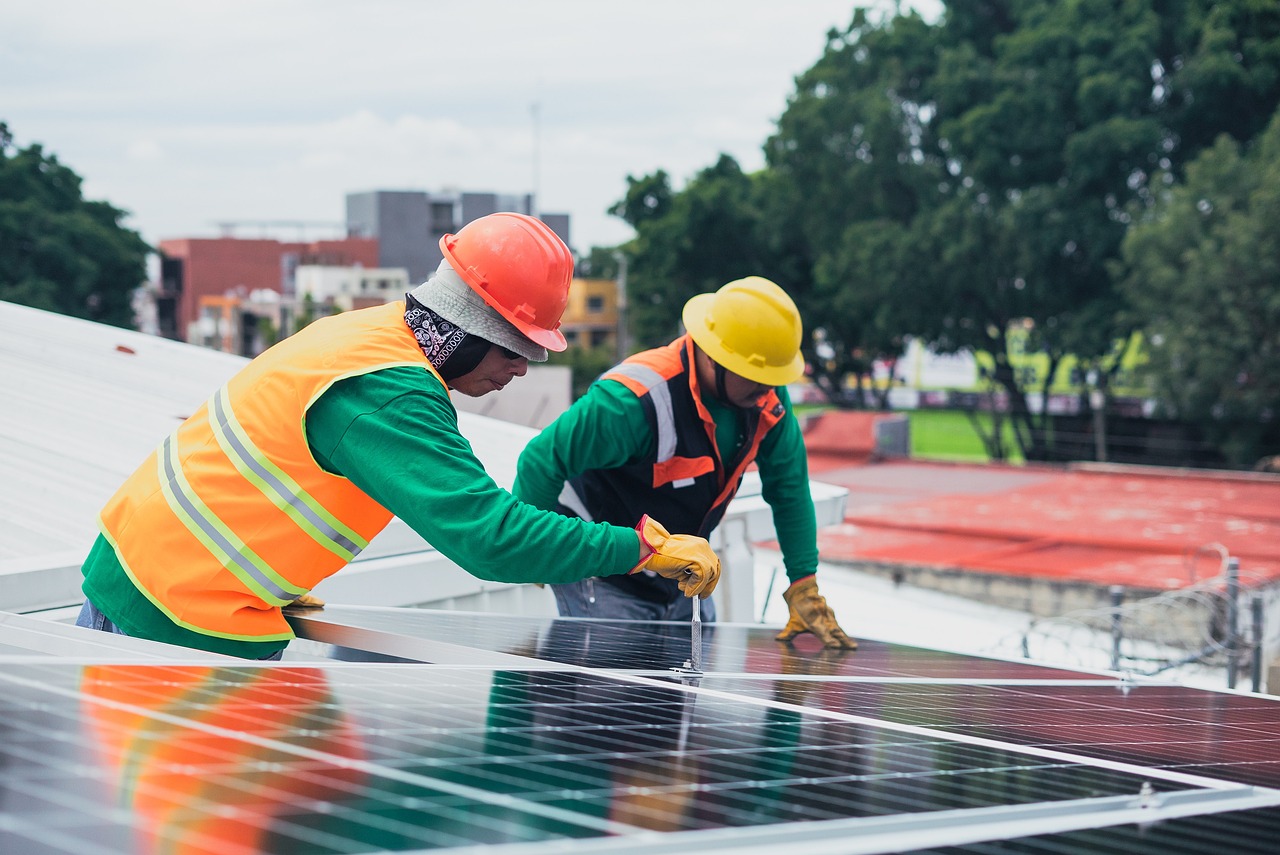
On installation day, the crew mounts rails, installs flashing, places panels, runs conduit, wires the inverter, and labels electrical equipment. After that, a local inspector checks code compliance. The utility then grants permission to operate. Only after that approval should the system export power to the grid. Good installers explain this order clearly, because a finished roof array is not the same as an activated system.
How Much Should Solar Panel Installation Cost?
Cost depends on system size, hardware, roof difficulty, local labor, permits, financing, and battery choice. A low quote can still be costly if it uses poor production assumptions or leaves out required electrical work. A higher quote can be fair when it includes real design work, proper installation, and clear service terms.
System Size and Hardware Choices
The U.S. Department of Energy and NREL Q1 2024 solar cost benchmark used an 8 kWdc representative residential PV system with 400 watt modules at 21.1% efficiency. The same benchmark listed a 2024 market price of about $3.15 per watt dc for residential PV only, before incentives, in 2023 dollars. In plain terms, an 8 kW system at that benchmark is about $25,200 before site specific changes. Your local market can come in higher or lower.
Labor Permits and Soft Costs
Panels are only one part of the price. You also pay for design, racking, inverters, wire, conduit, monitoring, permits, inspection handling, customer support, and installer margin. Complex roofs cost more because the work takes more time and care. A steep two story roof with clay tiles is a different job from a simple asphalt roof with open access. Commercial projects add more engineering, safety planning, and utility review. See also: clean energy.
Incentives Payback and Real Bill Savings
Tax and rebate rules change, so do not rely on old sales sheets. As of the IRS residential clean energy credit page published in July 2026, the U.S. 30% residential clean energy credit applied to qualified property installed from 2022 through December 31, 2025 and is not available for property placed in service after December 31, 2025. For current projects, check active local and utility programs. DSIRE states that it tracks federal, state, local, and utility incentives across the United States. For payback, use your actual utility rate, net metering rules, and expected annual production instead of a general national claim.
Which Equipment Choices Matter Most?
Good equipment should fit the roof, the grid rules, and your use pattern. The highest watt panel is not always the best system choice. You need to balance output, warranty, service access, and the risk of replacement later.
Panels Inverters and Racking
Most residential panels use crystalline silicon solar cells. The Department of Energy notes that these modules can last 25 years or more while still producing more than 80% of original power. Inverters may be string inverters, string inverters with power devices, or microinverters. Racking should match the roofing material and local weather. On a windy coast or snowy mountain site, mounting quality matters as much as panel wattage.
Batteries and Backup Loads
A battery can store excess solar and run selected circuits during an outage, but it increases the budget. The DOE and NREL Q1 2024 benchmark used a 13.5 kWh battery for a representative residential PV plus storage system and showed a market price of about $5.19 per watt dc for PV plus storage. Decide what you actually need backed up: refrigerator, WiFi, lights, garage door, medical equipment, or the whole home. Whole home backup usually costs much more, so it should be priced as a separate choice, not assumed by default.
Monitoring Warranties and Service Access
Monitoring lets you see daily production and notice faults. Ask who checks alerts, who answers service calls, and what happens if an inverter fails in year eight. Panel warranties, inverter warranties, roof workmanship warranties, and production guarantees are different documents. Read them before signing. It is not exciting work, but it is cheaper than guessing when something stops working.
How Can You Choose a Solar Installer with Less Risk?
The installer makes the difference between a system that runs quietly and a project that turns into emails, callbacks, and blame between parties. Price matters, but the lowest number on the page should not be the only reason you sign.
Licenses Insurance and Training
Ask for electrical licensing, contractor registration, insurance, and local experience. The Department of Energy says installers or crews should have proper training and certification, with requirements varying by location. For commercial sites, ask about safety plans, roof access rules, shutdown procedures, and experience with your utility. These checks are basic, but they prevent many avoidable problems.
Clear Production Estimates and Scope
A serious proposal should state system size, expected first year production, panel model, inverter model, racking type, roof attachments, monitoring platform, permit handling, interconnection scope, and excluded costs. If tree trimming, roof repairs, main panel upgrades, or trenching are not included, the quote should say so. Vague proposals make disputes easy because both sides may assume different scopes. Clear scope also helps you compare quotes without guessing what is missing.
Red Flags in Contracts and Sales Claims
Be careful with guaranteed savings that ignore utility rate changes, net metering limits, or your actual consumption. Also watch for pressure tactics, unclear financing fees, and claims that a system is free. Solar can be a good purchase, but it is still a construction and electrical project. Treat it with the same care you would give a roof replacement or major HVAC upgrade.
FAQ
Q1: How Long Does Solar Panel Installation Take? A: The rooftop work often takes one to three days for a typical home. Permits, inspection, and utility approval can add weeks or months, according to U.S. Department of Energy guidance.
Q2: How Many Solar Panels Do You Need? A: You need enough panels to match your annual kWh use, roof space, sunlight, and budget. Start with 12 months of bills, then compare the proposed annual kWh output with your real usage.
Q3: Is a Battery Needed for Every Solar Panel Installation? A: No. A grid tied system can work without a battery. Add storage if you want backup power, better self consumption, or more control during peak rate periods.
Q4: What Roof Type Is Best for Solar Panels? A: An unshaded roof with strong structure, good remaining life, and a south, southeast, or southwest orientation is usually a strong candidate. Tilt between 15 and 40 degrees often works well.
Q5: What Should You Ask Before Signing a Solar Contract? A: Ask about licenses, equipment models, annual production estimates, roof warranty, monitoring, permit responsibility, utility approval, financing terms, and every cost that is not included.