
Technology Changes in U.S. Wind Industry Help Slow the Impacts of Aging on Wind Power Plants
The U.S. wind industry is entering a new phase where technology is not only increasing output but also extending the lifespan of existing assets. Modern wind turbine systems now last longer, cost less to maintain, and deliver higher capacity factors than those built two decades ago. This transformation is driven by advances in materials, digital monitoring, and control algorithms that reduce wear and fatigue. Repowering programs and artificial intelligence are further helping operators keep older wind farms competitive. The result is a more resilient fleet capable of sustaining performance well beyond its original design life.
Technological Advances Extending the Lifespan of Wind Turbine Systems
As turbines age, the focus shifts from installation to preservation. New engineering strategies are targeting structural endurance and operational efficiency to slow degradation across fleets.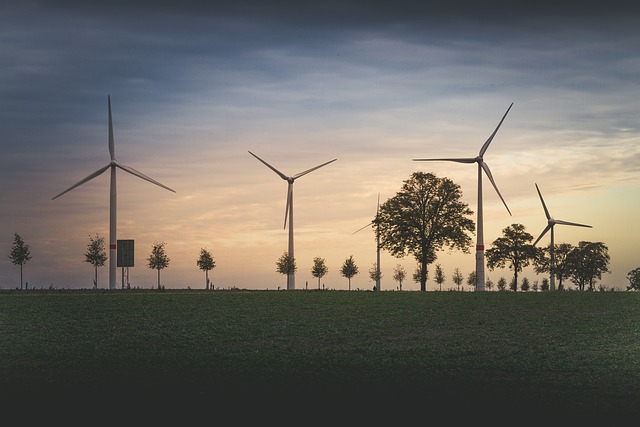
The Evolution of Wind Turbine Design in the U.S.
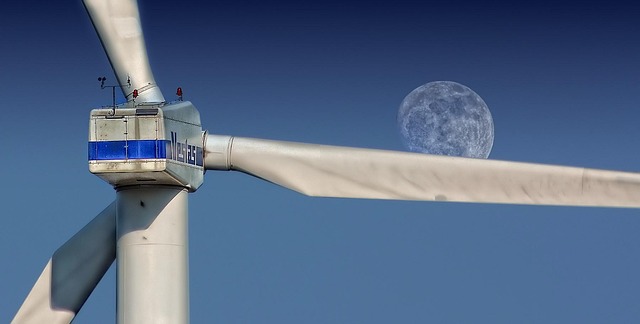
Modern turbines have evolved from small-scale prototypes into highly engineered machines with larger rotors that capture more energy per rotation. These designs use advanced composites for blades and modular nacelles that simplify maintenance tasks. Larger rotor diameters also improve aerodynamic efficiency, reducing structural stress during turbulent wind conditions. The shift toward modular architecture allows operators to replace specific components rather than entire assemblies, cutting both costs and downtime.
Material Science Innovations in Turbine Components
Material science plays a decisive role in how long a wind turbine system can operate effectively. Composite materials now dominate blade manufacturing because they resist fatigue and corrosion better than metals once used in early turbines. Advanced coatings protect against erosion from rain, sand, or ice particles—conditions that previously shortened blade life in coastal or desert sites. Researchers are also developing recyclable thermoplastic composites to make end-of-life recycling more feasible, aligning with sustainability goals set by international standards such as ISO 14040 on life cycle assessment.
Digitalization and Predictive Maintenance in Aging Wind Farms
Digital transformation has changed how operators track and repair turbines. Instead of reactive maintenance cycles, predictive analytics now guide interventions based on real-time data streams.
The Role of Data Analytics in System Health Monitoring
Supervisory Control and Data Acquisition (SCADA) systems collect thousands of data points per second from each turbine—vibration levels, power curves, gearbox temperatures, and more. Integrating this data with machine learning models allows engineers to detect subtle anomalies before they cause failures. AI-driven algorithms can forecast component wear months ahead, enabling scheduled repairs during low-wind periods to minimize lost production hours.
Sensor Technologies for Condition-Based Maintenance
Sensor networks have become indispensable for extending turbine life. Vibration sensors identify imbalance or bearing degradation early on; thermal sensors catch overheating gearboxes; acoustic sensors detect cracks forming within blades long before visual inspection would notice them. Remote monitoring platforms aggregate these signals into dashboards accessible from control centers hundreds of miles away. Combining multiple sensor types through data fusion provides a holistic view of each turbine’s mechanical health.
Control System Upgrades to Enhance Efficiency and Longevity
Even older turbines can gain new life through software upgrades that refine how they respond to changing winds and grid demands.
Advanced Control Algorithms for Load Management
Adaptive pitch and yaw controls dynamically adjust blade angles to balance aerodynamic loads across the rotor plane. This minimizes stress on drivetrain components such as gearboxes and bearings—two of the most failure-prone elements in any wind turbine system. Real-time optimization smooths torque fluctuations during gusty conditions, reducing fatigue accumulation over years of operation.
Grid Integration Improvements Supporting Older Assets
As grid codes evolve, legacy turbines must adapt to stricter voltage and frequency standards. Retrofitting converters enhances power quality while providing better reactive power control during voltage dips or surges. Modern controllers allow older turbines to participate more flexibly in grid stabilization efforts, extending their economic relevance even as newer models come online nearby.
Repowering Strategies and Component Replacement Programs
When turbines approach midlife—typically around 15–20 years—operators face a choice: retire or repower. Repowering has emerged as a practical way to extend asset value without full replacement.
Partial Repowering as a Cost-Efficient Life Extension Strategy
Partial repowering involves replacing key components like rotors or nacelles while keeping existing towers and foundations intact. This approach raises annual energy production by up to 25 percent while avoiding full decommissioning expenses. Updated subsystems bring older units closer to modern performance benchmarks at roughly half the capital cost of building new ones.
Full Repowering for Long-Term Asset Renewal
Full repowering replaces entire turbines using existing grid connections and access roads—a strategy increasingly favored at mature U.S. sites built before 2010. Newer machines generate more energy per unit area while requiring fewer service visits thanks to improved reliability metrics reported by IEA Wind Technology Collaboration Programme studies. Regulatory incentives at both state and federal levels further encourage repowering over greenfield development due to reduced permitting complexity.
The Role of Artificial Intelligence in Performance Optimization
Artificial intelligence now drives decision-making across every stage—from predicting failures to automating field operations—making it central to fleet longevity management.
AI-Based Predictive Models for Turbine Aging Analysis
AI models trained on years of operational data can identify degradation trends across thousands of turbines simultaneously. These insights help asset managers decide when refurbishment yields better returns than replacement. Continuous learning frameworks refine predictions as new datasets accumulate, improving accuracy over time without additional manual calibration.
Autonomous Systems for Maintenance Planning and Execution
Drones equipped with high-resolution cameras inspect blades for micro-cracks or surface erosion faster than human crews could climb towers manually. In harsher environments such as offshore farms, robotic crawlers perform precision cleaning or small repairs autonomously, reducing safety risks for technicians while maintaining uptime targets above 97 percent fleetwide.
Future Directions in Extending Wind Farm Lifecycles
The next frontier lies not only in better materials or smarter software but also in system integration across technologies and industries.
Integration of Hybrid Energy Systems to Reduce Operational Stress
Pairing wind farms with battery storage systems helps smooth output variability caused by sudden gusts or lulls, easing mechanical strain on drivetrains and stabilizing grid supply during ramp events. Hybrid configurations combining solar generation further distribute load cycles across equipment throughout the day.
Policy, Research, and Industry Collaboration Driving Innovation
Federal R&D programs continue funding prototype testing for next-generation blades using bio-based resins or modular segmented designs that simplify transport logistics inland. Collaboration between manufacturers, utilities, universities, and research labs accelerates adoption timelines for these innovations while standardized data-sharing protocols under IEC TC88 enhance collective insight into long-term aging mechanisms across global fleets.
FAQ
Q1: How long can modern U.S. wind turbines operate efficiently?
A: Many current models are designed for 25–30 years but may operate longer with targeted upgrades such as control software updates or partial repowering projects.
Q2: What is the main benefit of predictive maintenance?
A: It allows operators to fix issues before breakdowns occur, reducing unplanned downtime by up to 40 percent according to several IEA case studies.
Q3: Why are composite materials preferred for blades?
A: They offer higher strength-to-weight ratios and resist environmental degradation better than steel or aluminum alternatives used historically.
Q4: How does AI help manage aging fleets?
A: AI analyzes large datasets from SCADA systems to predict wear patterns, optimize maintenance timing, and support investment planning decisions.
Q5: What drives repowering decisions today?
A: Economic modeling shows repowered sites often double their annual output while lowering operating costs compared with continuing old turbines beyond design life limits.