
Unexpected Green Energy ’Hotspots’ Emerge in North as Industry Supports 225,000 Jobs
The northern regions of the UK have become unexpected centers for the green energy business, reshaping the national energy map. Once dominated by heavy industries, these areas now lead in offshore wind, hydrogen, and bioenergy. This transformation is not just environmental—it’s economic. Over 225,000 jobs are now tied to renewable projects, driving local prosperity and skills renewal. Supported by government incentives and private investment, northern England is evolving into a powerhouse of clean technology innovation and sustainable infrastructure.
Emerging Green Energy Clusters in the North
Northern England’s energy profile is shifting faster than many anticipated. Cities like Hull, Teesside, and Aberdeen are witnessing a surge in renewable investments that rival traditional industrial sectors.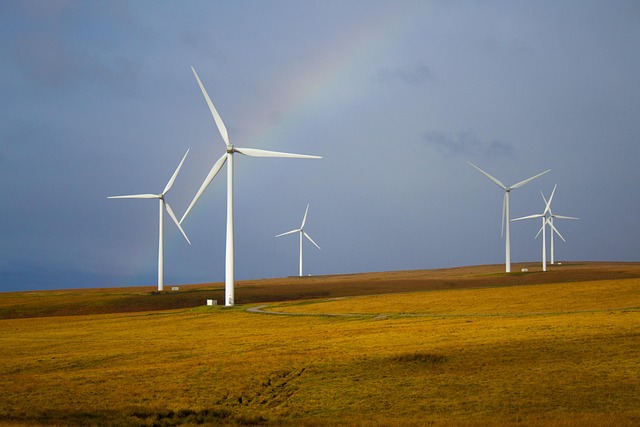
Regional Shifts in the UK’s Energy Landscape
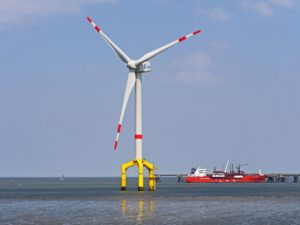
Northern regions are becoming focal points for renewable energy investment as investors look beyond London and the South East. The economic diversification is fueled by offshore wind farms along the North Sea coast, hydrogen production hubs in Teesside, and bioenergy plants across Yorkshire. Public-private partnerships have been essential in building ports, research facilities, and grid infrastructure that support this expansion.
Key Drivers Behind Northern Green Energy Expansion
Access to vast coastal resources gives northern regions an advantage in offshore wind logistics. Existing industrial sites provide ready-made infrastructure for hydrogen conversion and storage. Strategic government incentives—particularly those tied to levelling-up policies—encourage balanced regional growth. Growing investor confidence reflects both strong policy signals and proven project performance across renewable sectors.
Economic Impact of the Green Energy Business on Northern Regions
The economic effects of the green energy business extend far beyond direct employment. They influence education systems, supply chains, and local enterprise ecosystems that underpin long-term prosperity.
Employment Growth and Workforce Transformation
The sector supports approximately 225,000 jobs across engineering, logistics, research, and maintenance roles. Many workers have transitioned from traditional oil or coal industries into renewable-focused careers through reskilling programs. Training centers now emphasize offshore safety standards, turbine maintenance techniques, and hydrogen process management to align with emerging technologies.
Supply Chain Development and Local Enterprise Participation
Specialized suppliers have emerged to serve wind turbine component manufacturing, hydrogen storage systems, and battery module assembly. Small and medium enterprises participate actively in these supply chains, reinforcing local economies through high-value contracts. Collaboration between manufacturers, logistics providers, and universities strengthens innovation while keeping economic benefits within regional boundaries.
Infrastructure Investments Supporting Green Energy Growth
Infrastructure remains a cornerstone of northern green energy expansion. Without efficient ports or modern grids, large-scale renewables could not operate effectively or attract sustained capital inflows.
Port Redevelopment and Offshore Wind Logistics
Ports such as Hull’s Alexandra Dock have been redeveloped to handle turbine assembly yards and maintenance bases. Enhanced logistics corridors connect coastal production sites with inland distribution networks via upgraded rail links. Digital monitoring systems embedded across port operations improve scheduling accuracy and reduce downtime during component transfers.
Grid Modernization and Storage Capacity Expansion
Transmission networks are being upgraded to handle variable renewable output from offshore installations. Investment in large-scale battery storage facilities stabilizes power flows during peak demand fluctuations. Smart grid technologies allow real-time management of distributed assets across multiple counties—an essential step toward achieving reliable low-carbon supply chains.
Innovation Ecosystems Fueling the Northern Green Economy
Innovation ecosystems form the intellectual backbone of northern decarbonization efforts. They bring together academia, startups, venture capitalists, and established industry players under shared sustainability goals.
Research Hubs and University Collaboration
Universities across Leeds, Durham, and Newcastle lead research into hydrogen fuel cells, carbon capture systems, and marine engineering solutions for floating turbines. Joint ventures between academic institutions and private firms accelerate commercialization cycles from prototype to market-ready technology. Knowledge transfer initiatives ensure that discoveries translate into regional competitiveness rather than isolated academic outputs.
Startups and Venture Capital in Renewable Technology Development
Early-stage companies concentrate on advanced materials for lighter turbine blades or automated inspection drones that reduce maintenance costs offshore. Venture capital funding increasingly targets scalable clean-tech solutions with export potential beyond Europe. Incubators provide mentorship programs alongside prototyping labs where new ideas can be tested before full-scale deployment.
Policy Frameworks Shaping Northern Renewable Growth Trajectories
Policy stability is one of the most decisive factors behind sustained investor confidence in the green energy business across northern England.
National Strategies Driving Regional Decarbonization Goals
Alignment with the UK’s net-zero strategy ensures that regional projects fit within broader national objectives for emissions reduction by 2050. Local authorities implement tailored sustainability roadmaps focusing on industrial decarbonization clusters around Teesside or Humber Estuary zones. Long-term policy certainty helps attract international investors seeking predictable regulatory environments for multi-decade commitments.
Funding Mechanisms and Public Incentives for Green Projects
Government grants support early-stage feasibility studies while tax reliefs encourage private developers to commit capital at construction phase. Green bonds issued by public agencies finance large-scale infrastructure such as grid interconnectors or port upgrades without overburdening taxpayers. Transparent permitting processes shorten approval timelines—a vital factor when competing globally for clean-tech investment flows.
Future Outlook for Northern Green Energy Expansion
Looking ahead, technological progress will continue redefining what’s possible for northern renewables—from smarter digital integration to expanded export capabilities.
Projected Trends in Technology Adoption and Export Potential
Offshore wind capacity expansion positions northern ports as export hubs for turbine components destined for continental markets. Hydrogen production clusters could become central pillars of national decarbonization strategies as heavy transport sectors pivot away from diesel fuels. Digital integration will further enhance asset performance monitoring across all renewable assets through predictive analytics platforms.
Challenges and Opportunities Ahead for Sustained Growth
Balancing rapid industrial growth with environmental stewardship remains essential to maintaining community support near project sites. Addressing grid constraints will be critical as generation capacity outpaces transmission upgrades in several regions. Continued collaboration among government bodies, universities, investors, and local enterprises will determine whether current momentum translates into enduring global competitiveness for Britain’s northern economy.
FAQ
Q1: Why has northern England become a hotspot for green energy business?
A: The combination of coastal access for offshore wind farms, existing industrial land suitable for redevelopment, and targeted government incentives has made northern England ideal for renewable investment growth.
Q2: How many jobs does the green energy sector currently support?
A: Approximately 225,000 jobs are supported nationwide within renewables-related fields including engineering, operations maintenance, research development roles.
Q3: What role do universities play in supporting this transition?
A: Universities contribute through advanced R&D programs focused on hydrogen fuel cells carbon capture offshore engineering while also training future technical specialists required by industry partners.
Q4: Which infrastructure projects are most critical right now?
A: Port redevelopments enabling turbine assembly logistics efficiency plus grid modernization projects integrating battery storage systems remain top priorities supporting continued capacity growth.
Q5: What challenges could slow future expansion?
A: Grid bottlenecks environmental permitting delays workforce skill shortages may constrain pace though ongoing collaboration among stakeholders aims to mitigate these risks effectively.