
Why Does Wind Power Still Matter in 2026?
Wind power is not the newest clean energy topic anymore, but it is still a solid choice when the site is right. If you are checking renewable systems for a factory, farm, utility program, or export energy project, this wind power guide gives you a direct way to read the market without relying on sales slides. The basic point is simple: wind can still beat solar or gas, but only when the wind resource, grid access, and contract terms work together.
Record Installations Show Market Trust
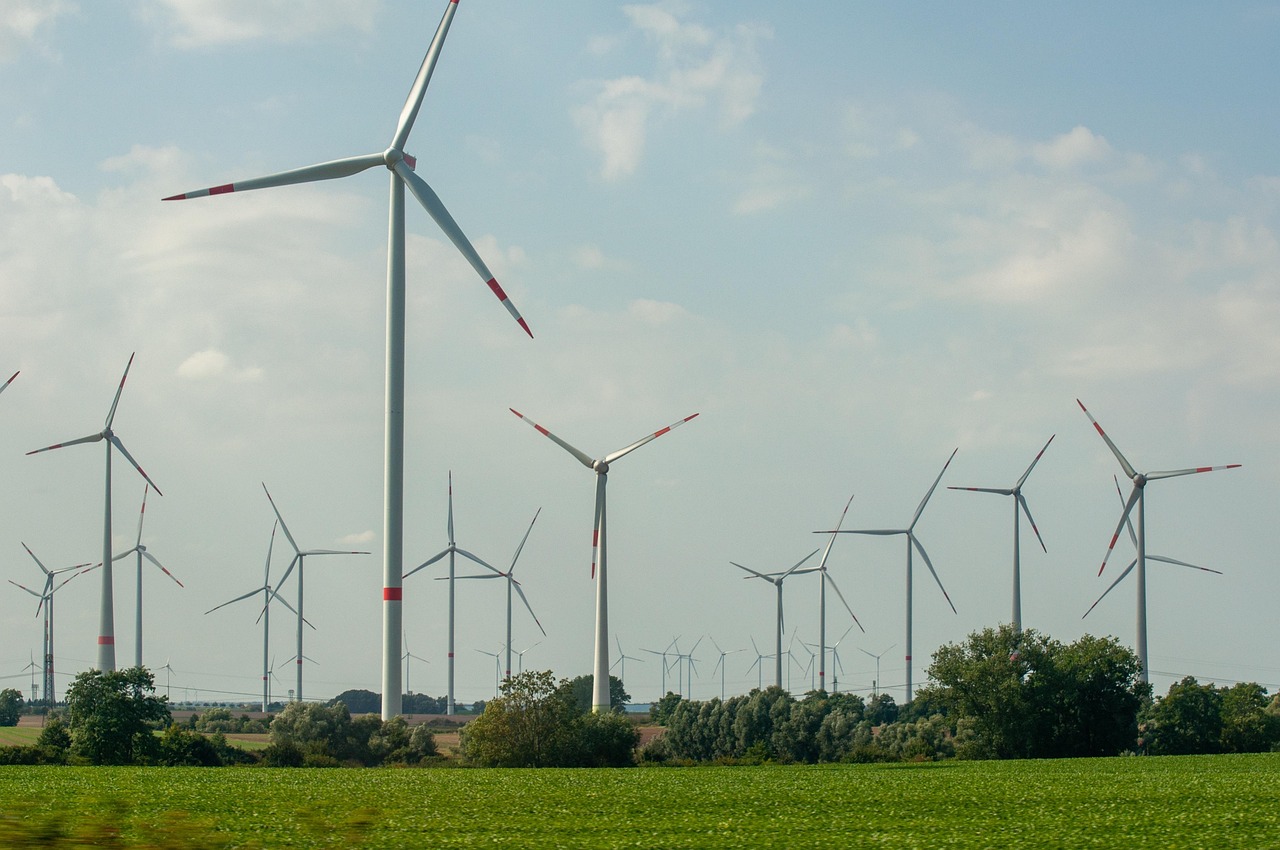
The global market is still growing at a strong pace. GWEC’s Global Wind Report 2026 says wind added 165 GW in 2025, the highest annual number for the industry, bringing global installed wind capacity to 1,299 GW across all continents.
The report also says 57 countries installed turbines in 2025. For a buyer, the message is practical: this is a proven market with a wide supplier base, not a trial technology still waiting for acceptance. Source: GWEC Global Wind Report 2026. (gwec.net)
Wind Works When Solar Sleeps
Solar performs well around midday, but many buyers still need power after sunset. On a coastal site or open plain, a windy evening can be worth more than a strong solar noon if daytime demand is already covered.
That does not make wind a cure-all. It gives a different production curve, and that curve can reduce the storage or backup power needed for some loads.
Maturity Lowers Execution Guesswork
Modern wind projects now come with known design rules, service plans, remote monitoring, and clear safety practices. This helps when a lender, insurer, or procurement team starts asking detailed questions.
You still need proper engineering. A turbine is not a garden fan, and a poor road layout can turn a good wind resource into a hard project. Even so, the working process is much clearer than it was twenty years ago.
How Does Wind Power Compare With Solar and Gas?
There is no single winner for every site. Solar can be faster to build. Gas can be easier to dispatch. Wind can provide low-cost bulk power where the wind resource is strong. A serious comparison should begin with the load profile, then move to land, grid capacity, permitting, and financing. If that work is skipped, the lowest headline price can become an average project very quickly.
Onshore Wind Can Win on Cost
IRENA’s 2026 cost report says that in 2025 onshore wind fell to USD 33/MWh, offshore wind to USD 78/MWh, while solar PV stayed at USD 44/MWh. The same report says more than 90% of utility-scale renewable projects commissioned in 2025 produced power below the cost of the cheapest new fossil fuel plant in their market.
The takeaway is clear enough for procurement teams: onshore wind remains a cost leader when the wind resource is strong and financing is reasonable. Source: IRENA Renewable Power Generation Costs in 2025. (irena.org)
Solar Often Wins on Speed
Solar is often easier to install on rooftops, brownfield land, carports, or simple utility sites. Modules are modular, crews are easier to find, and permitting can take less time.
The limit is that solar output is packed into daylight hours. If your factory runs three shifts or your cold storage load rises after dark, wind may give better hourly value. A good buyer compares delivered value, not just installed watts.
Gas Still Dispatches but Carries Fuel Risk
Gas plants can ramp when power is needed, so grids still use them a lot. In the United States, EIA reports that natural gas supplied about 41% of utility-scale electricity generation in 2025, while wind supplied about 11% and made up 43% of utility-scale renewable generation.
That explains the tradeoff in plain terms: gas is flexible, but it keeps the buyer exposed to fuel prices and emissions rules. Source: U.S. Energy Information Administration, Electricity Explained, 2025 data. (eia.gov)
What Should You Check Before Choosing a Wind Power Project?
A wind project is usually won or lost before the turbine order is signed. The early work is not exciting, but it matters: measurement, maps, grid review, land control, road checks, and neighbor communication. If those steps are weak, even a well-known turbine brand cannot protect the return. Small items, such as the turning radius for blade transport, can become costly later.
Resource Data Comes Before Turbine Size
You should not choose a turbine only because the nameplate rating looks attractive. First check long-term wind speed, turbulence, wind shear, storm risk, and seasonal patterns.
A smaller machine at a cleaner site can beat a larger machine working in rough air. If the project depends on one short measurement period, treat the forecast carefully and ask for the assumptions behind it.
Grid Access Can Make or Break Returns
A good wind site far from transmission may not be a good project. Interconnection cost, curtailment risk, reactive power needs, and local grid upgrades all change the delivered price.
IEA’s Renewables 2025 analysis points to grid connection waits and permitting as barriers for wind growth, even while it forecasts strong expansion. For buyers, grid paperwork is not just admin work. It is part of the asset. Source: IEA Renewables 2025. (iea.org)
Permitting Is a Community Issue
Permitting is not only a folder of forms. It is also a discussion with people who live near the project.
Roads, construction traffic, turbine setbacks, wildlife studies, shadow flicker, and sound limits should be handled early. One difficult town meeting can slow a project more than a missing bolt. Local benefits can help, but they need to be real and easy to explain.
When Does Offshore Wind Make More Sense?
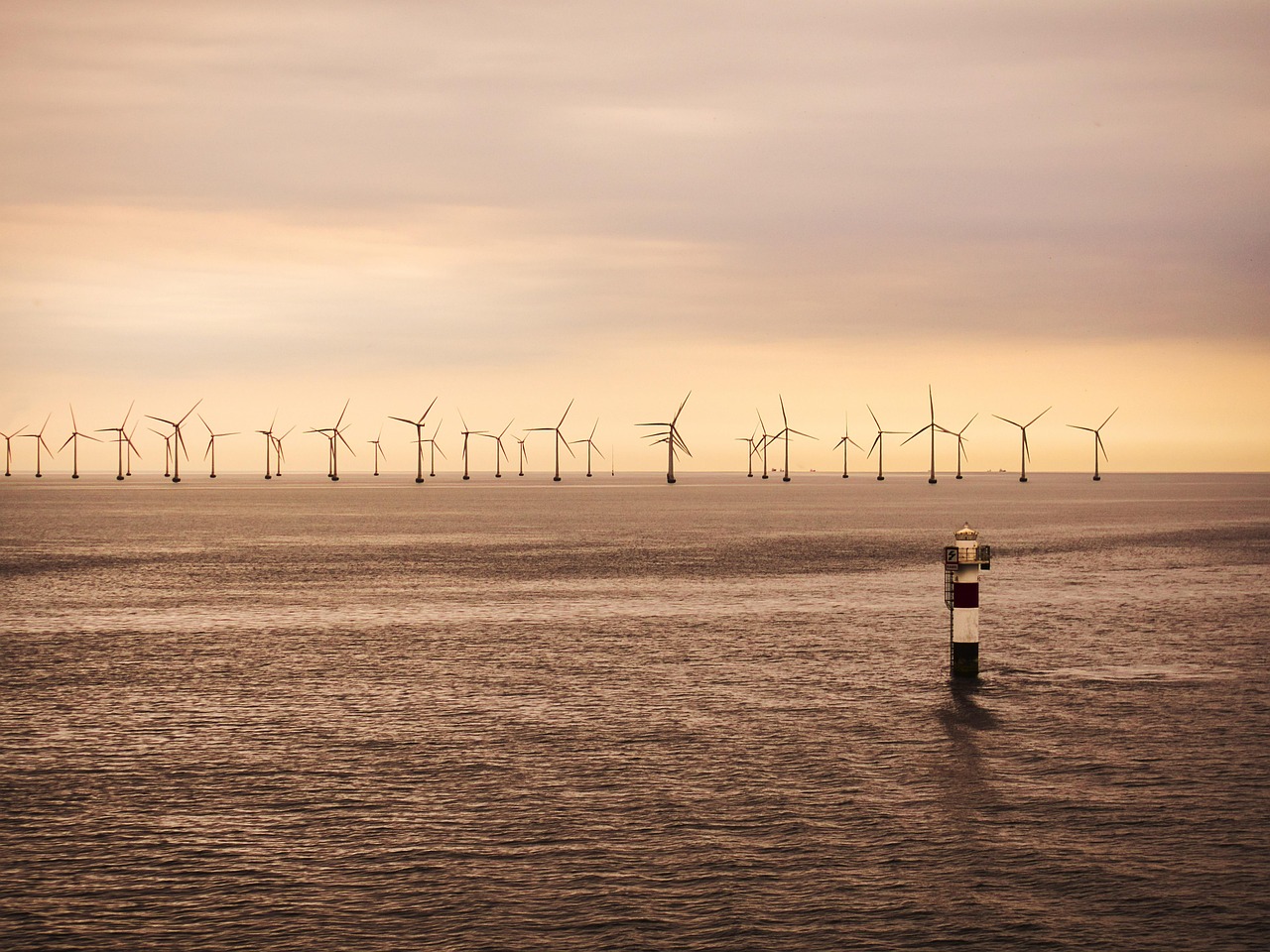
Offshore wind is not just onshore wind placed in water. It uses larger machines, faces harder weather, and depends on specialized vessels, subsea cables, port capacity, and more difficult repair work. That is why it costs more. It can still make sense where coastal demand is high, land is limited, and governments support long-term power offtake. See also: clean energy.
Dense Coastal Loads Can Justify Higher Cost
Large cities, ports, desalination plants, green hydrogen projects, and coastal industrial zones often sit close to strong offshore wind resources. Bringing power from the sea can reduce land conflict and place generation closer to demand.
The value is not only turbine output. It is also the location, the project size, and the chance to build large capacity where land options are limited.
Ports and Vessels Drive the Schedule
Offshore schedules depend on port cranes, blade storage areas, cable vessels, jack-up vessels, weather windows, and trained crews. If one link is missing, the whole plan can move back.
A buyer should ask plain questions about installation sequencing, spare parts, and vessel booking. These questions may sound boring, but they save money. They also keep board meetings calmer, which is never a bad thing.
Offshore Buyers Need Better Contract Discipline
Offshore projects have faced pressure from inflation, interest rates, and supply chain limits in several markets. This does not mean offshore wind is a bad idea.
It means the contract must deal with indexation, delay responsibility, grid connection timing, and force majeure in clear wording. A good project map is not enough. The risk table matters just as much.
How Should You Buy Wind Power Without Paying for Hidden Risk?
You can buy wind through ownership, a power purchase agreement, a utility green tariff, or renewable certificates linked to a wider procurement plan. Each route carries a different risk profile. If you only compare price per MWh, you may miss curtailment, imbalance charges, basis risk, maintenance exposure, or weak performance guarantees.
Forecasts Favor Wind but Not Blind Buying
IEA forecasts cumulative onshore wind additions of 732 GW during 2025 to 2030, 45% higher than the previous six-year period. It also projects renewables to rise from 32% of global electricity generation in 2024 to 43% by 2030, with wind providing 30% of the renewable generation increase.
That outlook supports wind procurement. It does not replace due diligence on your own site, grid position, delivery terms, and contract risks.
A Good PPA Reads Like an Operating Plan
A wind PPA should explain what happens on normal days and on bad days. Look closely at settlement point, delivery shape, curtailment rules, availability guarantees, price escalation, change-in-law language, and credit support.
A short checklist is still useful before signing, especially when several offers look similar on the first page.
- Check whether the price is fixed, indexed, or partly merchant.
- Ask who carries congestion and curtailment risk.
- Review performance guarantees and maintenance response times.
- Match the generation profile with your actual hourly load.
Hybrid Design Can Protect Hourly Value
Wind, solar, and storage often work better together than alone. Solar can cover daytime peaks, while wind may add evening, night, or seasonal output.
Storage can smooth short gaps and support grid services. You do not need the fanciest design. You need the design that fits the bill, the meter, and the grid rules. That may look less impressive in a slide deck, but it is often the better business choice.
FAQ
Q1: Is Wind Power Better Than Solar? A: It depends on your site and load. Wind can be better for evening, night, or winter output, while solar often wins on speed, modularity, and simple installation.
Q2: Is Onshore Wind Cheaper Than Offshore Wind? A: Usually, yes. Onshore wind has simpler foundations, easier maintenance, and lower installation costs. Offshore wind can still be useful near dense coastal demand.
Q3: What Is the Biggest Risk in a Wind Project? A: Weak resource data is often the first risk, followed by grid limits, permitting delays, and unclear contract terms. A strong turbine cannot fix a poor site.
Q4: Can a Business Buy Wind Power Without Owning Turbines? A: Yes. Many buyers use PPAs, utility green tariffs, or renewable energy certificates. The key is checking delivery terms and how the purchase matches your load.
Q5: Will Wind Power Keep Growing After 2026? A: Current industry and agency forecasts point to more growth, especially for onshore wind. The best opportunities will still depend on grid access, policy, and local acceptance.