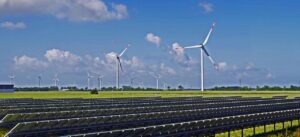

Hawaii Solar Industry Decries Cuts to Renewable Tax Credits
Hawaii’s solar industry faces a pivotal moment as recent tax credit reductions reshape the economics of renewable investment. The state, once a national leader in clean energy incentives, now confronts rising project costs and declining investor confidence. These cuts have devalued solar renewable energy credits (SRECs), altering market behavior and financing structures. While policymakers cite fiscal discipline and market maturity, developers warn that reduced incentives could slow Hawaii’s progress toward its 100% renewable goal by 2045. The debate underscores the tension between budget constraints and long-term sustainability ambitions.
Overview of Hawaii’s Renewable Energy Policy Landscape
Hawaii has long been a laboratory for renewable energy policy in the United States. Its geographic isolation, high fuel costs, and abundant sunlight made it an ideal testing ground for solar adoption. Over time, the state built a layered incentive framework that combined tax credits, SRECs, and net metering to encourage both residential and commercial installations.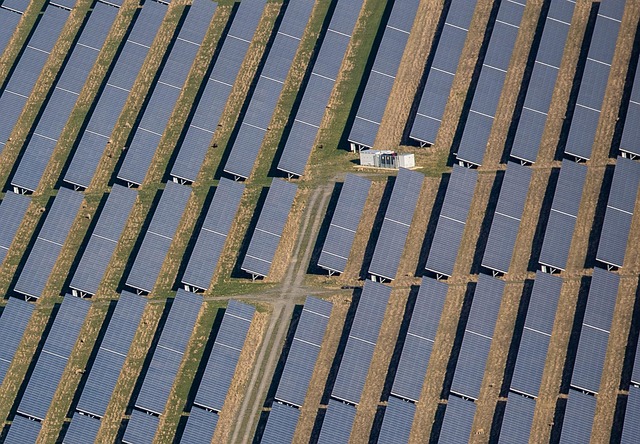
Evolution of Hawaii’s Solar Incentive Programs
From the early 2000s onward, Hawaii positioned itself at the forefront of clean energy transformation. The state’s Renewable Portfolio Standard (RPS) mandated utilities to derive increasing shares of electricity from renewables, culminating in a 100% target by 2045. Within this structure, SRECs became a central mechanism. Each megawatt-hour of solar generation produced tradable credits that utilities could purchase to meet compliance obligations. This system monetized clean generation and rewarded producers for their environmental contribution.
Tax incentives amplified these benefits. Homeowners and businesses received generous state-level credits—up to 35% of installation costs—stacked atop federal Investment Tax Credits (ITC). This combination made solar financially compelling even in high-cost markets like Oahu or Maui.
Recent Tax Credit Reductions and Legislative Context
In recent years, however, Hawaii’s legislature moved to pare back these incentives. The new rules reduce state solar tax credits by nearly half for certain system sizes and tighten eligibility criteria for commercial projects. Lawmakers argue that the cuts reflect a maturing market no longer dependent on heavy subsidies. They also point to budgetary pressures from pandemic-era deficits as justification.
Industry groups reacted sharply. Solar installers warned that reduced credits would stall new installations, particularly among lower-income households unable to absorb higher upfront costs. Utilities expressed mixed views: while some welcomed reduced subsidy burdens, others worried about slowed progress toward RPS milestones.
Economic Implications of Solar Renewable Energy Credit Devaluation
The economic ripple effects extend beyond individual projects. By lowering expected returns on investment, tax cuts have depressed demand for SRECs across secondary markets. Investors now reassess project feasibility under tighter margins.
Market Dynamics Affecting SREC Prices Post-Tax Cuts
SREC prices are highly sensitive to policy signals. When tax support declines, fewer developers enter the market, reducing supply growth but also dampening demand from utilities anticipating slower compliance needs. This dual effect often leads to price volatility rather than stability.
Liquidity in Hawaii’s SREC market has thinned since the credit reductions took effect. Traders report wider bid-ask spreads and fewer long-term contracts as participants hedge against regulatory uncertainty. Investor sentiment remains cautious; many prefer federal-backed projects with predictable returns over local schemes exposed to legislative change.
Impact on Project Financing and Return on Investment
Lower SREC values directly affect financial modeling at the project level. Developers must adjust assumptions about revenue streams from credit sales or offset them with higher electricity tariffs under power purchase agreements (PPAs). For small-scale rooftop systems, payback periods have lengthened by two to three years on average.
Capital costs remain elevated due to shipping logistics and limited labor availability on island grids. With diminished incentives, internal rates of return (IRR) now hover below thresholds typically required by institutional investors or community lenders.
Shifts in Financing Structures Including Power Purchase Agreements (PPAs)
To maintain viability, developers increasingly turn to alternative financing models such as third-party ownership or subscription-based community solar programs. PPAs are being renegotiated with revised pricing formulas reflecting lower SREC income projections. Some financiers bundle storage assets into deals to capture additional value through grid services compensation—an emerging trend reshaping Hawaii’s distributed energy landscape.
Industry Response to Changing Incentive Structures
The industry’s reaction has been pragmatic but uneasy. Developers recognize that policy cycles evolve; nonetheless, they must adapt business models swiftly to survive tightening margins.
Adaptation Strategies Among Solar Developers and Installers
Many firms diversify portfolios by adding battery storage or hybrid PV-plus-storage systems that qualify for different incentive categories under federal frameworks like the Inflation Reduction Act (IRA). Others streamline procurement chains—sourcing panels directly from manufacturers or consolidating installation crews—to cut soft costs.
Some companies shift focus toward mainland U.S. markets where incentive stability remains stronger or where utility-scale opportunities offer economies of scale unavailable in Hawaii’s fragmented grid environment.
Utility and Grid Operator Perspectives
Utilities face their own recalibration process. Slower rooftop solar growth may ease short-term grid management challenges but risks delaying distributed generation targets essential for resilience during outages or fuel disruptions.
Grid operators note that integrating variable renewables under reduced incentive conditions requires rethinking modernization timelines and investment priorities. Without robust customer participation in distributed programs, achieving flexible load balancing becomes more complex.
Broader Policy and Regulatory Considerations
Tax credit changes raise broader questions about how fiscal restraint intersects with climate ambition in small island economies heavily reliant on imported fuels.
Alignment with Hawaii’s Clean Energy Goals
Hawaii’s commitment to achieve 100% renewable electricity by 2045 remains legally binding. Yet current tax cuts appear misaligned with this trajectory unless offset by alternative mechanisms such as performance-based regulation or targeted low-income solar programs.
Balancing budget discipline with sustainability goals demands nuanced trade-offs: too much austerity risks undermining investor trust; too much subsidy strains public finances already stretched by infrastructure needs.
Future Outlook for Renewable Credit Mechanisms in Hawaii
Policy analysts anticipate potential revisions to SREC frameworks within five years if market stagnation persists. Emerging models include dynamic credit pricing tied to carbon intensity metrics or regional pooling arrangements allowing interstate trading among Pacific jurisdictions.
Federal coordination may play a stabilizing role through expanded grant programs or loan guarantees supporting grid-scale storage integration—a critical complement as intermittent resources grow their share of supply mix.
Comparative Analysis Across U.S. States
Hawaii is not alone in recalibrating renewable incentives; several mainland states have faced similar crossroads after initial subsidy booms plateaued.
Lessons from Other States’ Adjustments to Renewable Incentives
States like New Jersey and Massachusetts experienced comparable transitions when they phased out first-generation SREC programs in favor of performance-based alternatives pegged to actual output rather than installed capacity. These shifts restored price stability while maintaining investor confidence through predictable revenue floors.
Economic outcomes varied: markets that provided clear transition timelines saw minimal disruption; those with abrupt policy reversals suffered installation slowdowns akin to what Hawaii now faces.
Opportunities for Policy Innovation in Hawaii’s Energy Transition
Hawaii can draw lessons from these examples by designing adaptive mechanisms responsive to market maturity rather than static quotas. Integrating compensation for ancillary grid services—frequency regulation or voltage support—into future credit systems could broaden revenue opportunities beyond pure generation metrics.
Transparent valuation models will be essential to attract private-sector capital back into local markets wary of regulatory unpredictability yet eager for exposure to one of the world’s most ambitious clean energy transformations.
FAQ
Q1: Why did Hawaii reduce its renewable tax credits?
A: Lawmakers cited market maturity and fiscal constraints as reasons for scaling back subsidies that once drove rapid adoption but now strain public budgets.
Q2: How do these cuts affect solar renewable energy credits?
A: Reduced tax support lowers demand for SRECs by diminishing overall project profitability, leading to weaker prices and thinner trading activity.
Q3: Are utilities supportive of these policy changes?
A: Opinions differ; some utilities welcome reduced subsidy obligations while others worry about meeting renewable portfolio standards amid slower deployment rates.
Q4: What strategies are developers using to cope?
A: Many are integrating battery storage, renegotiating PPAs, or expanding into mainland markets where incentive structures remain stable.
Q5: Could future reforms restore investor confidence?
A: Yes, if policymakers implement transparent credit valuation systems or align state incentives more closely with federal programs emphasizing performance-based rewards.